


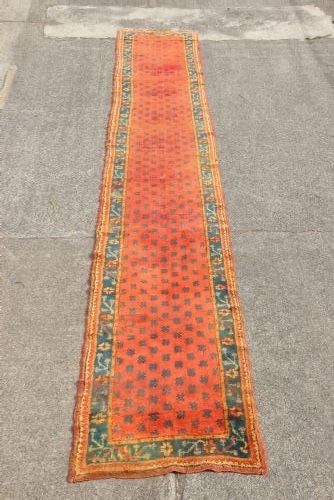
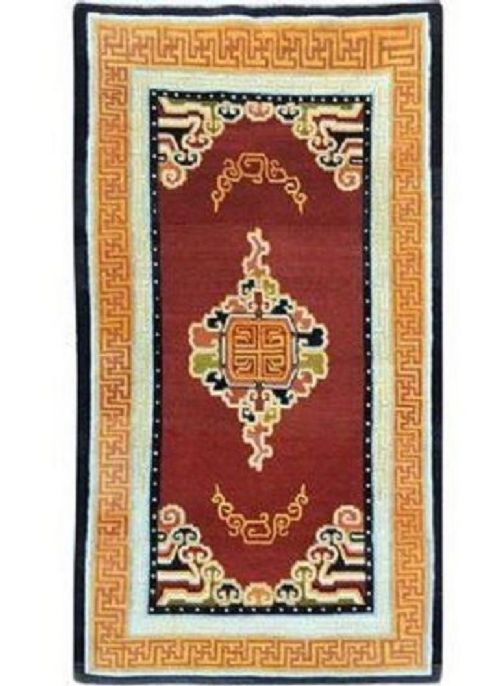
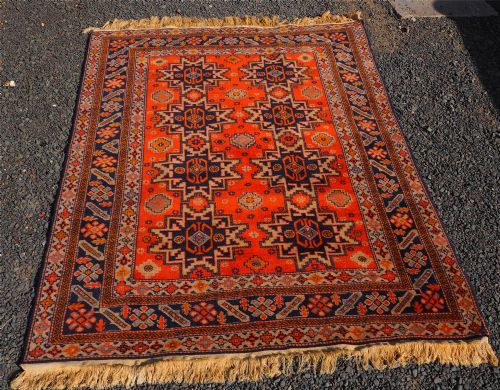

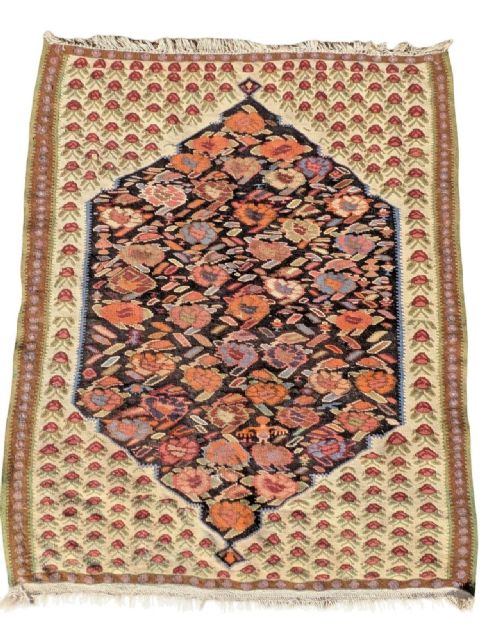
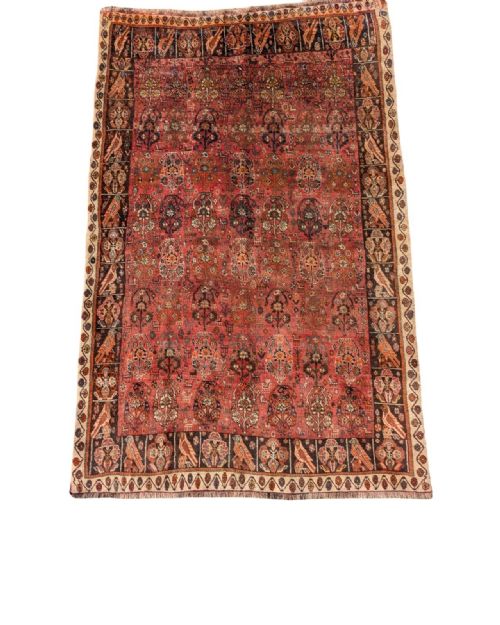
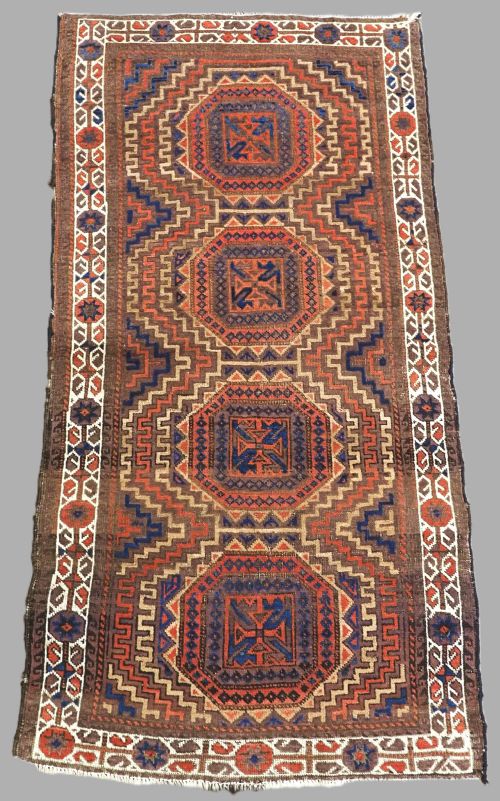
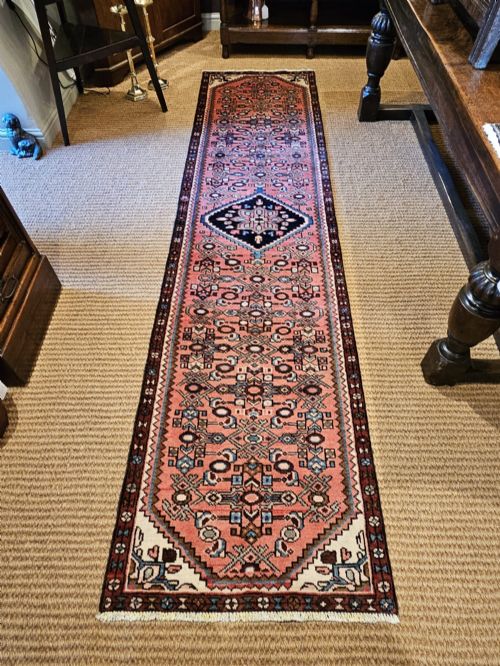
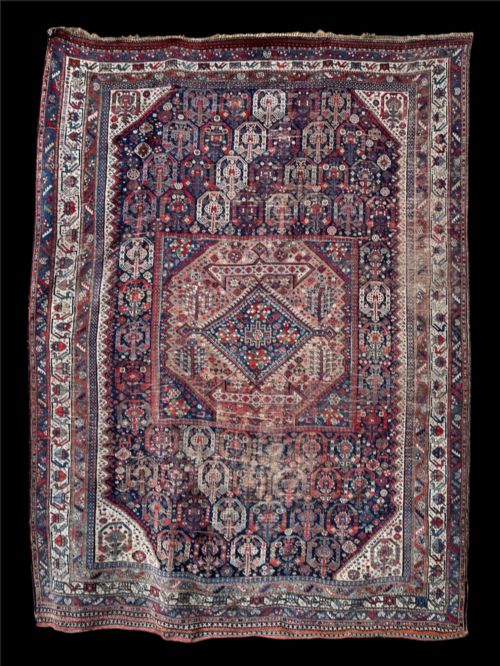

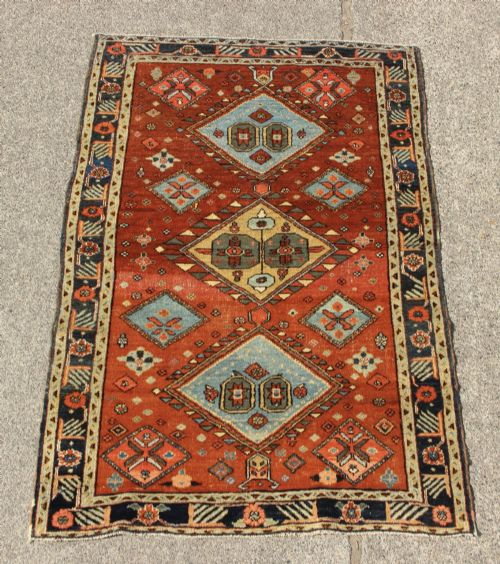
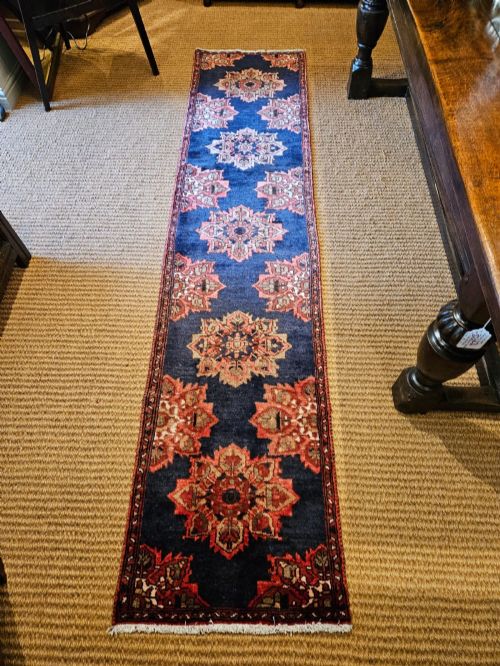
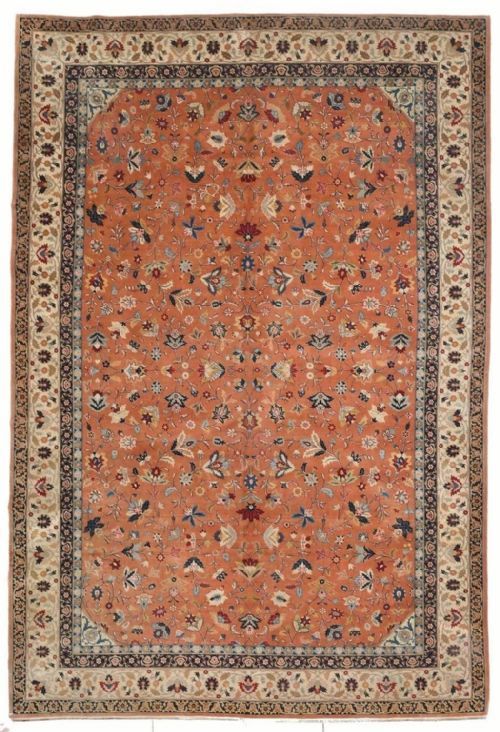
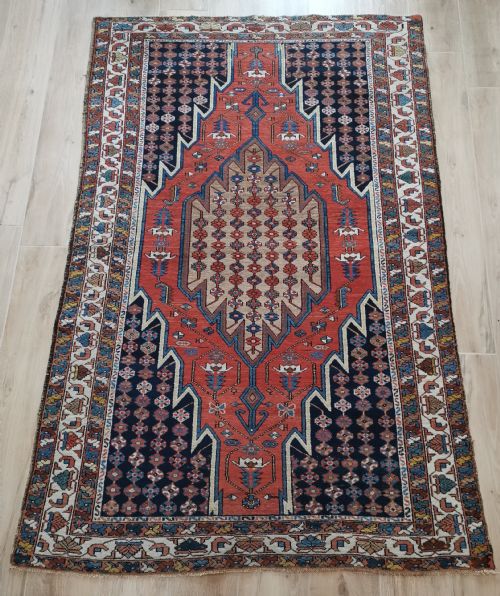
Terracotta Wool Runner Carpet
These terracotta wool runner carpet selections offer warmth and distinct pattern for corridors, drawing heavily on Persian tribal and traditional regional weaving traditions.
Terracotta Wool Runner Carpet
A terracotta wool runner carpet brings narrow, elongated format weaving into hallways and passages, utilising traditional Persian and tribal designs. These textiles span periods from the late nineteenth century into the early decades of the twentieth century, reflecting varied regional aesthetics from Kurdish to Heriz and Oushak workshops.
Materials and construction methods
The construction relies primarily on hand-knotted wool pile foundation structures, frequently incorporating natural dyes to achieve deep terracotta, madder, and mellow colour palettes. Certain examples utilise complementary materials such as cotton for foundations and supplementary camel hair for natural tone variations.
Weavers employed tight knotting techniques suited to high-traffic floor use, allowing the pile to withstand decades of wear while maintaining structural integrity. The application of traditional natural dyestuffs yields subtle variations across the surface of each runner over time.
Some resilient tribal runners have quietly outlived several generations of household footsteps while retaining their cheerful terracotta charm.
Distinctions in quality and execution
Quality separates through the crispness of the geometric or floral motifs, the density of the hand-knotted wool pile, and the purity of the natural dyes employed. Finer examples display precise execution in traditional tribal guls or all-over boteh designs with balanced proportions along the entire length.
The handling of wool and the condition of the selvedges and ends also distinguish higher tiers of weaving. Runners retaining their original structural borders and consistent pile height demonstrate superior preservation from their respective period.
The Terracotta Wool Runner Carpet Glossary
- Runner
- An elongated narrow carpet format designed specifically for hallways, corridors, and staircases. These pieces measure significantly longer than they are wide.
- Gul
- A medallion or repeating octagonal motif often found in tribal and nomadic weaving traditions, particularly among Turkmen and Afghan carpets.
- Boteh
- A stylised almond, pear, or floral spray motif of ancient Persian origin, widely utilised in traditional runner and carpet decoration.
- Kilim
- A flat-weave carpet produced without a pile, resulting in a lighter textile with distinct geometric patterns visible on both sides.
- Selvedge
- The reinforced edge of a carpet running parallel to the warp, bound tightly to prevent the knots from unravelling.
Terracotta Wool Runner Carpet: Frequently Asked Questions
Where should I place a runner carpet?
These elongated formats suit hallways, long corridors, and narrow entryways where floor covering adds both warmth and visual interest.
Ensure you measure the passage width and length carefully to leave appropriate exposed flooring around the edges.
How do I care for antique wool runners?
Regular gentle vacuuming without a rotating beater bar helps remove dust from the wool pile without damaging the hand-knotted foundation.
Professional specialist cleaning remains recommended for deep maintenance to preserve the natural dyes.
What periods do these carpets cover?
The pieces span from the late nineteenth century through the early twentieth century, encompassing various traditional village and tribal workshops.
Earlier examples from the nineteenth century often show distinct regional dye variations and traditional nomadic motifs.
Are these runners made by hand?
Every piece recorded in these selections is a hand-knotted textile produced using traditional village or tribal techniques.
Craftspeople utilised wool and natural dyes to create durable floor coverings designed for everyday domestic utility.