



Terracotta Wool Hearth Rug
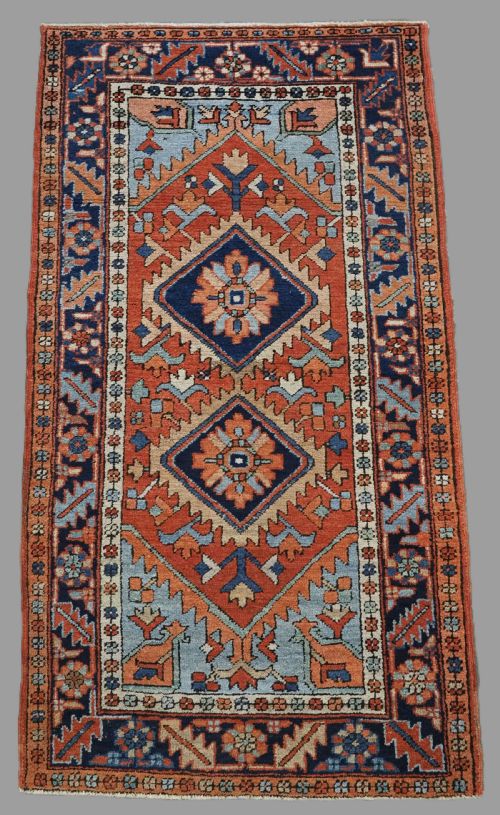
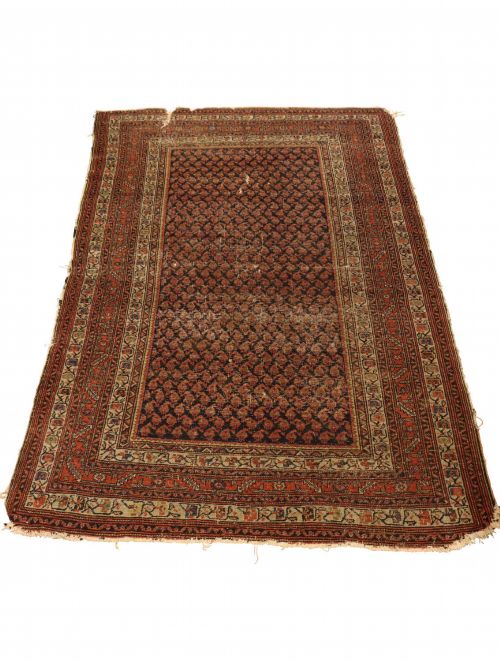
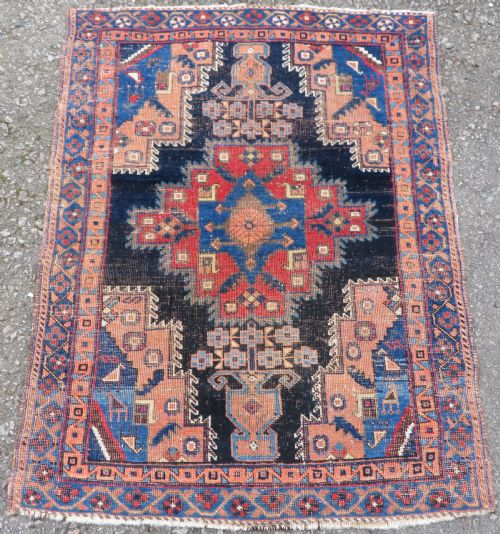
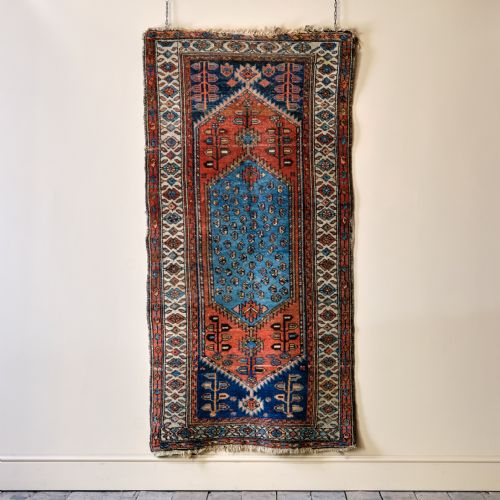
These terracotta wool hearth rugs bring warmth and rich earthy tones to a room, offering tactile comfort by an open fire.
Terracotta Wool Hearth Rug
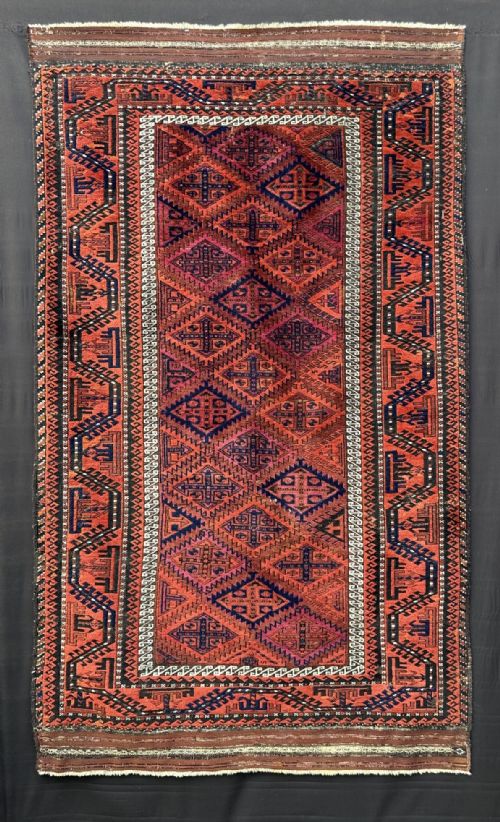
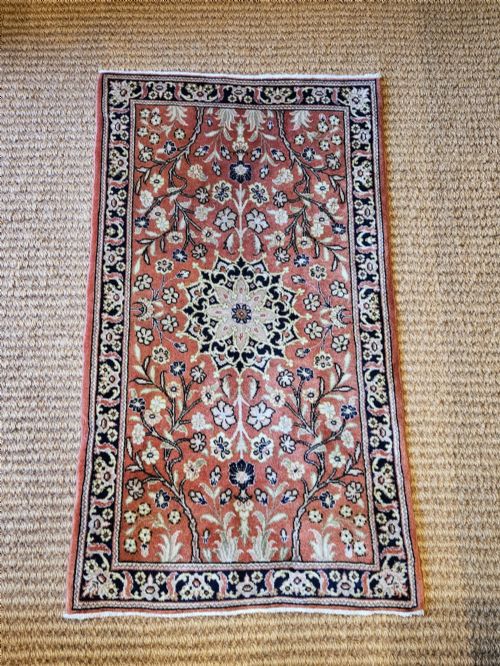
When you search for a terracotta wool hearth rug, you encounter hand-knotted pieces originating from Persian, Afghan, Caucasian, and Anatolian traditions. These smaller floor coverings suit placement directly before a fireplace, anchoring the hearth space with traditional patterns.
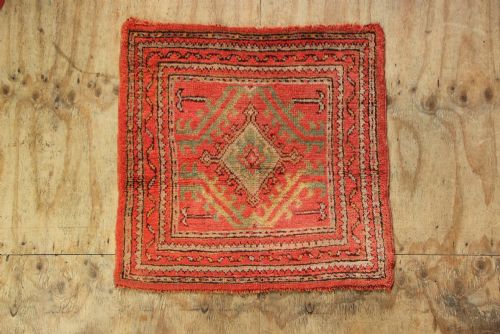
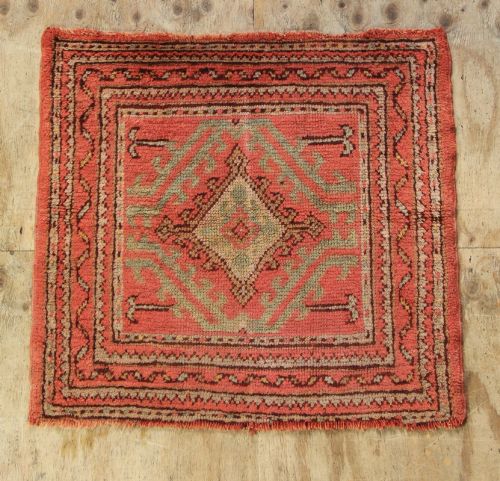
The selections span from the late nineteenth century into the early twentieth century, taking the form of square mats, prayer rugs, and small area rugs. Regional styles such as Heriz, Oushak, and Baluch predominate, displaying diverse tribal and geometric motifs.
Most items on this page utilise hand-spun wool pile on supportive cotton warps, bringing authentic regional weaving techniques directly into a modern interior setting.
What varies in quality
The standard of a piece depends heavily on the density of the knotting and the quality of the wool utilised in the pile. Softer, finer wool grades yield a more pliable handle and a richer texture underfoot.
Artistic execution also separates standard examples from superior ones, particularly in the precision of geometric medallions and the depth of colour achieved in the dye work.
The listings span from 1870 to 1920, predominantly featuring wool pile construction on cotton warps.
The Terracotta Wool Hearth Rug Glossary
- Warp
- The vertical foundation threads stretched lengthwise on a loom, onto which the wool pile knots are tied. Cotton warps provide structural stability to antique village rugs.
- Boteh
- A traditional decorative motif resembling a curved almond or pear shape, frequently seen in Persian weaving. This ancient symbol often represents life and eternity.
- Ensi
- A specific type of tribal rug traditionally used as a tent door hanging by Turkmen groups. They typically feature a quartered design layout.
- Medallion
- A central ornamental design motif placed in the middle of the rug field. Regional styles often dictate whether this shape appears as a bold geometric polygon or a curved floral form.
- Prayer rug
- A small format rug featuring a mihrab or arch design at one end, traditionally used to indicate the direction of prayer. These pieces often serve as decorative wall hangings or hearth rugs today.
Terracotta Wool Hearth Rug: Frequently Asked Questions
How do I clean a wool hearth rug?
Regular gentle vacuuming without a rotating brush roll keeps dust and debris from settling deep into the wool pile. Professional specialist cleaning is recommended for antique textiles to protect natural dye integrity.
Spot cleaning requires mild soap and cool water, blotting gently rather than rubbing the fibres. Allowing the wool to dry flat prevents distortion of the cotton warp foundations.
Can these rugs handle fireplace sparks?
Wool possesses natural flame-resistant properties, making it the traditional choice for hearth placement where stray embers might land. The dense pile chars rather than ignites instantly.
However, burning embers can still scorch the fibres, so placing a protective screen in front of an open fire remains standard practice. Regular inspection helps catch any minor burns before they compromise the structure.
How do I identify a tribal rug?
Tribal rugs typically display geometric patterns, stylised animals, and memory-driven designs rather than formal court curves. Weavers working in village or nomadic settings produced these pieces without strict pre-drawn master cartoons.
Irregularities in symmetry and spontaneous colour shifts often point to a tribal origin. These charming variations reflect the individual maker's hand and local weaving traditions.
Where should I place a small rug?
Small formats excel in compact areas such as beside a bed, in an entryway, or directly centred in front of a fireplace hearth. Their modest scale allows them to define a specific functional zone without overwhelming the room.
Using a breathable underlay prevents slipping on hard floors and reduces friction between the wool base and the ground. This simple addition extends the working life of vintage floor coverings.