
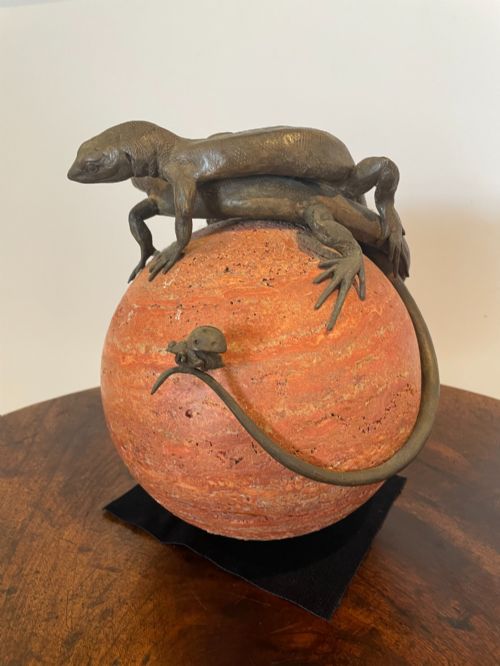
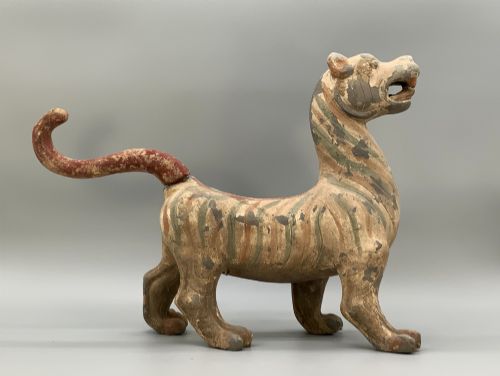
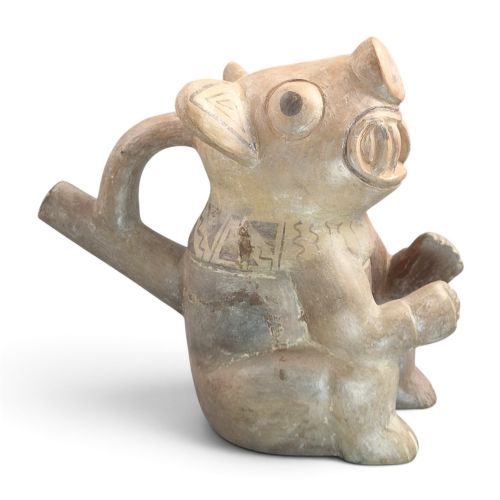
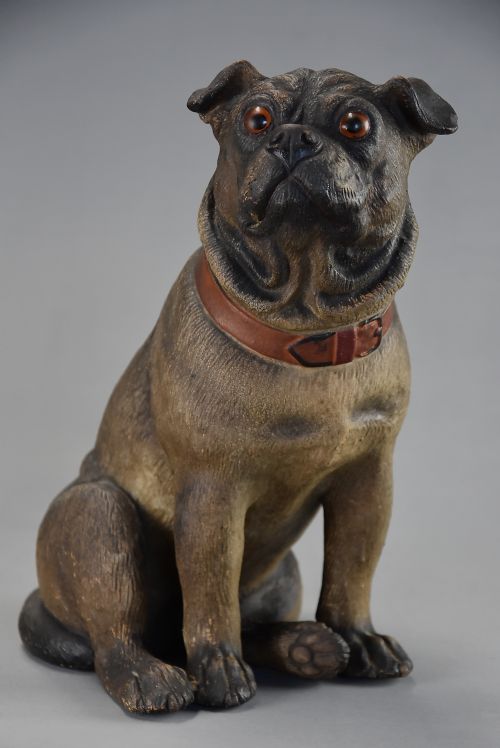


Terracotta Animal Sculpture
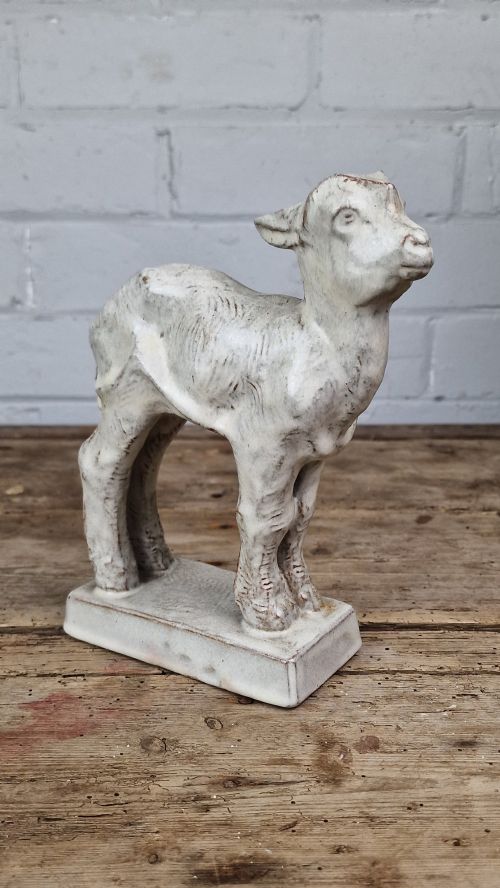
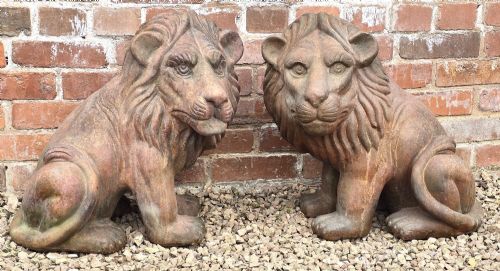
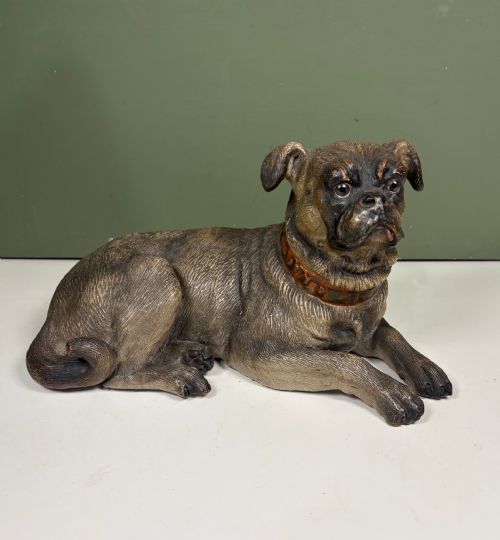
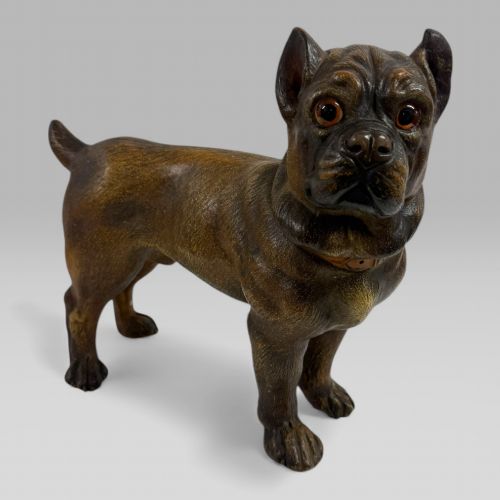
These terracotta animal sculpture pieces bring character and presence to a room, ranging from grand garden lions to charming continental pugs.
Terracotta Animal Sculpture
The most common forms you meet on this page are nineteenth-century European figures, particularly Austrian and French pugs, lions, and cockerels. These range from cabinet figurines and bookends to large pairs meant for display.
Earlier pieces also appear, including ancient Han Dynasty pottery guardians and Pre-Columbian zoomorphic vessels. Alongside these sit Art Deco models and twentieth-century animalier works.
How they were made
Makers shaped these pieces primarily from terracotta, earthenware, and ceramic, sometimes combining them with bronze, marble, or glass elements. Artisans hand modeled or cast the clay before firing it to achieve a durable body.
Listings include terracotta, earthenware, ceramic, and bronze materials spanning the nineteenth century, the Art Deco period, and ancient history.
What varies in quality
The complexity of the surface finish also marks the grade of a piece, separating plain earthenware from those enhanced with careful cold painting, polychrome pigments, or rich glazes.
Joseph Constant·Guido Cacciapuoti·Bernard Bloch
The Terracotta Animal Sculpture Glossary
- Terracotta
- A porous fired clay body ranging in colour from pale buff to deep reddish brown. It serves as the primary medium for many traditional sculptural figures and vessels.
- Animalier
- A nineteenth-century artistic movement dedicated to the realistic portrayal of animals. Sculptors in this style focused closely on anatomical precision and animal behaviour.
- Cold painted
- A technique where paint is applied to a fired terracotta or metal surface without being permanently kiln-fired. This allows for delicate polychrome details that require careful handling.
- Zoomorphic
- Shaped or decorated in the form of an animal. This term frequently describes ancient vessels and ritual artefacts.
- Recumbent
- Posed lying down while remaining alert. Sculptors often used this relaxed posture for pairs of decorative lions intended as bookends or hearth ornaments.
Terracotta Animal Sculpture: Frequently Asked Questions
How do I date an antique terracotta animal?
Dating relies on stylistic markers, the nature of the clay body, and any manufacturer stamps or signatures on the base.
Examining the surface finish, such as cold painted pigments or regional glazes, also helps place the piece within its proper nineteenth or twentieth-century period.
Where were these terracotta sculptures made?
The pieces originate from various workshops across Europe and Asia, with notable production in Austria, France, Italy, and England. Continental factories produced many of the domestic animal figures.
Earlier items trace back to ancient Chinese and Pre-Columbian traditions.
How should I clean my terracotta sculpture?
Dust the surface gently with a soft, dry brush to remove settled particles without disturbing the porous clay or fragile painted details.
Avoid using water or liquid cleaners, especially on cold painted pieces, as moisture damages the pigments.
Are these figures suitable for outdoor display?
Larger garden sculptures and architectural roof tiles, such as French folk art pieces, withstand exterior conditions well.
Indoor decorative figurines and cold painted models should remain inside away from frost and dampness.