




Tekke Turkmen Runner
A tekke turkmen runner brings the rich geometric artistry of Central Asian weaving directly into a hallway or narrow space.
Tekke Turkmen Runner
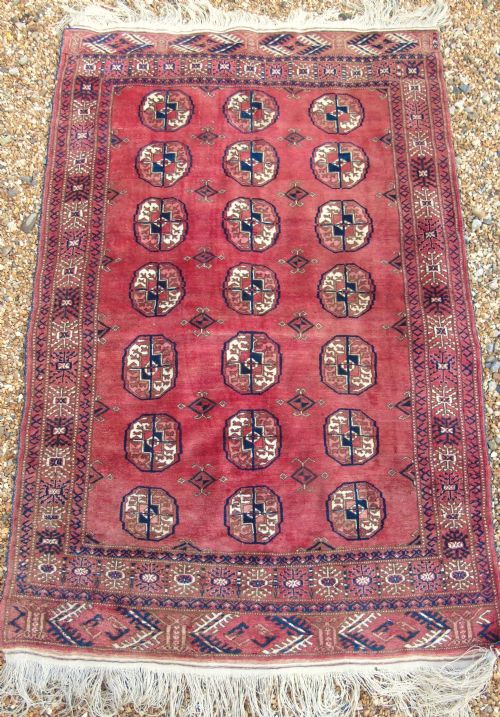
A tekke turkmen runner is a tribal textile originating from Central Asia, created by nomadic and tribal groups. When searching for this phrase, a buyer looks at floor coverings and long formats shaped by traditional weaving traditions.
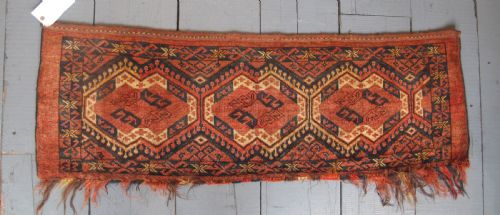
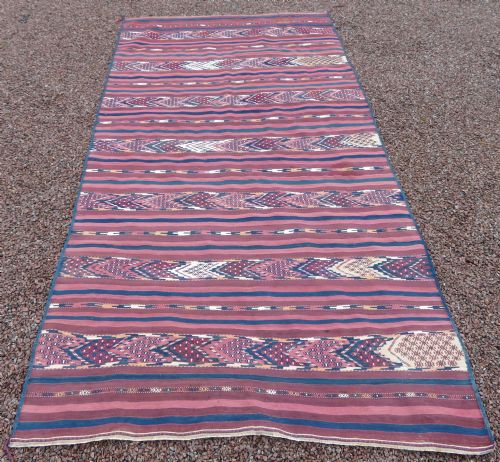
The pieces on this page span several decades, featuring items from the mid-nineteenth century through to the early twentieth century. Alongside conventional runners, the selection includes related formats such as carpets, storage bagfaces, torba fragments, tent bands, and flat weave kilims.
These textiles reflect distinct regional styles including Turkmen tribal, Central Asian nomadic, and specific Tekke attribution. They function both as historic floor furnishings and as wall hangings within a country house or modern interior.
Evaluating Quality
Quality in these runners rests on the density and fineness of the weave, distinguishing standard tribal work from exceptionally precise examples. The execution of the guls and structural integrity of the foundation dictate the upper tier of the range.
Condition also plays a role, separating complete and well-preserved carpets or runners from fragments, storage bags, and items showing heavy country house wear. The precision of the flat weave technique and the handling of the wool further define the grade.
One tent band measures an impressive fifty feet in length, proving that nomadic weavers certainly knew how to pack for a long journey.
The Tekke Turkmen Runner Glossary
- Gul
- A primary octagonal medallion motif repeated across Turkmen carpets and runners. It often serves as a tribal signature or clan emblem.
- Torba
- A small storage bag produced by tribal groups for domestic use inside a yurt. They frequently appear as cut fragments or preserved bagfaces.
- Cicim
- A supplementary weft-float technique used to create colourful geometric patterns on flat-woven textiles. This method adds surface texture without cutting the yarn.
- Palas
- A flat-woven rug or utility textile produced without a raised pile. These pieces rely entirely on the warp and weft interlock.
- Yurt Band
- A long, narrow woven band utilised to secure the framework of a nomadic tent. They showcase intricate tribal patterning across extended lengths.
Tekke Turkmen Runner: Frequently Asked Questions
What is a tekke turkmen runner?
A tekke turkmen runner is a hand-woven textile created by Central Asian tribes, characterised by specific geometric motifs and elongated proportions suitable for narrow spaces.
These pieces reflect the nomadic heritage of the weavers, utilising traditional wool and cotton materials shaped by generations of tribal practice.
How do I date an old runner?
Dating relies on examining the structural wear, the nature of the wool, and the characteristics of the natural dyes used in the foundation and pile.
Comparative study of tribal guls and weaving techniques helps place items within periods ranging from the mid-nineteenth century to the early twentieth century.
How do I care for a tribal runner?
Care involves gentle vacuuming without a rotating brush and using a breathable underlay to prevent slipping and friction on hard floors.
Professional cleaning tailored to antique wool textiles is recommended to preserve the integrity of the natural fibres and dyes.