





Taxidermy Wall Decor
Taxidermy wall decor brings natural history into domestic spaces through mounted specimens, horns, and framed feathers from the Victorian era onward.

Taxidermy Wall Decor
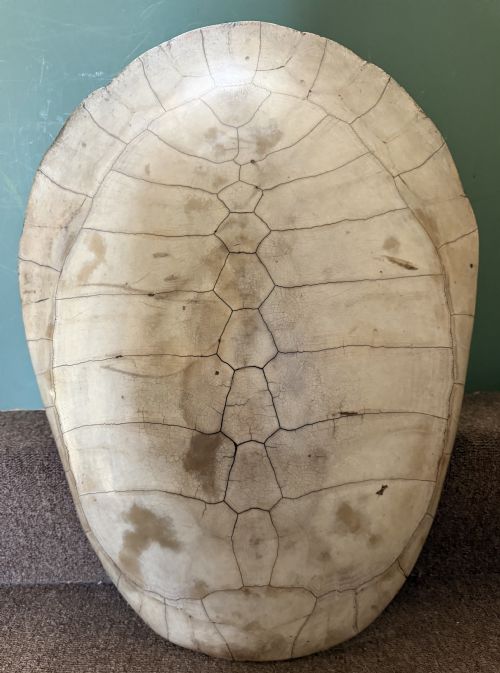
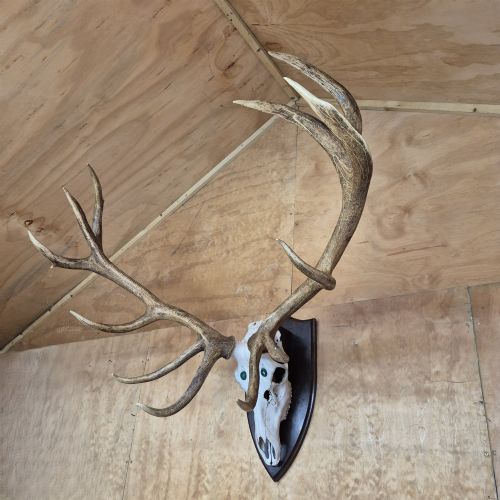
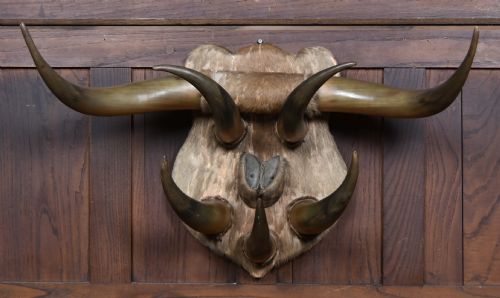
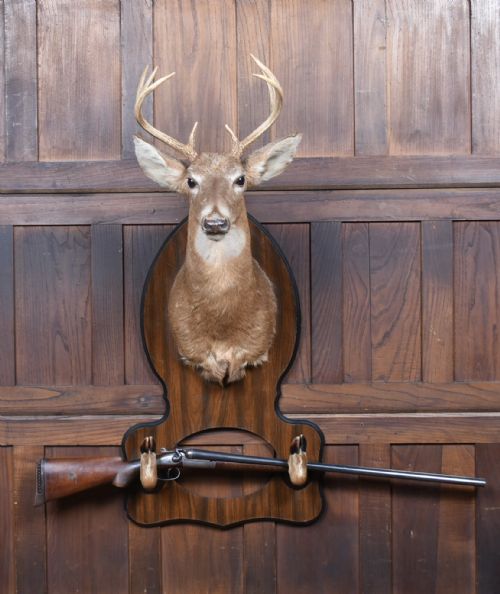
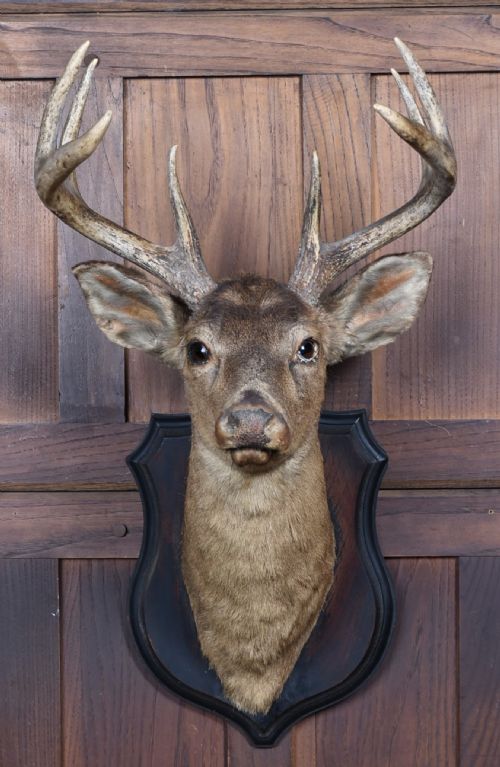
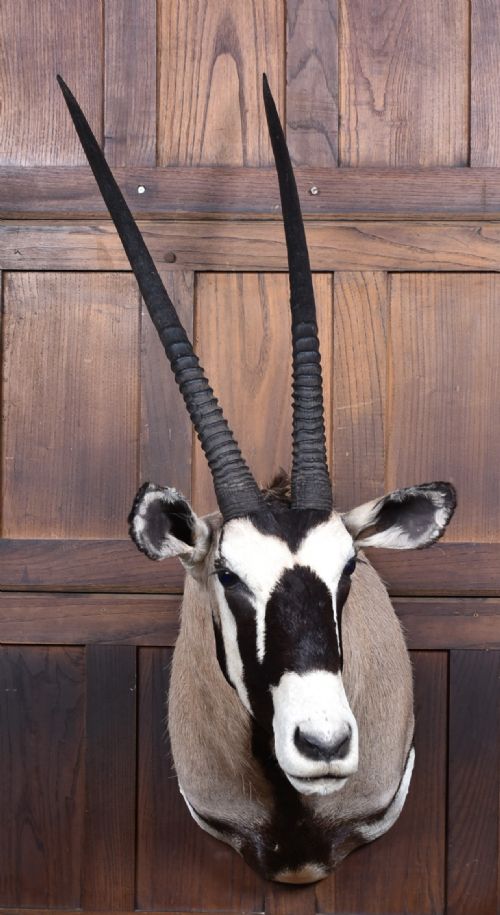
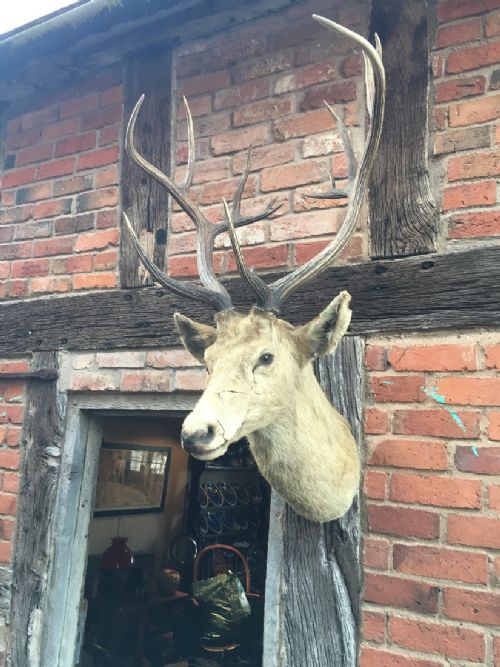
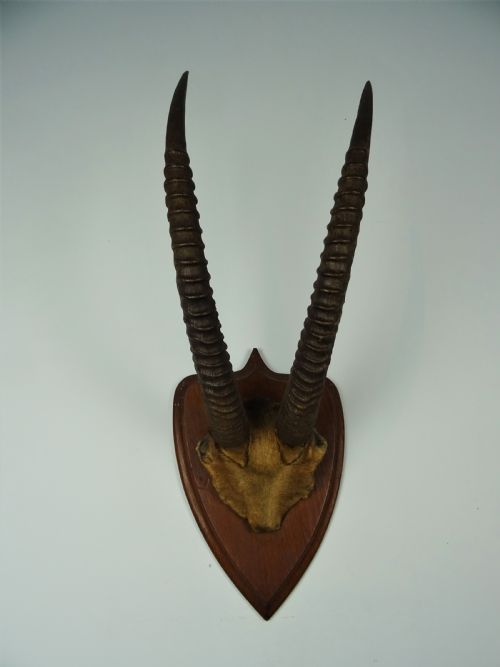
Taxidermy wall decor comprises mounted animal heads, horns, hooves, and framed natural history specimens designed to hang directly on interior walls. These pieces range from substantial stags' heads and antelope trophies to arrangements of cattle horns, ram's horns, and peacock feathers.
Buyers encounter items originating predominantly from the Victorian and Edwardian periods, alongside early twentieth-century examples up to the 1930s. The aesthetic spans Highland lodge traditions, sporting themes, and natural history displays.
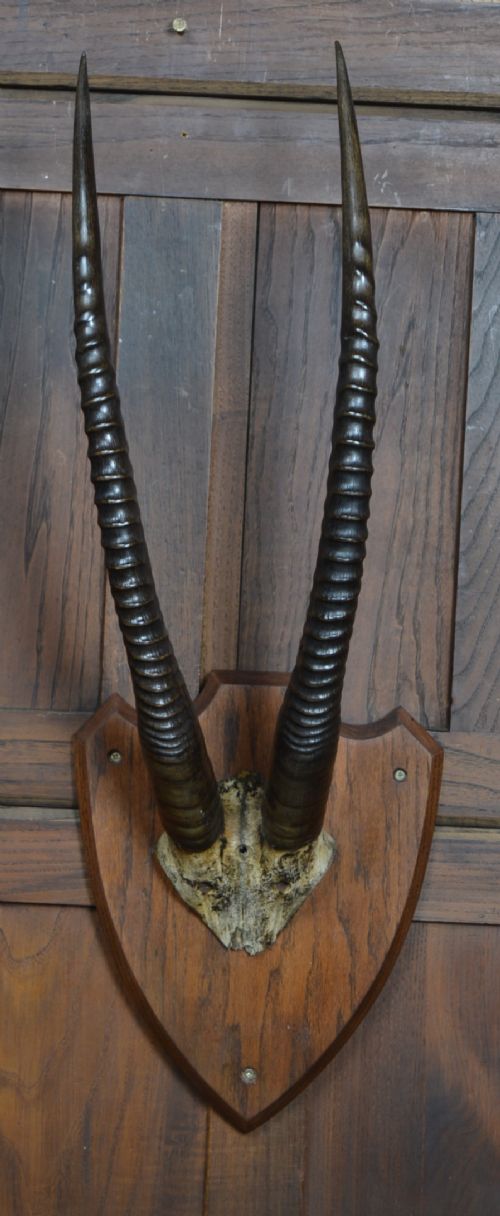
Common forms include shoulder mounts of deer and gazelle, carved wooden shields holding antlers, and glass-framed feathers or complete reptile specimens. Each piece reflects historical methods of preserving and displaying wildlife within domestic or institutional settings.
How they were made
Taxidermy specimens were prepared using hides and pelts fitted over constructed forms made from wood, plaster, or wire to recreate the animal's living posture. Horns and antlers were typically mounted directly onto wooden shields or wall plaques, sometimes carved with decorative detailing.
Natural materials such as oak formed the backing boards and shields, while bone, hide, and glass completed the composition of framed pieces or mounted heads. Preservation techniques varied by period, relying on traditional chemical treatments to secure hides and feathers to their supports.
Taxidermy Wall Decor Retail Price Guide 2026
Typical asking prices for taxidermy wall decor among the pieces listed under this phrase on Sellingantiques today, from the lower quarter to the upper quarter. They describe what is for sale here now, not the wider market.
Listings feature items from the Victorian and Edwardian periods, utilising oak, glass, horn, bone, and taxidermy hide.
What varies in quality
The anatomical accuracy and natural posture of the mounted specimen dictate the visual success of a piece. Master taxidermists captured realistic expressions and muscle tension that lesser practitioners missed, resulting in lifelike forms rather than stiff representations.
The quality of the supporting woodwork, such as carved oak shields, and the preservation state of the hide, horns, or feathers also define the standing of an object. Pieces carrying documented workshop attributions or originating from established practitioners demonstrate superior construction and longevity.
Edward Gerrard & Sons·Peter Spicer & Sons
The Taxidermy Wall Decor Glossary
- Taxidermy mount
- The preserved skin of an animal fitted over a sculpted form to resemble the living creature. These mounts are often shaped as shoulder displays for wall hanging.
- Trophy head
- An animal head and neck preserved for display, typically featuring horns or antlers. These specimens frequently reflect nineteenth-century sporting traditions.
- Shoulder mount
- A taxidermy preparation showing the head, neck, and upper shoulders of an animal. This format allows the specimen to project outward from a wall surface.
- Shield
- A wooden board, often carved, used as a backing plate for mounting horns or antlers. Oak is a common material for these supports.
- Mask
- The face and head portion of an animal skin prepared for wall display. Fox masks are traditional examples of this specific mounting style.
Taxidermy Wall Decor: Frequently Asked Questions
How do I hang heavy taxidermy mounts safely?
Large specimens require secure fixings into structural wall studs or heavy-duty masonry anchors to support their substantial weight. The wooden backing shield or hanging bracket must bear the primary load.
Distributing the weight evenly across multiple anchor points prevents strain on the wall and protects the historical backing board from splitting over time.
Where should I place taxidermy in my home?
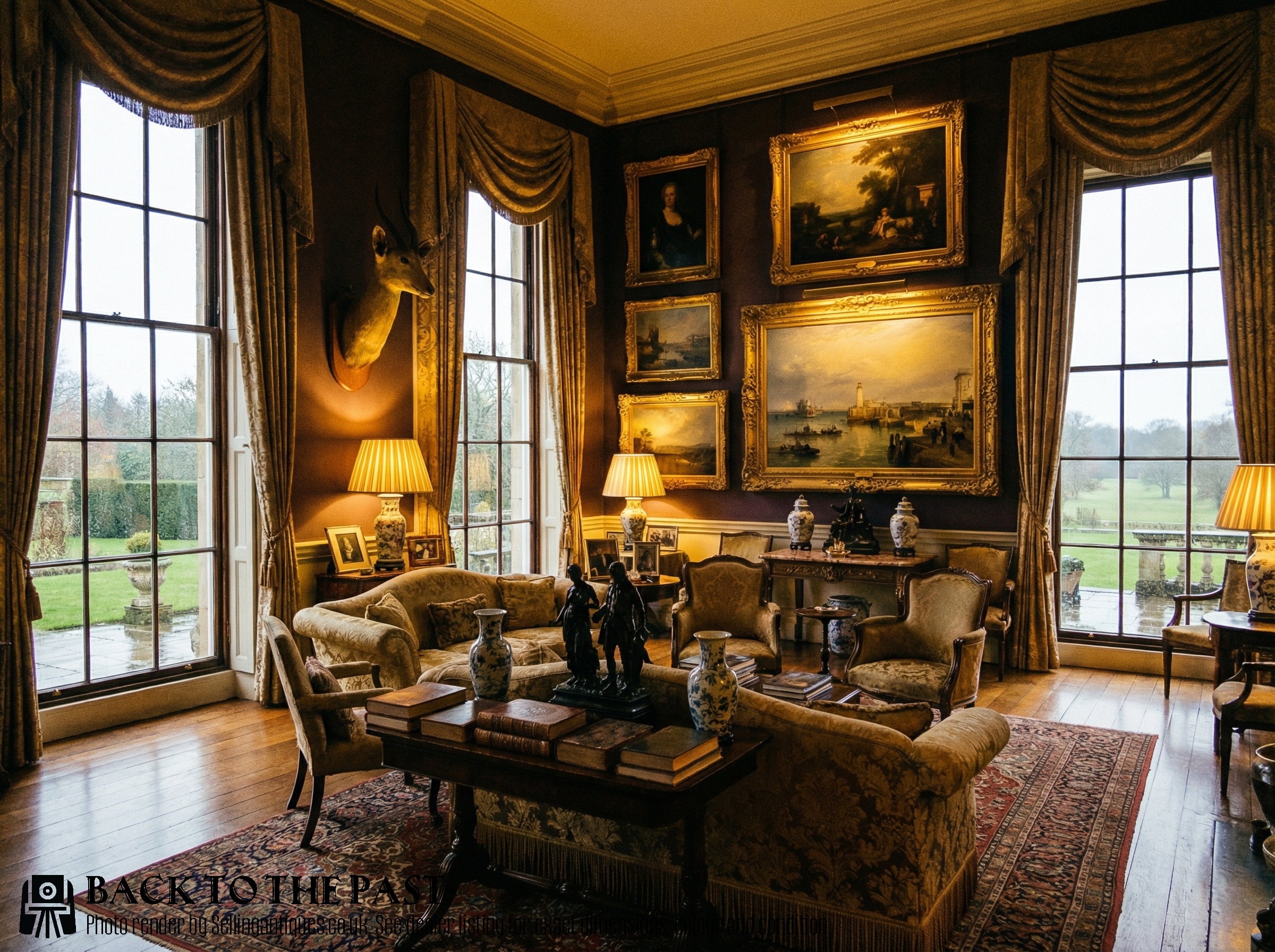
These pieces suit rooms with solid wall space, such as studies, hallways, or living areas, where they act as historical focal points. High-ceilinged spaces complement large stags' heads and antelope trophies.
Position items away from direct sunlight and strong heat sources to prevent the natural hide, fur, and feathers from drying out or fading.
How do I date an antique taxidermy piece?
Dating relies on examining the construction methods of the backing boards, the taxidermy techniques used on the hide, and any accompanying maker's marks. Victorian and Edwardian pieces often feature hand-written labels or specific mounting styles on the reverse of the wooden shields.
Comparing the species and aesthetic to documented periods helps narrow down the decade of production between the late nineteenth century and the 1930s.
How do I maintain historical taxidermy decor?
Regular maintenance involves gentle dusting with a soft brush or a feather duster to keep fur and feathers clear of particles. Avoid using liquid cleaners or chemical sprays on the hide or mount.
Keeping the room at a stable humidity level protects the organic materials from cracking and ensures the long-term preservation of the specimen.