


Tapered Candle Stick
These tapered candle stick pieces offer the warm glow of past centuries through brass, silver plate, and porcelain forms.
Tapered Candle Stick
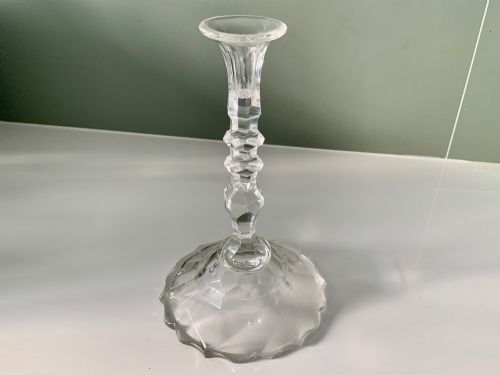
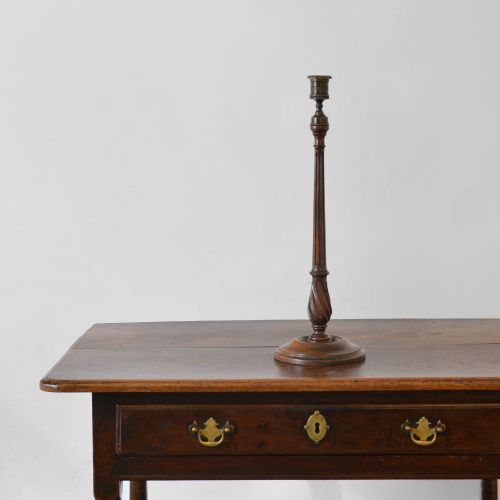
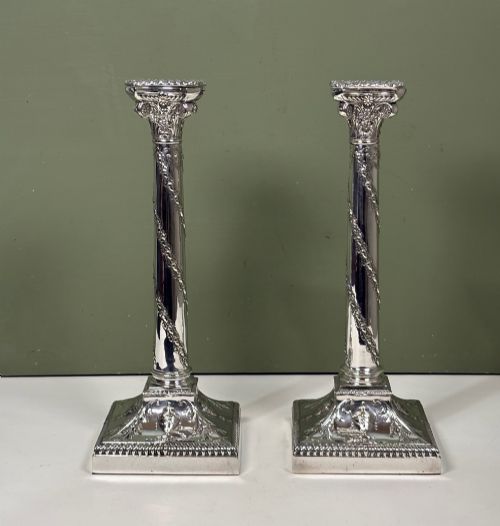
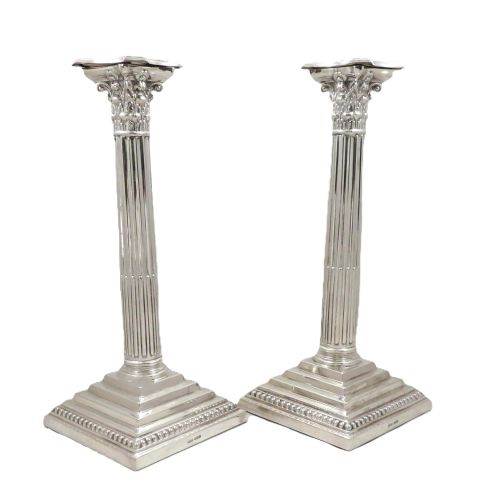
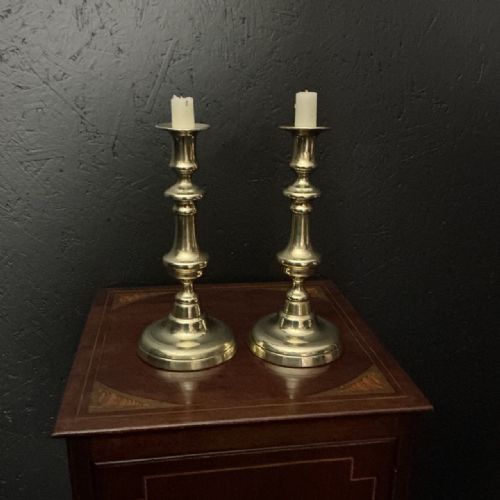
When you search for a tapered candle stick, you find lighting equipment designed to hold wax or tallow tapers securely upon tables, desks, and mantlepieces. The selections span from the eighteenth century through the Edwardian period, encompassing Georgian brass examples, Victorian silver plate, and porcelain forms.
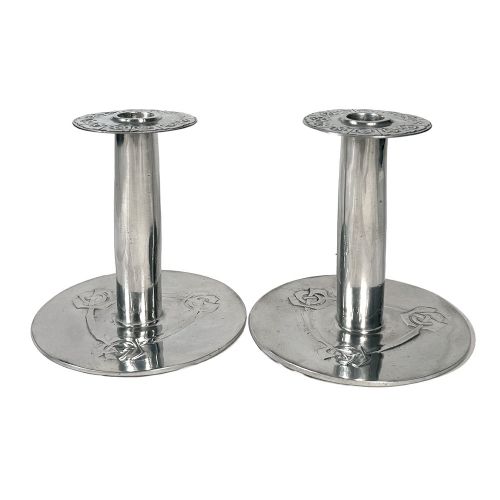
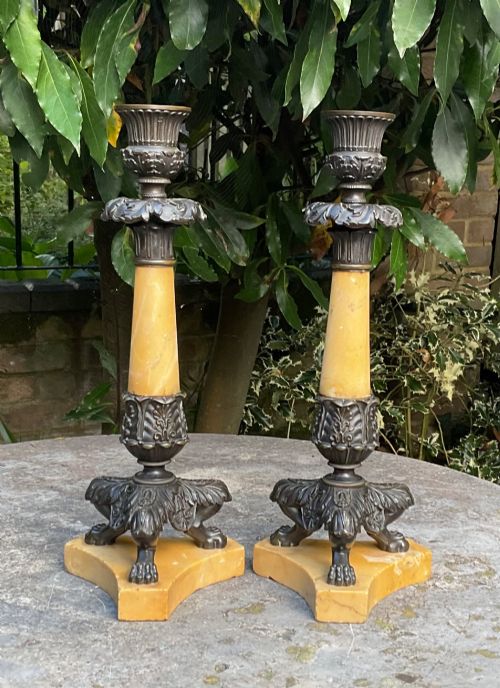
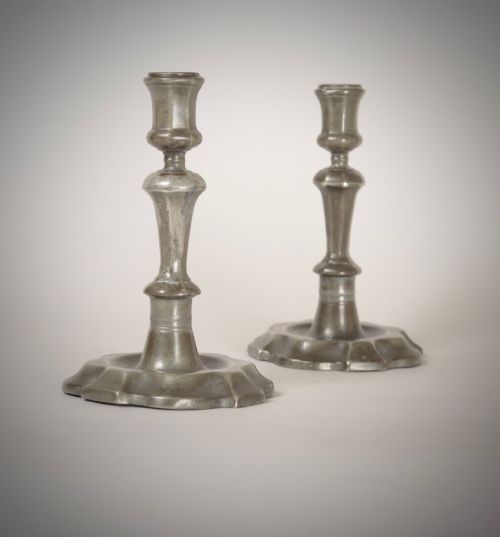
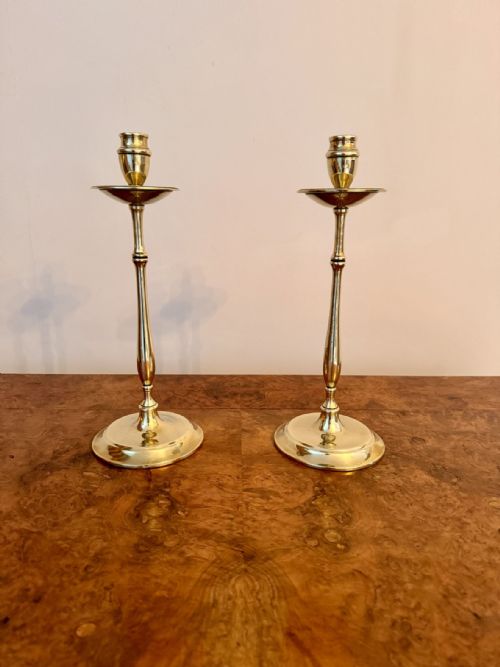
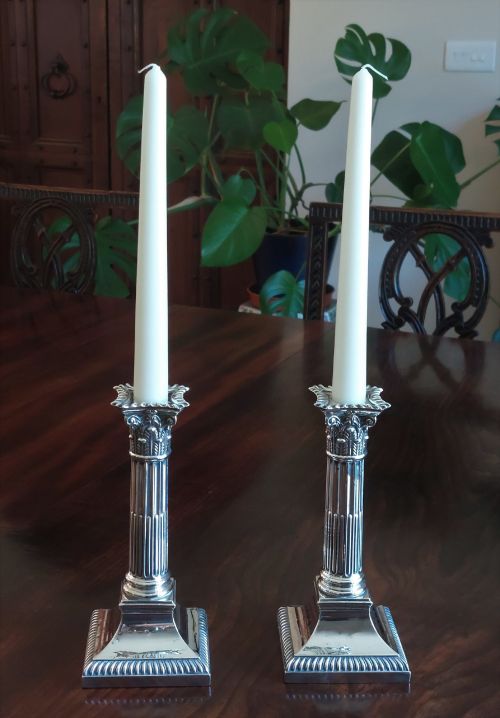
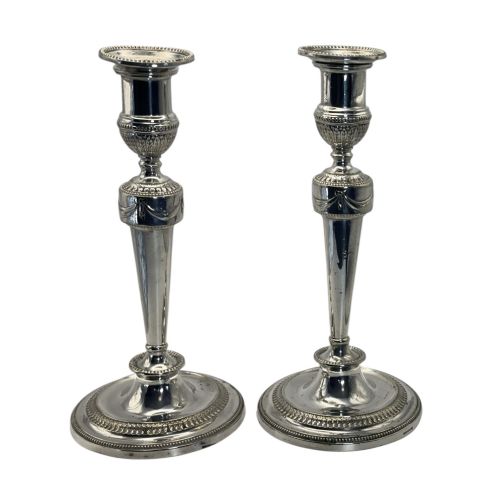
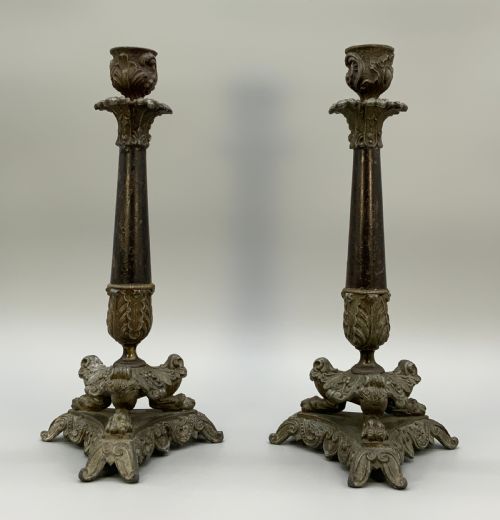
Most items appearing in the listings are matched pairs rather than single pieces, frequently cast in brass, pewter, or silver plate. Forms range from slender columnar designs to petal-based models, small desk adaptations, and taller candelabra suites intended for formal dining rooms.
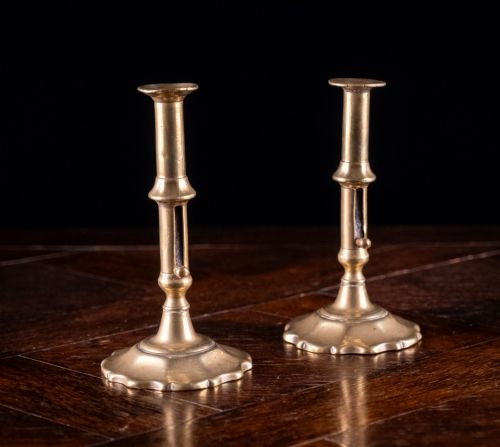
Origin points stretch across English, French, and Welsh workshops, utilising materials that reflect the domestic lighting needs of their respective eras. Buyers encounter everything from utilitarian eighteenth-century seamed brass ejectors to decorative Arts and Crafts pewter items.
How they were made
Metals dominate the construction methods, utilising brass, sterling silver, silver plate, copper, bronze, and pewter shaped through casting, hammering, and seaming techniques. Eighteenth-century brass pieces often display the distinct vertical seams of two-part casting methods, whilst later nineteenth-century items incorporate weighted bases for stability.
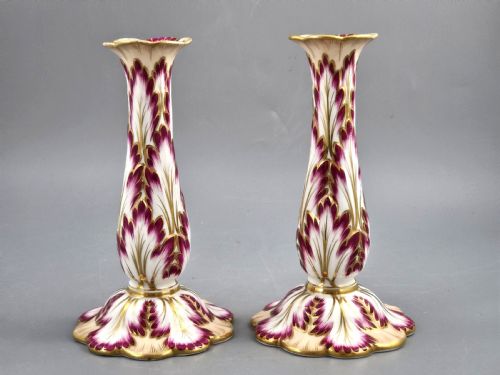
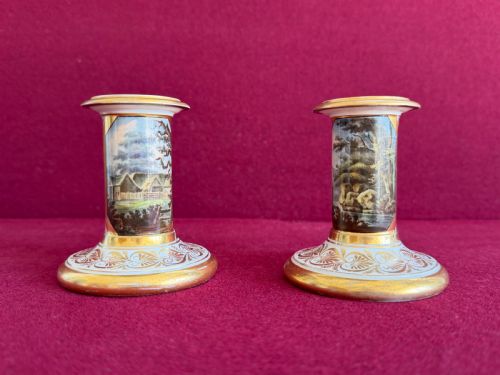
Ceramic examples employ porcelain bodies shaped in moulds, featuring applied foliage and hand-painted details as seen in Worcester and Ridgway productions. Treen variations introduce turned wood components, demonstrating the versatility of materials applied to domestic lighting over successive centuries.
Tapered Candle Stick Retail Price Guide 2026
Typical asking prices for tapered candle stick among the pieces listed under this phrase on Sellingantiques today, from the lower quarter to the upper quarter. They describe what is for sale here now, not the wider market.
Materials span brass, silver plate, sterling silver, copper, pewter, bronze, metal, enamel, porcelain, and treen across multiple centuries.
What varies in quality
The distinction between standard domestic lighting and finer pieces rests in the crispness of the casting detail, the weight of the metal, and the retention of original surface patination. Superior examples display sharp foliage moulding, well-defined petal bases, and balanced proportions without excessive modern polishing or structural thinning.
Maker attribution and material purity elevate certain items, particularly marked pieces from recognised workshops such as Liberty and Co or Garrard and Co alongside genuine Old Sheffield Plate. The integrity of the base construction and the harmonious matching of pairs largely determine the standing of each piece within its period.
Archibald Knox for Liberty and Co·Garrard and Co·Mappin and Webb·Ridgway·Barr Flight and Barr·J. Miller·J.T. and Co
The Tapered Candle Stick Glossary
- Ejector
- A mechanical device integrated into brass candlesticks featuring an internal stem or button to push out remaining candle stubs. This innovation became common during the mid eighteenth century.
- Old Sheffield Plate
- A composite material created by fusing a thin sheet of silver to a thicker copper base before rolling and forming. This technique predates modern electroplating.
- Taper stick
- A smaller, more delicate version of a candlestick specifically designed to hold a thin wax taper for lighting pipes, fires, or sealing letters. These pieces typically feature narrower nozzles and slender shafts.
- Corinthian column
- A classical architectural order adapted for candlestick shafts, featuring ornate capitals decorated with acanthus leaves. This style enjoyed particular popularity during the Georgian and Victorian revivals.
- Tudric
- A trade name used by Liberty and Co for a range of pewter alloy items produced during the Arts and Crafts movement. These pieces often incorporated stylized organic motifs.
Tapered Candle Stick: Frequently Asked Questions
What is a taper stick used for?
These small holders supported thin wax tapers employed primarily for lighting larger candles, fireplaces, or oil lamps before matches became common.
They also served at writing desks to melt sealing wax for correspondence and documents, requiring only a tiny flame to complete the task.
How do I clean antique brass candlesticks?
Dust the surface gently with a soft dry cloth to remove loose particles without disturbing the underlying patination and age coloration.
Avoid harsh abrasive chemical cleaners that strip away the historical surface character accumulated over centuries of use.
Are silver plated candlesticks weighted?
Most silver plated and sterling silver examples contain internal weighting materials such as resin, plaster, or wood to provide stability for the tall upright structure.
This core support prevents the lightweight outer metal sheath from tipping over when holding a burning candle.
How can I tell Georgian from Victorian pieces?
Georgian examples often exhibit simpler, heavier casting with seamed construction and softer brass tones characteristic of eighteenth-century metallurgy.
Victorian and later pieces frequently introduce eclectic revival styles, machine precision, stamped components, and silver plating technologies.