


Tambour Front Bedside Table
These tambour front bedside tables bring sliding slatted timber doors and period proportion to the bedside, combining hidden storage with clean lines.
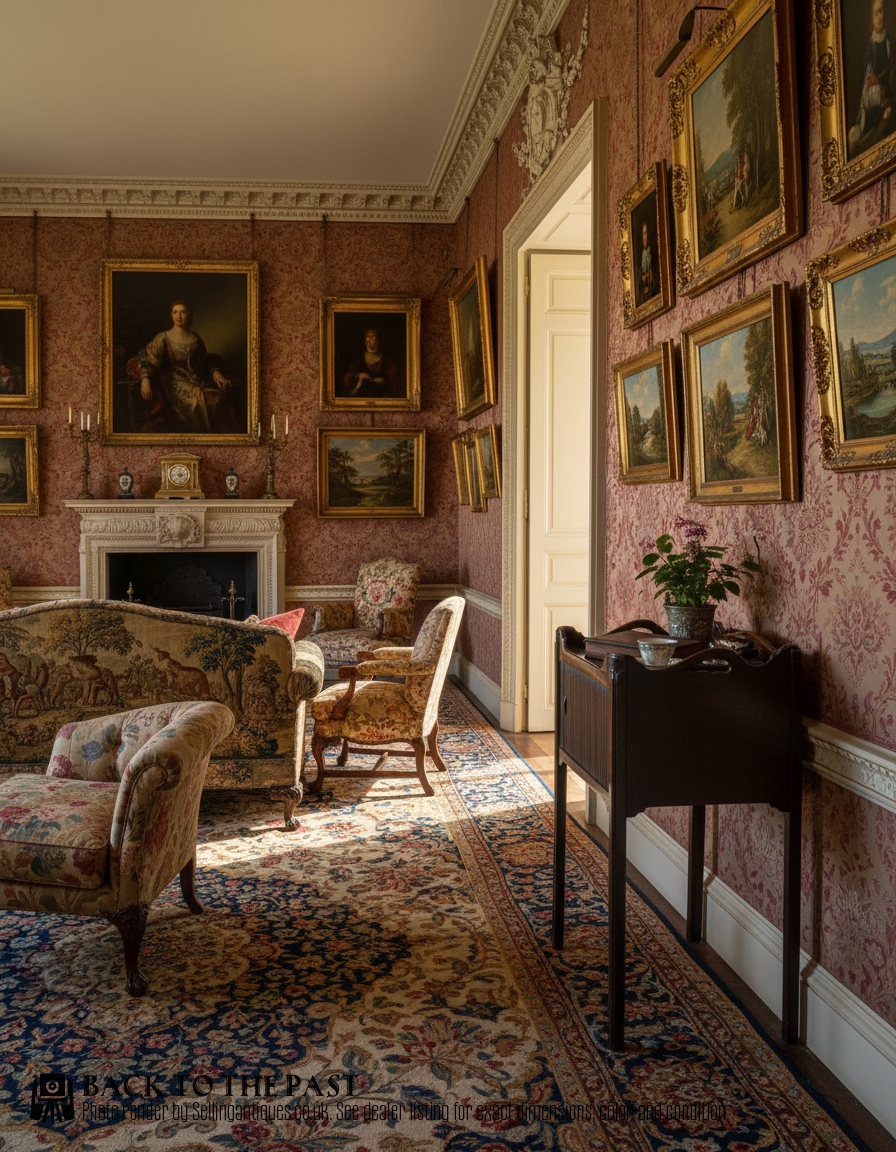
Tambour Front Bedside Table
A tambour front bedside table offers a neat sliding enclosure for nighttime storage, appearing primarily in Georgian and Regency forms alongside later 19th century and French provincial examples. These pieces function as compact bedside cabinets, commodes, and night stands, designed to conceal chamber pots or personal items behind flexible wooden slats.
The selection on this page relies heavily on George III and 18th century craftsmanship, often featuring the characteristic curved or bow front that defines the period. Alongside these English iterations, buyers encounter French nightstands and walnut or mahogany pot cupboards from the 19th century.
Most examples present as freestanding bedside tables with enclosed lower compartments operated by the tambour mechanism, sometimes paired with tray tops or serpentine fronts. The proportions remain intimate, suited to traditional bedroom layouts where concealed storage matters.
How they were made
Makers constructed these cabinets using dense timbers like mahogany and walnut, frequently incorporating satinwood and boxwood inlay for decorative contrast on drawer fronts and borders. Some French variants introduce marble tops to the upper surface for durability and a contrasting texture.
The defining tambour mechanism requires precise woodworking, joining individual narrow strips of wood to a flexible canvas or linen backing so the curtain slides smoothly within recessed side tracks. Brass hardware, including handles and occasional gallery mounts, completes the structural assembly.
Tambour Front Bedside Table Retail Price Guide 2026
Typical asking prices for tambour front bedside table among the pieces listed under this phrase on Sellingantiques today, from the lower quarter to the upper quarter. They describe what is for sale here now, not the wider market.
Mahogany is the most frequent primary timber across these listings, complemented by walnut, satinwood, and marble.
What varies in quality
Quality rests in the precision of the tambour shutter itself, where tight alignment of the wooden laths ensures the door travels smoothly without binding or sagging in its tracks. Lesser examples suffer from warped slats or worn fabric backing that impedes movement.
The choice of timber and secondary woods dictates the standing of a piece, with figured mahogany and crisp boxwood inlay marking out superior Georgian workshops. Subtle details like shaped serpentine fronts, integrated tray tops, and intact original brass fixtures elevate a piece above standard utility items.
The Tambour Front Bedside Table Glossary
- Tambour
- A flexible sliding door made from narrow vertical strips of wood glued to canvas or linen backing. This clever mechanism allows access to cabinet interiors without requiring clearance for swinging doors.
- Commode
- A low cabinet or chest of drawers, often used in bedrooms to describe bedside storage pieces. In period contexts, these frequently housed chamber pots.
- Serpentine front
- A furniture front characterised by a undulating shape that curves inward in the centre and outward at the ends, or vice versa. This contour demands skilled woodworking.
- Tray top
- A raised rim around the upper surface of a bedside table or commode designed to prevent items from rolling off. It is frequently shaped from solid timber or formed with pierced handles.
- Nightstand
- A small bedside table used for holding lamps, books, or personal items during the night. Period versions often incorporate cupboards or drawers below the main surface.
Tambour Front Bedside Table: Frequently Asked Questions
What is a tambour front?
A tambour front consists of narrow vertical wooden strips attached to a flexible fabric backing that slides horizontally along tracks. This allows the door to open smoothly around a curved cabinet corner.
The design hides the interior storage space while maintaining a continuous wooden exterior surface without protruding door swings.
How were these tables used originally?
Bedside tables and commodes served bedrooms as functional storage for chamber pots, personal belongings, and night lighting before modern plumbing. The enclosed cabinet kept necessities out of sight while remaining within reach of the bed.
Over time, their role shifted toward general bedside storage for books, lamps, and personal items while retaining the compact proportions.
How do I identify a Georgian piece?
Georgian pieces typically feature solid mahogany construction, precise dovetail joinery, and restrained decorative elements like boxwood stringing or subtle inlay. Proportions are balanced, reflecting the classical design principles of the 18th century.
Form variations like bow fronts, serpentine shapes, and tray tops are common indicators of quality cabinetmaking from this period.
Are tambour doors difficult to maintain?
Tambour doors require gentle handling and stable humidity conditions to prevent the wooden slats or the backing canvas from warping. Regular use keeps the tracks clear of dust and ensures the sliding action remains smooth.
Professional restoration can address stiff or misaligned slats if the internal fabric backing deteriorates over decades of use.
What woods were used in these tables?
Mahogany is the predominant timber found across these listings, valued for its stability, rich colour, and ability to take fine finishes. Walnut and satinwood also appear, particularly in French provincial pieces or decorative inlay work.
Secondary woods like oak or pine are frequently discovered inside drawer linings and internal framing where they provide structural support.