




Tall Silver Candlesticks
Tall silver candlesticks bring monumental presence to a room, offering vertical emphasis and flickering candlelight from sterling silver, silver-plate and silvered wood.
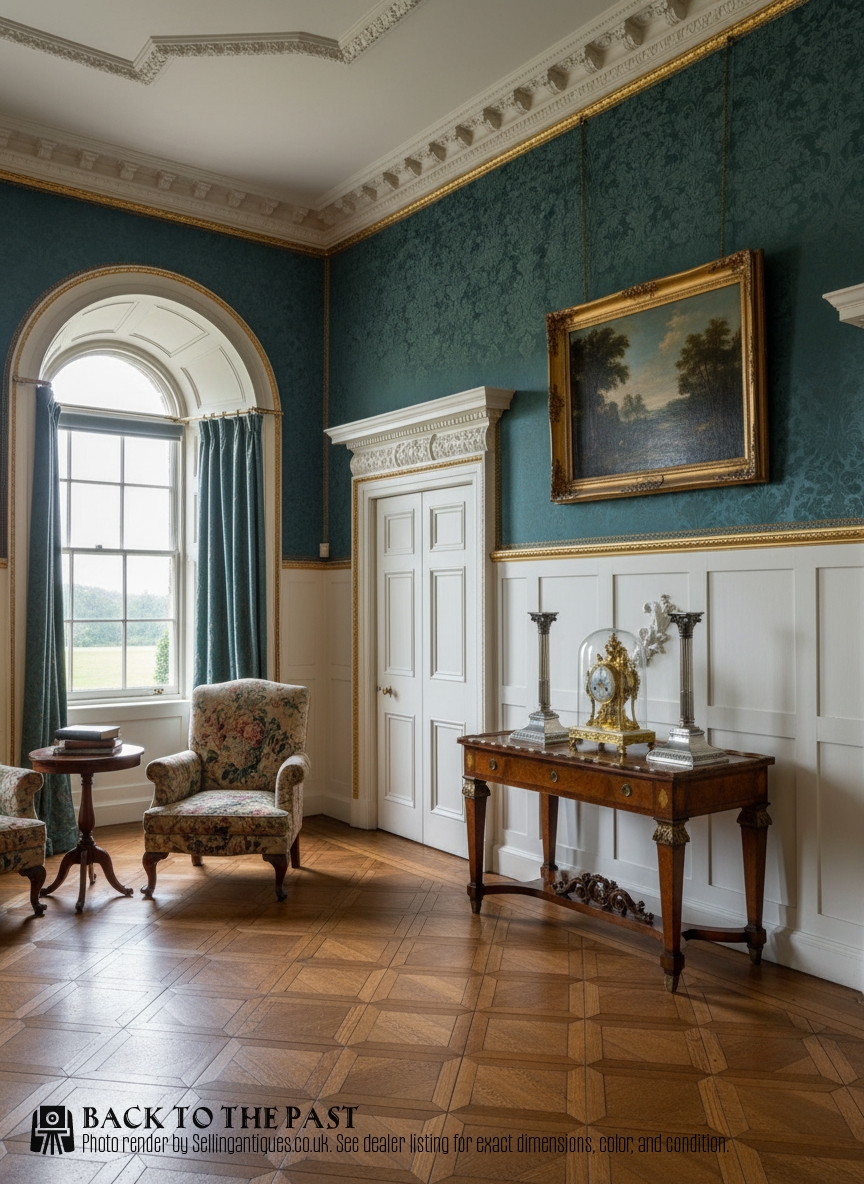
Tall Silver Candlesticks
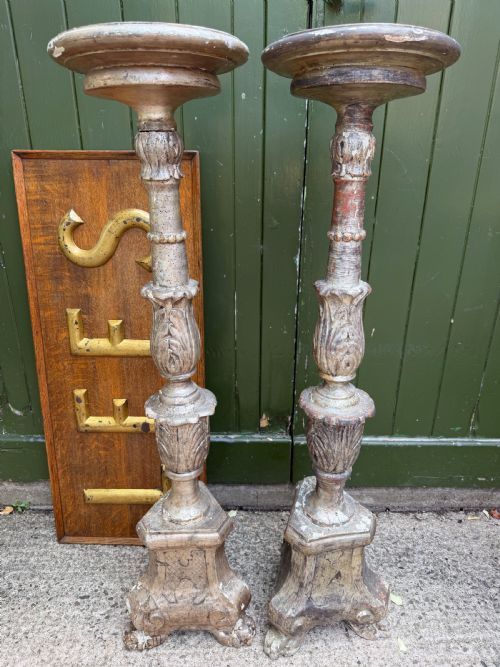
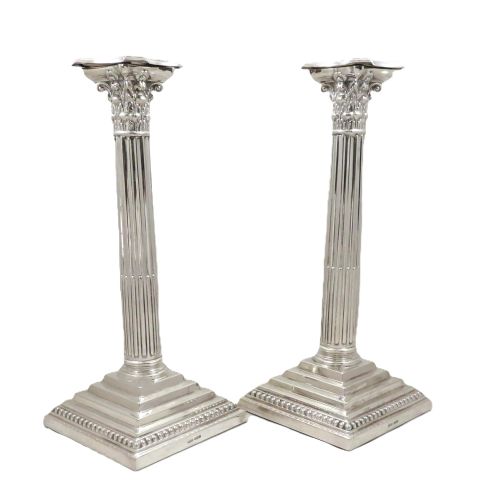
When you search for tall silver candlesticks, you encounter a surprisingly broad sweep of historical forms ranging from eighteenth-century Italian carved wooden altar pieces to twentieth-century Corinthian column designs. The pieces on this page span several centuries, mixing solid sterling silver, silver-plated metal, copper, and silver-leafed carved wood into impressive vertical statements.
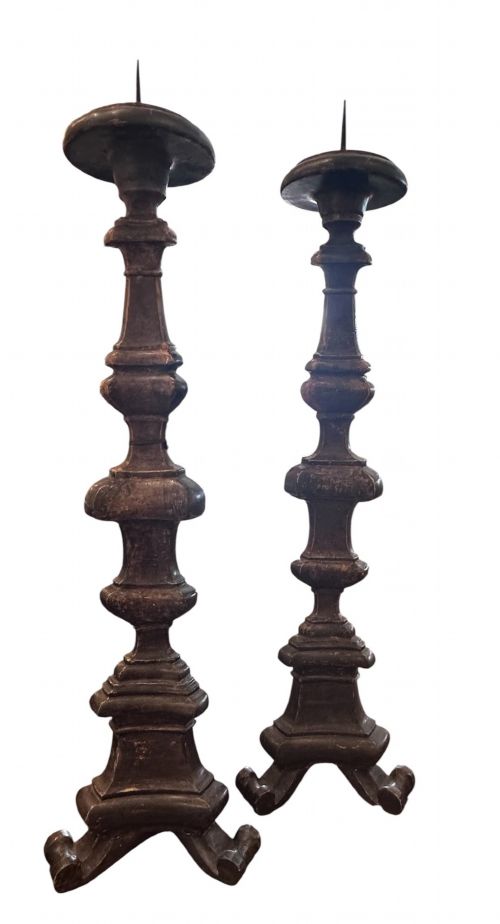
You are most likely to meet silver-plated column candlesticks from the Victorian and Edwardian periods, alongside substantial sterling silver examples from Birmingham and Sheffield makers. Italian carved wooden altar-style candle-stands and prickets also feature prominently, often finished in silver leaf or silvered mecca.
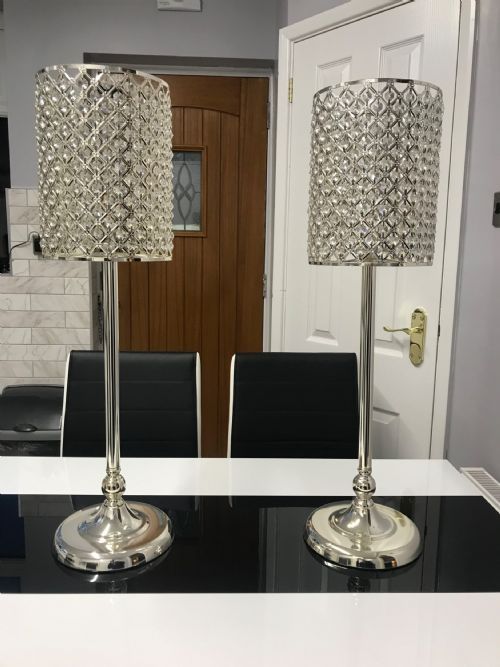
The selection encompasses diverse stylistic influences, including Neoclassical, Italian Baroque, Arts and Crafts, and Art Deco glamour. Whether configured for traditional candles or adapted as standard lamps and table chandeliers, these objects anchor a room with their notable height and reflective surfaces.
Materials and construction methods
Makers utilised solid sterling silver, heavy silver plating over copper or base metal, and carved wood finished with gesso and silver leaf. Sheffield plate and standard silver plating techniques provided the rich lustre of solid metal while keeping monumental forms structurally sound.
Carved wooden examples relied on skilled artisans shaping timber before applying layers of gesso, silver leaf, or silvered mecca varnishes to achieve an opulent metallic sheen. Metal columns and bases were frequently weighted internally to ensure stability at greater heights.
Details were cast, chased, or hand-carved, depending on whether the piece originated from a commercial silversmithing workshop or a bespoke woodcarving studio. Corinthian capitals and ornate rococo scrolls required meticulous hand-finishing to align structural components cleanly.
Listings feature items spanning the eighteenth century to the 1960s, encompassing sterling silver, silver-plate, copper, and silver-leafed carved wood.
Factors that distinguish the finest examples
The distinction between ordinary production and superior quality lies in the crispness of the casting and the depth of the hand-carving or chasing. Sharply defined acanthus leaves on a Corinthian capital or deeply articulated carving on a wooden altar stick reveal the hand of a master artisan.
Proportion and weight dictate the presence of the piece in a room, with superior items displaying balanced mass and substantial heft rather than hollow lightness. Original surface patination, intact silver leaf, and legible hallmarks further elevate the standing of a pair.
William Hutton·Mappin Bros·Deakin and Sons·Barker Ellis
The Tall Silver Candlesticks Glossary
- Corinthian column
- A classical architectural order featuring an ornate capital decorated with acanthus leaves, frequently utilised on late nineteenth and twentieth-century candlesticks.
- Pricket
- A sharp metal spike on a candlestick designed to skewer and hold a candle, commonly found on ecclesiastical altar pieces and pricket lamps.
- Sheffield plate
- An early form of composite metal made by fusing a thin sheet of silver to a thicker copper base, produced extensively during the eighteenth and nineteenth centuries.
- Silvered mecca
- A traditional Italian finishing technique involving silver leaf applied over a yellow gold-coloured varnish to impart a warm, aged metallic tone.
- Torchere
- A tall ornamental stand or candlestick originally designed to carry a torch or candle, often standing on a slender shaft.
Tall Silver Candlesticks: Frequently Asked Questions
How do I clean tarnished silver candlesticks?
Use a soft microfibre cloth and a gentle, non-abrasive silver polish formulated specifically for sterling silver or silver-plated items. Avoid harsh scrubbing that can wear through thin silver plating or damage delicate silver leaf surfaces.
Take extra care around weighted bases and raised ornamental details where polish can accumulate. Regular, gentle dusting is often sufficient to maintain the lustre without risking the patina.
How can I tell solid silver from silver plate?
Examine the piece closely for official hallmarks, which indicate solid sterling silver and typically include a standard mark, a town mark, and a date letter. Silver-plated items generally bear maker marks that denote plating techniques or lack formal silver assay stamps entirely.
Weight can also offer a clue, though many solid and plated candlesticks contain internal weighting materials for stability. When in doubt, a professional test can determine the precise metallic composition.
Are converted candlestick lamps easily reversed?
Conversion methods vary significantly depending on when the adaptation took place, ranging from non-destructive wiring run alongside the shaft to drilled structural modifications. Inspecting the top fitting and base reveals whether the original candle nozzle remains intact beneath the electrical components.
Reversing a conversion is straightforward if the original sconce was preserved during the wiring process. Consult a professional restorer if you intend to restore a lamp back to a functional candle holder.