

Tall Open Shelves
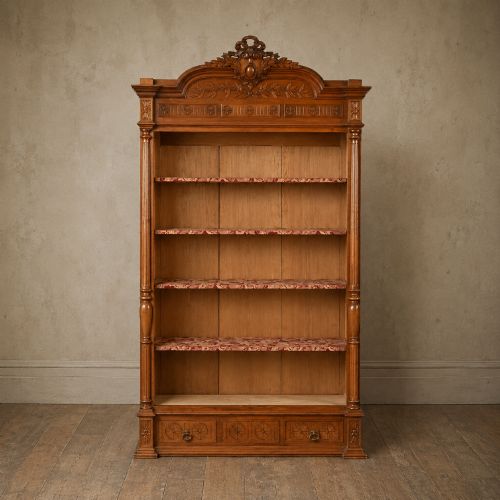
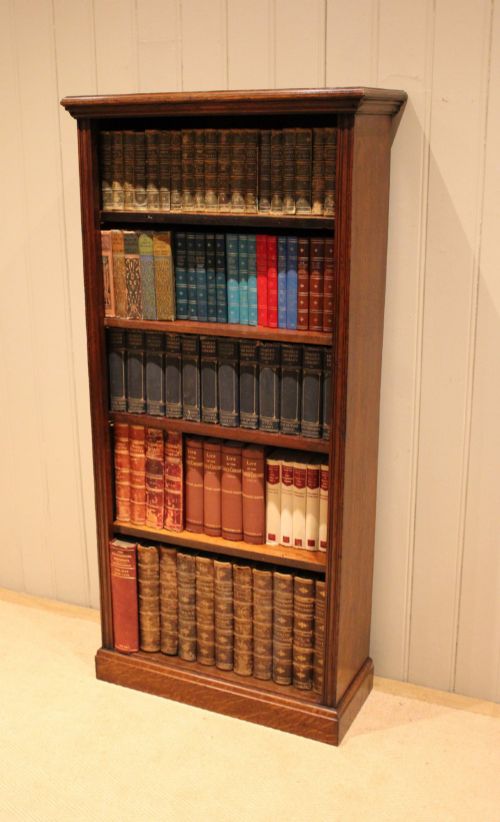
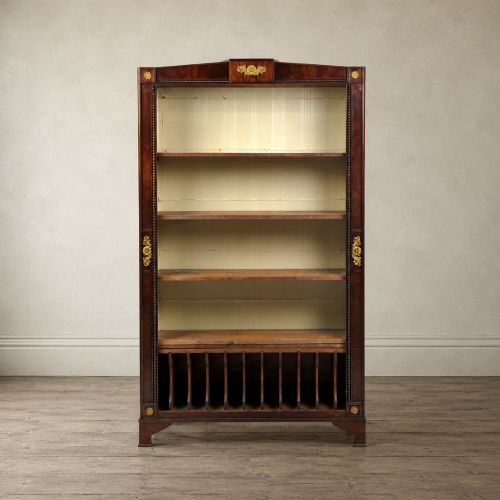
Tall open shelves provide accessible upright storage for libraries and rooms, spanning oak, mahogany, and walnut across Victorian and Edwardian periods.
Tall Open Shelves
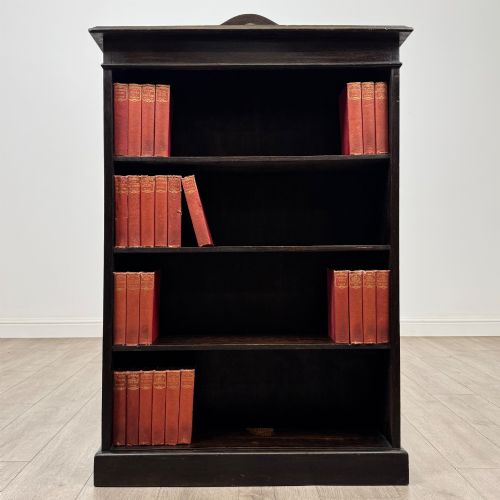
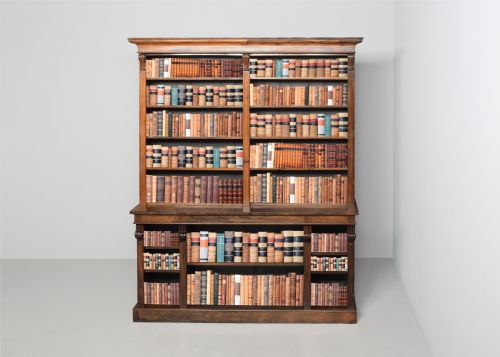
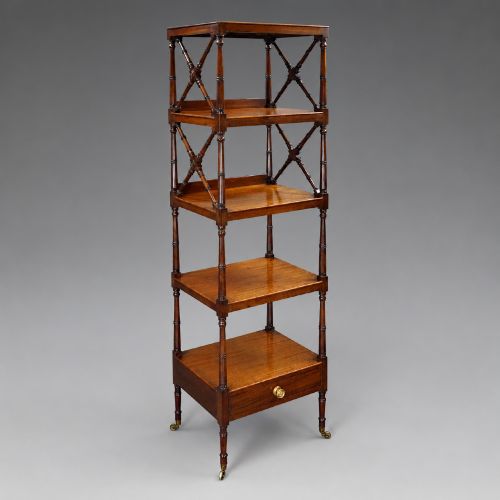
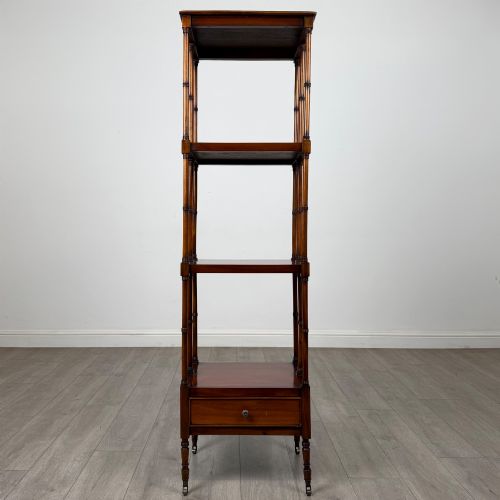
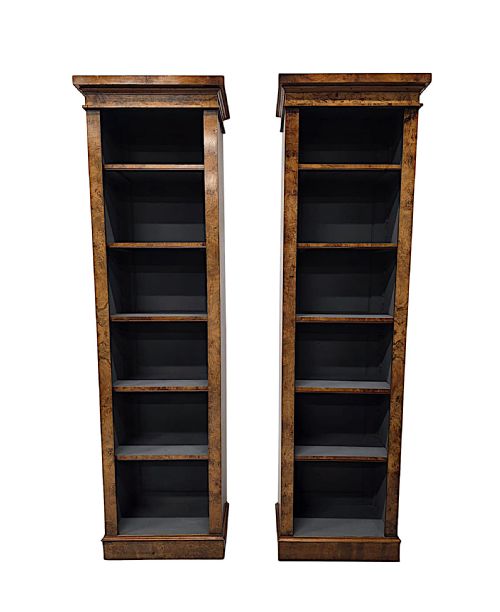
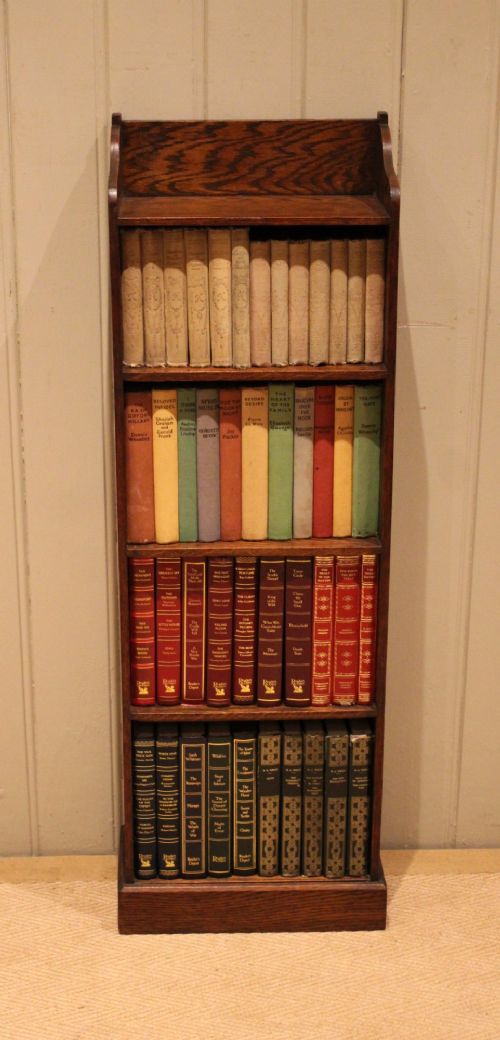
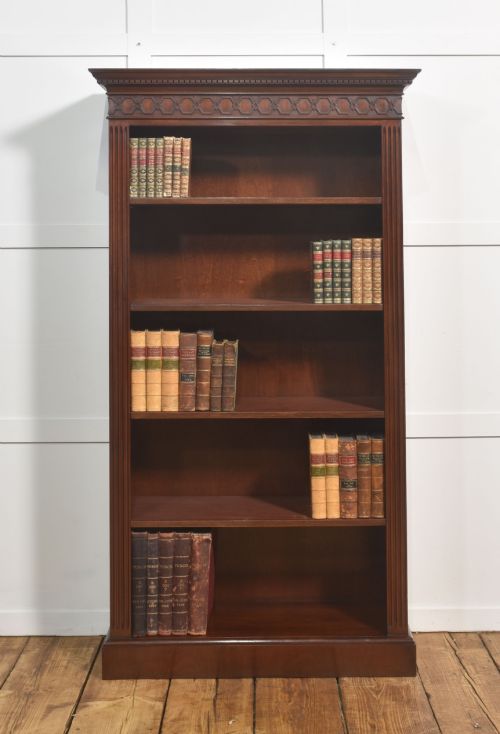
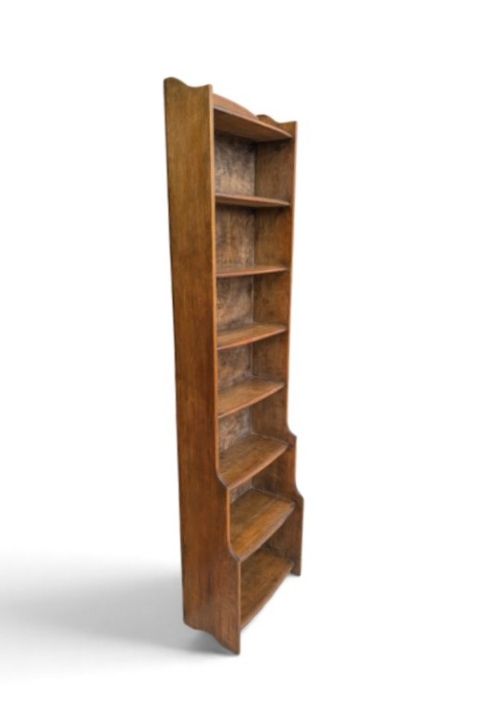
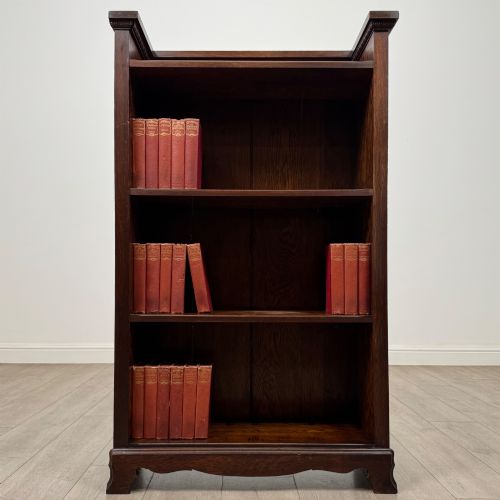
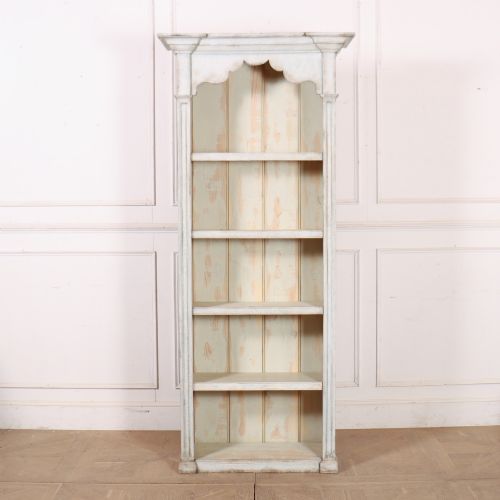
Tall open shelves comprise vertical wooden furniture designed for books and display, appearing as bookcases, whatnots, and library cabinets. When searching for tall open shelves, buyers encounter pieces spanning the nineteenth century through the early twentieth century.
How they were made
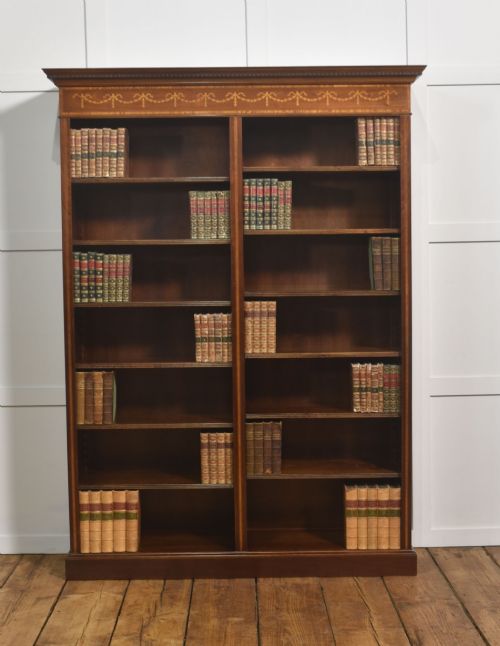
Cabinet makers utilised solid timbers including oak, mahogany, walnut, and pine, frequently applying decorative veneers such as burr walnut or satinwood. Brass embellishments and inlaid banding appeared on formal pieces from the Edwardian and Regency styles.
Construction methods involved pegged joints, carved solid wood, and adjustable shelf rack systems to accommodate volumes of varying heights.
The inventory records open bookcases, whatnots, and library cabinets equipped with adjustable shelving.
What varies in quality
Timber selection dictates the distinction between standard utility furniture and refined library pieces, with figured mahogany and burr walnut representing the higher tiers. The subtlety of carved ornamentation and inlaid marquetry further separates workshop production from standard output.
Structural integrity depends upon the original mechanics of adjustable shelving systems and the stability of upright columns over decades of service.
Wylie Lochhead·E.A. Taylor
The Tall Open Shelves Glossary
- Whatnot
- A tiered movable set of open shelves used for displaying ornaments or books, developed in the nineteenth century.
- Adjustable shelf
- A horizontal board supported on movable pegs or ratchets allowing users to alter vertical spacing.
- Inlaid
- A decorative technique where contrasting woods or brass are embedded flush into the primary timber surface.
- Cornice
- The ornamental moulding running round the top edge of a tall cabinet or bookcase.
- Plinth
- The heavy base block supporting the upright frame of large library furniture.
Tall Open Shelves: Frequently Asked Questions
How do I style tall open shelves?
Arrange books vertically alongside horizontal stacks to create visual balance across the tiers. Incorporate ceramics and small objects between volumes to break up dense rows of reading material.
Ensure heavier volumes rest on lower shelves to maintain physical stability while keeping decorative items near eye level.
Were these shelves always adjustable?
Many nineteenth and twentieth century library bookcases incorporated adjustable rack systems using wooden fillets or metal studs. This allowed owners to alter shelf heights for folios and smaller octavo volumes.
Fixed shelves remained common in simpler utility pieces and smaller provincial cabinets where uniform spacing sufficed.
What woods were commonly used?
Mahogany and oak predominate across the eras, with walnut and pine appearing frequently in Victorian and Edwardian rooms. Finer pieces utilised satinwood or burr walnut veneers for decorative impact.
Painted finishes also featured on continental and country furniture alongside traditional waxed timber surfaces.
How do I date a bookcase?
Stylistic markers such as Edwardian inlay work, Victorian carved mouldings, or Regency proportions provide initial dating clues. Construction details like saw marks, fixing types, and timber choice confirm the manufacturing period.
Archival records and maker signatures occasionally offer precise documentation for specific workshops.