
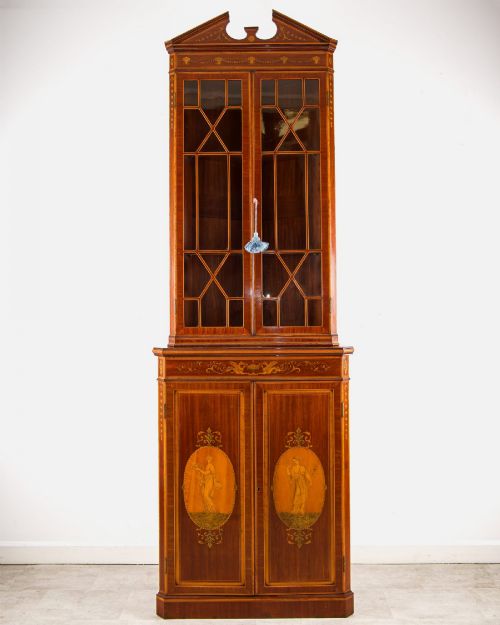

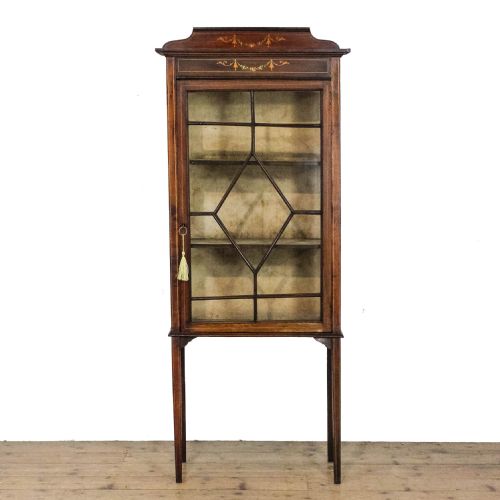


Tall Mahogany Vitrine
A tall mahogany vitrine offers an upright glazed enclosure to exhibit treasured objects, bringing structured elegance to any room.
Tall Mahogany Vitrine
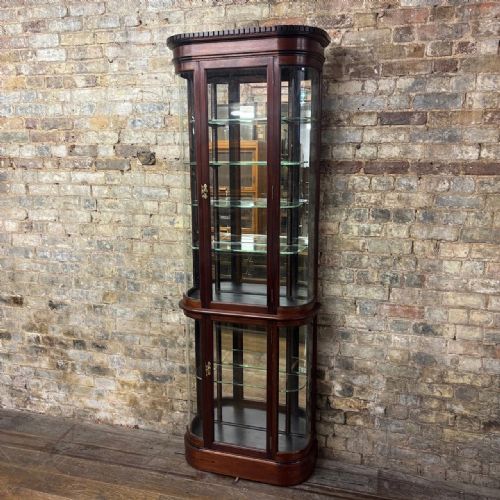
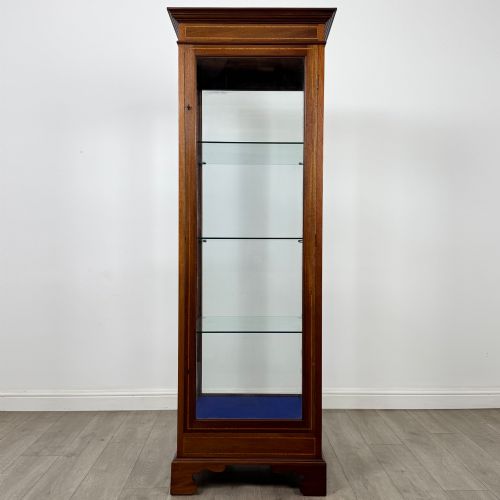
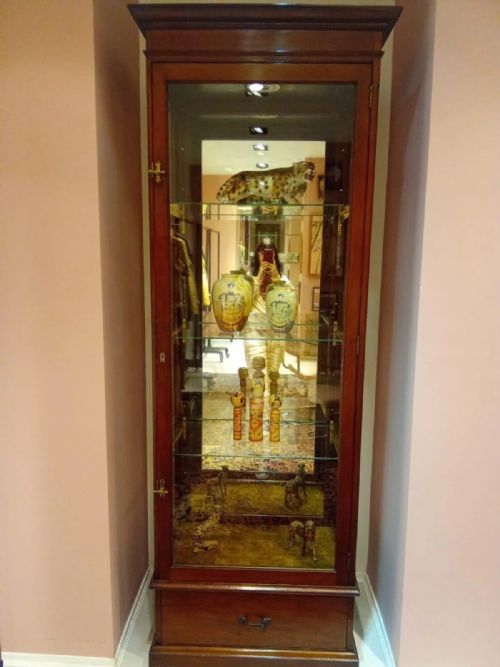
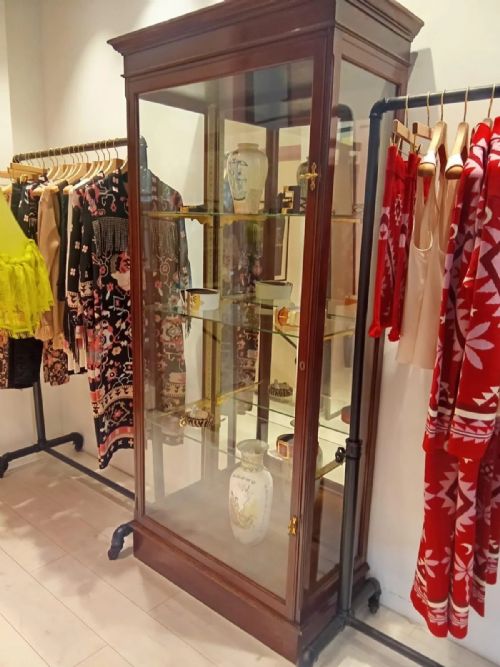
A tall mahogany vitrine takes the form of an upright display cabinet, bookcase, or corner cabinet designed to showcase collections behind glass. These pieces emerge primarily from the Edwardian era and the nineteenth century, reflecting periods that favoured formal display.
The version most commonly met on this page is the Edwardian display cabinet, often featuring glazed doors, adjustable glass shelves, and upright proportions. Alongside these, buyers encounter shop display cabinets, corner cabinets, and narrow bookcases built from timber.
Origins span British and continental workshops, incorporating styles such as Gothic Revival, Art Nouveau, Neoclassical, and Georgian Revival. Each piece serves to elevate domestic or commercial interiors by combining timber structure with generous viewing panels.
What varies in quality
Quality reveals itself in the choice of timber and the precision of the cabinetmaker's joinery. Fine examples display carefully selected mahogany grains and crisp wood veneer work rather than flat, uniform surfaces.
Decorative elements such as boxwood inlay, satinwood crossbanding, and astragal glazing demonstrate the maker's skill. The integration of functional hardware, sturdy glass shelves, and well-fitted doors separates standard production items from finer craftsmanship.
Listings feature mahogany, satinwood, and boxwood inlay across Edwardian, Victorian, and early twentieth-century display cabinets.
E. Pollard & Co. Ltd.
The Tall Mahogany Vitrine Glossary
- Astragal glazing
- Framework holding individual panes of glass within a door or window. These thin wooden bars create geometric patterns across the view.
- Crossbanding
- A strip of veneer applied perpendicular to the surrounding grain. This technique frames panels with a contrasting border of wood.
- Bijouterie cabinet
- A shallow display table or cabinet designed specifically for jewellery and small valuables. These pieces often incorporate glazed lids or upper sections.
- Pedestal cabinet
- An upright, narrow piece designed to elevate objects above floor level. They occupy minimal footprint while offering vertical display space.
Tall Mahogany Vitrine: Frequently Asked Questions
What is a tall mahogany vitrine used for?
These cabinets serve to display porcelain, silver, books, and collections while protecting them from dust. The glazed panels and glass shelves allow light to pass through the interior.
Historically, they functioned in both domestic drawing rooms and commercial shops to present valuable merchandise to visitors.
How do I date a mahogany vitrine?
Dating relies on observing stylistic markers, construction methods, and timber treatments across different decades. Edwardian pieces often display delicate inlay and satinwood crossbanding.
Nineteenth-century examples tend to feature heavier timber proportions and distinct revival styles like Gothic or Neoclassical.
Where should I place a tall vitrine?
Position the cabinet against a stable interior wall away from direct sunlight to protect timber finishes and interior fabrics. Ensure the floor is level so the glazed doors hang true and open smoothly.
Allow sufficient clearance around the piece for viewing and accessing the interior shelves.
Are the glass shelves adjustable?
Many display cabinets feature adjustable glass shelves supported by brackets within the interior. This flexibility accommodates objects of varying heights.
Older shop display variants and specific narrow cabinets may use fixed shelf arrangements depending on their original commercial purpose.