

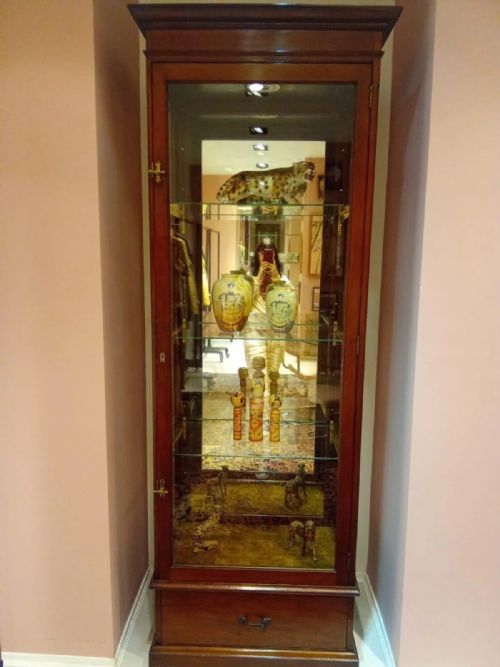
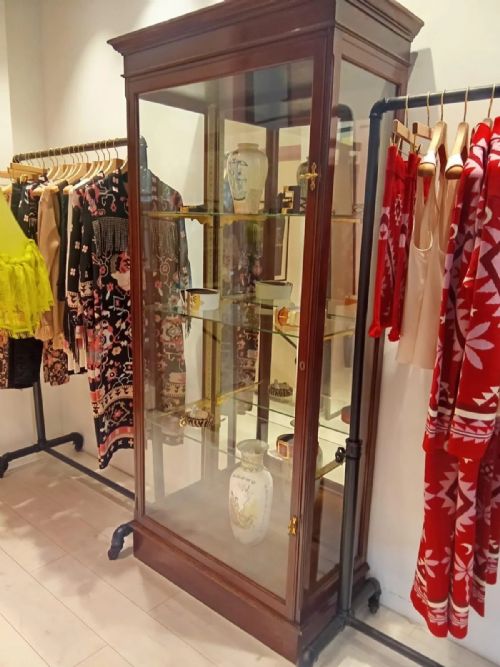
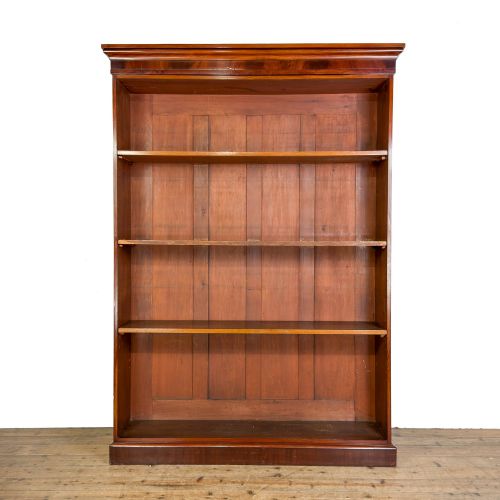
Tall Mahogany Display Cabinet
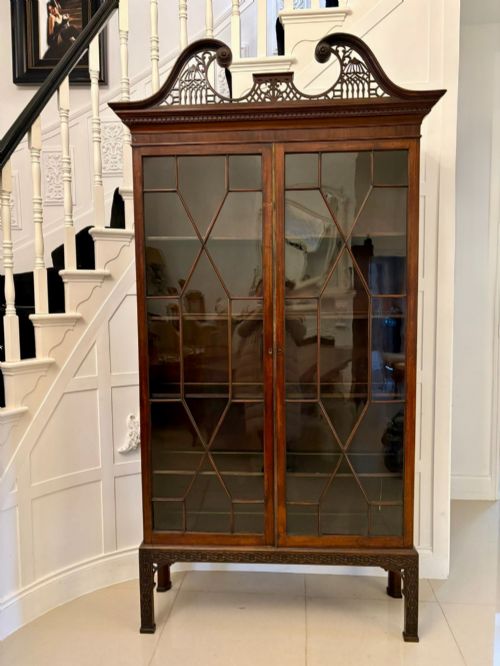
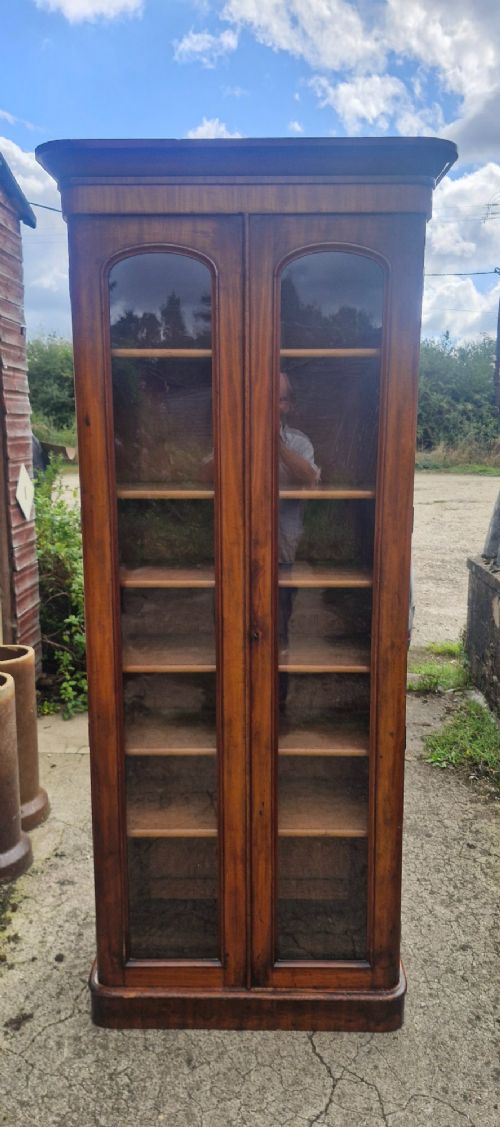
A tall mahogany display cabinet stands as a commanding piece of furniture designed to show off prized possessions while keeping them safe behind glass.
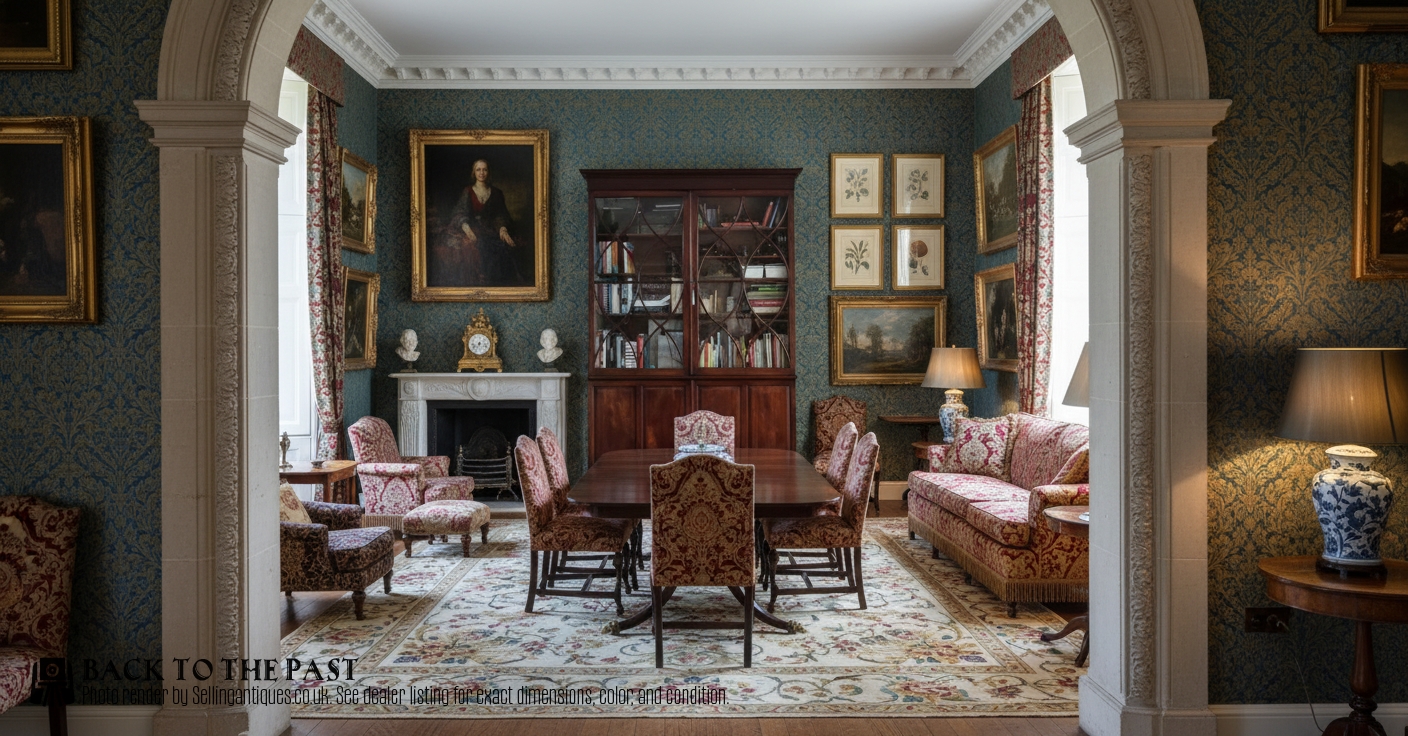
Tall Mahogany Display Cabinet
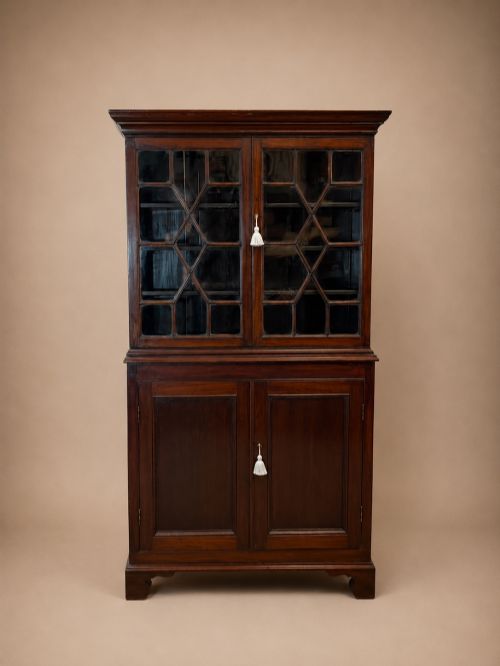
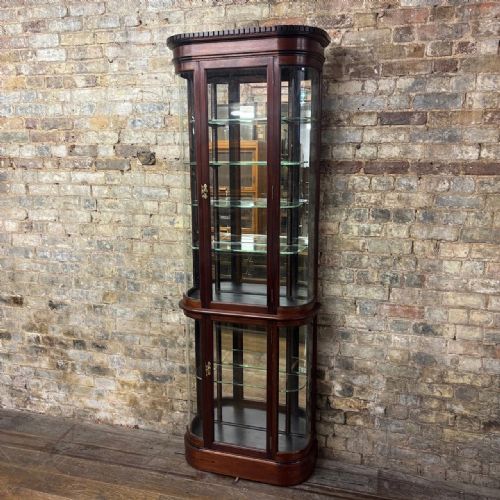
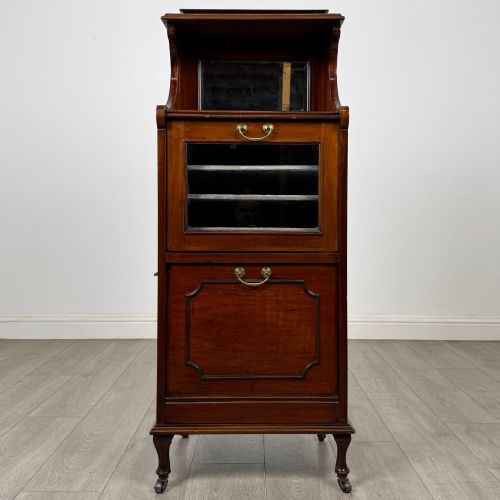
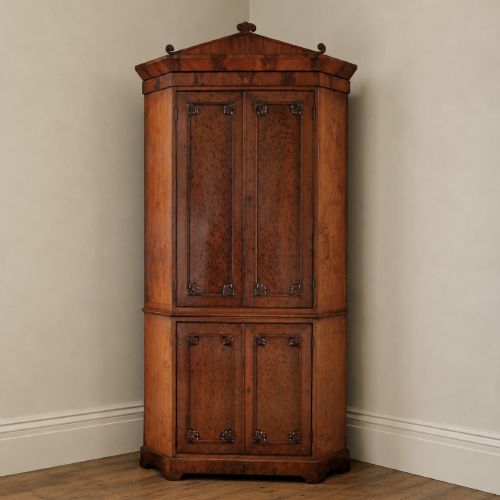
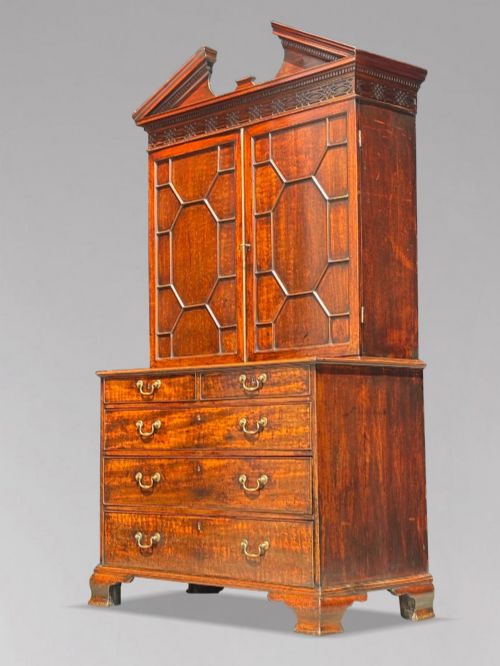
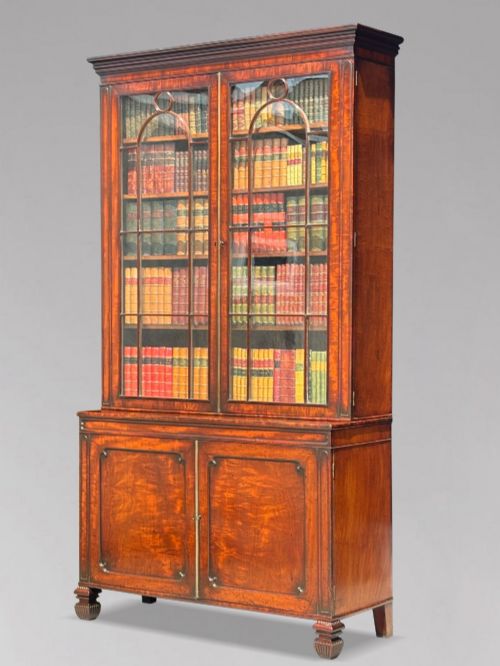
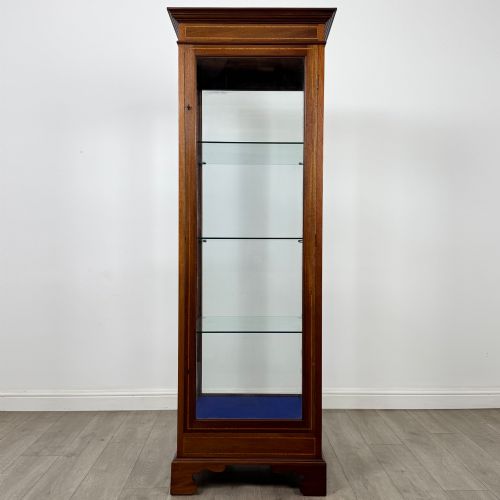
When you search for a tall mahogany display cabinet, you meet pieces built to hold books, china, and curated collections across the eighteenth, nineteenth, and early twentieth centuries. The selection ranges from grand Georgian library bookcases with astragal glazing to Edwardian shop display cabinets and freestanding upright corner cupboards.
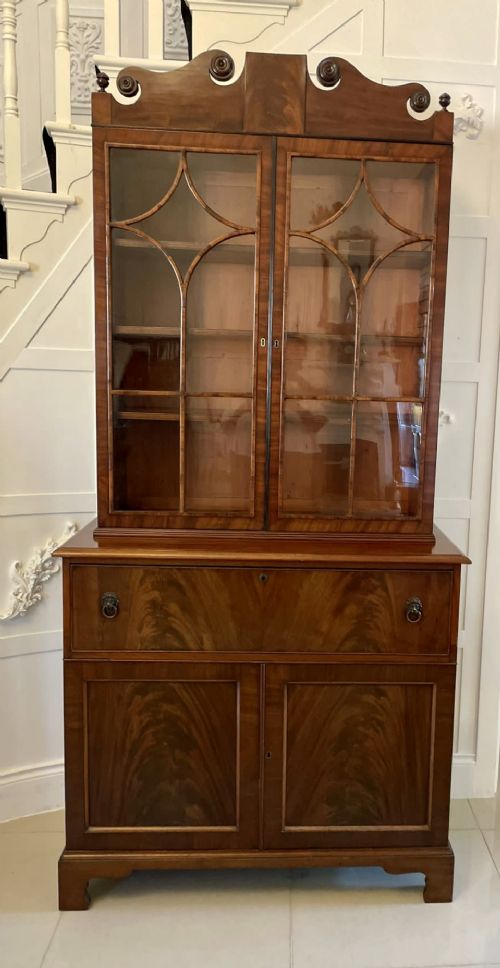
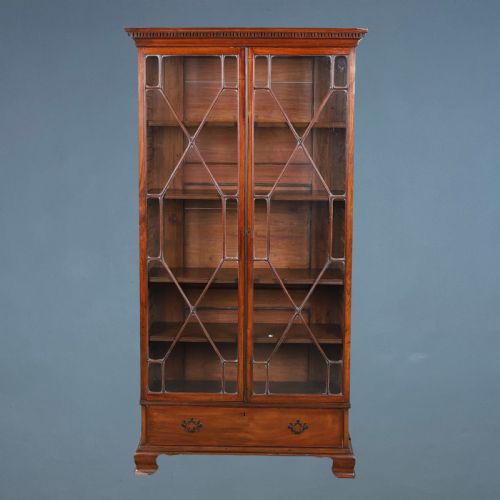
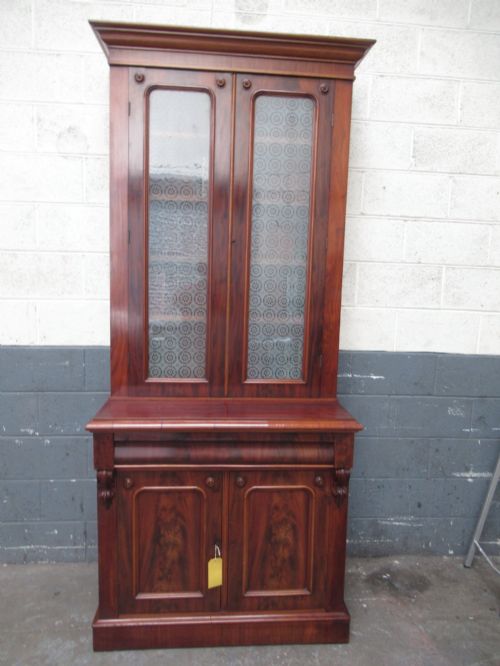
Most examples combine an upper glazed section for visibility with lower wooden doors or drawers for concealed storage. You encounter variations spanning formal Regency styling, Gothic Revival accents, and simpler Edwardian forms designed for domestic interiors or commercial display.
How They Were Made
Cabinet makers utilised solid mahogany and dense mahogany veneers applied to secondary woods, often accentuating the primary timber with satinwood and boxwood stringing or inlay. The glazing bars, known as astragals, divide the large glass panels into intricate geometric or curved patterns that require precise carpentry.
Internal arrangements typically feature adjustable wooden or glass shelves supported by brass fittings. Many items incorporate functional period elements such as working brass locks, keys, and integrated secretaire drawers fitted with small compartments.
Several cabinets preserve their original working keys, ensuring the nineteenth-century locks still secure the treasures inside.
What Varies in Quality
The standard of a tall mahogany display cabinet rests on the choice of timber figure, such as the richness of plum pudding mahogany or the depth of grain in Georgian examples. Finer pieces display meticulous hand-carved mouldings, well-balanced proportions, and delicate inlay work that demonstrates the maker's proficiency.
Construction details distinguish workshop standards, including the thickness of the glass, the tightness of the mitred joints in the glazing bars, and the weight of the brass hardware. Pieces originating from known cabinet makers or documented firms often exhibit superior interior secondary woods and more refined finishing.
Gillows·Marsh & Tatham·S and H Jewell London
The Tall Mahogany Display Cabinet Glossary
- Astragal glazing
- Wooden bars that divide a glass window into smaller panes within a door or cabinet front. This method provides structural support while creating a decorative grid pattern.
- Secretaire bookcase
- A tall cabinet featuring a pull-out writing drawer with a drop-front desk surface concealing small drawers and pigeonholes. It combines library storage with a compact writing station.
- Bijouterie cabinet
- A glass-topped display case designed specifically for small valuables, medals, and trinkets. These tables and cabinets elevate the items closer to eye level for detailed inspection.
- Corner cupboard
- A triangular or bowfront cabinet engineered to fit neatly into the corner of a room. They make efficient use of difficult architectural space while offering display capacity.
Tall Mahogany Display Cabinet: Frequently Asked Questions
How do I date a mahogany cabinet?
Dating relies on examining construction methods, timber choice, and architectural style markers. Georgian pieces often feature hand-cut dovetails and lighter astragal proportions, whereas Edwardian examples may show machine-sawn elements and distinct inlay styles.
Hardware and secondary woods also offer clues. Hand-forged iron screws and oak drawer linings point to earlier centuries, while later pieces incorporate standardised brass fixings and pine or deal internals.
Are the shelves adjustable?
Many tall mahogany display cabinets feature adjustable shelving systems supported by wooden bearer strips, metal rack plates, or brass pins. This allows you to alter the interior layout to accommodate books or taller display items.
Earlier eighteenth-century pieces sometimes have fixed shelves secured into the cabinet carcase. Checking the interior sides reveals whether vertical slots or support strips are present.
How do I care for antique mahogany?
Protect the timber by keeping the cabinet away from direct sunlight and strong heat sources such as radiators. Consistent indoor humidity prevents the mahogany and its veneers from drying out and splitting.
Clean the surfaces with a soft, dry cloth rather than modern silicone polishes. Applying a traditional beeswax occasionally helps nourish the wood and maintain its natural lustre.