

Tall Gold Lamp
A tall gold lamp brings height and metallic warmth to a room, drawing the eye upward with period presence.
Tall Gold Lamp
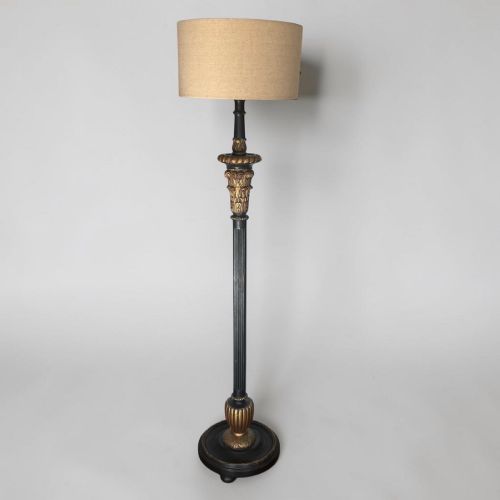
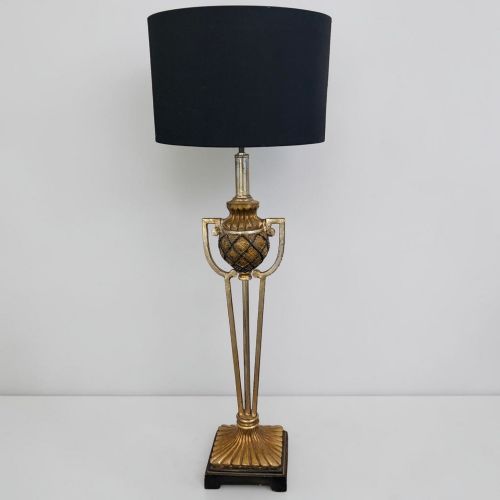
A tall gold lamp provides substantial vertical illumination and decorative weight for a traditional interior. When searching for a tall gold lamp, buyers encounter various forms including standard lamps, floor lamps, and converted candlesticks dating from the eighteenth century to the twentieth century.
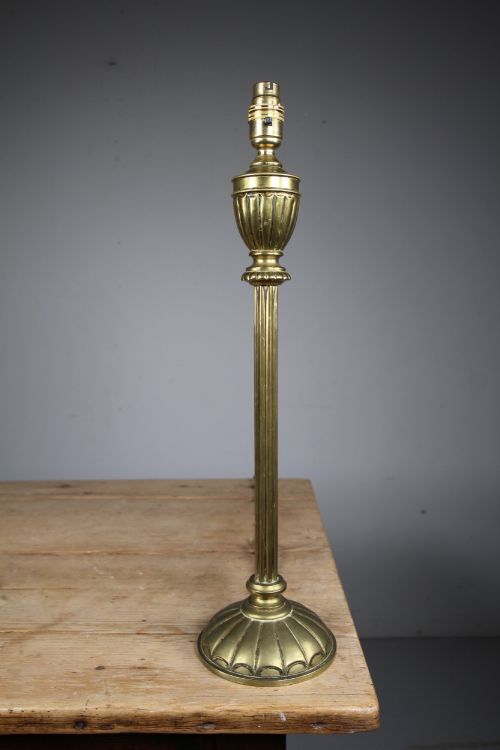
The selection on this page leans heavily toward nineteenth-century and early twentieth-century examples rendered in brass and giltwood. Makers and craftsmen of these periods utilised classical columns, twist turnings, and ornate bases to create imposing vertical silhouettes.
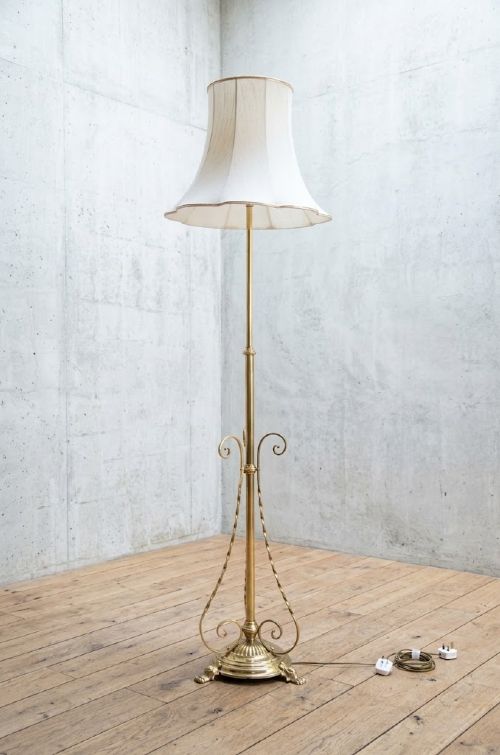
Common regional origins span England, France, and Italy, bringing distinct stylistic markers such as Corinthian capitals, French neoclassical motifs, and Italian baroque carving. These tall lighting pieces frequently served as floor-standing lanterns or adjustable reading lights in period homes.
How they were made
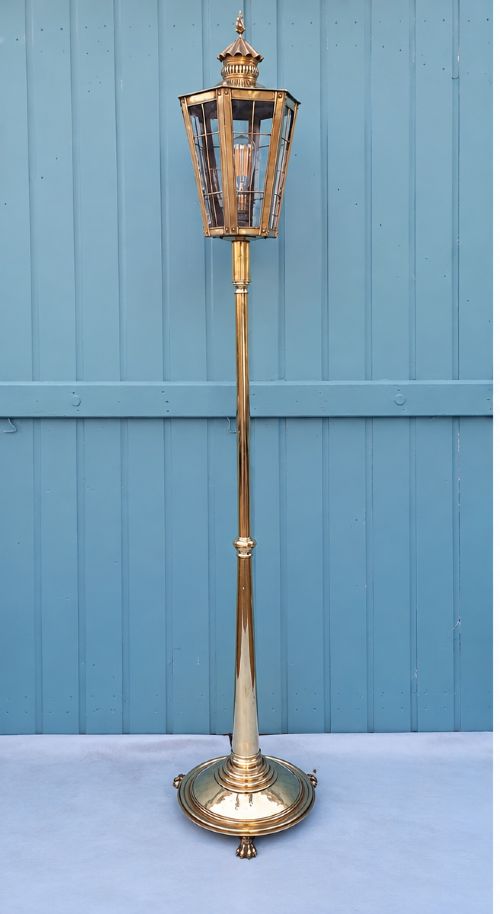
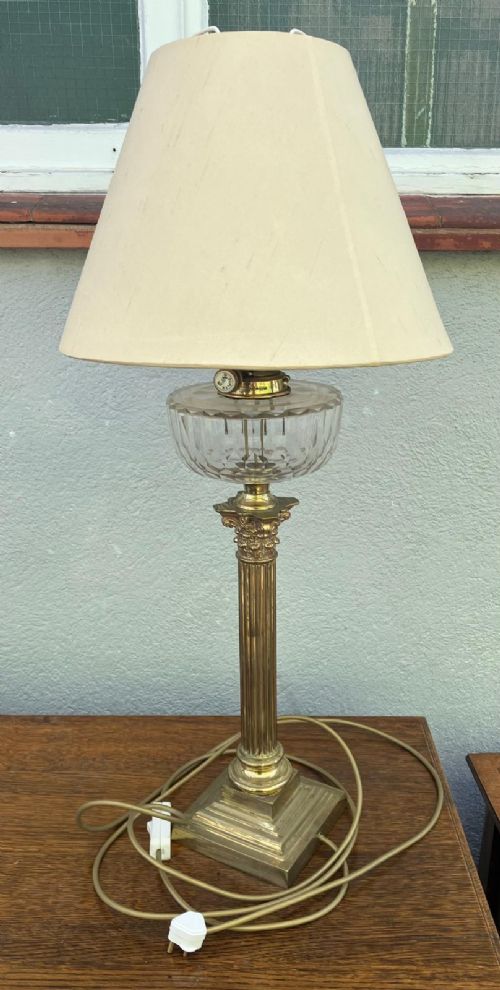
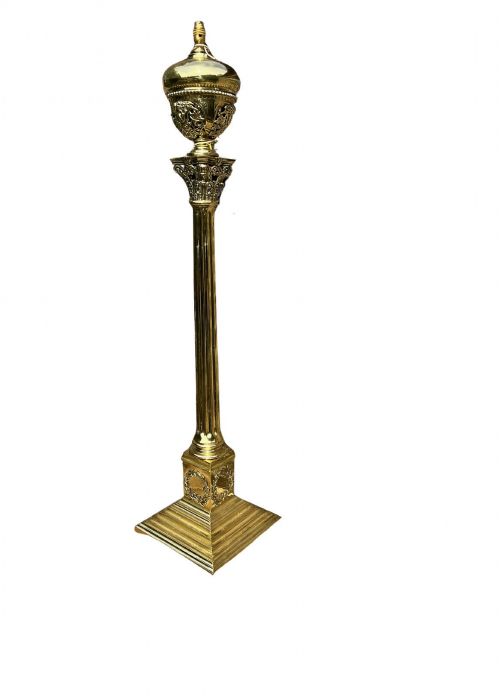
Metal versions rely primarily on cast and turned brass, sometimes paired with marble bases or crystal components for added stability and reflection. Artisans also employed ormolu and tole finishes to achieve varied metallic sheens.
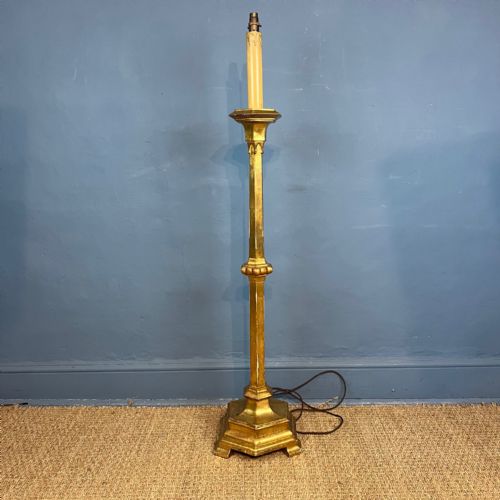
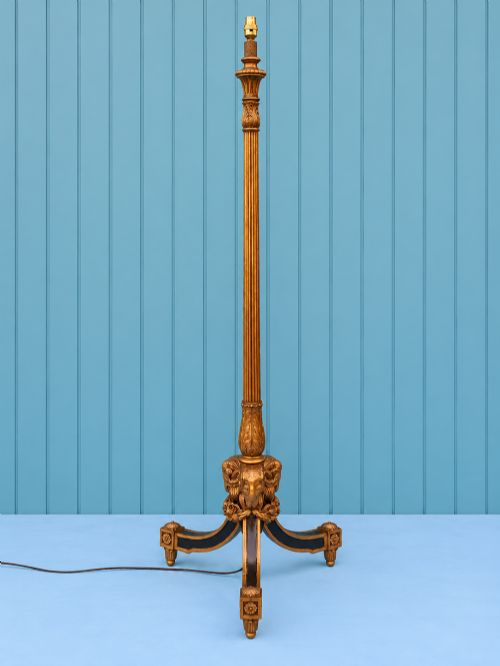
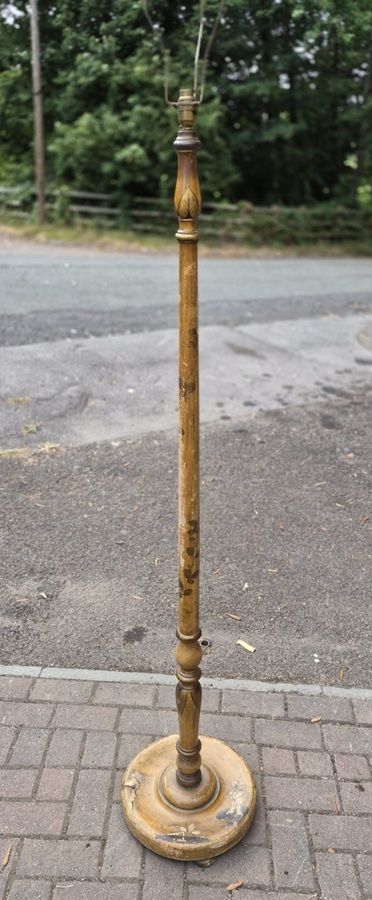
Wooden examples utilise carved giltwood, gesso, and parcel gilt techniques over timber bases. Craftsmen applied thin gold leaf layers to carved surfaces, creating the rich golden appearance characteristic of Spanish altar candlesticks and Italian floor lamps.
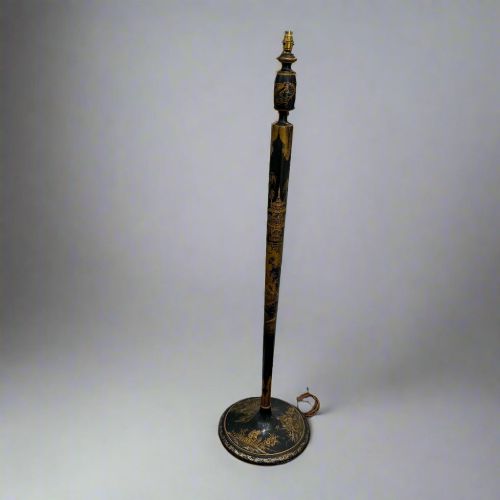
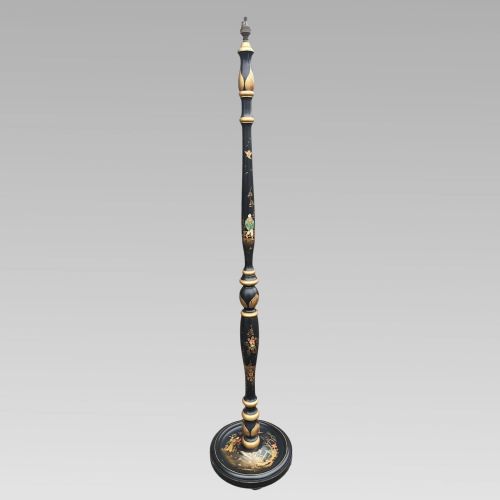
Surface ornamentation often includes lacquered chinoiserie finishes in black and gold, applied by hand to wooden columns and bases. Fabric shades complete many of the surviving table and standard lighting designs.
Tall Gold Lamp Retail Price Guide 2026
Typical asking prices for tall gold lamp among the pieces listed under this phrase on Sellingantiques today, from the lower quarter to the upper quarter. They describe what is for sale here now, not the wider market.
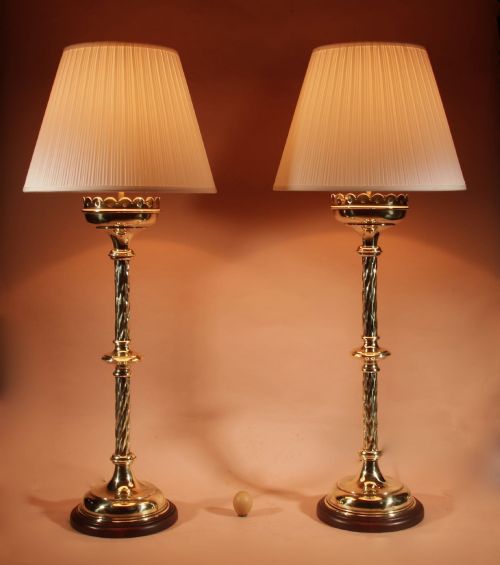
Several twisted wooden shafts record the cheerful ambition of past turners reaching for dizzying heights.
What varies in quality
The refinement of the carving or casting defines the upper tier of these pieces. Crisp details on Corinthian column capitals and deeply undercut foliage on giltwood demonstrate superior craftsmanship.
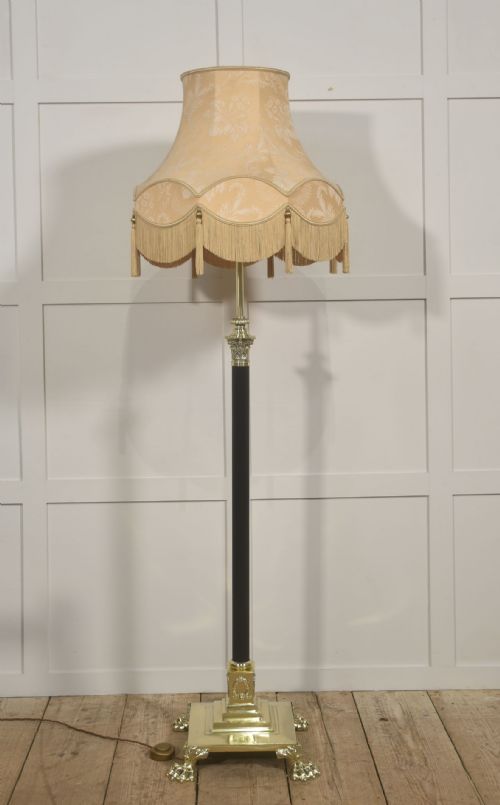
Proportion and material integrity distinguish standard examples from finer works. Solid brass columns with adjustable stems and heavy marble or onyx elements offer better structural balance than lighter substitutes.
The Tall Gold Lamp Glossary
- Giltwood
- Wood that has been covered with a thin layer of gold leaf or gold paint. This technique creates a rich decorative surface seen on many antique standard lamps and candlesticks.
- Ormolu
- Finely chased and gilt bronze used for decorative mounts and lamp components. It provides a bright golden finish popular in French designs.
- Standard lamp
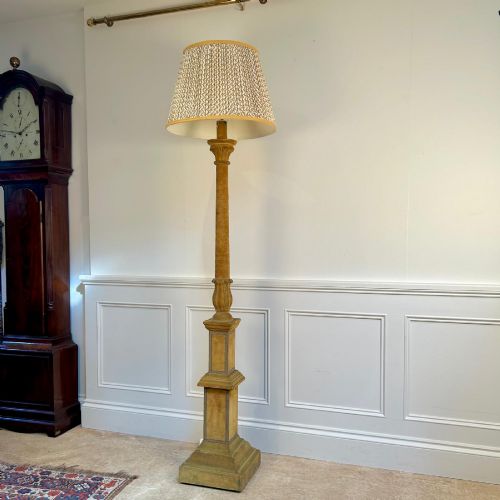
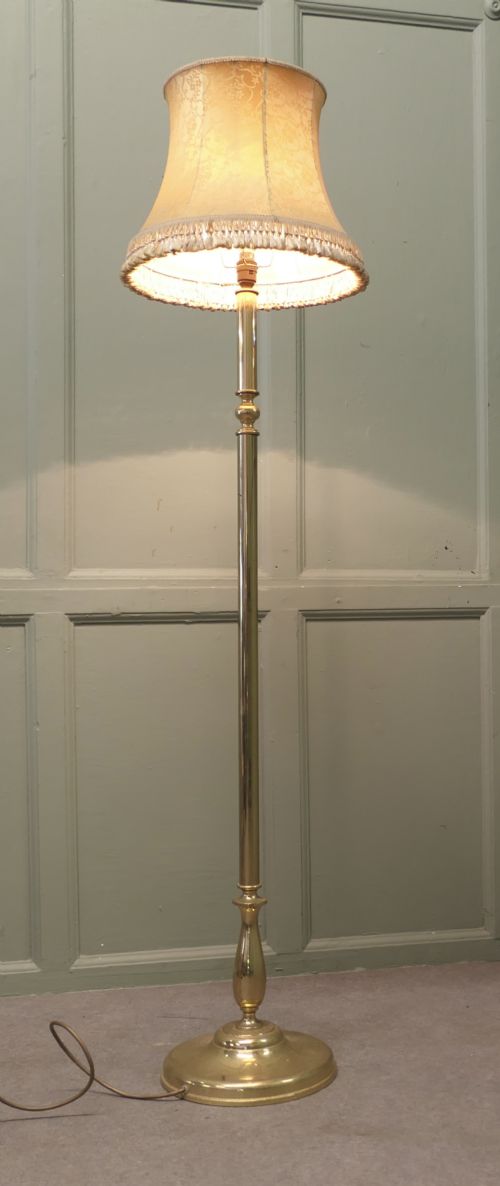
- A traditional British term for a floor lamp. These tall vertical fixtures usually stand beside armchairs or in room corners.
- Corinthian column
- A classical architectural column style featuring ornate carved capitals decorated with acanthus leaves. Many nineteenth-century brass lamps adopt this distinct vertical form.
- Chinoiserie
- European decorative art imitating Chinese and East Asian artistic styles. These pieces often feature black lacquer painted with gold motifs.
Tall Gold Lamp: Frequently Asked Questions
Where should I place a standard lamp?
These tall floor fixtures suit corners of reception rooms or beside reading chairs where they cast ambient light downward.
Ensure the height matches your ceiling proportions so the vertical form commands the space effectively without overwhelming smaller furnishings.
How do I identify a nineteenth-century brass lamp?
Examine the weight, casting quality, and assembly methods used in the metal components. Nineteenth-century examples often feature heavy cast brass bases and classical column designs.
Check for honest signs of age on the metal surface, which develops a natural patina over decades of use.
What is a converted candlestick lamp?
A converted piece started life as a tall altar stick or dining candlestick before being adapted for electrical wiring later. Eighteenth and nineteenth-century giltwood and brass candlesticks frequently underwent this transformation.
This adaptation preserves ancient carving and turning work while allowing modern daily use.
How do I care for giltwood finishes?
Dust giltwood surfaces gently with a soft, dry cloth to protect the delicate gold leaf layer. Avoid liquid polishes and abrasive cleaners that can damage the underlying gesso.
Keep these lamps away from direct heat sources and strong sunlight to prevent the gilded surface from cracking or fading.