

Tall Glass Display
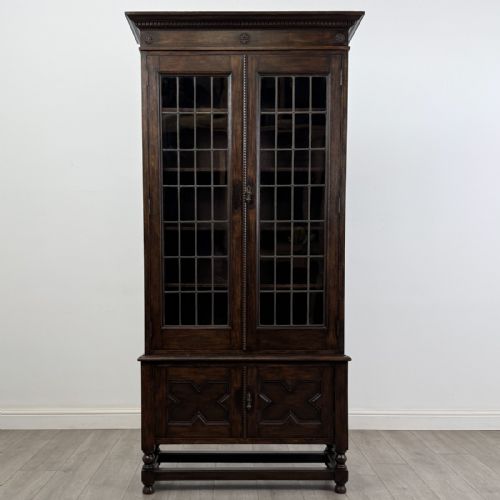
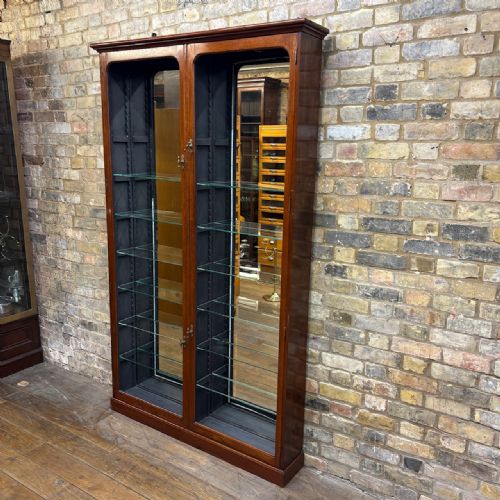
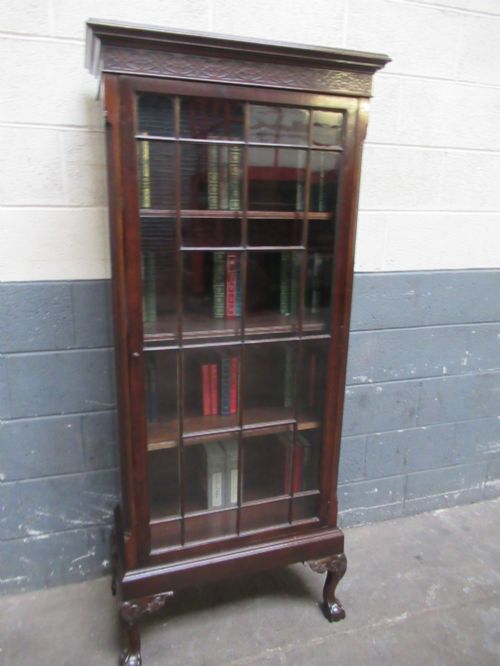
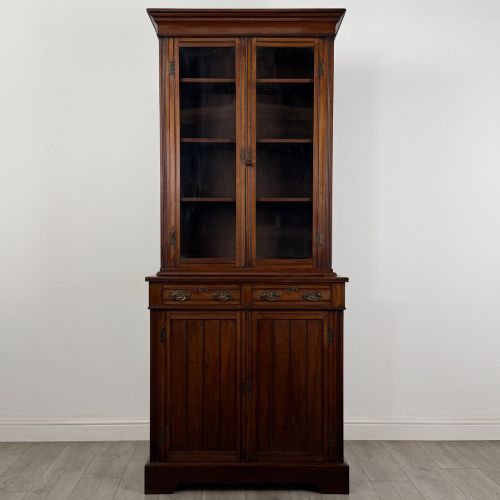
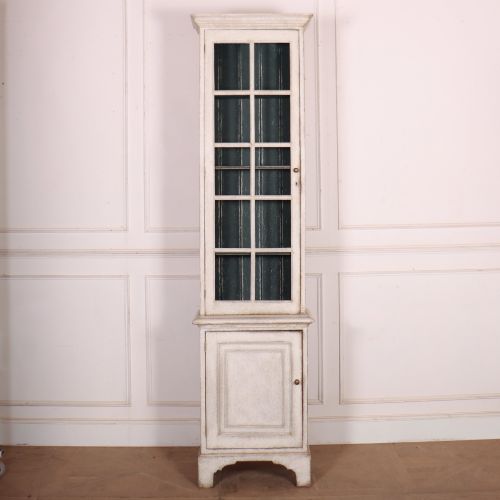
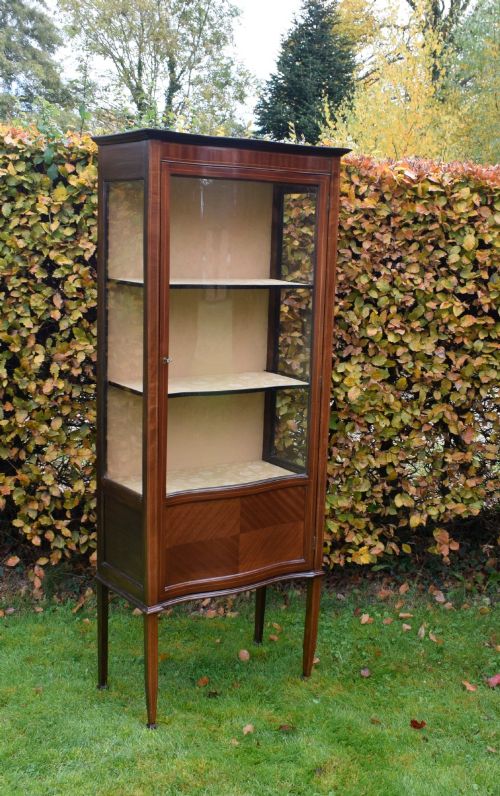
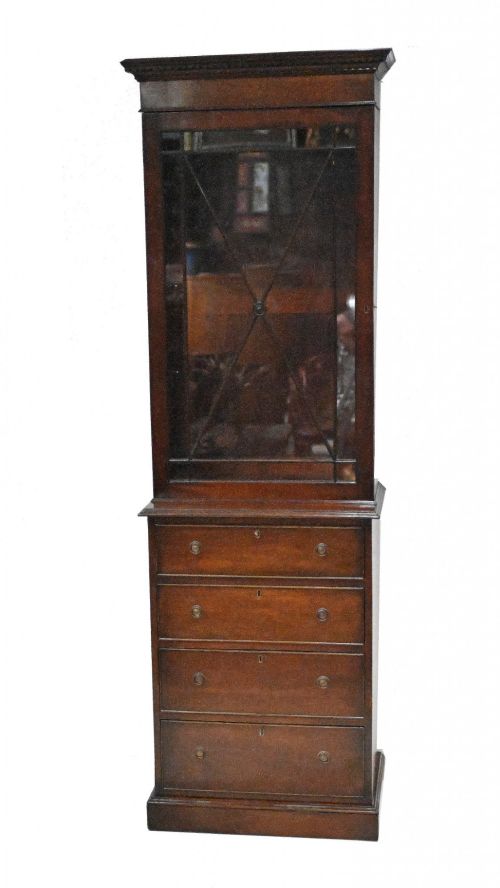
Tall glass display pieces range from slender mahogany cabinets to towering shop vitrines, designed to protect precious objects while keeping them fully visible.
Tall Glass Display
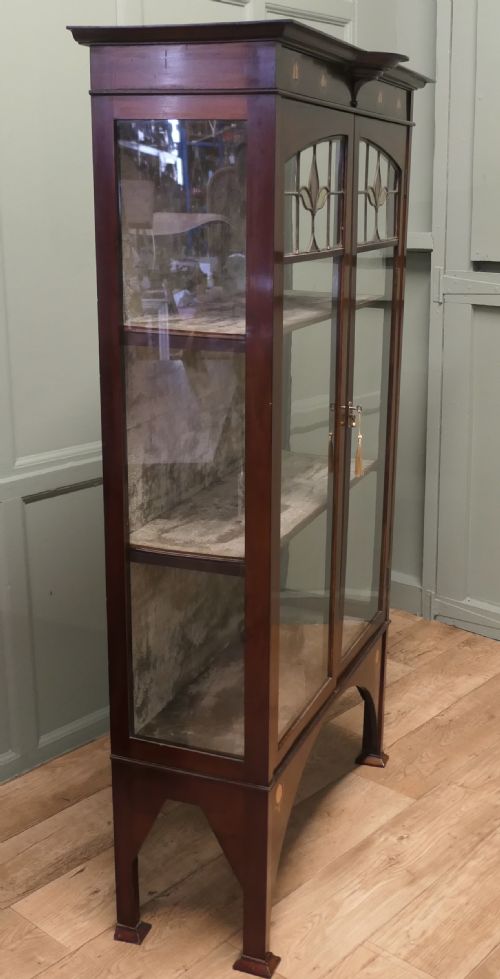
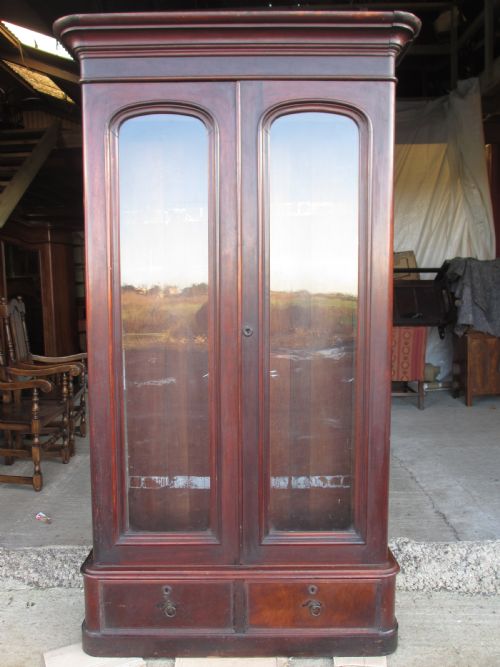
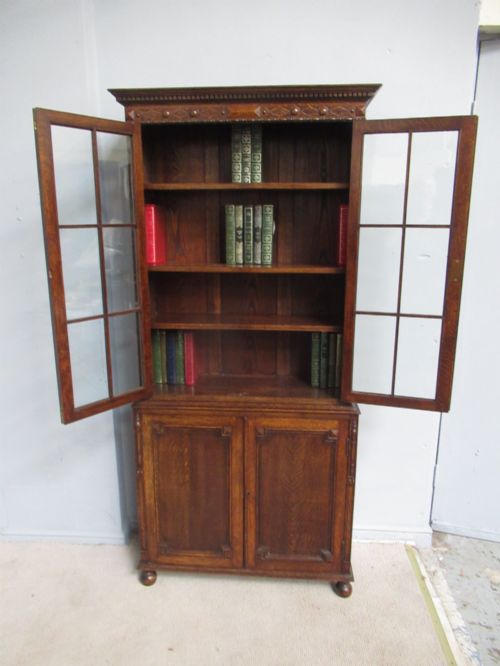
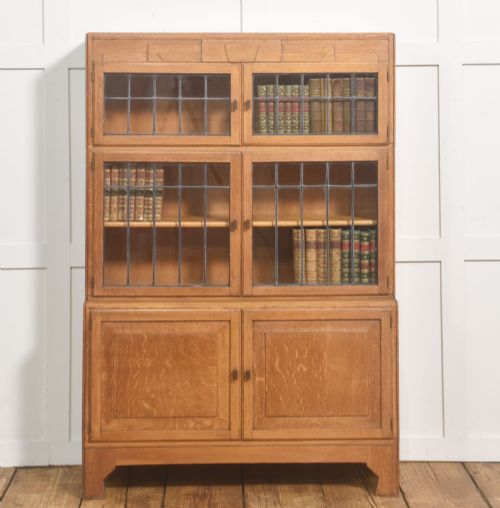
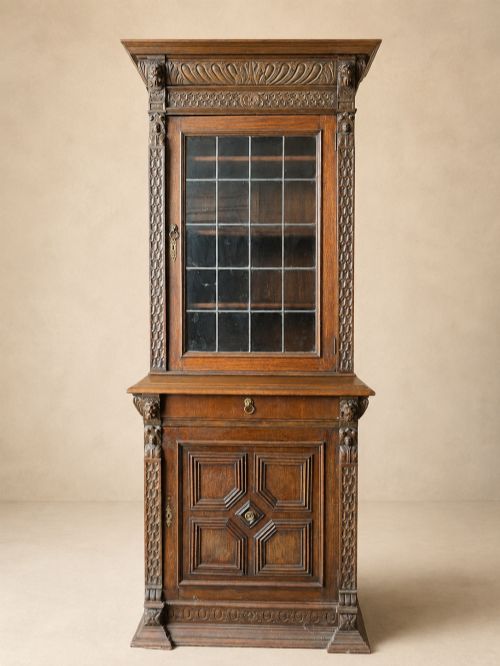
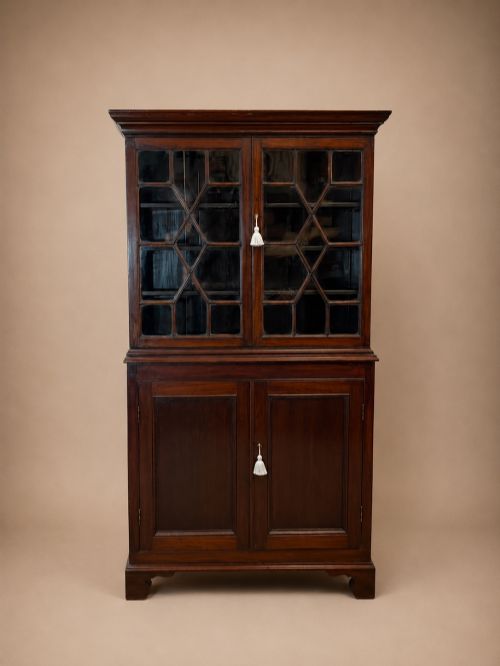
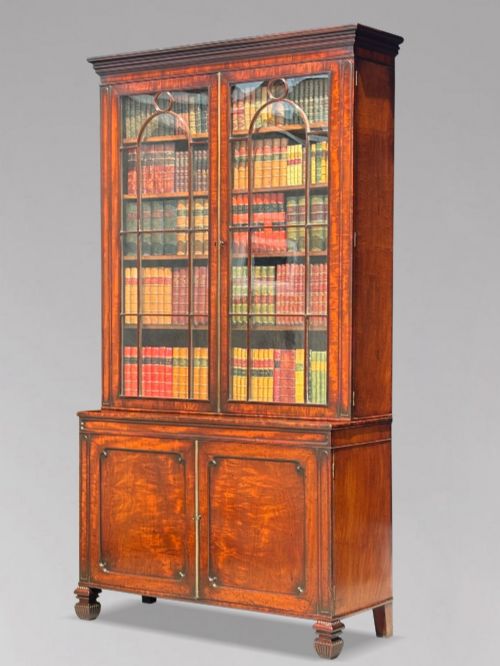
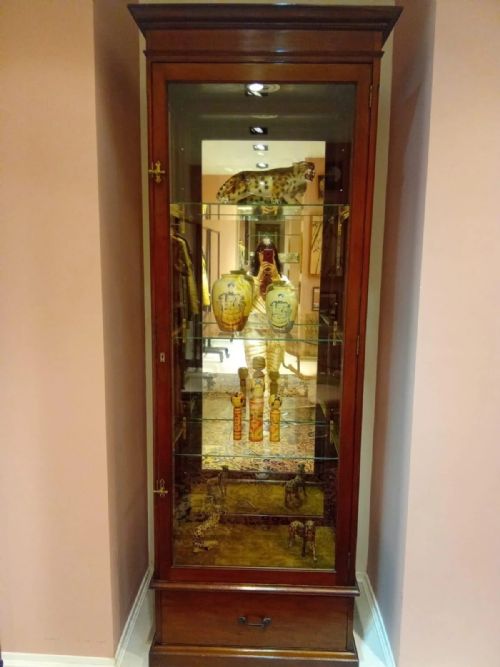
A tall glass display serves primarily to exhibit books, collections, or delicate curiosities while sheltering them from dust. Buyers seeking a tall glass display will encounter upright glazed bookcases, shop display cabinets, and tall display domes.
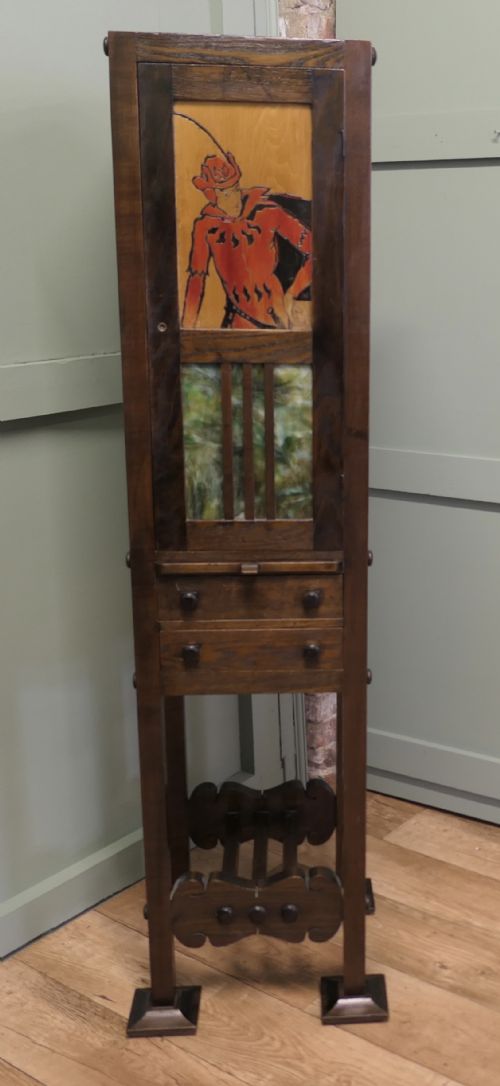
The pieces span various eras, with Victorian, Edwardian, and 1920s examples appearing frequently alongside earlier Georgian and 19th-century forms. Tall glazed mahogany bookcases and slender oak cabinets dominate the selection, often featuring multiple shelves behind glass doors.
Beyond standard furniture, the category encompasses specialised enclosures like taxidermy showcases and clock domes set upon bases. These tall vertical formats suit rooms requiring storage that preserves floor space while maximising visibility.
How They Were Made
Cabinet makers relied on sturdy timbers such as mahogany, oak, and ebonized wood to build the structural frames, frequently incorporating brass mounts, lead, or iron for reinforcement. Glass panes were fitted into timber doors or formed large freestanding domes to encase the interior.
Surface treatments varied from polished mahogany and satinwood crossbanding to plain pine intended for waxing or painting. Interior detailing included adjustable glass shelves and fabric-lined bases for display domes.
Tall Glass Display Retail Price Guide 2026
Typical asking prices for tall glass display among the pieces listed under this phrase on Sellingantiques today, from the lower quarter to the upper quarter. They describe what is for sale here now, not the wider market.
The listings feature woods including mahogany, oak, ebonized wood, and bleached walnut across Victorian, Edwardian, and Art Deco styles.
What Varies in Quality
The standard of a tall glass display rests on the choice of timber and the precision of the joinery used in the frame. Selected mahogany, intricate carving, and satinwood crossbanding distinguish finer decorative cabinets from utilitarian shop fittings.
Original glass panels, functional brass hardware, and well-fitted adjustable shelving elevate the integrity of a piece. The presence of maker attribution, such as work by Shapland and Petter or Minty, further separates standard production from notable craftsmanship.
Shapland and Petter·Minty
The Tall Glass Display Glossary
- Bijouterie cabinet
- A display case featuring glass panels designed specifically for small valuables, jewellery, and curiosities. They often include fabric-lined interiors to cushion delicate items.
- Cloche
- A bell-shaped glass cover used to protect objects or botanical specimens. These sit upon a fitted base.
- Crossbanding
- A decorative technique where thin strips of veneer are laid across the grain of the primary wood. This creates a contrasting border around drawer fronts or cabinet doors.
- Vitrine
- A glass-sided cabinet designed for exhibiting objects. The term frequently applies to refined display furniture intended for domestic reception rooms.
Tall Glass Display: Frequently Asked Questions
What is a tall glass display used for?
These vertical cabinets and domes serve to exhibit books, collections, and decorative items while protecting them from dust and handling. Tall formats allow owners to showcase numerous objects without occupying excessive floor space.
Domestic versions typically hold libraries or curated curiosities, whereas shop display variations were originally built to merchandise goods to customers. Their transparent panels ensure the contents remain visible from multiple angles in a room.
How do I distinguish Edwardian from Victorian cabinets?
Victorian display furniture often employs heavier timbers, deep carvings, and darker finishes reflecting mid to late 19th-century tastes. These pieces frequently feature substantial mahogany or walnut structures with ornate detailing.
Edwardian examples tend to exhibit lighter proportions, simpler lines, and occasional decorative inlays like satinwood crossbanding. The transition into the 20th century favored brighter, more restrained aesthetics compared to the preceding Victorian era.
Are the glass shelves original?
Many shop display cabinets and bookcases retain their original adjustable glass shelves, which allowed merchants and owners to alter interior heights. Over decades of use, some shelves may have been replaced with modern safety glass to meet current standards.
Examining the edges and thickness of the glass can help determine whether the panes match the age of the surrounding timber frame.
How do I care for a wooden display cabinet?
Maintaining these pieces involves regular dusting with a soft cloth and occasional application of appropriate wax to nourish the timber. Direct sunlight should be avoided to prevent fading on sensitive woods like mahogany and satinwood.
Glass panels benefit from standard glass cleaner applied sparingly to avoid seeping into the wooden frames or fabric linings.