


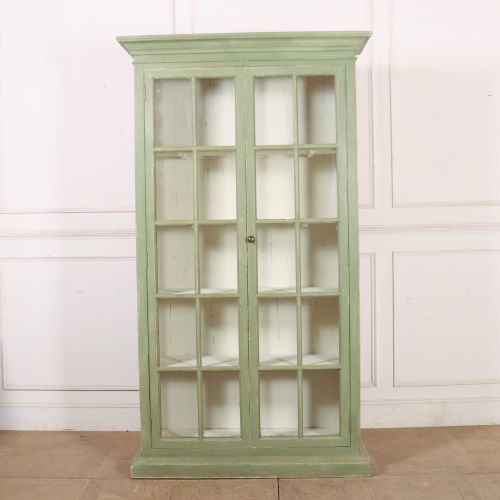
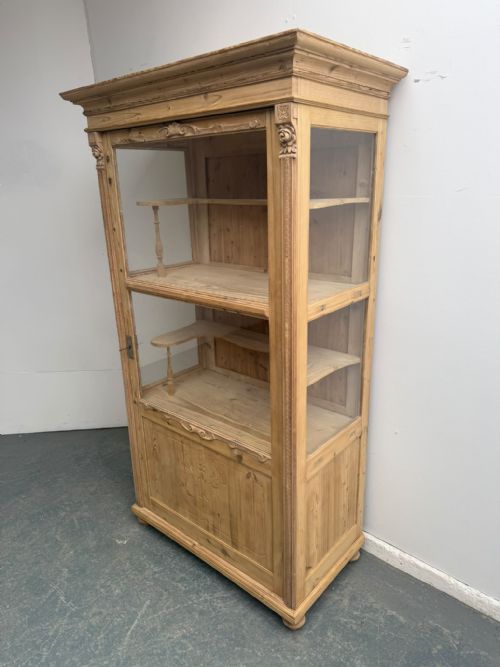

Tall Glass Bookcase
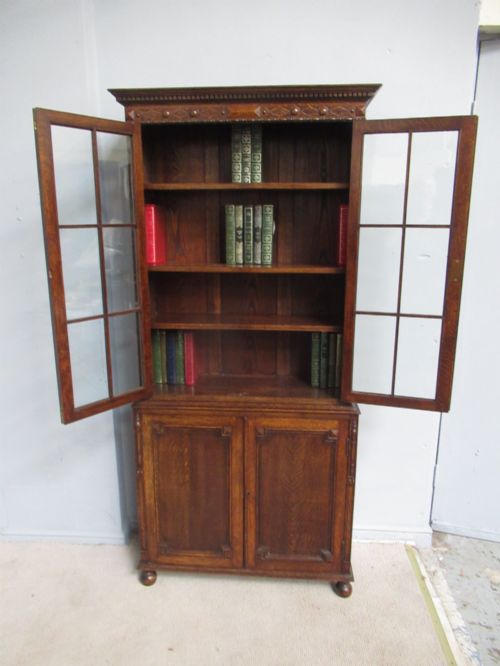
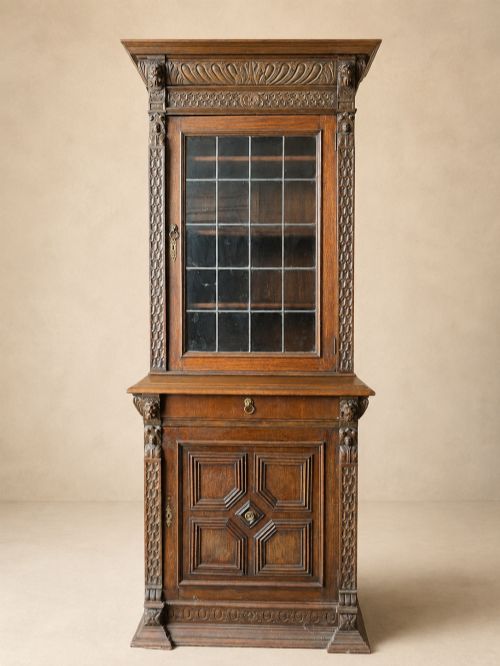
When you search for a tall glass bookcase, you find vertical storage pieces designed to house volumes while displaying them behind glazed doors.
Tall Glass Bookcase
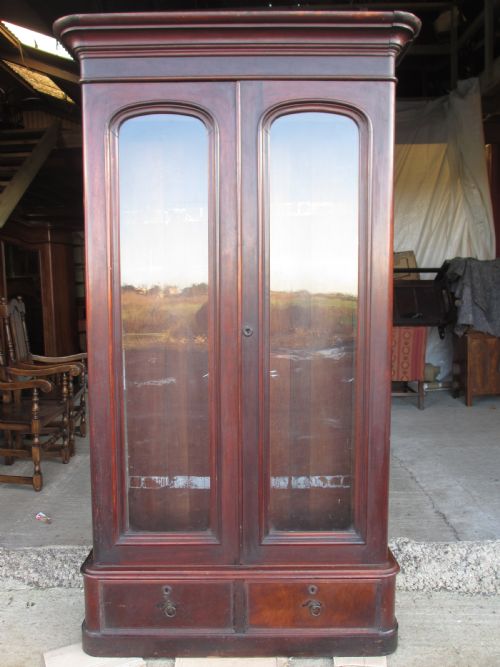
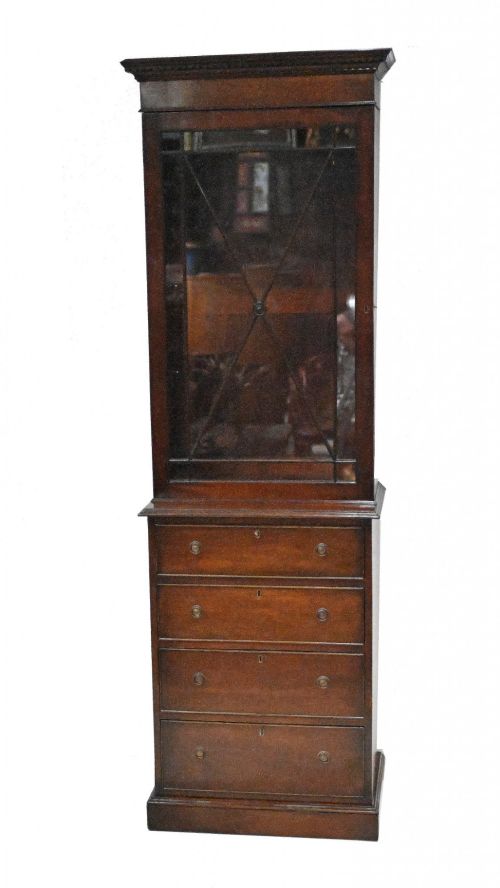
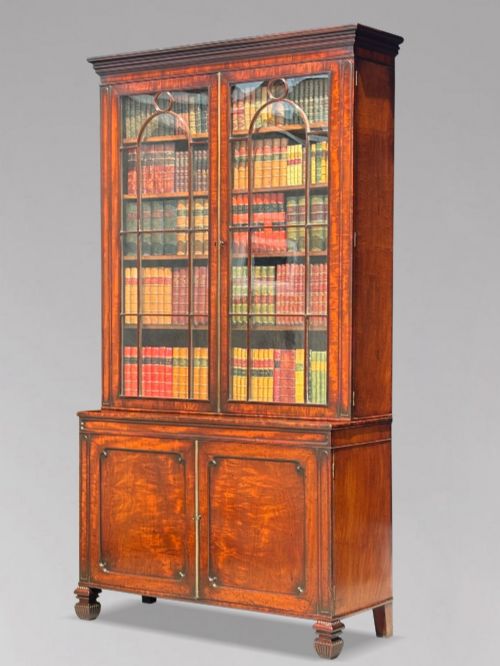
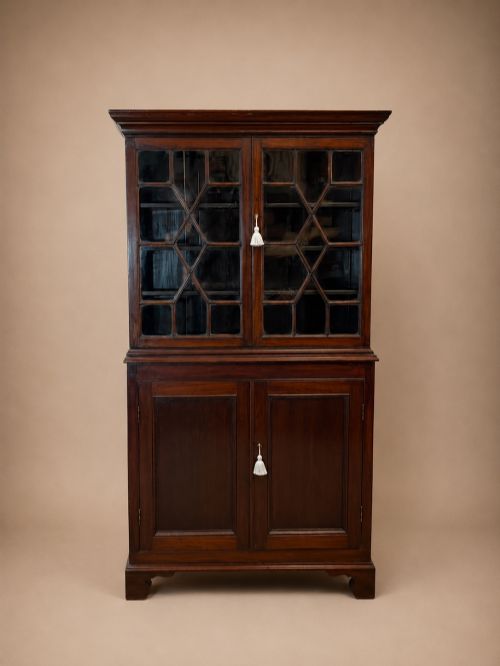
A tall glass bookcase stands upright to maximise vertical wall space while keeping books and objects visible through glazed panels. These tall storage pieces appear across nineteenth-century and early twentieth-century periods, including Victorian, Edwardian, and Art Deco eras.
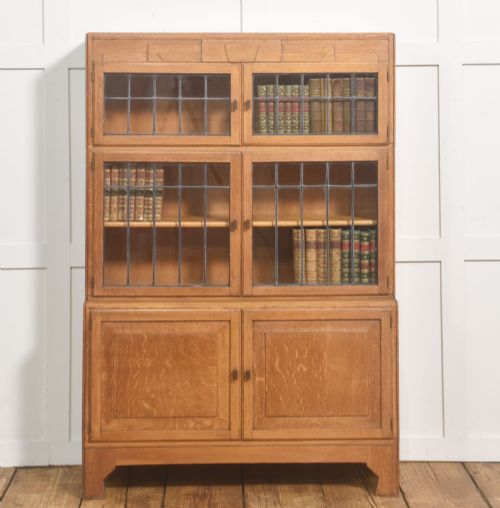
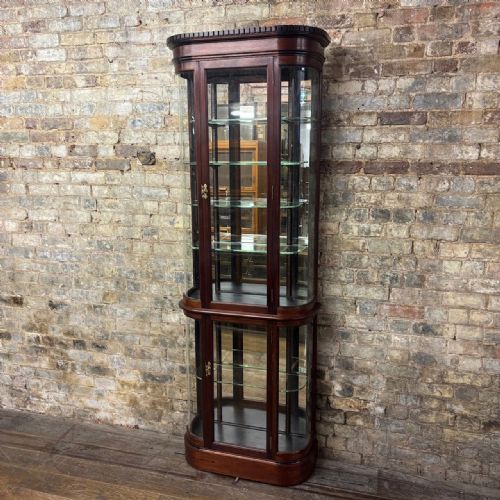
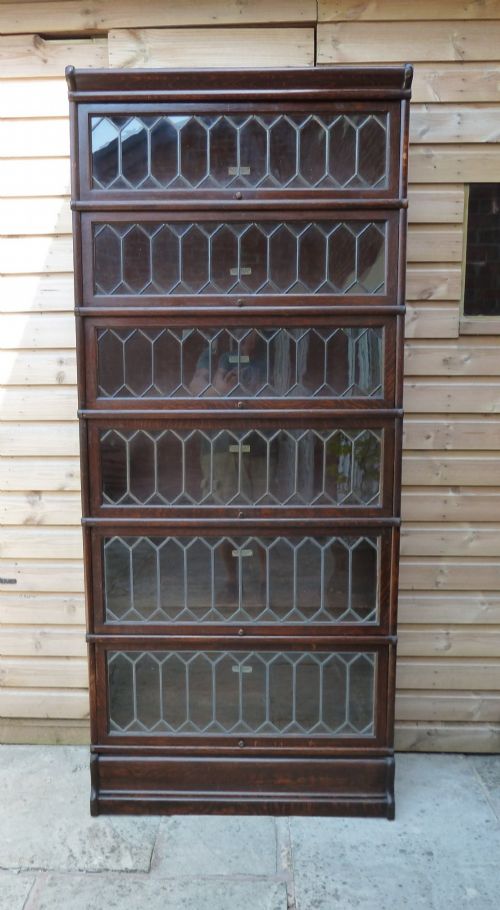
The format encompasses slender single-section units alongside substantial two-part bookcase cabinets and stacking lawyer designs. Many examples bridge the boundary between traditional libraries and drawing-room display cabinets.
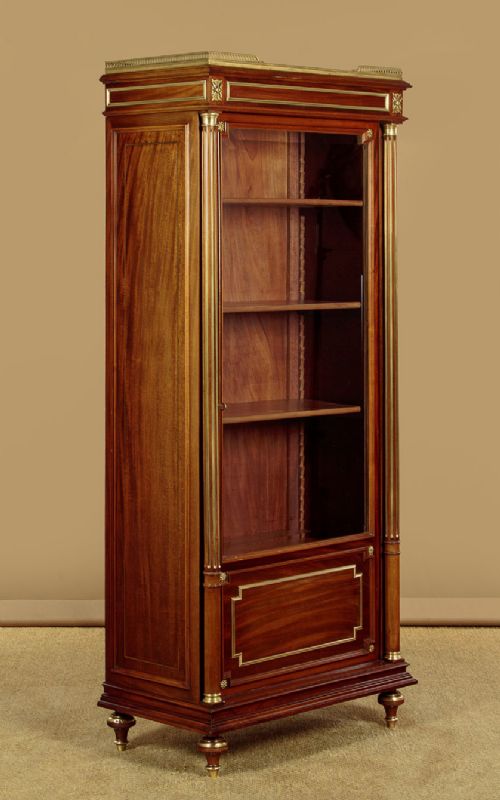
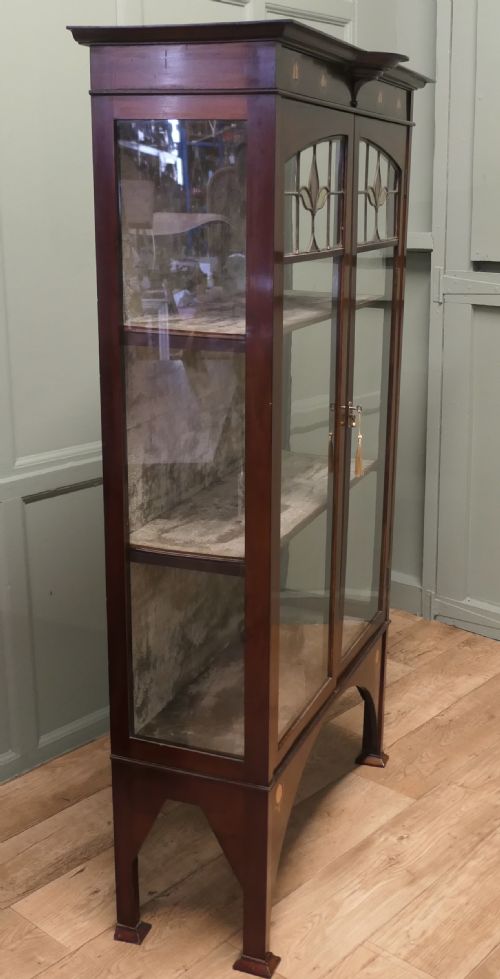
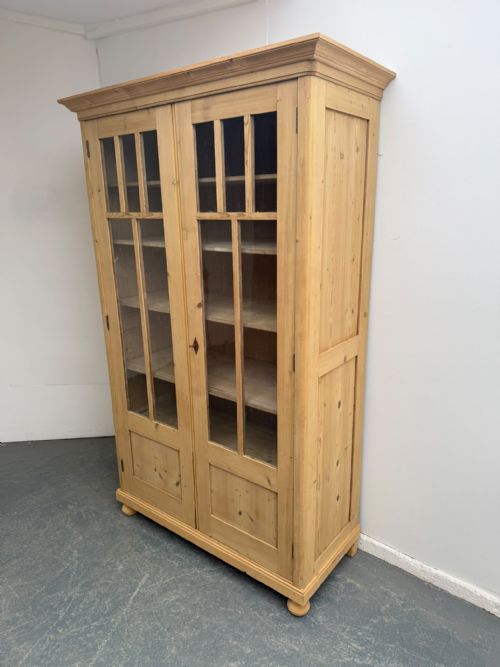
Makers utilised various configurations, from simple leaded glass doors on oak frames to inlaid mahogany cabinets with multiple shelves. Pieces range from country house pine furniture to formal walnut and amboyna revival styles.
Materials and construction
Cabinet makers constructed these pieces primarily from hardwoods such as mahogany, oak, and walnut, alongside softer woods like pine and painted timber. Timber selection dictated whether the grain remained polished, bleached, or finished with wax and paint.
Glazing techniques defined the front elevation, incorporating plain panes, leaded cames, and sectional frames designed to support large sheets of glass. Brass hardware, such as hinges and locks, secured the doors while inlay and marquetry added surface decoration to formal Edwardian and Victorian examples.
Tall Glass Bookcase Retail Price Guide 2026
Typical asking prices for tall glass bookcase among the pieces listed under this phrase on Sellingantiques today, from the lower quarter to the upper quarter. They describe what is for sale here now, not the wider market.
Listings feature oak, mahogany, walnut, and pine across Victorian, Edwardian, and Art Deco periods.
Evaluating quality and construction
Quality rests upon timber selection and the integrity of the joinery, particularly how the tall frame bears the weight of heavy shelving. Dense hardwoods like plum pudding mahogany and figured walnut indicate high-status cabinet making.
The execution of the glazed doors and internal fittings separates standard utility pieces from finer items. Precise leadwork, sound door seating, and crisp internal adjustments reveal the standard of workshop production.
Globe Wernicke·Minty
The Tall Glass Bookcase Glossary
- Glazed bookcase
- A wooden storage unit fitted with glass doors to protect books from dust while allowing visibility. These items range from simple single-door cupboards to grand architectural library pieces.
- Stacking bookcase
- A modular bookcase system comprising separate horizontal sections that stack vertically. Often associated with Globe Wernicke designs utilising upward-lifting glass doors.
- Marquetry
- Decorative woodwork where pieces of contrasting veneer are assembled to form geometric or floral patterns. Common on high-grade Victorian and Edwardian cabinets.
- Leaded glass
- Window panes held together by narrow strips of lead came, commonly found on Arts and Crafts and Art Deco glazed doors.
Tall Glass Bookcase: Frequently Asked Questions
How do I date a tall glass bookcase?
Dating relies on identifying timber choices, construction methods, and stylistic details associated with specific periods. Victorian and Edwardian pieces often display distinct hardware and moulding profiles.
Examining the interior joins and backboards provides further clues regarding the manufacturing era, distinguishing nineteenth-century examples from later twentieth-century revivals.
Are stacking bookcases stable?
Stacking bookcases are engineered to stand securely when assembled correctly, as each tier rests upon the one below. The weight of the timber and books helps anchor the vertical structure.
Placing the unit on a level surface ensures the modular doors continue to lift and slide smoothly without binding in their frames.
What is the difference between a display cabinet and a bookcase?
Bookcases generally feature adjustable wooden shelves specifically spaced for holding volumes, whereas display cabinets often incorporate velvet linings or glass sides for exhibiting objects.
In many historical listings, the terms overlap because glazed doors served both library and drawing-room functions depending on the owner's requirements.
How should I care for antique wood and glass?
Maintaining these pieces involves regular dusting with a soft cloth and applying traditional wax polish periodically to nourish the timber. Avoid placing cabinets in direct sunlight or near heat sources to prevent wood shrinkage.
Glass panels benefit from standard non-ammonia cleaners applied carefully to avoid damaging surrounding wooden frames or lead cames.