
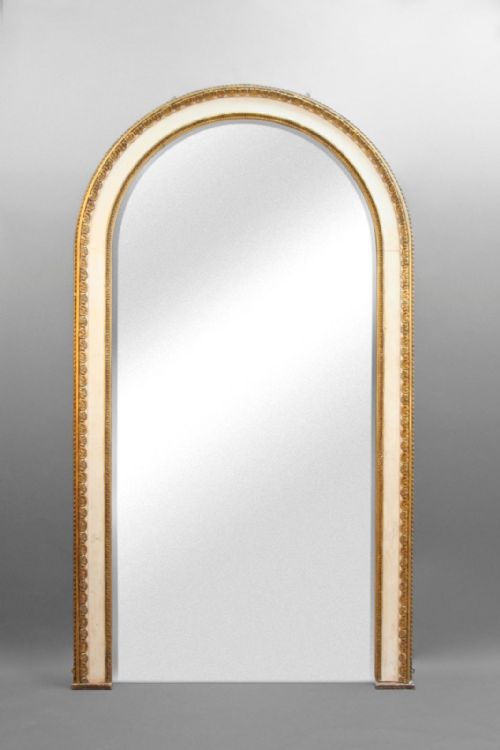


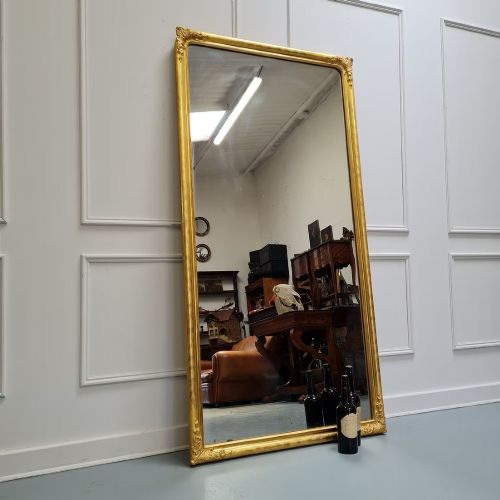


Tall French Hall Mirror
A tall french hall mirror brings vertical grace and reflected light to an entrance, commanding the space with stately proportions.
Tall French Hall Mirror
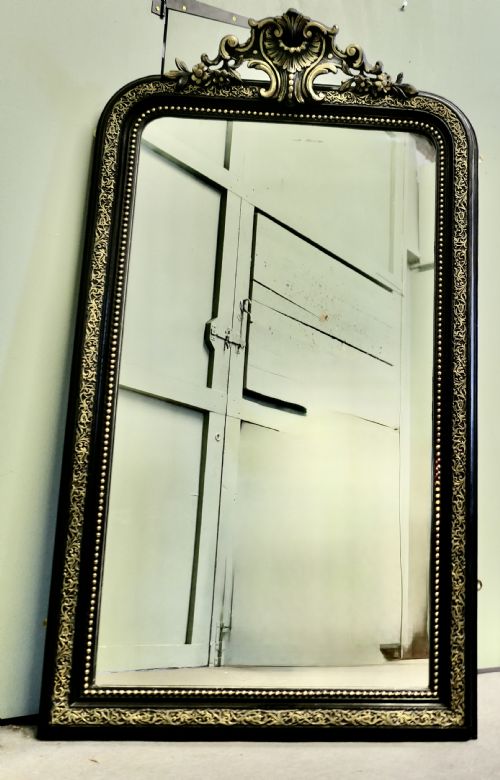
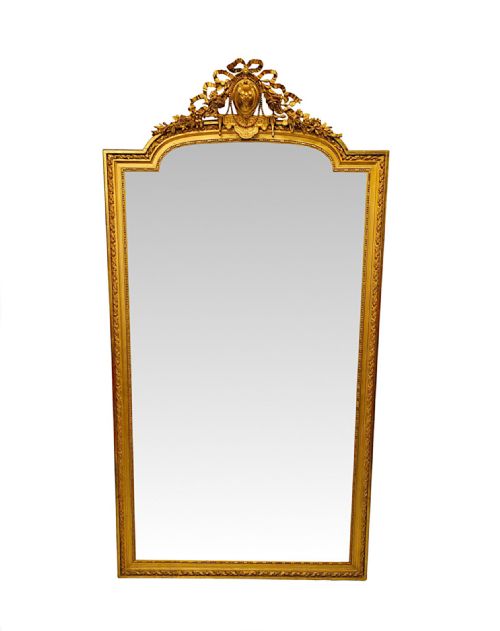
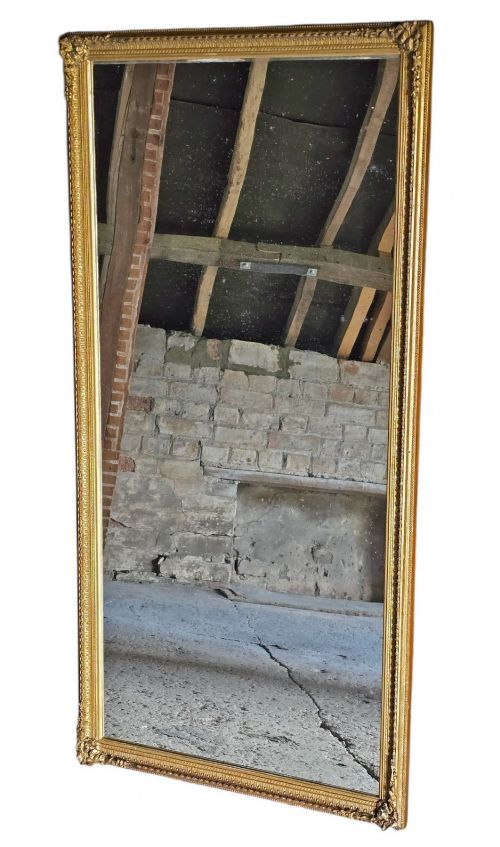
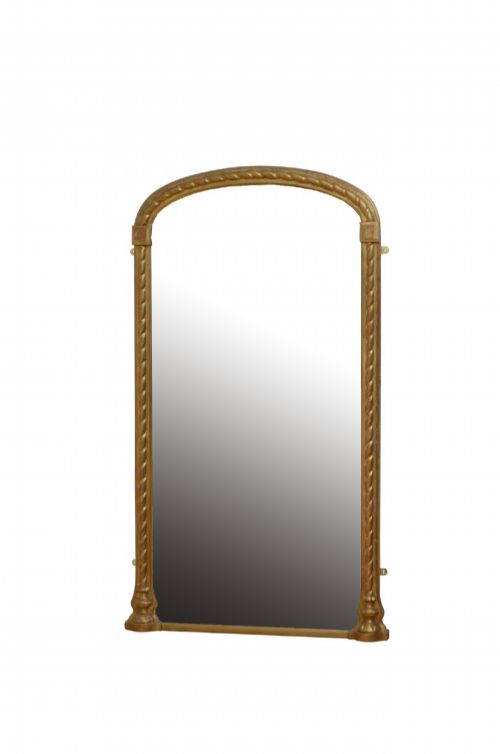
A tall french hall mirror serves primarily as a grand vertical accent for hallways, entryways, and principal rooms, designed to elongate the perceived height of an interior while offering a full-length reflection. These pieces take various forms across the inventory, appearing as dedicated wall mirrors, traditional pier mirrors, and paired console tables with matching mirrors.
The selections span distinct historical periods from the nineteenth century, including specific dates such as eighteen-fifty, eighteen-sixty, eighteen-seventy, and nineteen-ten. Stylistic influences visible among the listings encompass the Neoclassical, Louis Philippe, and Napoleon III periods, alongside Edwardian and Victorian examples.
Buyers will encounter both gilded finishes and painted wood surfaces, frequently incorporating original bevelled glass, gesso detailing, carved wood, and occasionally integrated marble tops on accompanying console tables. The vertical format makes these objects particularly suited for narrow spaces where height is available but floor area is restricted.
What varies in quality
The standard of a tall french hall mirror is dictated by the crispness of its carved wooden details and the delicacy of the gesso work beneath the gilding. Superior examples display deep, deliberate carving rather than shallow moulding, ensuring the decorative motifs retain their definition.
The integrity of the reflective glass plate and the originality of the surface finish further distinguish the pieces. Retaining the original silvering and bevelled glass alongside undisturbed period giltwood or painted surfaces elevates the character of the mirror.
Materials documented across the inventory include giltwood, gesso, gold leaf, marble, ebonised wood, and painted wood.
The Tall French Hall Mirror Glossary
- Pier mirror
- A tall mirror designed specifically to hang on the narrow wall space between two windows, often paired with a matching console table beneath. These tall formats visually unite the vertical architecture of a room.
- Giltwood
- Timber that has been coated with a thin layer of gold leaf or gold paint over a prepared ground. This material provides the brilliant reflective warmth characteristic of nineteenth-century formal interiors.
- Gesso
- A plaster-like mixture applied to wood surfaces as a smooth base for gilding or painting. Skilled application allows carvers to achieve sharp, detailed relief ornamentation.
- Louis Philippe
- A mid-nineteenth-century French stylistic period known for softer, more restrained curves and simpler architectural lines than earlier royal revivals. Mirrors from this era often feature gentle arched tops and minimal moulding.
- Napoleon III
- A decorative style spanning the latter half of the nineteenth century that revived eclectic historicism with a penchant for rich ebonised finishes and gilt highlights. Pieces from this era often display bold ornamentation.
Tall French Hall Mirror: Frequently Asked Questions
Where should I hang a tall french hall mirror?
These vertical pieces suit narrow entrance halls, reception spaces, or principal rooms where floor-to-wall height allows the frame to command the vertical plane.
Positioning the mirror opposite a light source maximises the reflection and brightens darker transitional spaces within a home.
How do I care for antique giltwood?
Giltwood surfaces require gentle dusting with a soft, dry brush to prevent damage to the delicate gold leaf and underlying gesso.
Avoid liquid cleaners, chemical sprays, and abrasive cloths entirely, as moisture and friction can strip the historic finish from the wood.
What is the difference between a pier mirror and a wall mirror?
A pier mirror traditionally relates in proportion and placement to the architectural pier space between windows, frequently designed to sit directly above a console table.
Standard wall mirrors are generally hung independently on flat wall expanses without the spatial constraints or matching furniture pairings of pier glasses.
Are the mirror plates original?
Many nineteenth-century examples retain their original bevelled glass plates, which often display subtle foxing, minor pitting, or characteristic distortion.
These aged traits confirm the antiquity of the glass and contribute to the authentic visual depth expected in period mirrors.