






Tall Decorative Gilt Mirror
A tall decorative gilt mirror brings immediate scale and reflected light to a room, drawing the eye upwards with gilded surfaces.
Tall Decorative Gilt Mirror
When you search for a tall decorative gilt mirror, you are looking at substantial wall-hanging pieces designed to command a space, most frequently seen here as nineteenth-century overmantels, pier mirrors, and tall dressing glasses. These items originate from periods spanning the Regency era through to the early twentieth century, taking stylistic cues from French Empire, Italian Rococo Revival, and Neoclassical traditions.
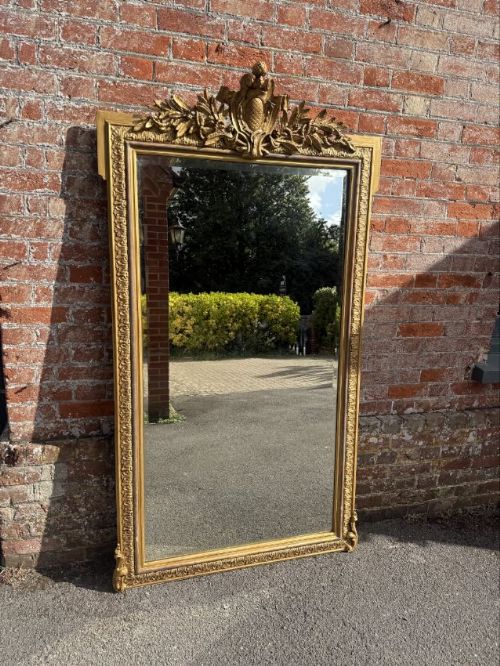
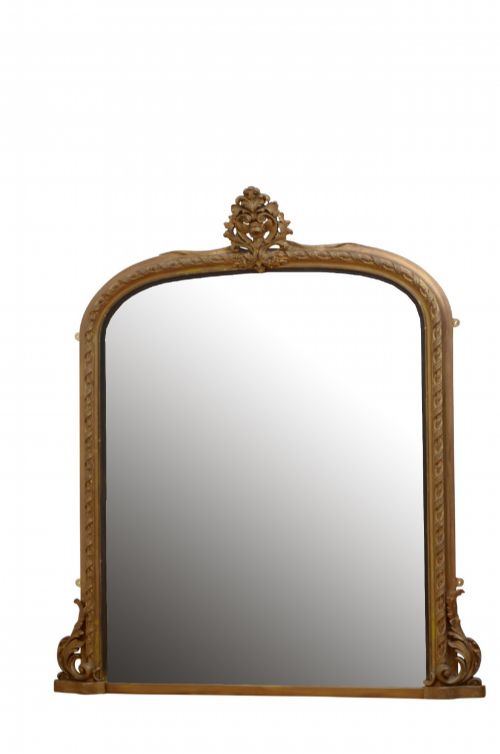
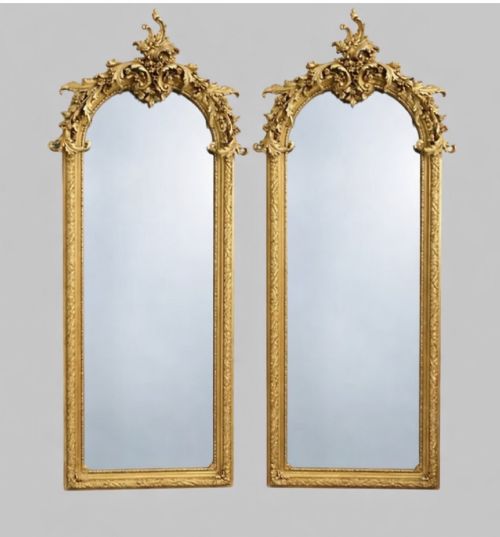
The dominant forms on this page include large arched wall mirrors and overmantels that combine gilded woodwork with painted details or panels. You will encounter tall carved giltwood frames alongside pieces finished in gesso, silver-gilt, and painted wood, often measuring well over a metre in height to suit high-ceilinged rooms.
How they were made
Makers of these tall mirrors built timber carcases from wood before applying layers of gesso to build up high-relief ornamentation and crisp decorative mouldings. This plaster-like ground was then meticulously gilded using gold leaf or painted finishes, sometimes incorporating eglomise glass panels or lacquered surfaces.
Mirrored glass plates of the period were set into these carved giltwood and painted frames, occasionally showing the subtle foxing and irregularities characteristic of older manufacturing techniques.
Tall Decorative Gilt Mirror Retail Price Guide 2026
Typical asking prices for tall decorative gilt mirror among the pieces listed under this phrase on Sellingantiques today, from the lower quarter to the upper quarter. They describe what is for sale here now, not the wider market.
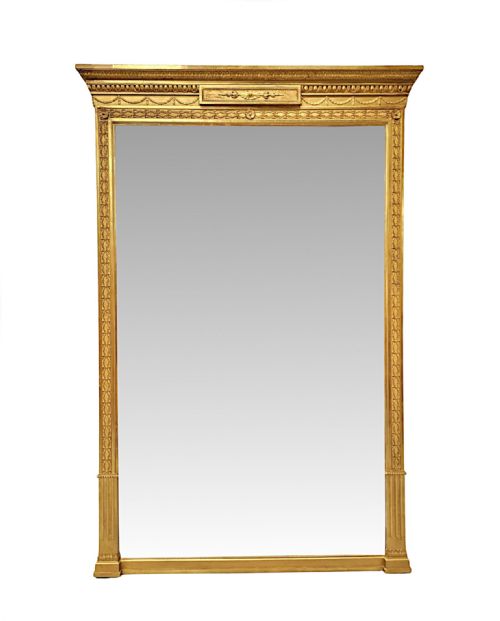
Listings feature eighteenth and nineteenth-century styles including French Empire, Italian Rococo Revival, and Neoclassical designs executed in giltwood and gesso.
What varies in quality
The distinction between ordinary and exceptional examples rests primarily on the depth and crispness of the hand-carved gesso and woodwork. Finer pieces display sharply defined neoclassical motifs or intricate rococo scrolls that hold their detail beneath the gold leaf, rather than soft or flat moulding.
Quality also shows in the integration of secondary materials, such as the use of eglomise panels, panelled surrounds, and the original relationship between the mercury or early silvered glass plate and its heavy supportive frame.
The Tall Decorative Gilt Mirror Glossary
- Giltwood
- Wood that has been coated with gold leaf or a gold-coloured metallic finish. This surface treatment gives the frames their characteristic warm metallic lustre.
- Gesso
- A plaster mixture applied to wood frames to create a smooth surface for carving and gilding. It allows for sharp, intricate decorative details.
- Pier Mirror
- A tall mirror specifically designed to hang on the wall space between two windows, often placed above a pier table. They frequently incorporate lower panels or tall proportions.
- Overmantel Mirror
- A wide mirror made to hang on the wall directly above a fireplace mantelpiece. These pieces often feature landscape orientations or tall arched profiles.
- Eglomise
- A process of applying gold or silver leaf to glass and then engraving or painting designs on the reverse side. It creates a decorative reflective panel often seen in upper sections of mirrors.
Tall Decorative Gilt Mirror: Frequently Asked Questions
Where should I hang a tall mirror?
These tall pieces suit principal reception rooms, hallways, and above mantelpieces where their height can make the most of vertical space.
Ensure the wall construction and fixings can support the substantial weight of carved wood and glass frames.
Are the mirror plates original?
Many surviving examples retain their original glass, which may display minor foxing, dark spots, or light distortion.
Original glass adds character and confirms the period integrity of the piece.
How do I identify a Regency mirror?
Regency pieces often feature classical restraint, architectural motifs, and specific gilding techniques typical of the early nineteenth century.
Compare the framing details and proportions against documented pieces from that period.