

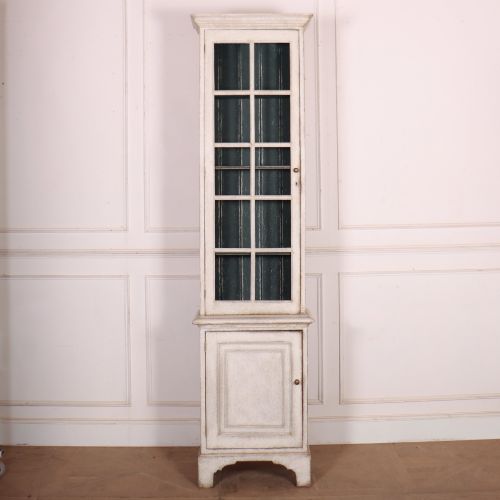
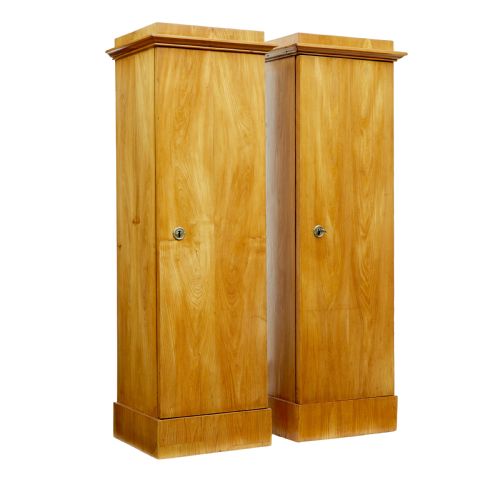
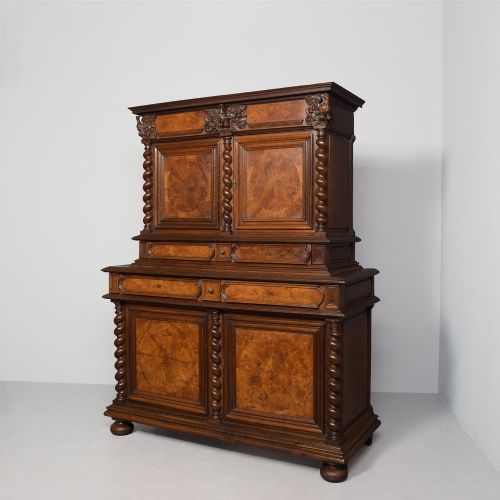
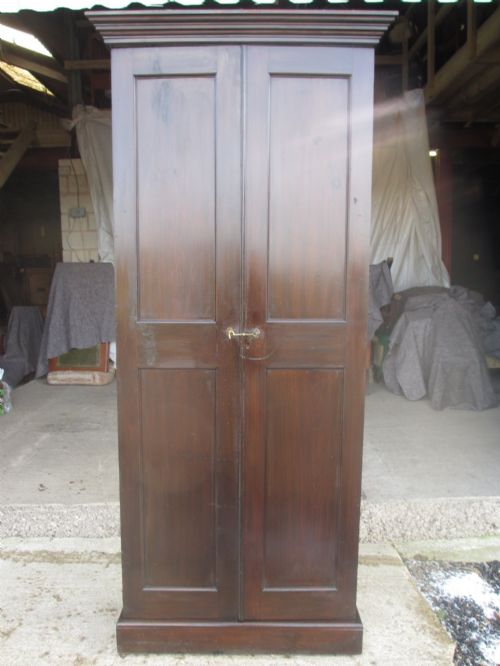
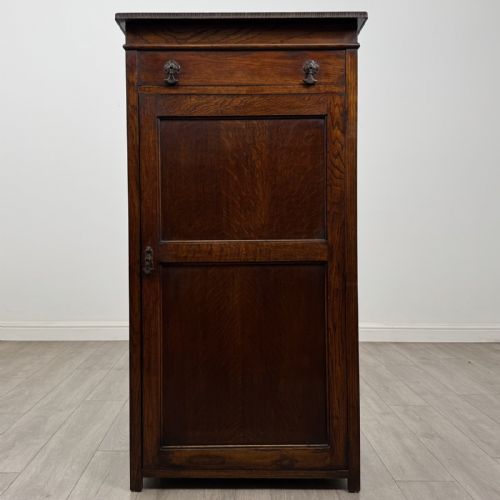
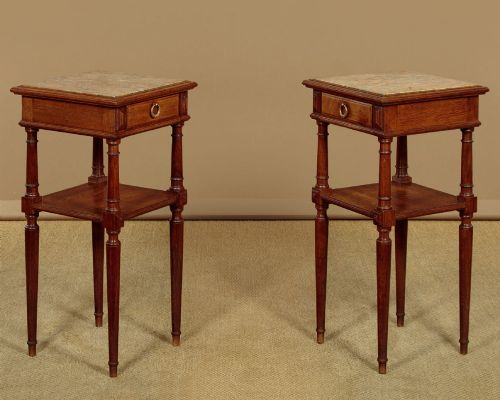
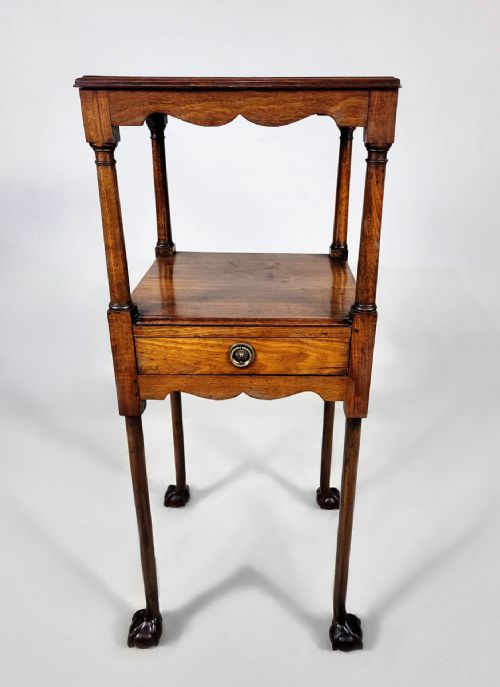
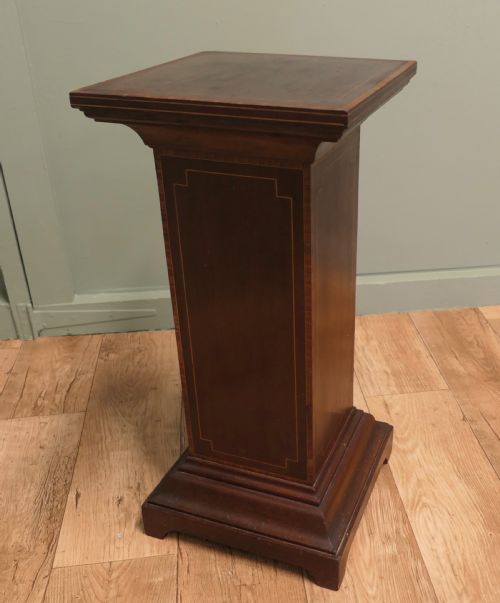
Tall Cabinet Stand
These tall cabinet stand pieces unite vertical storage and elevated display, offering refined utility for homes seeking both character and display space.
Tall Cabinet Stand
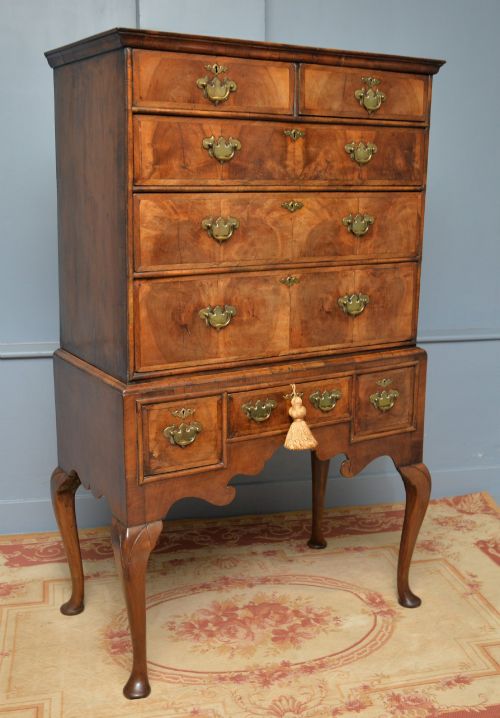
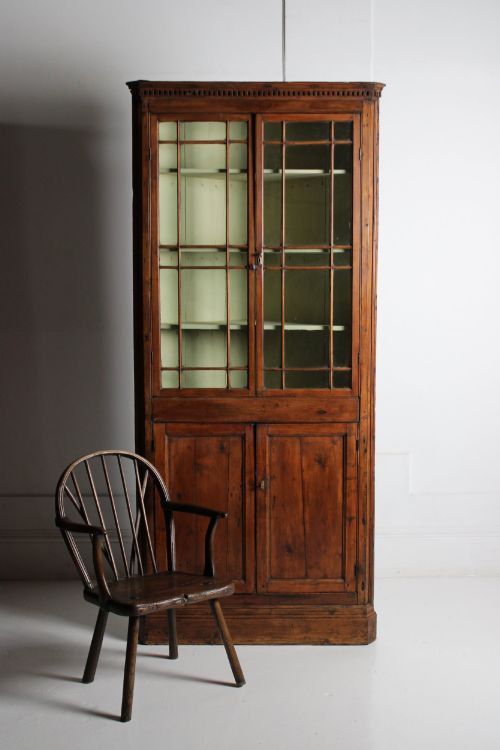
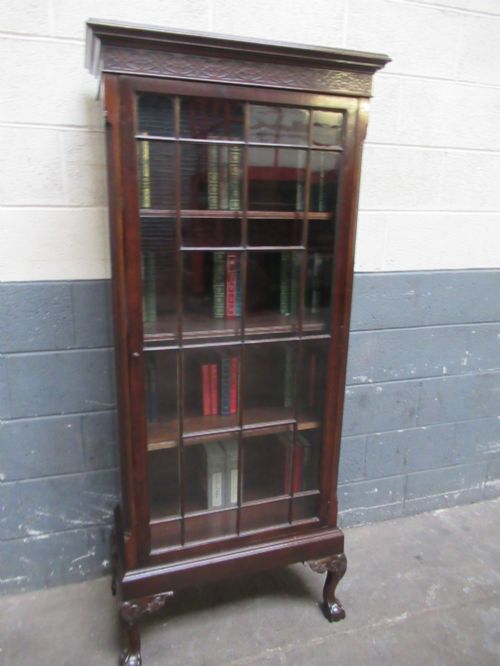
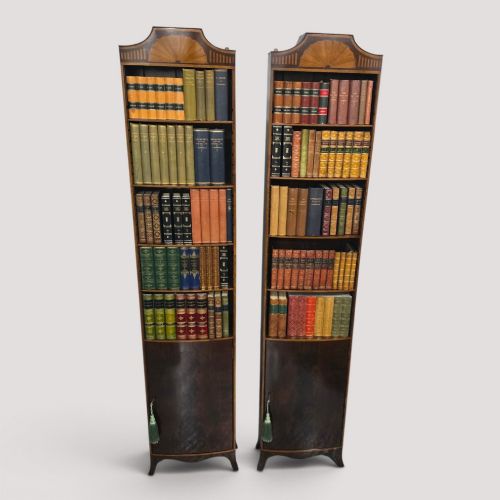
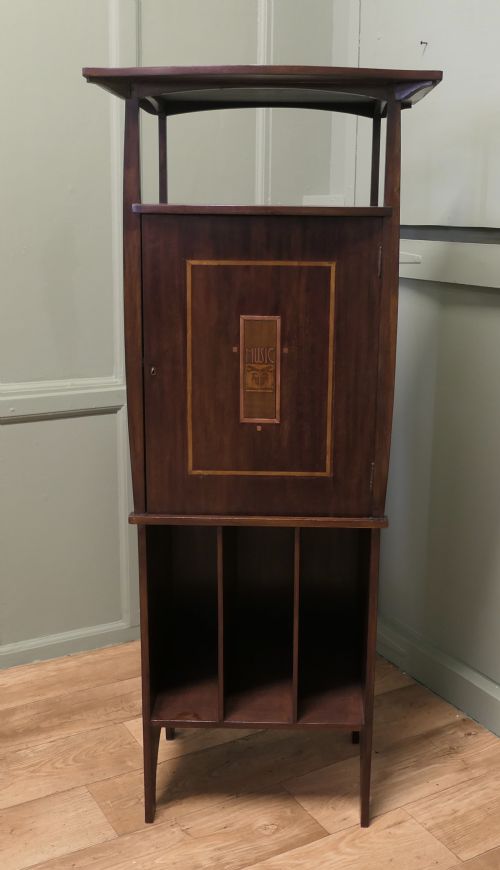
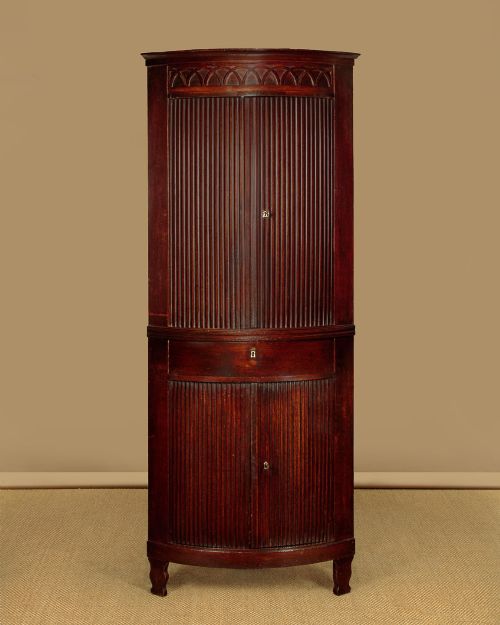
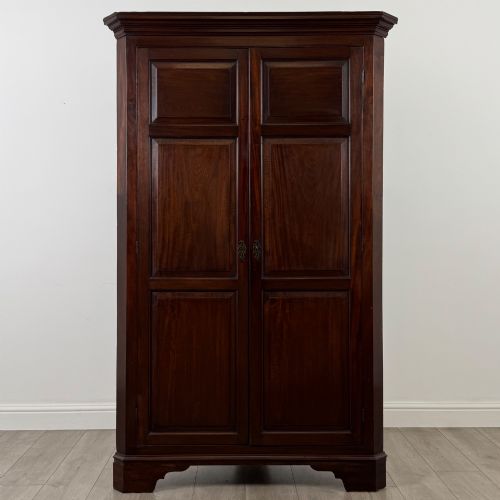
Buyers seeking a tall cabinet stand encounter a diverse selection of vertical furniture, including tall narrow bookcases, corner cabinets, display pedestals, and cabinets raised on stands. These forms originate from periods spanning the eighteenth, nineteenth, and early twentieth centuries, encompassing styles such as Georgian, Edwardian, and Arts and Crafts.
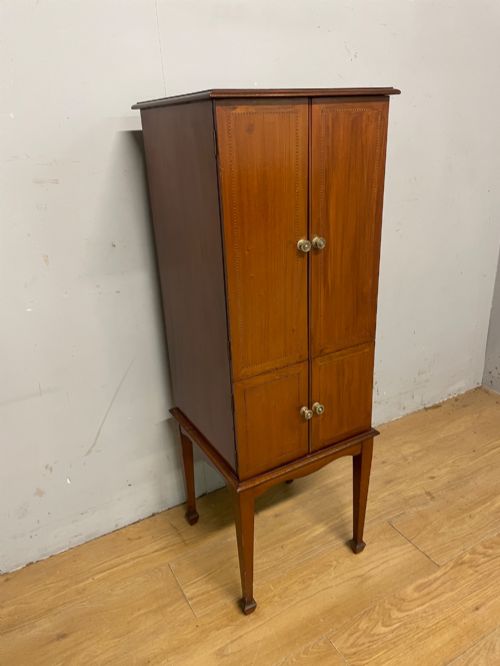
The pieces on this page lean heavily toward mahogany and oak constructions, frequently incorporating glass, brass, satinwood inlay, and burr walnut. Functionally, these items serve as libraries, music cabinets, and corner storage units that make efficient use of vertical room in domestic settings.
Materials and construction methods
Cabinet makers utilised dense hardwoods like mahogany, oak, and walnut, frequently enhancing surfaces with satinwood inlay, parchment, or ormolu mounts. Structural elements often involved joining solid timbers with secondary woods to construct tall carcases, drawers, and display doors.
Glazing techniques and brass hardware feature prominently across many tall storage forms, particularly in glazed bookcases and music cabinets. Stands and raised bases provide elevation, separating the main cupboard or chest compartments from the floor.
Tall Cabinet Stand Retail Price Guide 2026
Typical asking prices for tall cabinet stand among the pieces listed under this phrase on Sellingantiques today, from the lower quarter to the upper quarter. They describe what is for sale here now, not the wider market.
Listings feature tall cabinet stand options in mahogany, oak, walnut, and elm, spanning Georgian, Victorian, Edwardian, and Art Deco periods.
Factors that distinguish quality
Quality rests upon the selection of timber figure, such as plum pudding mahogany or burr walnut, and the precision of decorative inlays and brass mounts. Superior examples demonstrate careful attention to internal joinery, adjustable shelving mechanisms, and original hardware.
Design restraint and proportion also separate standard utilitarian items from finer architect-designed or maker-attributed pieces. The integration of stands and cabinetry reveals the maker's skill in balancing vertical weight.
GM Elwood·JS Henry·Maurice Jallot
The Tall Cabinet Stand Glossary
- Stand
- A raised frame or set of legs supporting a cabinet, chest, or cupboard above floor level. This elevation lightens the visual weight of tall storage furniture.
- Open Bookcase
- A piece of tall shelving designed for book storage without front doors. These units often feature adjustable shelves.
- Corner Cupboard
- A storage unit shaped to fit precisely into the corner of a room, saving floor space. They appear in single or double height configurations.
- Inlay
- A decorative technique where contrasting woods or materials like satinwood are inserted into depressions within the primary wood surface. This creates flat patterns across cabinet doors and friezes.
- Music Cabinet
- A specialised tall cabinet containing shallow drawers or vertical filing compartments originally intended for sheet music. Edwardian examples often include glazed central doors.
Tall Cabinet Stand: Frequently Asked Questions
What is a tall cabinet stand?
A tall cabinet stand typically refers to vertical storage furniture elevated on legs or a dedicated base frame. This category encompasses tall bookcases, chests on stands, and display cabinets.
These pieces lift storage off the floor to create a lighter footprint while offering substantial vertical capacity for books, display items, or documents.
Where should I place a corner cupboard?
Corner cupboards fit naturally into unused room junctions, turning dead space into functional storage. They work effectively in dining rooms, living areas, and hallways.
Because these units project outward from the corner, measuring the adjacent wall space ensures the doors can swing open without obstruction.
How do I care for mahogany furniture?
Mahogany furniture benefits from stable indoor environments away from direct sunlight and extreme humidity fluctuations. Regular dusting with a soft, dry cloth preserves the polished finish.
Applying traditional wax polish occasionally nourishes the timber and maintains the natural lustre of the grain without building up heavy residues.
How do I identify Edwardian pieces?
Edwardian furniture dating from the early twentieth century often combines lighter timbers, delicate satinwood inlay, and refined proportions. These designs frequently draw inspiration from earlier Georgian and Sheraton styles.
Look for machine-sawn timber components alongside hand-finished details, as this era bridged traditional cabinet making and early industrial production methods.