

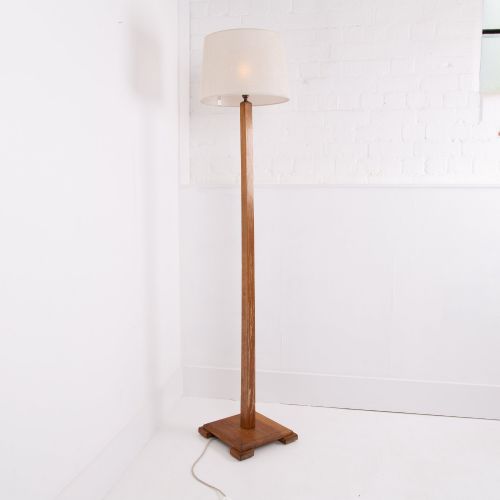
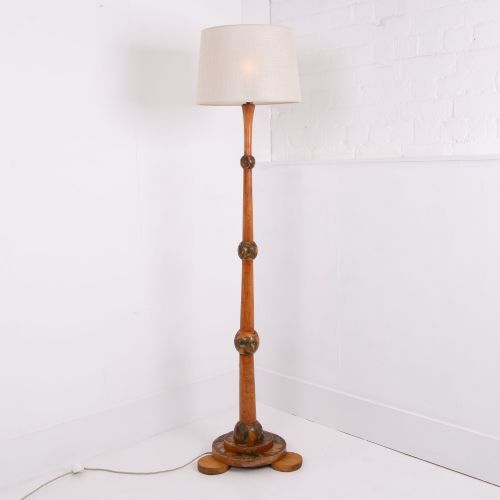
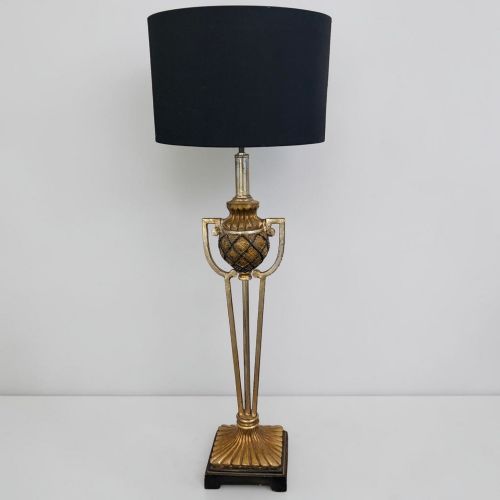
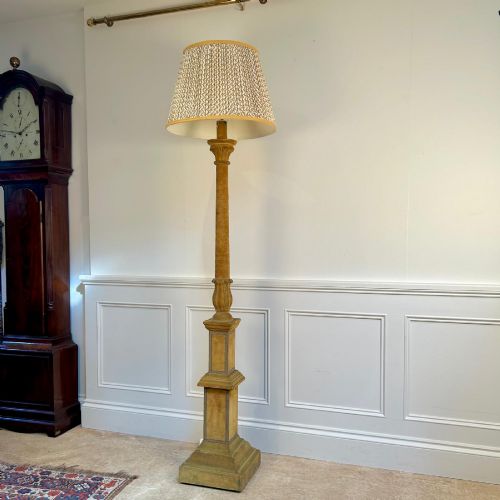




Tall Art Deco Lamp
A tall art deco lamp brings sharp linear grace and period weight to a room, offering both dramatic height and warm functional light.
Tall Art Deco Lamp
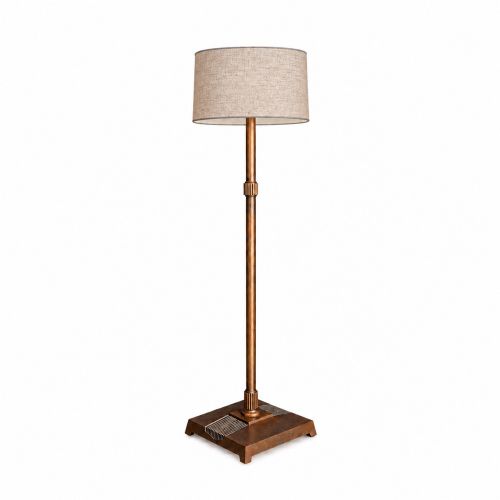
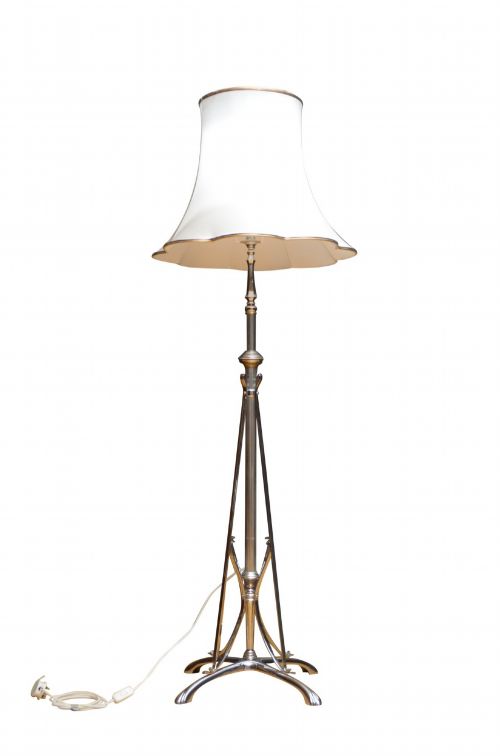
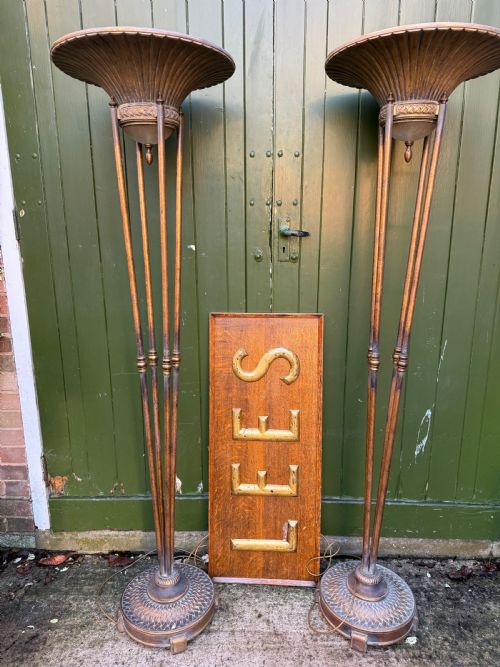
A tall art deco lamp combines substantial height with the distinctive geometric lines and stylistic restraint characteristic of the early twentieth century. Buyers seeking a tall art deco lamp encounter substantial floor standards, torchieres, and uplighters spanning the 1920s and 1930s.
Materials range from polished chrome and warm brass to rich golden oak, ebony, and giltwood. These pieces often serve as dominant vertical elements within a room, commanding attention through their sheer presence and material contrast.
Materials and construction
Construction relies heavily on robust metals such as brass, copper, and chrome, paired with dense timbers including mahogany, ebony, and golden oak. Metal components are frequently spun, cast, or plated to achieve the reflective surfaces prized during the period.
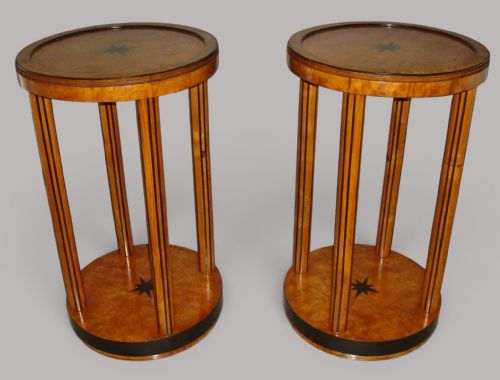
Wood elements are turned or veneered with contrasting grains, notably utilising burr elm and ebony to create striking visual depth. Fabric shades, velvet panels, and opaline glass elements complete the assemblage, diffusing the electrical illumination.
Tall Art Deco Lamp Retail Price Guide 2026
Typical asking prices for tall art deco lamp among the pieces listed under this phrase on Sellingantiques today, from the lower quarter to the upper quarter. They describe what is for sale here now, not the wider market.
Some tall standards double as plant stands or small tables, proving that 1930s designers understood the value of a multi-tasking corner.
Quality and proportion
Quality rests in the architectural integrity of the base and the purity of the geometric styling, where substantial metal castings and heavy timber cores provide necessary stability. Superior examples exhibit seamless joints, careful veneer matching, and a harmonious balance between vertical reach and weighted footings.
Finishing separates standard production from exceptional pieces, visible in the depth of the metal plating, the richness of the wood polishing, and the retention of original decorative details like stepped bases or reeded columns.
Harry and Lou Epstein
The Tall Art Deco Lamp Glossary
- Torchere
- A tall standing lamp or column designed originally to carry a torch or candle, adapted in the twentieth century for electric lighting. These pieces project light upwards towards the ceiling.
- Standard lamp
- A British term for a floor-standing lamp with a vertical shaft and a weighted base. They support larger fabric or glass shades for ambient room illumination.
- Opaline glass
- A milky, semi-translucent white glass popular for shades and diffusers during the early twentieth century. It softens electric light while maintaining a clean, bright appearance.
- Amsterdam School
- An expressionist architectural and design movement originating in the Netherlands around the early twentieth century. It emphasises rounded brickwork, expressive timber forms, and rich ornamentation.
- Hollywood Regency
- A style of interior design that mixes opulent materials with neoclassical motifs, originating in twentieth-century California. It favours gilt metals, polished surfaces, and theatrical glamour.
Tall Art Deco Lamp: Frequently Asked Questions
How tall is a tall art deco lamp?
Most standard lamps and torchieres from this period measure well over five feet in height, designed to tower above surrounding seating.
Their substantial vertical reach allows them to anchor large corners and provide high-level ambient illumination across a spacious interior.
Were these lamps originally wired for electricity?
Many surviving examples date from the 1920s and 1930s, a time when domestic electric lighting was becoming standard in urban homes. Some pieces retain early wiring components, though modern rewiring is common to meet current safety standards.
Buyers should check whether internal fittings have been updated while preserving the exterior metalwork and original switches where possible.
How do I distinguish Art Deco from Hollywood Regency?
Art Deco pieces rely on strict geometric lines, stepped zig-zags, and industrial metals like chrome and brass. Hollywood Regency incorporates more theatrical ornamentation, often featuring gilt finishes and neoclassical revival details.
Both styles emerged around the same interwar period, but Art Deco leans toward modernist severity while Hollywood Regency embraces decorative luxury.