
Tall Wall Glass
Tall antique wall glass brings vertical reach and reflective depth to a room, drawing light across the space through centuries-old plates.
Tall Wall Glass
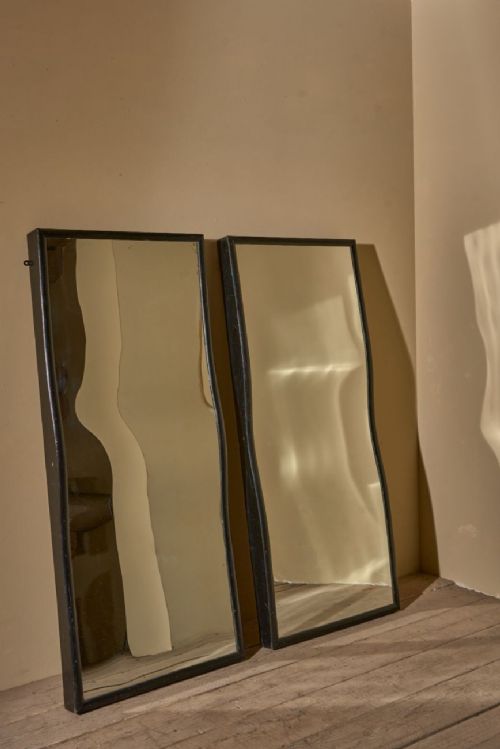
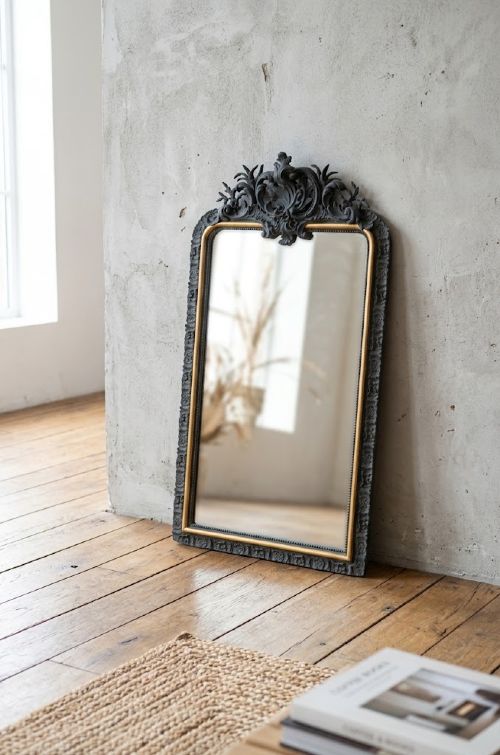
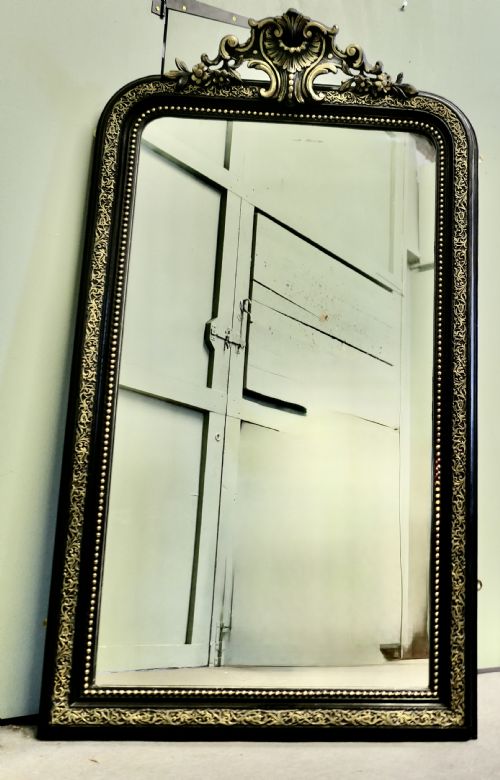
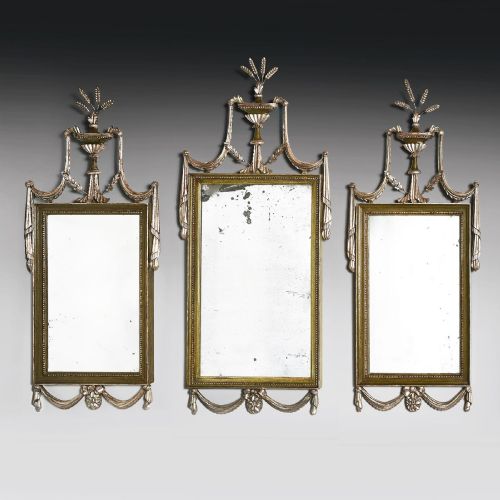
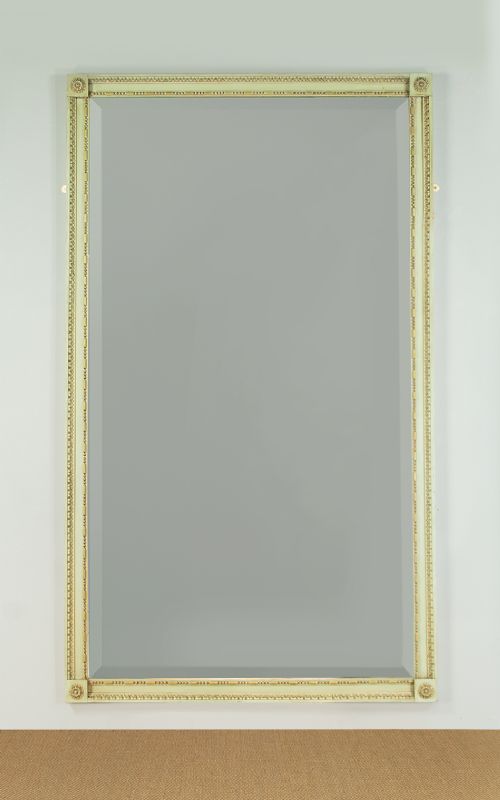
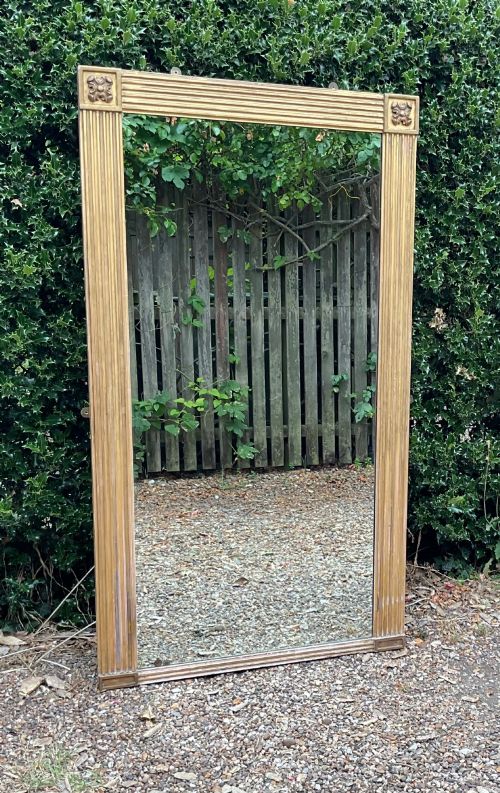
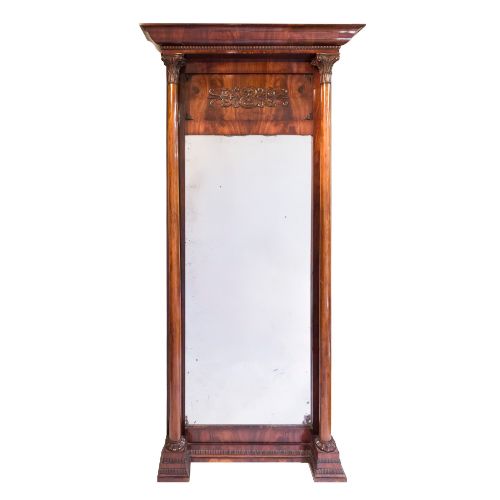
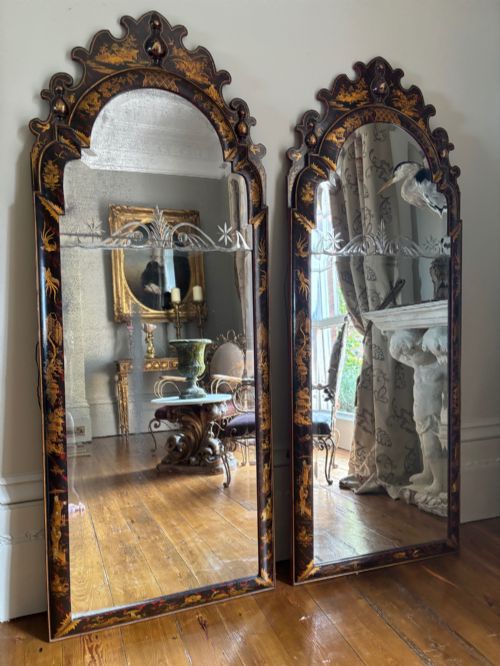
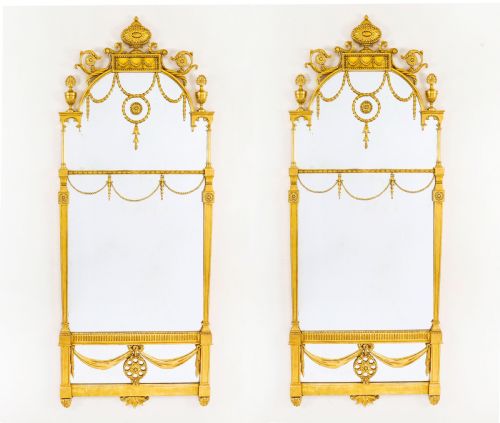
A search for tall antique wall glass directs attention to grand vertical looking glasses, including pier mirrors, trumeau panels, and hall mirrors designed to hang between windows or anchor expansive walls.
The pieces appearing in these listings span the eighteenth, nineteenth, and early twentieth centuries, drawing heavily on French Empire, Regency, Georgian, and revival designs.
Makers and craftsmen of these periods utilised substantial proportions, frequently reaching heights that demand generous ceiling clearance and structural wall support.
Materials and construction methods
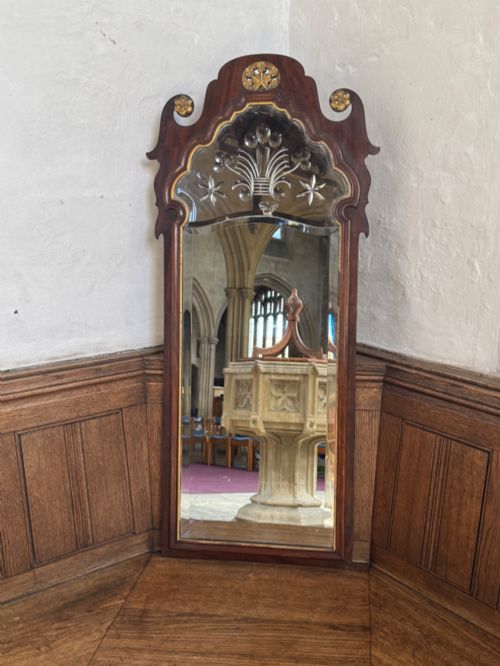
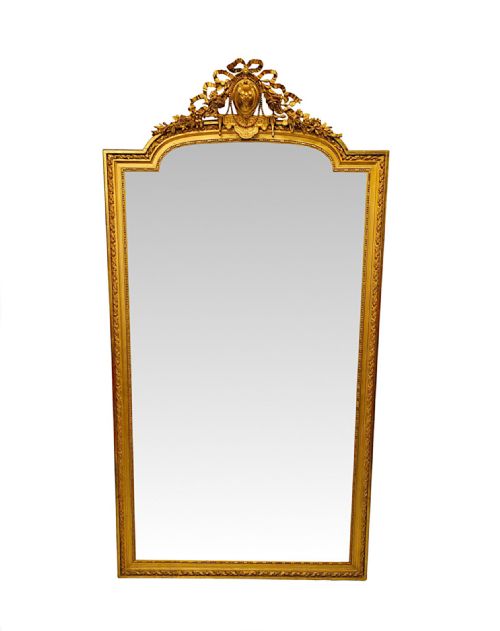
Frames rely on carved wood, gesso, and mahogany, often enriched with gold leaf or painted surfaces to achieve the desired metallic or matte finish.
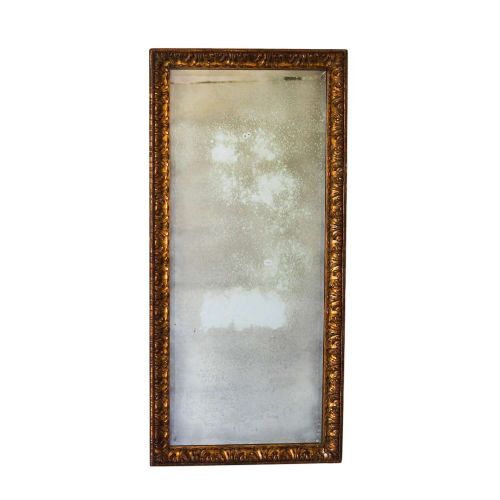
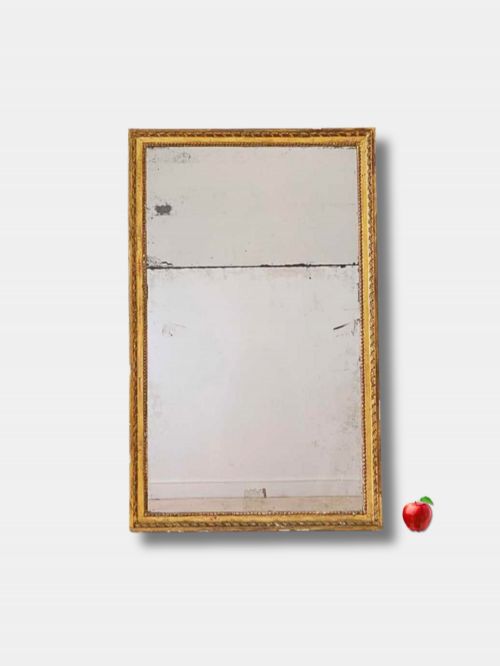
Mirror plates include original mercury glass and early bevelled glass, held securely within heavy timber backings that reveal period joinery techniques.
Materials span giltwood, carved mahogany, gesso, and painted wood, paired with original mercury and bevelled glass plates.
Indicators of distinction
Quality rests upon the integrity of the original glass plate and the depth of the hand-carved ornamentation on the giltwood or wooden frame.
Examples that retain their original mercury plates or pastoral oil paintings demonstrate superior survival through successive generations.
Gillows Of Lancaster
The Tall Wall Glass Glossary
- Pier glass
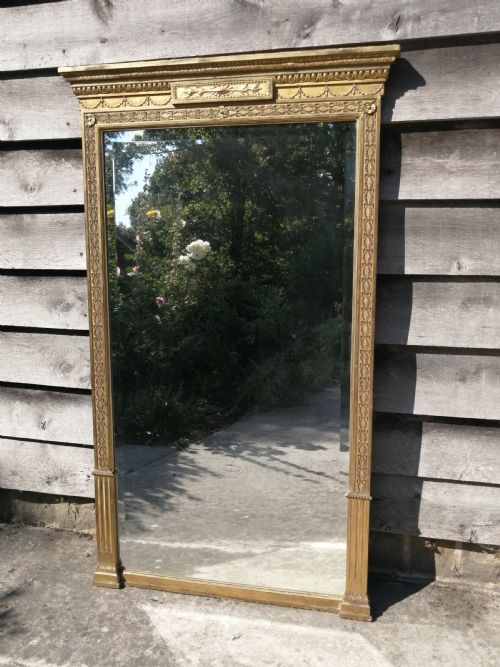
- A tall mirror designed specifically to hang on the wall space between two windows. This placement maximised natural light in period reception rooms.
- Trumeau mirror
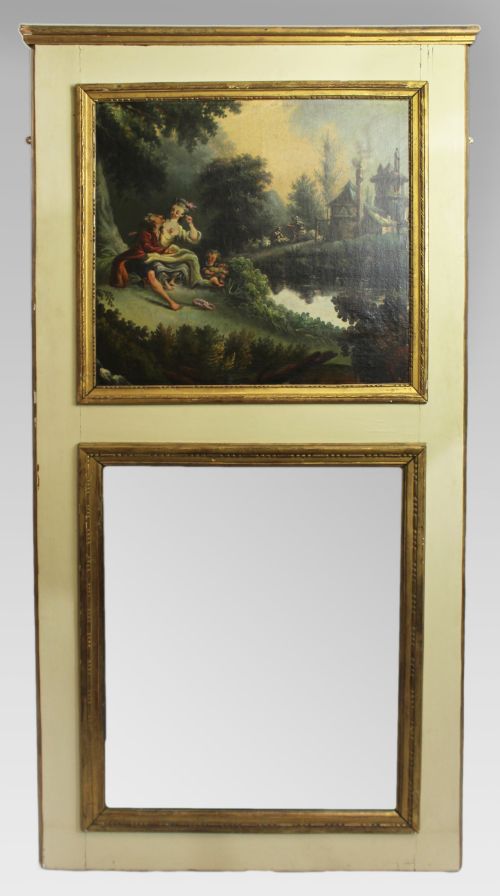
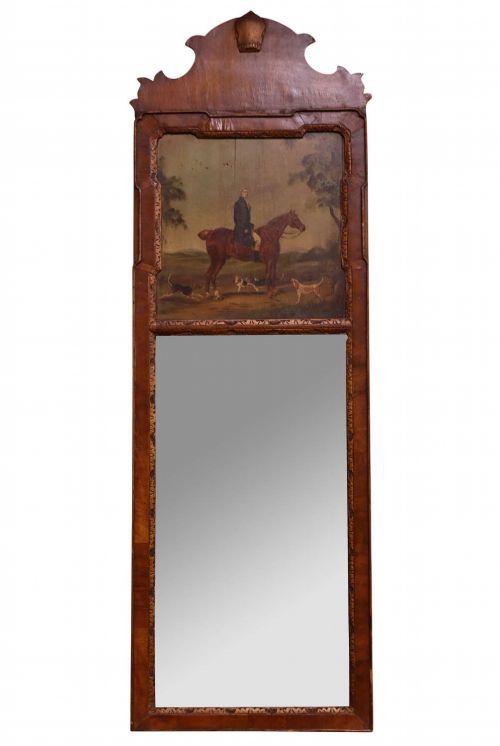
- A decorative wall mirror incorporating an upper oil painting or panel within the frame. These French pieces often integrated directly into interior wall panelling.
- Mercury glass
- An early mirror plate created by pouring a silver and mercury amalgam behind glass. It produces a characteristic mottled foxing and deep reflective warmth.
- Gesso
- A plaster-like material applied to wooden frames to form a smooth base for gilding. Skilled carvers incised intricate patterns directly into this compound before applying gold leaf.
- Parcel gilt
- A finishing technique where portions of a wooden or painted frame are highlighted with gold leaf. It creates a subtle contrast against dark mahogany or painted grounds.
Tall Wall Glass: Frequently Asked Questions
Where should a tall antique wall glass be hung?
These mirrors suit high-ceilinged entrance halls, drawing rooms, or above principal mantelpieces where their vertical proportions can command the room.
Ensure the wall construction can bear the considerable weight of heavy wood and gilt frames before mounting.
How do I identify original mirror plates?
Original plates often exhibit subtle distortions, foxing spots, and minor surface imperfections rather than the flawless clarity of modern float glass.
Twentieth-century replacements usually present a uniform silver coating without historical weathering.
What distinguishes a trumeau mirror from a standard pier mirror?
A trumeau incorporates a decorative painted panel or oil scene positioned above the glass plate within a unified frame structure.
Pier mirrors focus entirely on reflective glass, occasionally topped with carved crestings or classical revival columns.
How do I care for antique giltwood frames?
Dust the carved gesso and gold leaf surfaces gently with a soft, dry brush to prevent accumulation without disturbing fragile areas.
Avoid liquid cleaners entirely, as moisture degrades aged gilding and harms the underlying wooden structure.