



Taisho Period Art
Taisho period art comprises Japanese works from the early twentieth century, spanning intricate lacquerware, carved ceramics and delicate paintings.
Taisho Period Art
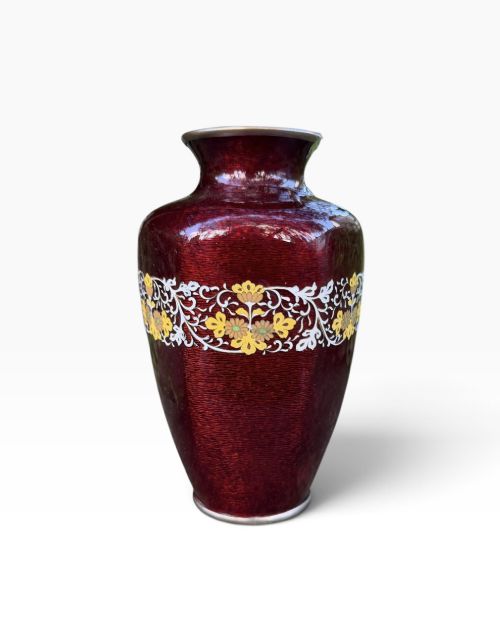
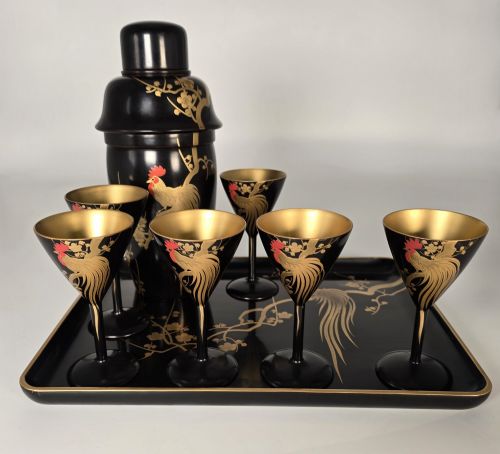
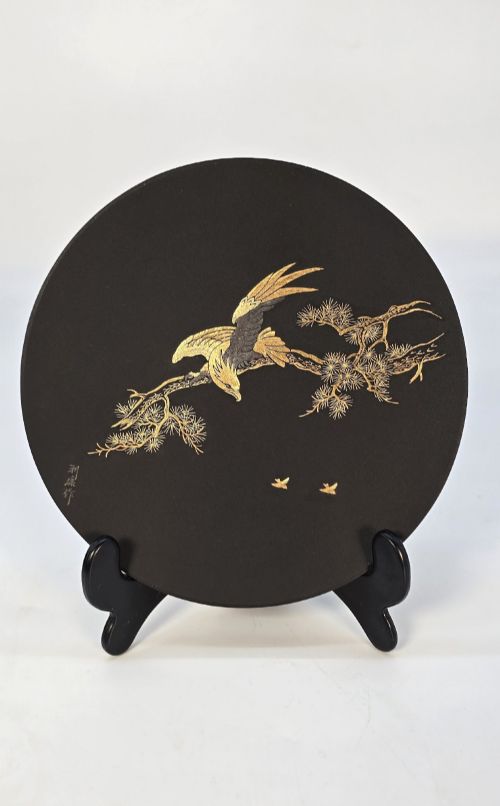
When you search for taisho period art, you encounter diverse Japanese craftsmanship spanning the early twentieth century, including the Edwardian era overlap. The selections on this page feature sculptural vases, intricate lacquer cocktail sets, patinated metalwork plaques and hanging paintings.
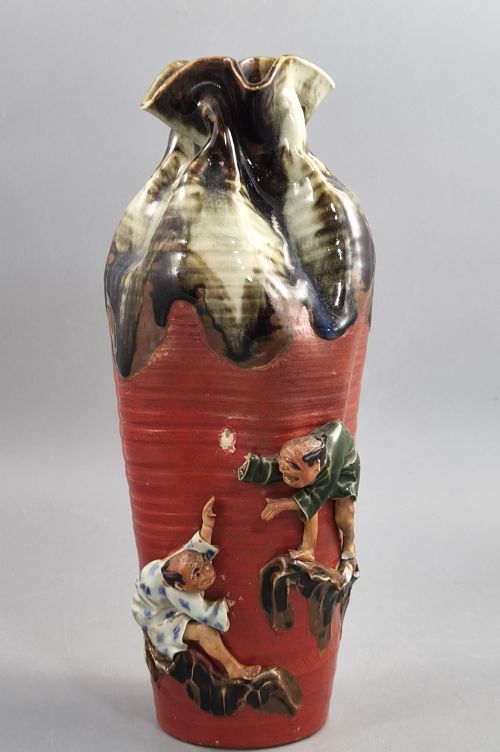
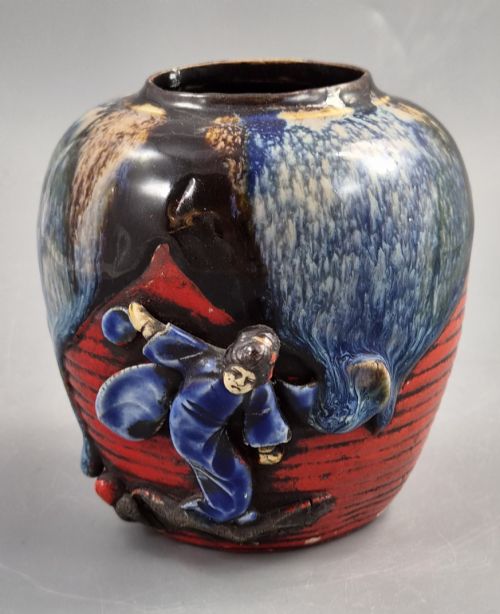
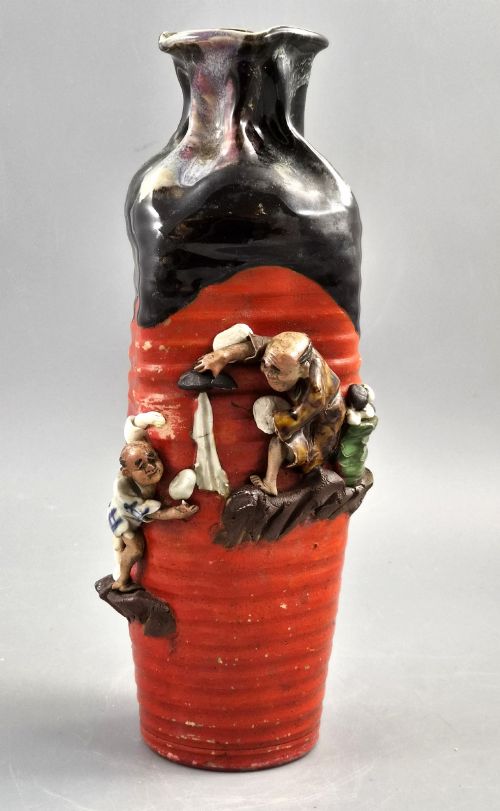
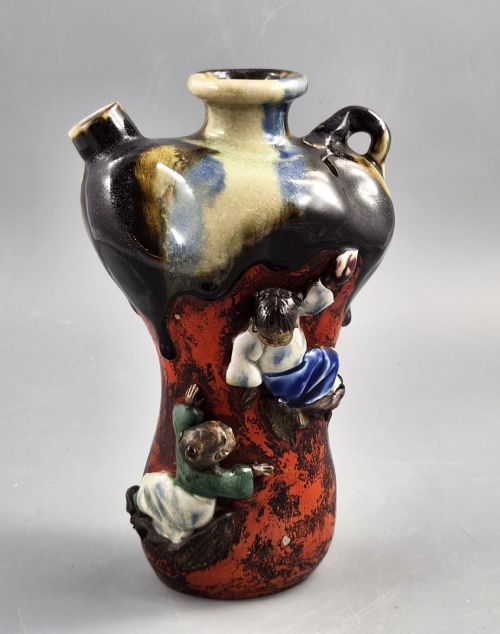
Vessels dominate the available forms, particularly pottery from the Sumida Gawa tradition featuring distinctive applied figures and flambe glazes. You also meet delicate glassware, carved netsuke in boar tusk, and woven bamboo ikebana baskets designed for traditional flower arrangements.
Materials and construction
Potters utilised earthenware and heavy glazes to create textured surfaces, often augmenting vases with hand-modelled clay figures climbing the exterior walls. Metalworkers combined iron with gold and silver inlay, while lacquer artisans applied multiple layers to wooden barware.
Painters employed traditional pigments on glass and paper, occasionally mounting works as multi-panel triptychs. Artisans also worked with natural organic materials like boar tusk for miniature sculptures and woven bamboo for functional baskets.
Listings feature ceramics, lacquerware, metalwork, and paintings produced across the early twentieth century.
Assessing quality
Quality rests in the precision of the hand-applied details, from the fineness of metal inlay on iron plaques to the definition in modelled ceramic figures. The execution of glazes, particularly on Sumida Gawa wares, dictates the visual depth of the surface.
Signed pieces by recognised makers demonstrate superior execution in painting and pottery compared to unsigned workshop output. The preservation of fragile elements like gold leaf, enamel and delicate lacquer determines the overall integrity of each piece.
Inoue Ryosai·Takabatake Kasho·Takashi Nakayama
The Taisho Period Art Glossary
- Sumida Gawa
- A style of Japanese pottery originating near Tokyo, noted for heavy flambe glazes and applied sculptural figures climbing the vessel walls. These pieces are often associated with identifiable studio potters.
- Ikebana
- The traditional Japanese art of flower arrangement, which requires specialised vessels such as deep bamboo baskets and ceramic bowls designed to hold stems securely.
- Kutani
- A style of Japanese painted porcelain and earthenware defined by vibrant colour palettes and figurative or landscape scenes. Figures of deities such as Kannon frequently appear in this tradition.
- Netsuke
- A small carved toggle historically used to secure personal containers suspended from traditional Japanese garments. They are typically sculpted from dense organic materials like wood or tusk.
Taisho Period Art: Frequently Asked Questions
What defines taisho period art?
These works represent Japanese artistic output produced during the reign of Emperor Taisho, characterised by a blend of traditional craftsmanship and early twentieth-century modern influences.
The aesthetic bridges the elaborate ornamentation of the preceding Meiji era with later twentieth-century developments in painting and applied design.
How do I display a sumida gawa vase?
These heavily textured vessels work best as standalone display pieces on stable surfaces where their applied figures and flambe glazes can be examined closely.
Keep them away from direct sunlight and extreme temperature fluctuations to protect the thick glaze and any delicate clay additions.
Were lacquer cocktail sets used in Japan?
Lacquer barware from this era reflects the growing adoption of Western social habits among urban Japanese elites during the early twentieth century.
Craftsmen adapted traditional lacquer techniques to create durable sets intended for serving drinks in modern domestic interiors.
How are meiji and taisho styles separated?
Meiji pieces often display denser ornamentation and rigid symmetry, while Taisho works frequently introduce freer brushwork and simplified modernist forms.
Because production traditions overlapped around the turn of the century, pieces from this transitional window often share characteristics of both periods.