

Tableware Silver Salt Cellar
Tableware silver salt cellar designs bring centuries of dining history to the table, offering both practical condiment holding and remarkable sculptural detail.
Tableware Silver Salt Cellar
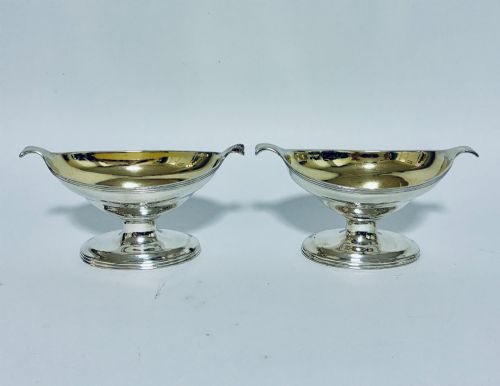
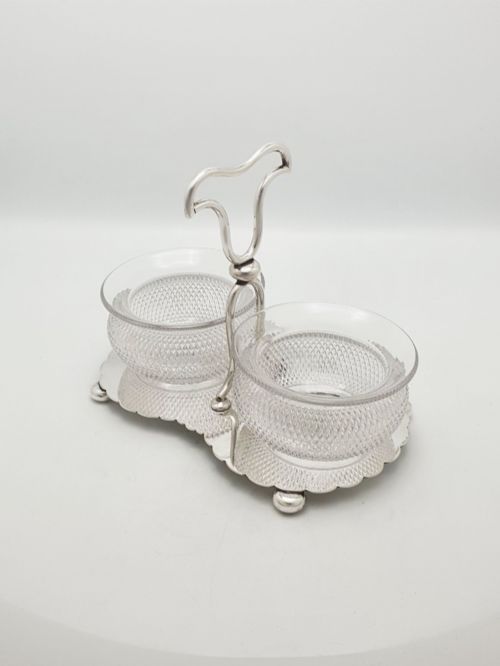
When searching for a tableware silver salt cellar, collectors encounter a diverse range of vessels designed to hold salt and other seasonings on the dining table. These pieces span multiple centuries and include open salt dishes, boat-shaped vessels, and covered pots.
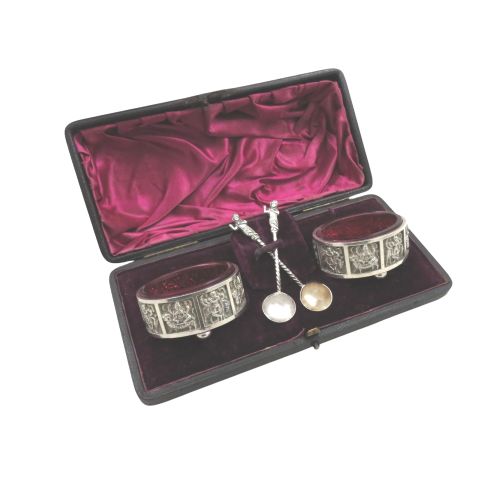
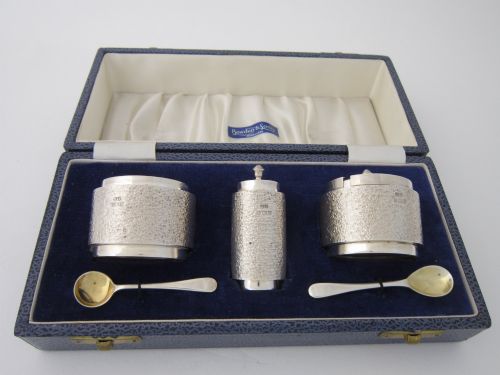
The selections on this page feature heavily in Victorian, Georgian, and Edwardian periods, alongside later Art Deco designs. Many of these salt cellars appear alongside matching spoons, pepper pots, and mustard pots within broader condiment sets.
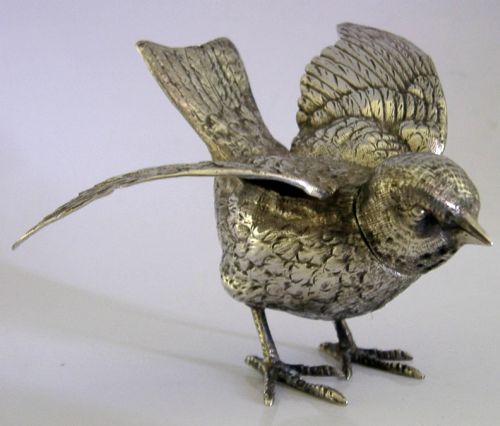
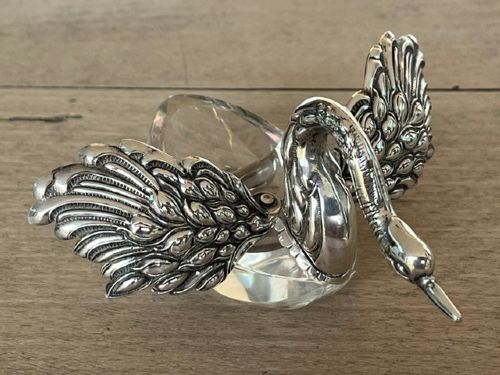
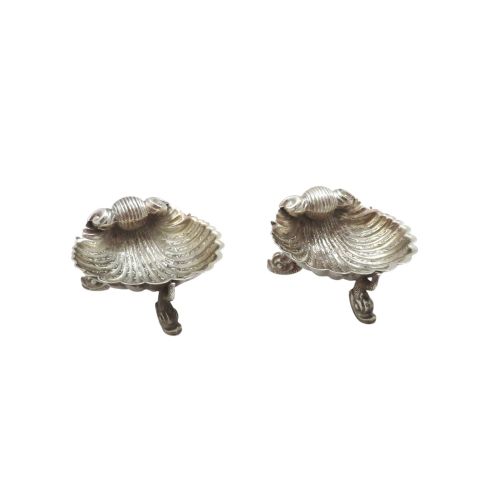
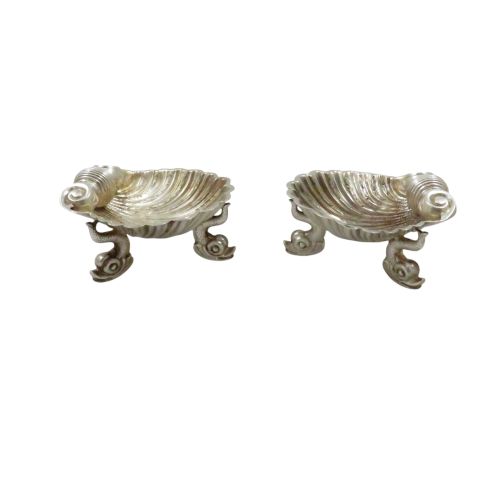
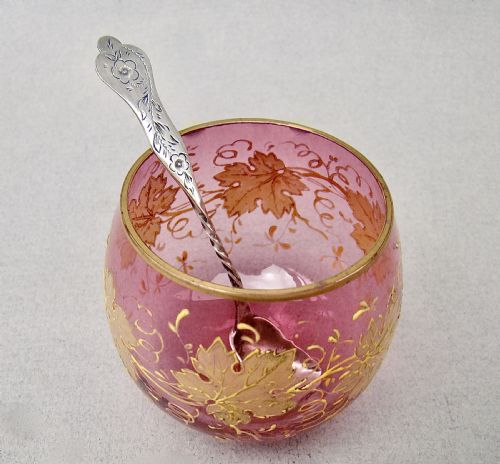
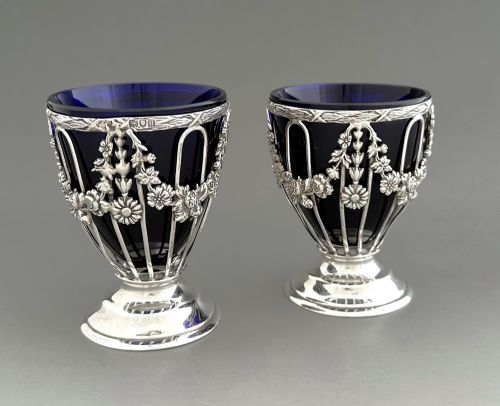
Forms range from simple circular bowls and cauldron shapes to elaborate novelty designs shaped like birds, swans, and shells. Buyers often find these vessels paired with contrasting inserts made from coloured glass.
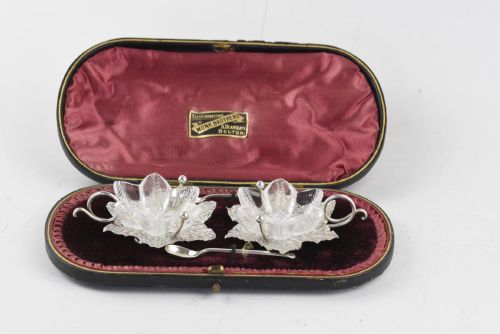
Origins vary from English provincial workshops to continental makers and Scottish silversmiths. Whether housed in fitted presentation cases or standing alone, each piece reflects the dining customs of its era.
How They Were Made
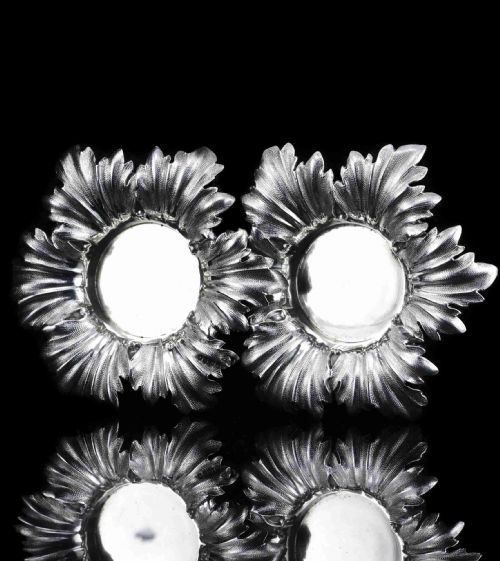
The construction of these items relies on solid sterling silver, silver plate, and cast metal frameworks. Silversmiths utilised techniques such as piercing, chasing, and wirework to create intricate openwork bodies and decorative rims.
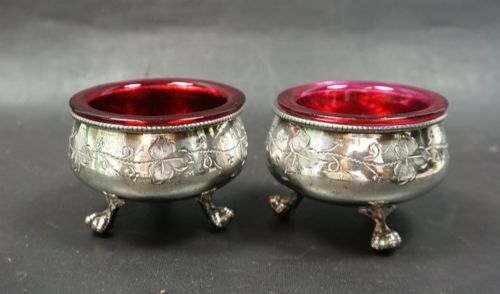
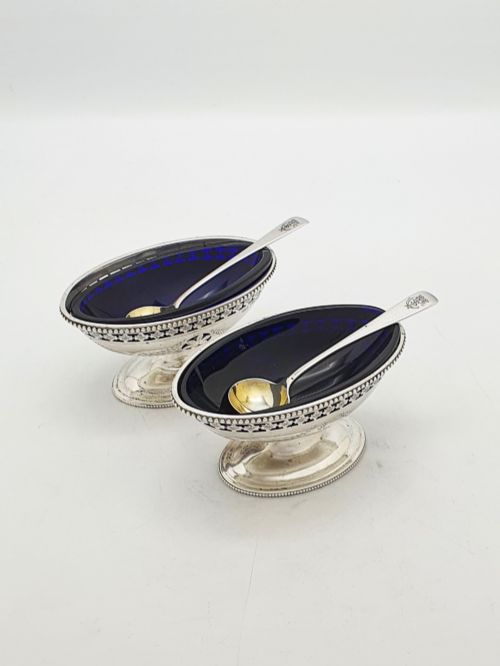
Many open vessels incorporate fragile internal elements, notably blown glass liners in cobalt blue, cranberry, and clear crystal. These liners protected the silver from the corrosive nature of salt.
Support elements frequently include cast components like dolphin feet, claw feet, or miniature animal figures. Gilt interiors are also common, providing an additional layer of protection against tarnishing.
Materials appearing across current items include sterling silver, silver plate, cobalt glass, cut glass, velvet, and gilt accents.
What Varies in Quality
The distinction between standard utility items and exceptional pieces often lies in the crispness of the hand-chased foliage and the weight of the metal. Heavier gauge silver provides a more substantial feel in the hand and resists denting.
The inclusion of original coloured glass liners that fit securely without movement elevates the completeness of a set. Matched sets of four or more vessels demonstrate greater scarcity than isolated single pieces.
Maker attribution through clear hallmarks adds significant weight to a piece. Master silversmiths and recognised workshops executed cleaner lines and more refined casting details than anonymous makers.
John Edmonstone·Paul Storr·Thomas Smily·William Neale·Barnards
The Tableware Silver Salt Cellar Glossary
- Salt cellar
- A small open dish or enclosed vessel used to hold salt at the dining table before the invention of the free-flowing shaker. These were often accompanied by small spoons.
- Cruet set
- A matched group of bottles, jars, or open pots designed to hold various condiments such as oil, vinegar, mustard, and salt. They typically sit together on a dedicated stand.
- Cobalt glass
- A deep blue glass material utilised for the removable liners inside open salt cellars. It provides a striking visual contrast against polished sterling silver.
- Chasing
- A metalsmithing technique where designs are hammered into the front surface of the metal from the outside to create raised ornamentation. This method adds rich texture to foliate patterns.
- Cauldron salt
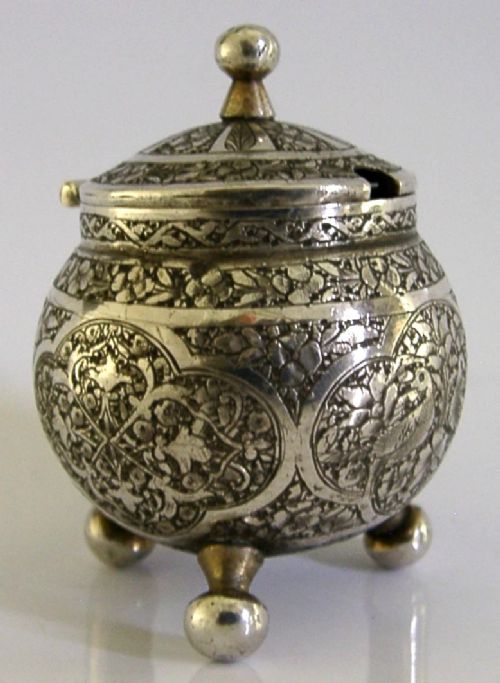
- A small, round salt cellar featuring a rounded body raised on three small legs, mimicking the shape of a traditional cooking cauldron. These are frequently found in Victorian collections.
Tableware Silver Salt Cellar: Frequently Asked Questions
How were salt cellars used on historical dining tables?
Dining guests used salt cellars as communal or individual vessels to take pinches of salt using small dedicated spoons or fingers.
Before free-flowing salt was invented, refined salt sat securely in these decorative open dishes next to each plate.
What is the difference between a salt cellar and a condiment set?
A salt cellar is a single vessel designed exclusively for holding salt during meals. A condiment set gathers multiple vessels together on a stand to hold various table seasonings.
Sets often combine salt cellars with mustard pots and pepper shakers under a unified design style.
Why do many salt cellars feature glass liners?
Glass liners protected the underlying silver from the corrosive chemical action of salt over extended periods of time.
Cobalt and cranberry glass liners also introduced vibrant splashes of colour through pierced silverwork.
How do I care for antique silver salt cellars?
Gentle cleaning with a specialist silver cloth maintains the metal without harming delicate chased details or gilding. Glass liners should be washed separately in warm soapy water.
Preventing prolonged contact with moisture keeps both the silver and any velvet lining in good condition.
How can I tell the age of a silver salt cellar?
Hallmarks stamped onto the metal provide official assay office marks, date letters, and maker details. Stylistic clues such as Aesthetic Movement motifs or Art Deco geometry also indicate the period of creation.