



Tabletop Bookstand
A tabletop bookstand keeps open volumes ready to hand on a desk or table, drawing on centuries of polished timber and pivoting design.
Tabletop Bookstand
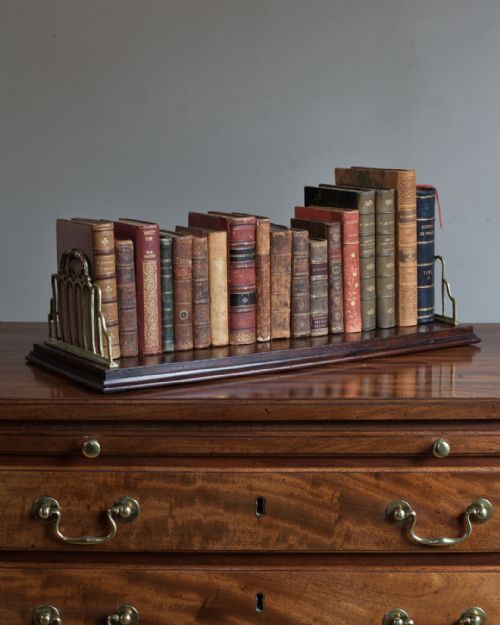
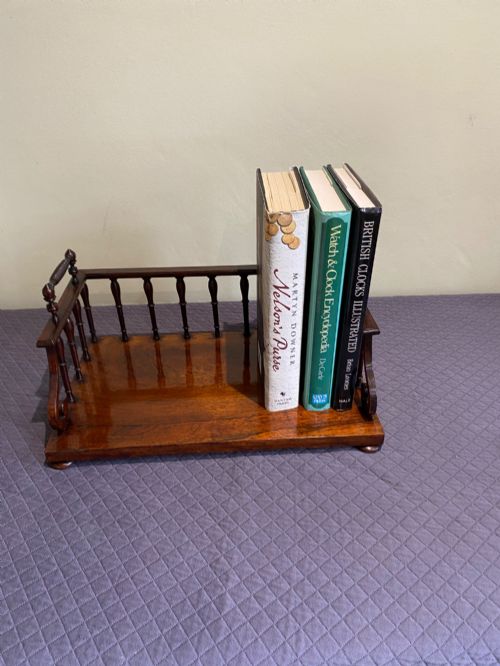
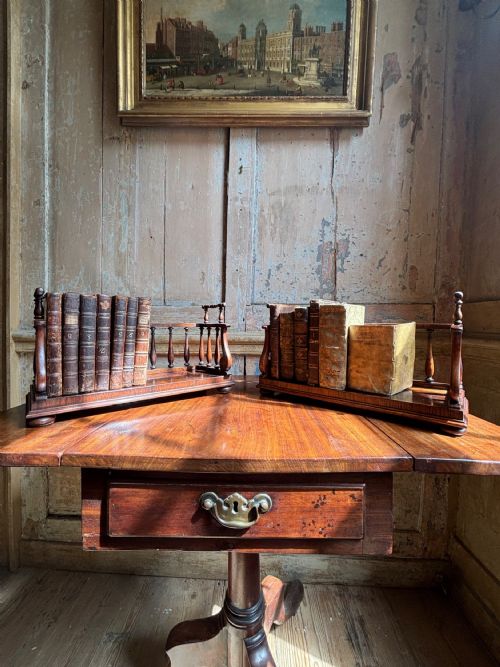
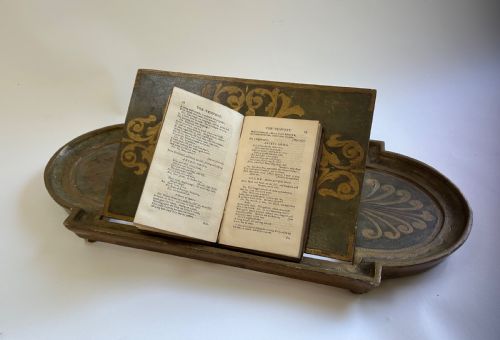
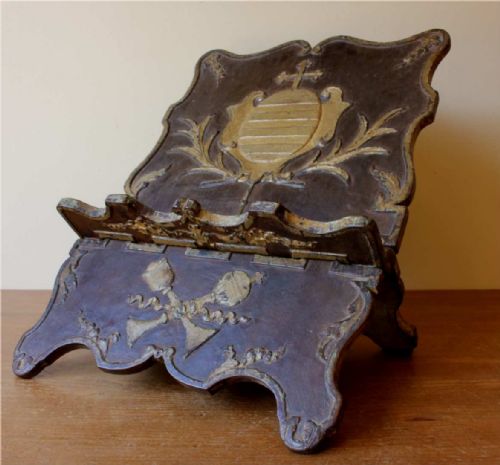
A tabletop bookstand organises and displays bound volumes across surfaces, appearing in forms from expanding slides to folding Missal rests. These pieces serve desks and libraries by holding open references or favourite texts at a readable angle.
The selections available range from Regency rosewood book carriers to Edwardian revolving bookcases and heavy brass lecterns. Buyers encounter stationary rests alongside rotating models and adjustable slides spanning multiple decades of craftsmanship.
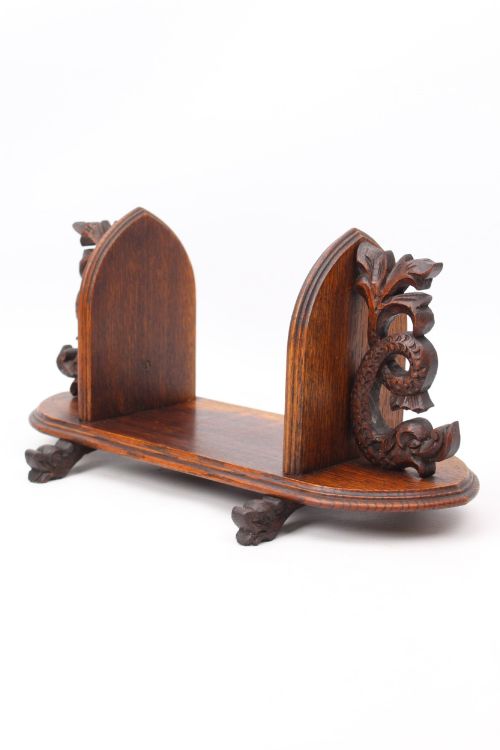
Periods represented stretch from the eighteenth century through the Victorian era and into the early twentieth century, taking in styles such as Gothic Revival and French Baroque. Each object reflects the interior habits of its original period of manufacture.
Materials and construction
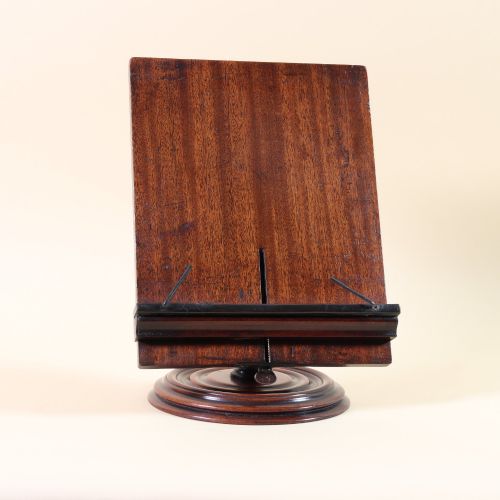
Timbers dominate the construction, with mahogany, oak, rosewood, and walnut providing sturdy foundations for frequent handling. Selected pieces incorporate brass fittings, metal adjustments, and gesso details to reinforce hinges and book supports.
Joinery methods vary according to the form, linking folding hinges on Missal stands with the central pivots of revolving bookcases and the extending mechanisms of book slides. Wood surfaces receive polished finishes that highlight natural grain patterns across different periods.
Tabletop Bookstand Retail Price Guide 2026
Typical asking prices for tabletop bookstand among the pieces listed under this phrase on Sellingantiques today, from the lower quarter to the upper quarter. They describe what is for sale here now, not the wider market.
Listings span the eighteenth, nineteenth, and early twentieth centuries, featuring woods such as mahogany, oak, rosewood, and walnut alongside brass.
Assessing quality and execution
Superior examples display precise timber selection, matching grain patterns across extending slides and folding panels. Fine joinery ensures that moving parts such as pivots and sliding mechanisms operate smoothly without excessive play.
Decorative enrichment distinguishes standard desk accessories from distinguished commissions, such as crisp carving on Gothic Revival oak or careful inlay work on Edwardian revolving cases. The integrity of original brass hardware and hinges further indicates the standard of manufacture.
Gillows
The Tabletop Bookstand Glossary
- Book slide
- An extending stand with adjustable sides designed to hold a variable number of volumes upright on a desk.
- Revolving bookcase
- A compact shelving unit mounted on a rotating base that turns easily to access books from any angle.
- Missal stand
- A folding wooden or metal rest traditionally used to support large service books during reading or display.
- Lectern
- A raised stand with a slanted top designed to hold books or papers for reading aloud.
- Campaign stand
- A portable piece featuring folding or collapsible elements intended for travel or flexible placement.
Tabletop Bookstand: Frequently Asked Questions
How do I use a tabletop bookstand today?
These pieces sit comfortably on desks, side tables, or counter surfaces to hold cookbooks, dictionaries, or current reading material open at a chosen page.
Their adjustable slides and pivoting bases make it simple to change volumes or consult references while working.
What is the difference between a book slide and a revolving bookcase?
A book slide rests flat on a surface with expanding ends that press inward to support a row of books between two terminals.
A revolving bookcase stands vertically on a rotating pivot, offering multiple compartments for storing volumes around a central axis.
How can I tell an Edwardian stand from a Regency one?
Regency stands frequently employ dark rosewood or mahogany with understated lines and classical proportions, often reflecting formal library standards.
Edwardian pieces tend to introduce lighter oak, walnut, or Arts and Crafts influences alongside practical revolving mechanisms.
Are brass and metal stands sturdy enough for heavy books?
Brass and metal versions provide rigid structural support, making them well-suited for heavy missals, ledgers, and large reference volumes.
Their hinged frames lock securely into position to bear significant weight without slipping.