





Sycamore Wood Table
These sycamore wood table examples span periods from the eighteenth century to the art deco era, offering robust timber surfaces suited to daily use.
Sycamore Wood Table
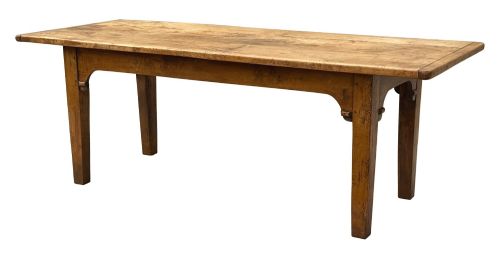
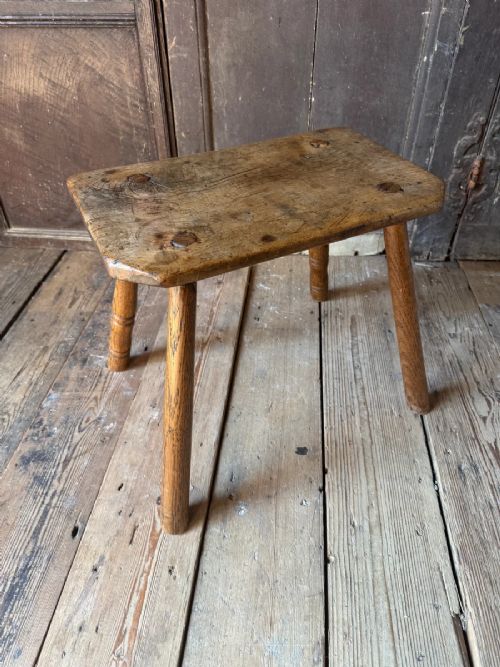
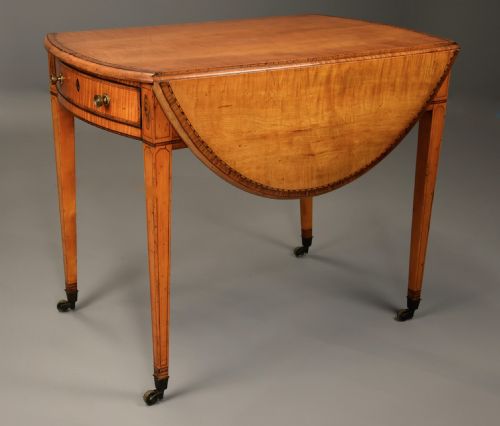
A sycamore wood table appears in several distinct historical forms, ranging from large nineteenth-century farmhouse kitchen dining tables to compact occasional and bedside pieces. Buyers searching for a sycamore wood table will encounter provincial trestle designs alongside finer pembroke and centre tables from the Regency and Victorian periods.
The material displays a pale, even grain that often takes a scrubbed finish, particularly on French provincial and country rustic examples. Many pieces combine sycamore with elm, oak, or ash, creating utilitarian surfaces built for hard domestic service.
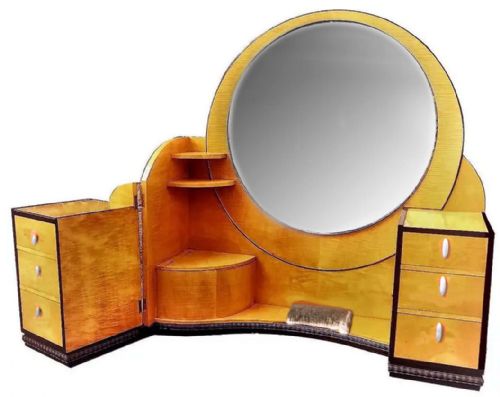
Art deco examples from the nineteen-thirties introduce geometric lines and dressing table stools into the repertoire, sometimes featuring inlaid work or fabric covers. These variations demonstrate how cabinetmakers adapted the timber across different stylistic movements while retaining its pale character.
Construction and materials
Makers utilised solid sycamore boards often paired with secondary hardwoods like oak, ash, and elm for structural frames and trestle bases. Joinery techniques relied on traditional pegged joints and solid timber construction to withstand heavy use in kitchens and workshops.
Surface finishes range from scrubbed raw timber to polished exhibition quality tops featuring fine fiddleback figuring and brass fittings. The combination of dense sycamore tops with robust framing ensured long-term durability across both rustic vernacular items and refined parlour furniture.
Sycamore Wood Table Retail Price Guide 2026
Typical asking prices for sycamore wood table among the pieces listed under this phrase on Sellingantiques today, from the lower quarter to the upper quarter. They describe what is for sale here now, not the wider market.
Listings combine eighteenth-century provincial pieces with art deco bedside tables, showcasing sycamore alongside elm, oak, brass, and velvet.
Judging quality and character
Quality in these pieces rests upon the grain figuring of the timber, such as fiddleback patterns, and the integrity of the original construction. Higher-tier examples display sophisticated parquetry, inlay, or attribution to notable workshops like Jackson and Graham.
Provincial utility pieces depend on the depth of patination gained through decades of scrubbing and wear. Pieces retaining their structural bracing and uncompromised timber thicknesses stand apart from heavily altered or restored examples.
Betty Joel·Jackson and Graham
The Sycamore Wood Table Glossary
- Sycamore
- A dense hardwood known for its pale, creamy colour and tight grain structure. It provides a durable surface favoured for kitchen and vernacular furniture.
- Fiddleback
- A type of figure in timber where the grain ripples in a way that resembles the back of a violin. This optical effect catches the light and denotes superior material selection.
- Trestle table
- A table construction consisting of two or more support frames connected by a horizontal beam. This form provides robust stability for large dining surfaces.
- Pembroke table
- A small table with hinged drop leaves on either side, introduced in the eighteenth century. It typically includes one or two small drawers.
- Centre table
- A freestanding table designed to be viewed from all sides and placed in the middle of a room. Regency and Victorian examples often feature elaborate pedestal or pillar bases.
Sycamore Wood Table: Frequently Asked Questions
How do I clean a sycamore wood table?
Scrubbed surfaces tolerate mild soap and warm water applied sparingly with a soft brush along the grain. Dry the timber thoroughly afterwards to prevent moisture rings.
Polished or waxed tops require only a soft cloth and occasional application of appropriate furniture wax. Avoid silicone sprays that build up and attract dust over time.
Are these tables suitable for daily dining?
Most vernacular and farmhouse examples were built specifically for heavy domestic tasks and kitchen use. Their robust hardwood construction handles regular family meals with ease.
Finer pembroke or inlaid centre tables demand more care regarding heat and moisture. Using placemats and coasters protects delicate polishes on nineteenth-century specimens.
What is fiddleback sycamore?
Fiddleback describes a natural rippling effect in the wood grain that reflects light across the surface. Cabinetmakers selected this figured timber for high-status pieces to create visual depth.
This grain pattern appears most frequently on eighteenth and nineteenth-century tables intended for display rather than rough utility work.
How do I date an antique sycamore table?
Dating relies on construction methods, tool marks, and stylistic indicators matching periods like Regency, Victorian, or Art Deco. Hand-cut dovetails and pegged joinery point to earlier vernacular production.
Turned legs, brass casters, and specific hardware styles help narrow down the decade of manufacture. Comparing secondary timbers also assists in confirming the era.