


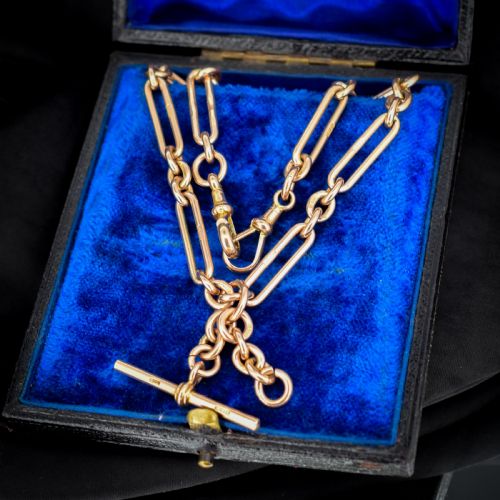


Swivelling Watch Fob
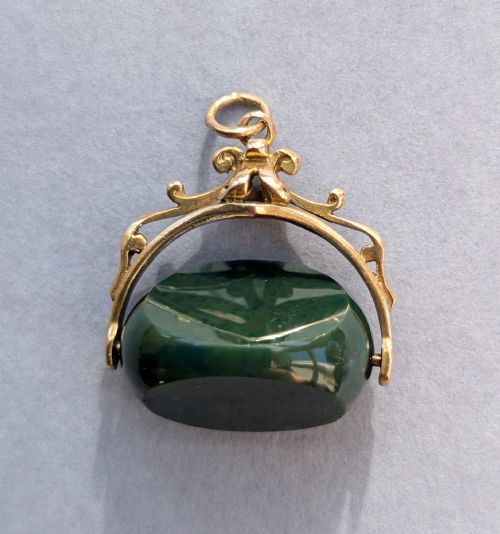
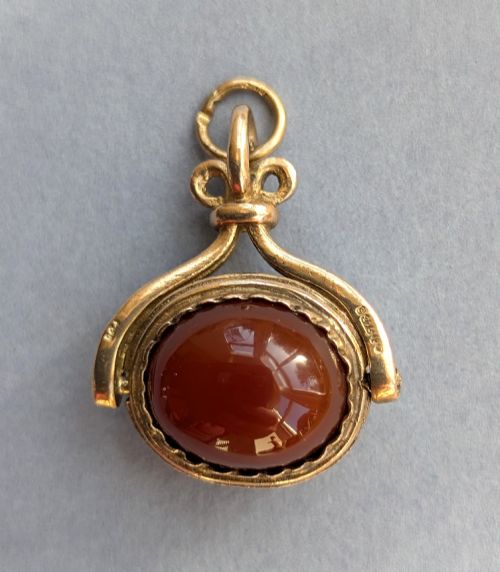
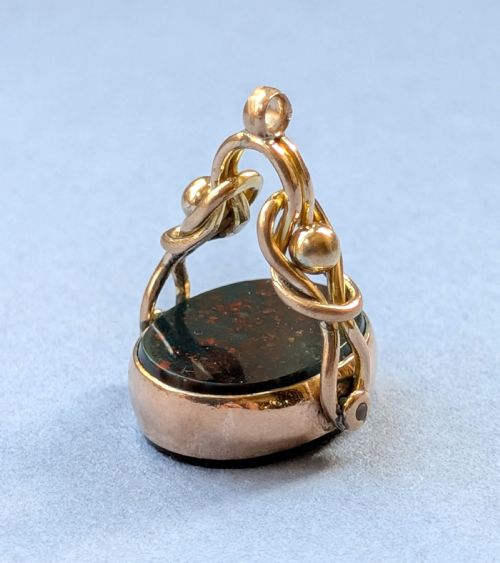
A swivelling watch fob is a turning desk seal or charm designed to pivot on a bail, worn alongside pocket watch chains.
Swivelling Watch Fob
A swivelling watch fob forms a distinctive category of antique jewellery designed to suspend from pocket watch chains or wear as pendants.
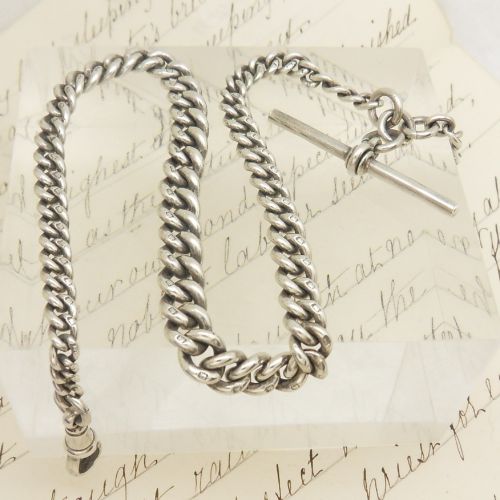
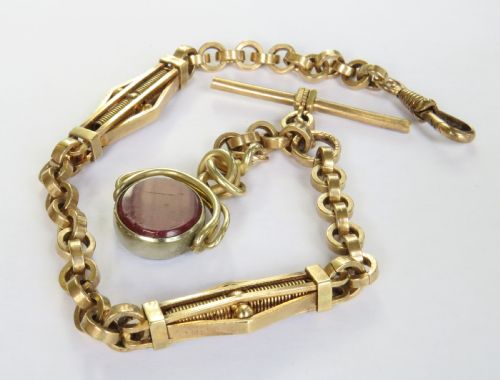
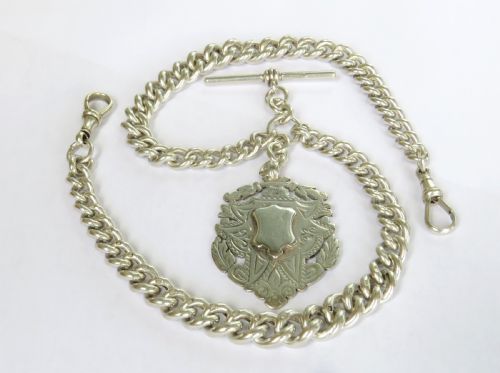
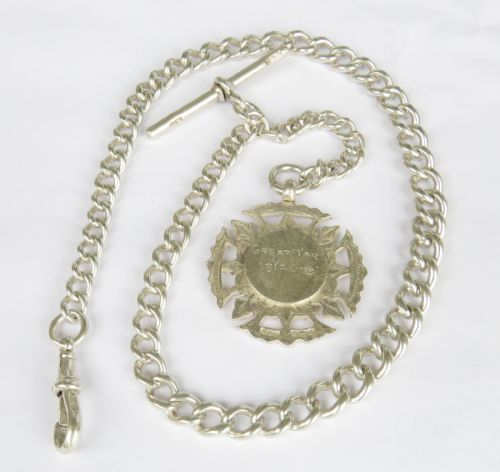
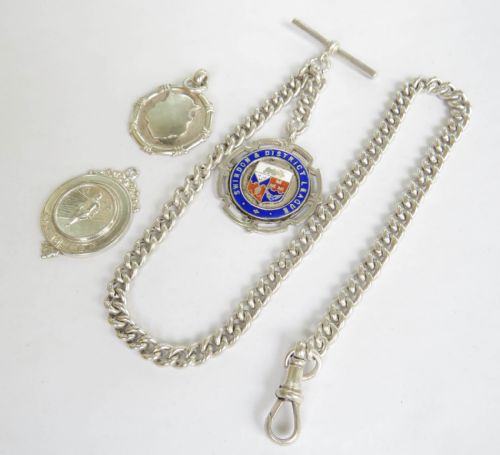
The pieces appearing on this page span the Georgian, Victorian, Edwardian, and Art Deco periods, encompassing both standalone spinning fobs and complete pocket watch albert chains fitted with swivelling seals.
The most common formats met here combine precious metals like sterling silver and 9ct gold with rotating hardstone centres.
How They Were Made
Metalsmiths constructed these items using sterling silver, rolled gold, and various carats of gold including 9ct rose gold, 9ct yellow gold, and 18ct yellow gold.
The rotating mechanism relies on a central axis pin allowing the bezel to pivot freely between a decorative stirrup or bow.
Set stones typically feature shaped bloodstone, carnelian, agate, citrine, and enamel panels fitted tightly into metal bezels.
Swivelling Watch Fob Retail Price Guide 2026
Typical asking prices for swivelling watch fob among the pieces listed under this phrase on Sellingantiques today, from the lower quarter to the upper quarter. They describe what is for sale here now, not the wider market.
Stones mounted within the spinning bezels include carnelian, bloodstone, agate, and citrine, alongside enamel and engraved metal faces.
What Varies in Quality
The distinction between tiers rests upon the choice of solid precious metals against rolled gold, alongside the weight and gauge of associated albert chains.
Stone selection introduces further variation, where natural hardstones like bloodstone, carnelian, and faceted citrine display superior depth compared to simpler enamel panels.
The precision of the swivelling pivot mechanism and the crispness of any engraved heraldry or initials determine the overall execution of the piece.
The Swivelling Watch Fob Glossary
- Swivelling watch fob
- A pendant mechanism featuring a central axis that allows the dual-sided stone or seal to rotate end over end.
- Albert chain
- A heavy pocket watch chain named after Prince Albert, worn across the waistcoat or around the neck.
- Bloodstone
- A dark green chalcedony flecked with red jasper spots, frequently mounted as the sealing face of a fob.
- Carnelian
- A brownish-red variety of chalcedony that takes a high polish and appears regularly on spinning fobs.
- T bar
- A short transverse metal bar attached to a watch chain, used to secure the chain through a buttonhole.
Swivelling Watch Fob: Frequently Asked Questions
What is a swivelling watch fob?
A swivelling watch fob is a small ornamental seal or charm attached to a pocket watch chain by a pivoting bail. The central stone or metal face turns on an axis to present different sides.
These pieces were historically used to impress wax seals on correspondence or simply worn as decorative pendants. Today they appear primarily on watch chains or suspended from necklaces.
How do you wear a watch fob today?
Watch fobs can be suspended from antique albert chains across a waistcoat, waistcoat pocket, or worn directly on a chain as a pendant. The swivelling action allows the piece to move freely against the wearer.
Matching a gold or silver fob to an appropriate metal chain completes the traditional configuration seen across Victorian and Edwardian examples.
What materials are used in these fobs?
Materials include sterling silver, rolled gold, and 9ct or 18ct gold housings enclosing hardstone faces. Common stones are carnelian, bloodstone, agate, and citrine.
Some specimens incorporate enamel panels or decorative engraving on the metal mounts rather than polished gemstone faces.
How are different periods identified?
Periods are distinguished by metal hallmarks, stylistic shifts, and mounting designs. Georgian examples often feature heavier gilt mounts, while Victorian and Edwardian pieces frequently utilise 9ct gold or sterling silver.
Art Deco items introduce faceted stones like citrine paired with geometric proportions typical of the 1920s.