
Swivel Mirror Vanity Table
A swivel mirror vanity table brings timeless elegance to any room while offering practical reflection for daily routines.
Swivel Mirror Vanity Table
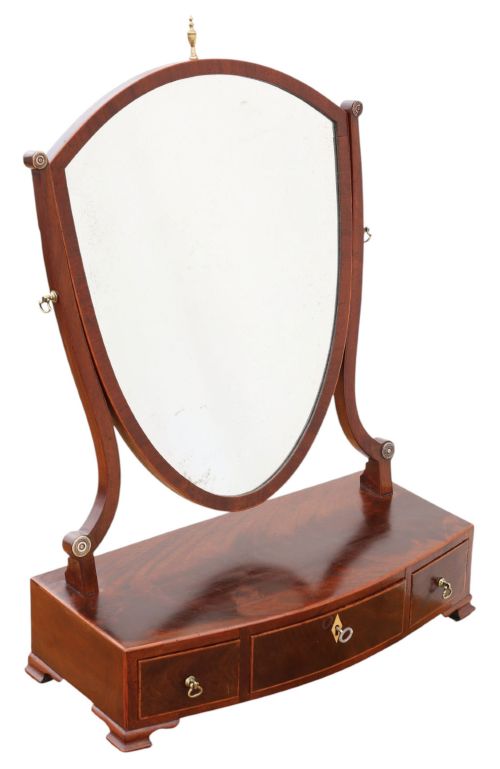
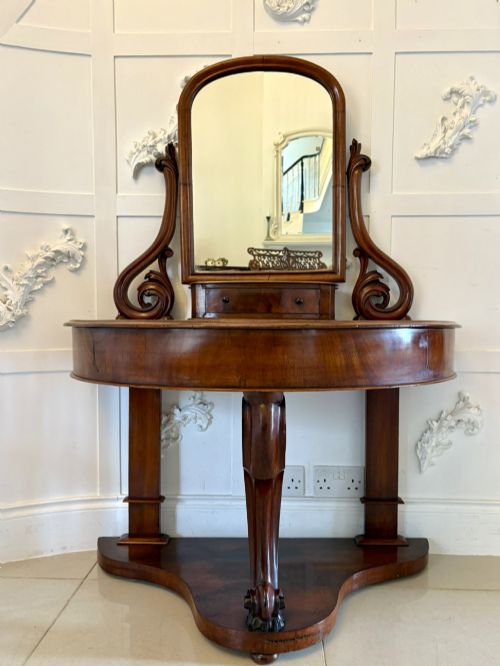
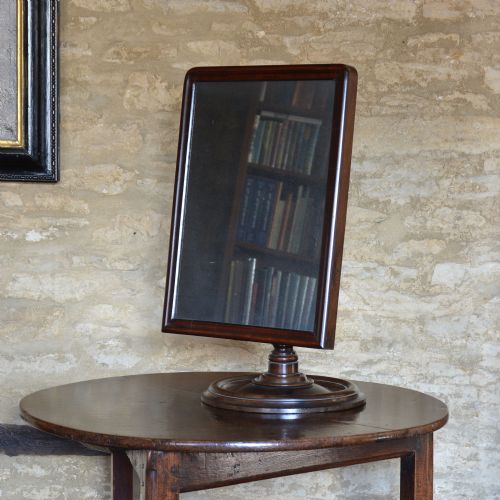
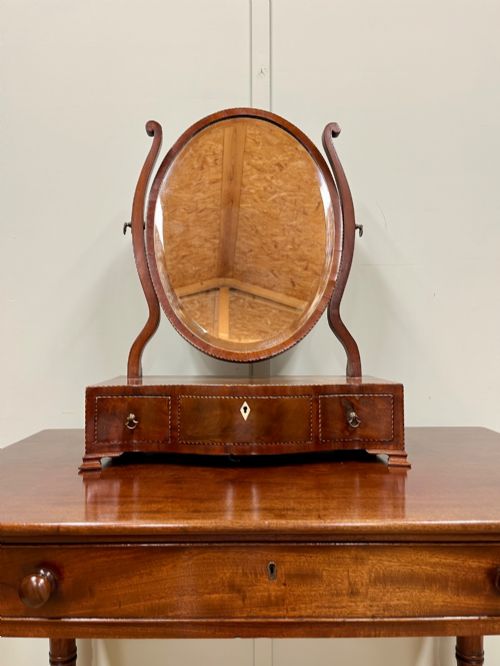
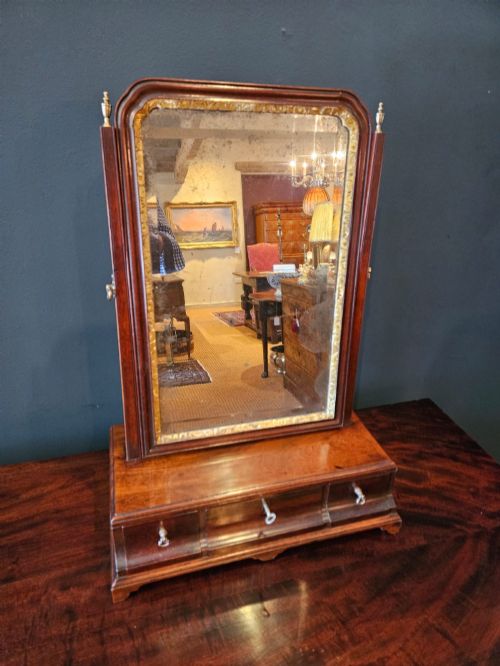
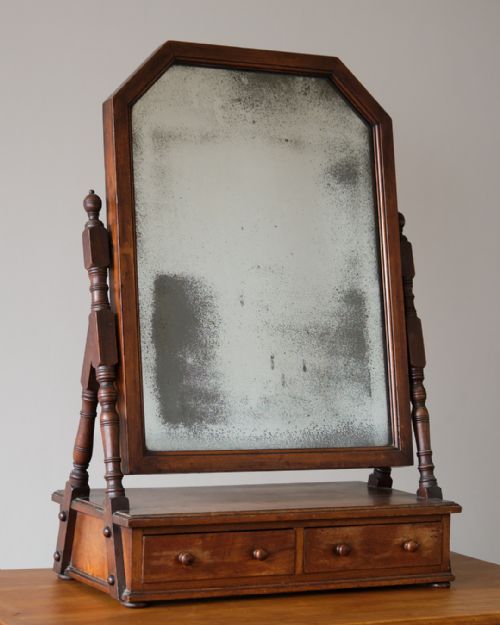
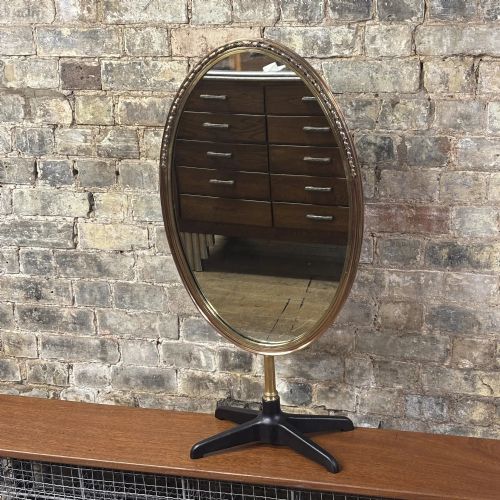
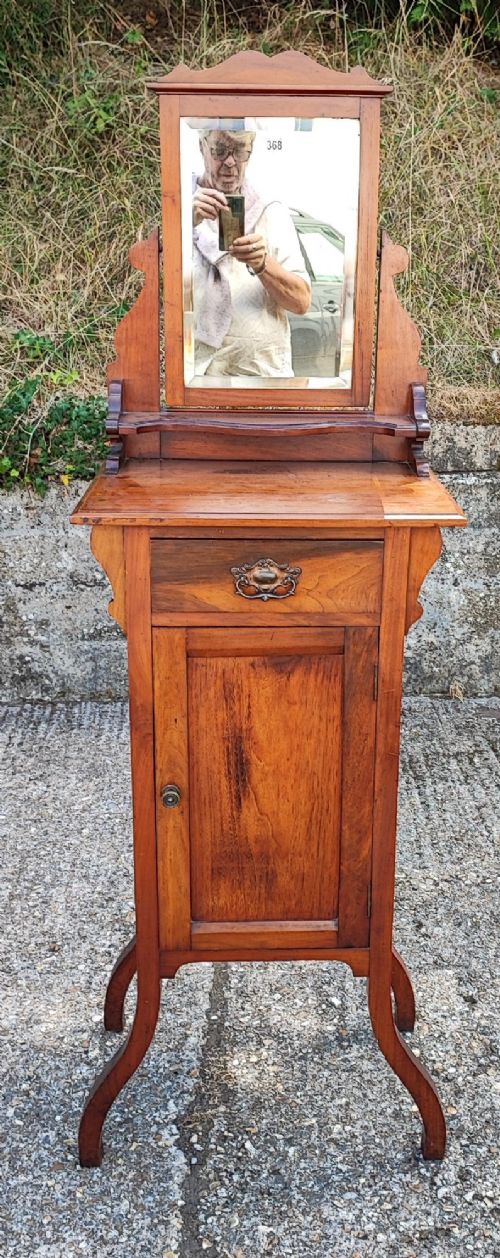
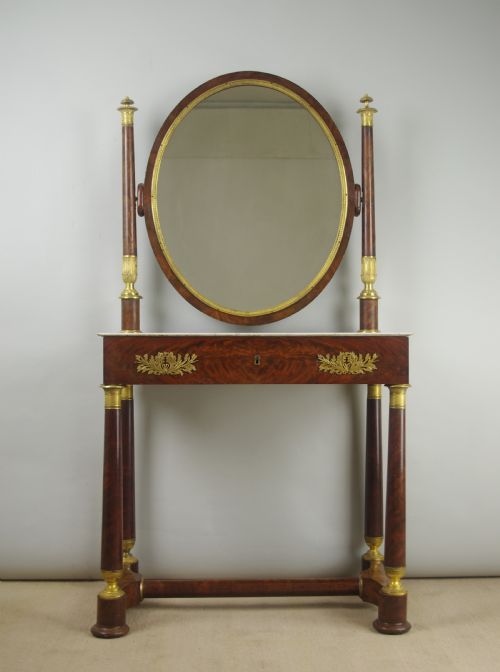
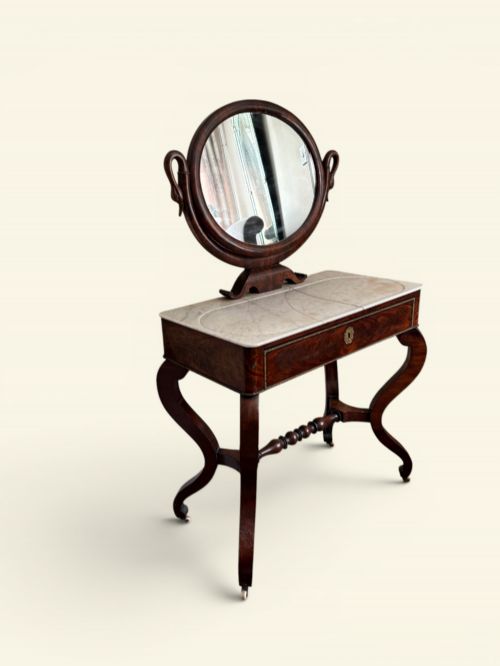
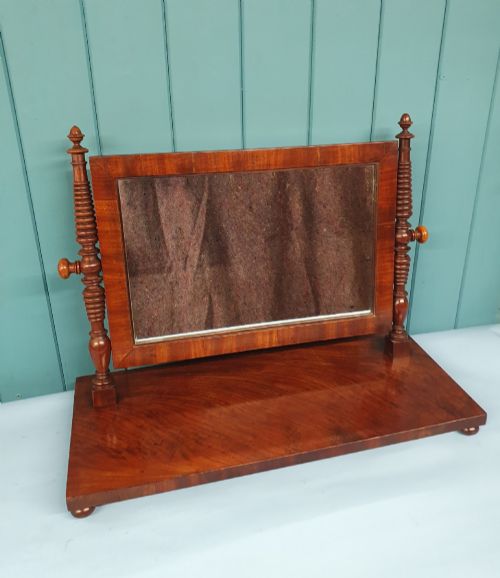
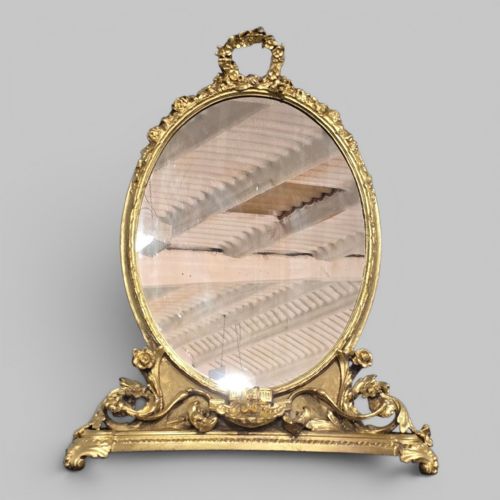
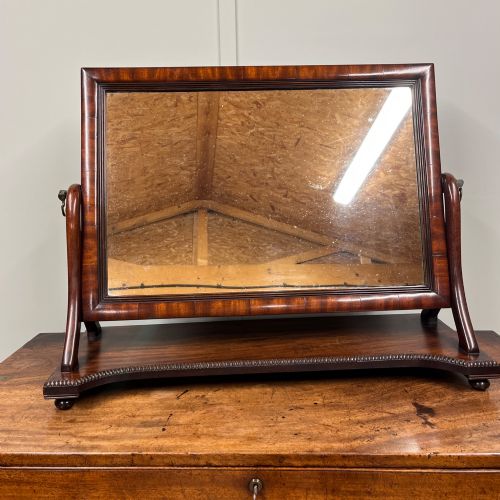
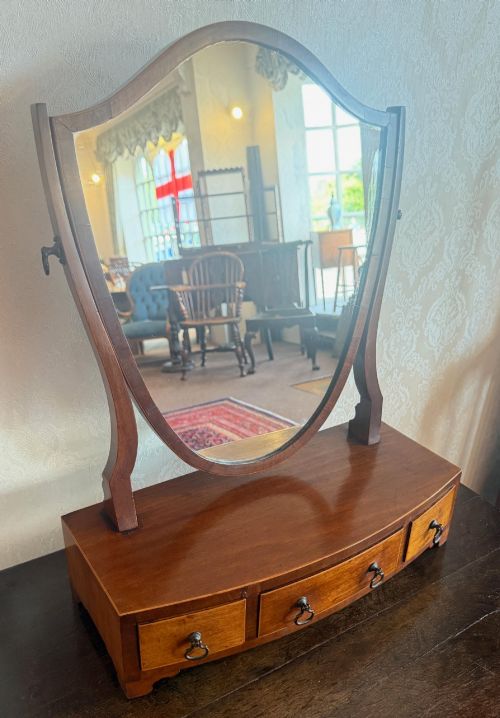
A swivel mirror vanity table combines a functional desktop or chest with an adjustable glass frame designed for personal grooming. When you search for a swivel mirror vanity table, you encounter an array of forms from tabletop swing mirrors to full pedestal dressing tables.
The pieces listed span multiple eras including the Georgian, Victorian, and Edwardian periods, utilising materials such as mahogany, walnut, and oak. Most items you meet on this page are mahogany toilet mirrors and standing dressing tables featuring pivoting glass plates.
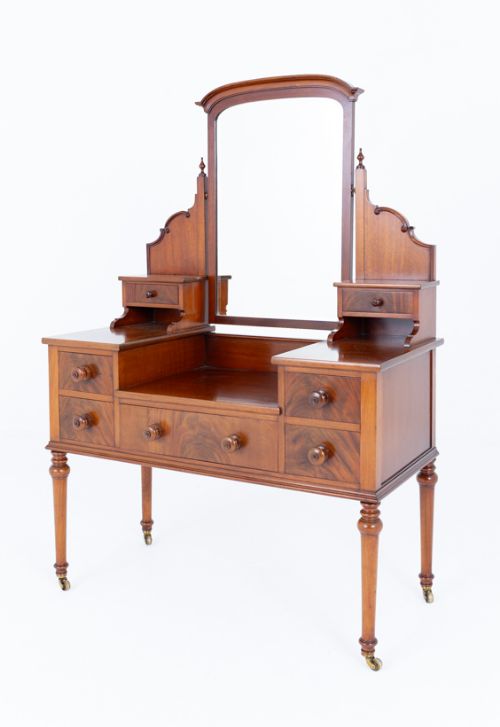
Originating from workshops across Britain and Europe, these items serve as both decorative furniture and utilitarian dressing pieces. The forms range from compact tabletop swing mirrors with small drawer bases to grand walnut Duchess dressing tables.
Materials and construction techniques
Makers utilised dense timbers such as mahogany, walnut, and oak to build the structural frames and drawer boxes. These woods provide the necessary weight and stability to support the pivoting mirror above.
Glass plates are held within adjustable frames connected to upright arms by brass or metal pivots, allowing the mirror to tilt smoothly. Detail work often incorporates boxwood stringing, parcel-gilt highlights, or intricate marquetry patterns.
Some nineteenth-century models doubled as scientific optical mirrors, proving that even morning routines once required a touch of laboratory precision.
Distinguishing quality across examples
The calibre of a piece rests upon the selection of timber, such as figured mahogany or burr walnut, and the crispness of the joinery in the drawer construction. Superior examples exhibit finely dovetailed joints and well-balanced proportions between the mirror frame and the base.
Originality of the glass and hardware greatly influences the integrity of the piece. Subtle details like hand-cut brass screws, well-cast mounts, and undisturbed secondary woods distinguish finer workshop production from standard utility items.
Heal & Sons·Thomas Rubergall of London
The Swivel Mirror Vanity Table Glossary
- Swing mirror
- A glass plate mounted on vertical pivots within a frame, allowing the user to adjust the viewing angle. This mechanism is central to every dressing mirror.
- Toilet mirror
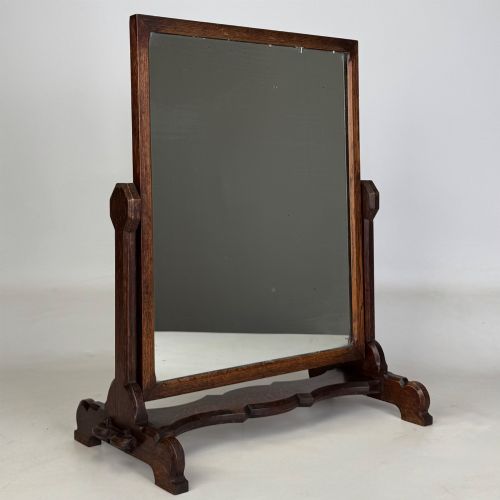
- A smaller tabletop mirror, often fitted with a small box base containing drawers, designed for placement on a chest or table. These were commonly used for grooming before large standing dressing tables became widespread.
- Cheval mirror
- A full-length standing mirror supported by a freestanding frame with four legs. They allow the viewer to see their entire outfit.
- Parcel-gilt
- Partially gilded with gold leaf to highlight specific carved details or mouldings on a wooden frame. This technique adds subtle contrast to mahogany and walnut pieces.
Swivel Mirror Vanity Table: Frequently Asked Questions
How do I date a swivel mirror?
Dating relies on examining the construction of the drawer dovetails, the type of secondary wood used inside, and the characteristics of the glass plate. Earlier Georgian examples often feature hand-bevelled glass and lighter timber scantlings.
Later Victorian and Edwardian pieces show machine-sawn elements and different framing styles. Comparing the overall proportions and decorative motifs against known period styles helps narrow the decade of manufacture.
Where should I place a table top mirror?
These mirrors suit placement on top of a solid chest of drawers, a sideboard, or a dedicated dressing desk. Ensure the supporting surface is level and deep enough to bear the weight of the base.
Positioning the piece near a natural light source enhances the reflection for daily grooming while displaying the timber grain.
What is the difference between a toilet mirror and a vanity table?
A toilet mirror is a compact tabletop accessory featuring a pivoting glass frame and a small drawer base. It is designed to sit on top of existing furniture.
In contrast, a vanity table is a complete piece of furniture incorporating the dressing surface, drawers, and often an attached or matching mirror into a single unit.
How do I maintain the pivot mechanism?
The brass screws or pins that hold the mirror in place should be checked periodically to ensure they are neither too loose nor overly tight. Gentle adjustment prevents strain on the wooden upright arms.
Avoid using harsh chemical polishes on the metal hardware or the wood surface. Regular dusting with a soft dry cloth preserves the finish.