


Curved Leg Dressing Table
A curved leg dressing table brings together period craftsmanship and sweeping timber lines, offering a practical vanity space with considerable decorative presence.
Curved Leg Dressing Table
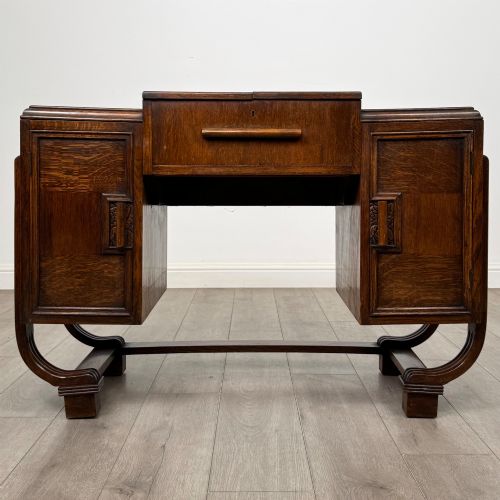
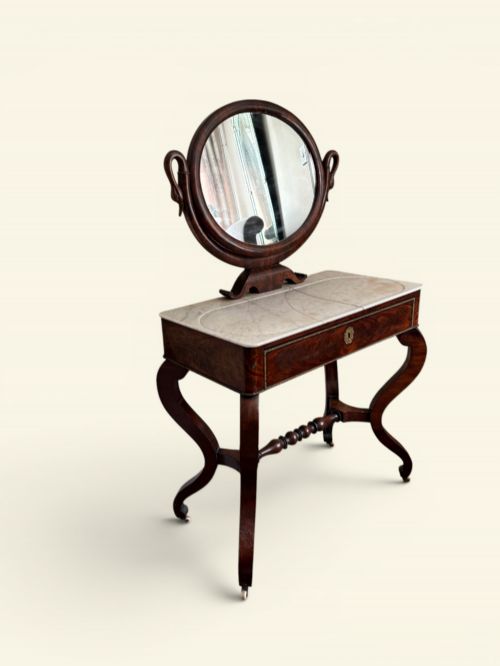
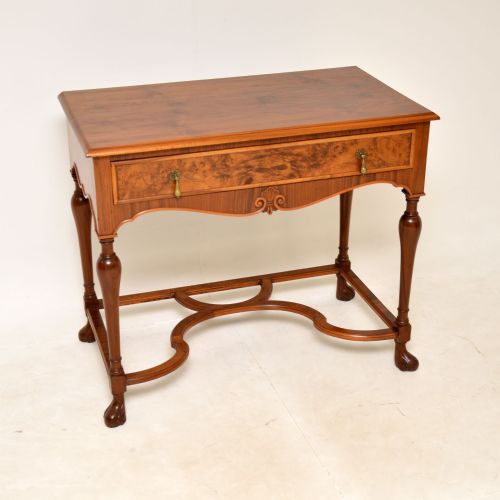
When you search for a curved leg dressing table, you enter a category of antique furniture that spans the eighteenth century through to the art deco period. These pieces combine functional surface areas and storage with distinct cabriole or swept leg supports that soften the silhouette of a bedroom or dressing room.
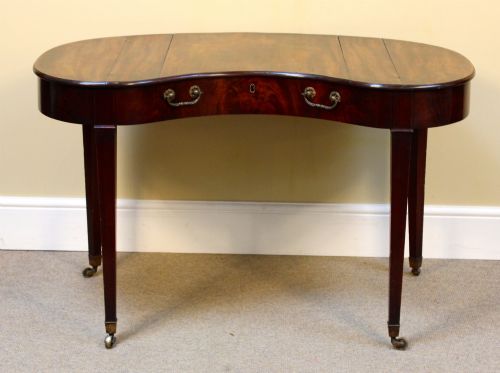
You are most likely to encounter walnut, mahogany, and burr walnut examples on this page, alongside occasional oak and rosewood variants. Forms range from kidney-shaped writing desks to marble-topped French dressing pieces and Georgian bow-front designs, reflecting styles from Queen Anne Revival to 1930s modernist lines.
How they were made
Cabinetmakers constructed these pieces using solid timbers like mahogany and oak for structural integrity, often applying figured walnut or burr walnut veneers to display striking grain patterns across curved drawer fronts and tops. Brass handles, leather inset writing surfaces, and shaped marble slabs appear on specific periods and regional variations.
The characteristic curves require skilled joinery, particularly in shaping the cabriole legs or bow fronts to maintain strength while achieving a fluid outline. Secondary timbers support the internal drawer construction, while traditional hand-applied finishes protect the wood and highlight its natural colour.
Some nineteenth-century tables feature sneaky hidden drawers designed for secret correspondence.
What varies in quality
The distinction between ordinary and exceptional pieces rests on the choice of timber and the precision of the joinery. Fine examples feature symmetrical veneer matching, particularly on burr walnut or figured walnut surfaces, where the grain flows naturally across the drawers and top.
Proportion and the execution of the curved legs dictate the visual grace of the piece. Superior construction shows tight joints, original brass hardware, and careful detailing that survives intact through decades of domestic use.
Harry and Lou Epstein
The Curved Leg Dressing Table Glossary
- Cabriole leg
- A furniture leg that curves out and then in, resembling the leg of an animal. This form became a defining feature of eighteenth-century and revival seating and table supports.
- Burr walnut
- A wood grain obtained from the wart-like growths on walnut trees, prized for its swirling, intricate patterns. Cabinetmakers used it as a veneer on high-status tables and desks.
- Bow front
- A convex curved front profile common on chests, sideboards, and dressing tables. It softens the rectangular geometry of case furniture.
- Kidney shaped
- A curved, kidney-like top surface designed to fit closely against the user. It is frequently seen on nineteenth-century and art deco writing desks.
- Marble top
- A polished stone slab fitted to the surface of a dressing table or console. It provided a durable, water-resistant working area for grooming.
Curved Leg Dressing Table: Frequently Asked Questions
What periods do these tables come from?
The pieces listed here span several centuries, including Georgian, Victorian, Edwardian, and 1930s art deco eras. Each period brings distinct proportions and timber choices to the curved leg form.
You will find everything from eighteenth-century French designs with marble tops to twentieth-century figured walnut dressing desks and stools.
How were these dressing tables used?
They served as dedicated stations for personal grooming, writing, and storage in period bedchambers and dressing rooms. The surface held mirrors, brushes, and cosmetics while drawers kept personal items close at hand.
Many designs also double effectively as writing desks or console tables in modern living spaces.
Are the tops usually wood or stone?
Most examples feature timber tops, often finished in mahogany, walnut, or burr walnut with polished surfaces or inset leather panels. Certain French styles incorporate fitted marble slabs designed to resist cosmetic spills.
Both finishes require routine care to maintain their original lustre and protect the underlying wood.
How do I identify a revival piece?
Revival pieces often imitate eighteenth-century styles such as Queen Anne or Hepplewhite, utilising period silhouettes combined with twentieth-century construction methods and timber preparation. Examining the interior secondary woods and drawer linings usually clarifies the actual age.
Stylistic cues alone can sometimes blend eras, making construction details the most reliable guide to dating.
Can I use a dressing table as a desk?
Many dressing tables and kidney-shaped writing tables function well as compact desks in contemporary rooms. Their kneehole spaces and surface areas accommodate modern writing tasks and laptops comfortably.
Check the height from the floor to the underside of the drawers to ensure adequate legroom for daily seating.