


Swiss Wind Up Watch
These Swiss wind up watch examples are mechanical timepieces driven by mainsprings, offering a tactile connection to horological history that collectors value.
Swiss Wind Up Watch
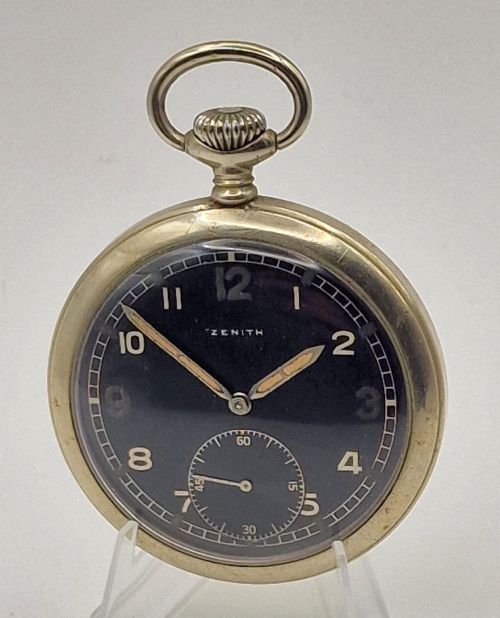
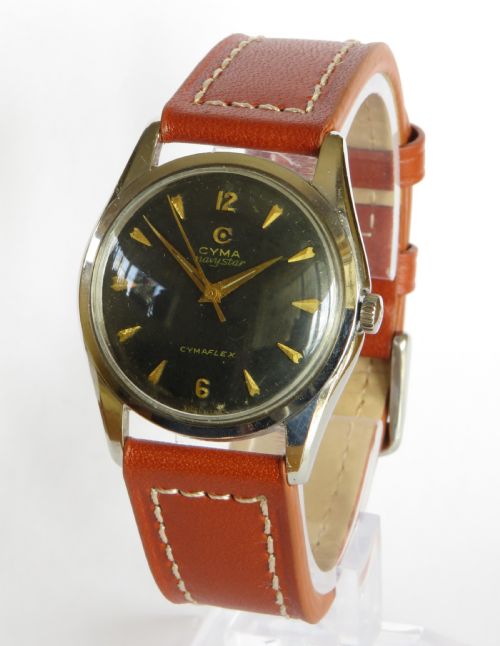
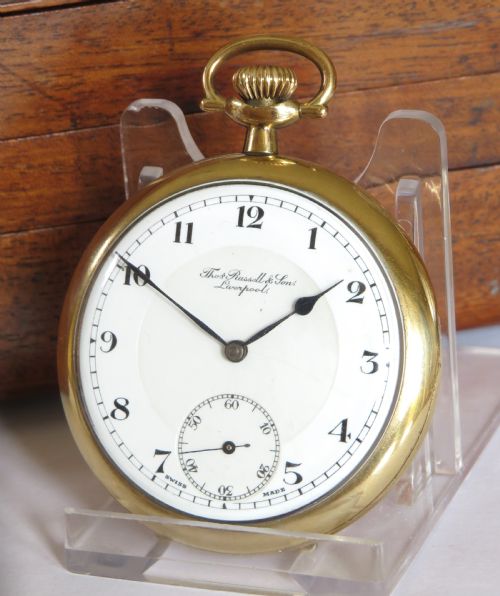
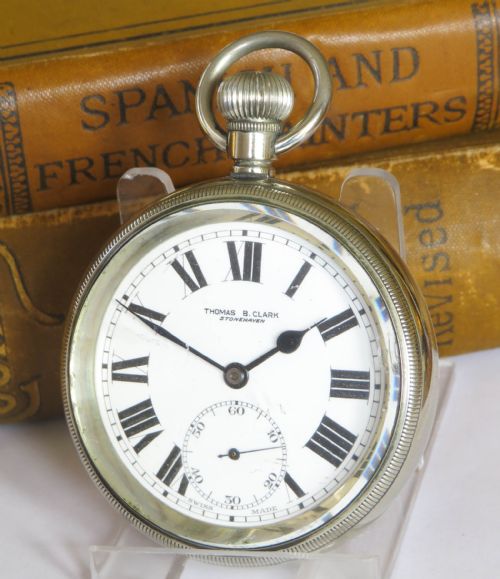
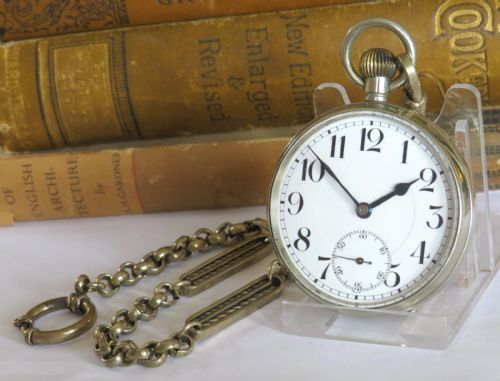
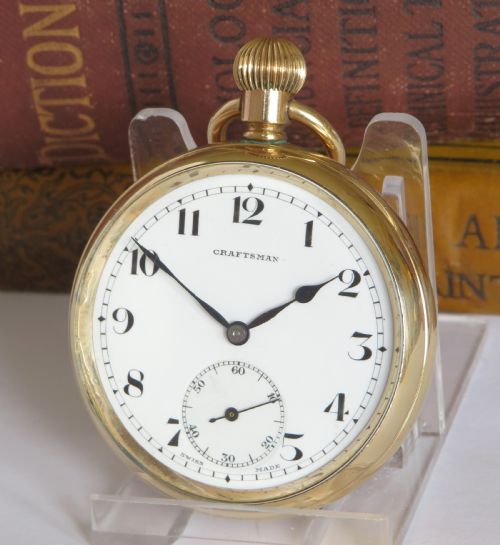
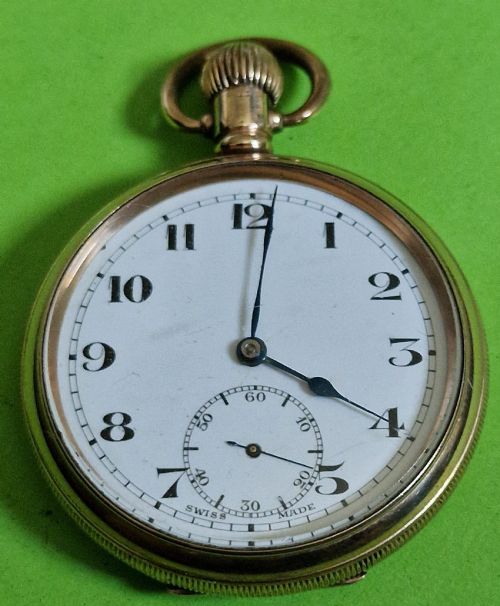
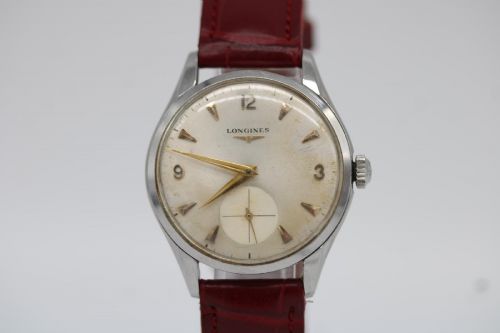
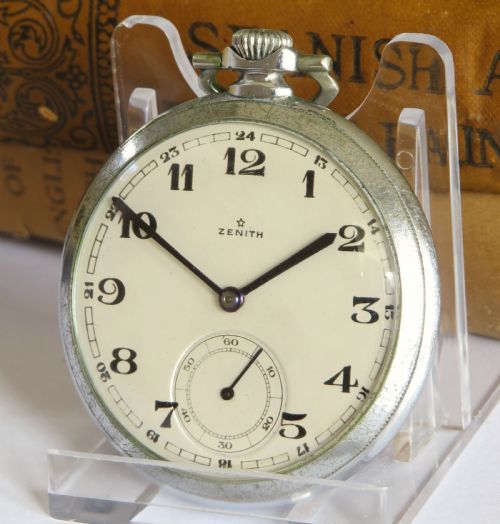
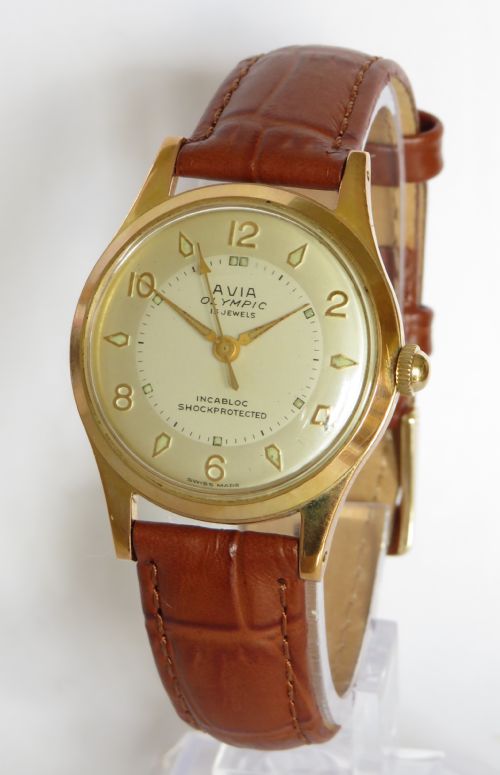
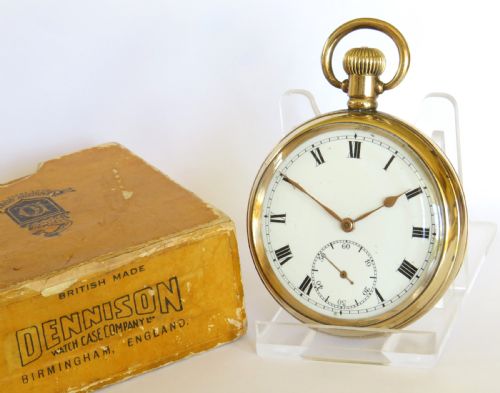
A swiss wind up watch spans pocket watches and wristwatches from the late nineteenth century through to the mid-twentieth century. Buyers encounter robust military pocket watches from the nineteen forties alongside elegant dress pieces from earlier decades.
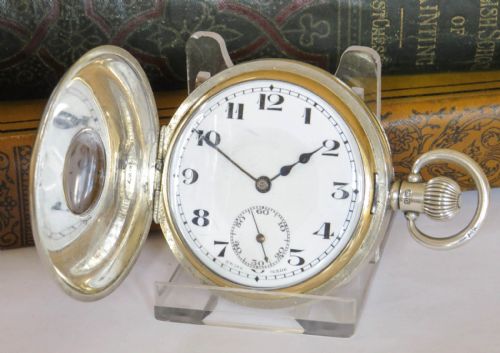
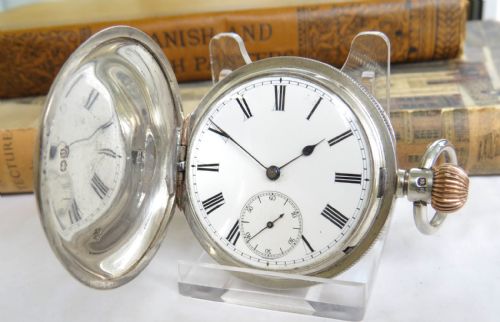
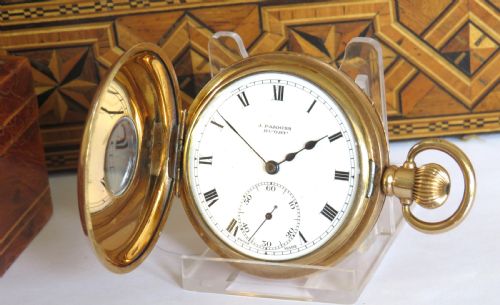
The selection ranges from Victorian gold half hunters to mid-century stainless steel wristwatches. Pocket watches dominate the earlier eras, while wristwatches emerge more frequently by the nineteen fifties and sixties.
Materials and Mechanical Construction
Cases utilise metals such as gold plate, sterling silver, stainless steel, and eighteen karat gold, often paired with glass crystals and enamel dials. Leather straps appear on wristwatches, while pocket watches frequently retain chains.
Internal movements rely on manual winding mechanics, featuring components constructed from steel and brass. Protective outer cases take forms like full hunter and half hunter designs to shield the delicate dial face.
Swiss Wind Up Watch Retail Price Guide 2026
Typical asking prices for swiss wind up watch among the pieces listed under this phrase on Sellingantiques today, from the lower quarter to the upper quarter. They describe what is for sale here now, not the wider market.
Some pocket watches include specialised bravery award inscriptions, turning a simple timekeeper into a tangible piece of personal history.
Craftsmanship and Horological Merit
The distinction between standard production and superior examples lies in the complexity of the movement and the quality of the casing materials. Finer items incorporate jewelled lever escapements and precious metals like solid gold.
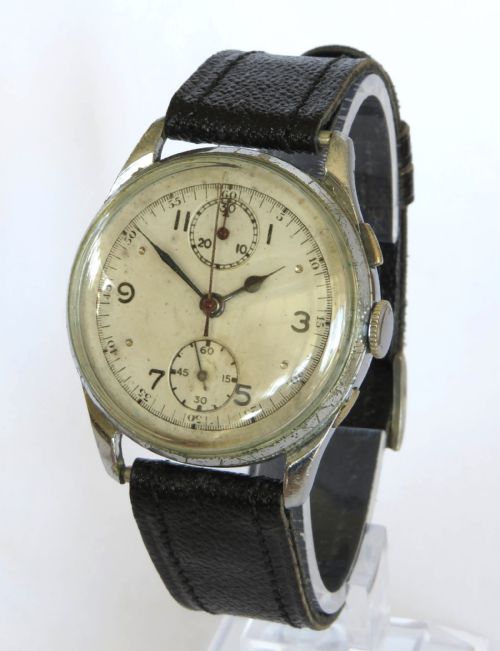
Signatures from established Swiss makers elevate an object's standing, particularly when paired with specialised complications such as chronograph functions or eight-day power reserves.
The Swiss Wind Up Watch Glossary
- Hunter pocket watch
- A pocket watch featuring a spring-loaded metal cover that protects the glass dial. This outer lid opens via a push-button mechanism set into the crown.
- Half hunter pocket watch
- A pocket watch with a metal outer case lid containing a central glass aperture. This cut-out allows the wearer to view the hands without opening the cover.
- Chronograph
- A watch equipped with a complication for measuring elapsed time independently of the primary timekeeping hands. It typically utilises additional pushers on the case.
- Manual wind
- A mechanical movement powered by hand-tensioning the mainspring via the crown rather than through automatic rotor movement. Wearers must wind the watch regularly to maintain operation.
Swiss Wind Up Watch: Frequently Asked Questions
How do I wind a mechanical watch?
Gently rotate the crown clockwise between your thumb and forefinger until you feel increasing resistance. Stop turning the moment you sense this tension to avoid damaging the mainspring.
Wind the piece at a consistent time each day if you wear it regularly. Handle the crown carefully to preserve the internal winding stems.
Can I wear a vintage pocket watch daily?
Pocket watches suit daily carrying provided you store them securely in a dedicated waistcoat or trousers pocket. Avoid exposing antique cases to heavy impacts or moisture during normal wear.
Wind the mechanism gently each morning and keep the piece away from strong magnetic fields. Regular servicing by a horologist ensures the internal gears continue running smoothly.
How are different decades identified?
Stylistic shifts in typography, hand design, and case architecture provide primary clues for dating a piece. Art Deco influences appear strongly in items from the nineteen thirties.
Maker signatures and hallmarks stamped inside the metal cases offer definitive manufacturing periods. Movement serial numbers also help narrow down the production year.