

Swiss Dress Timepiece
A swiss dress timepiece offers precision engineering encased in refined materials from periods spanning the early twentieth century to the nineteen-seventies.
Swiss Dress Timepiece
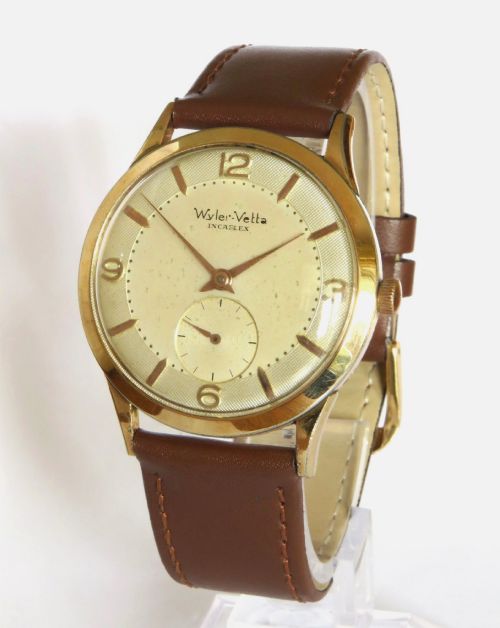
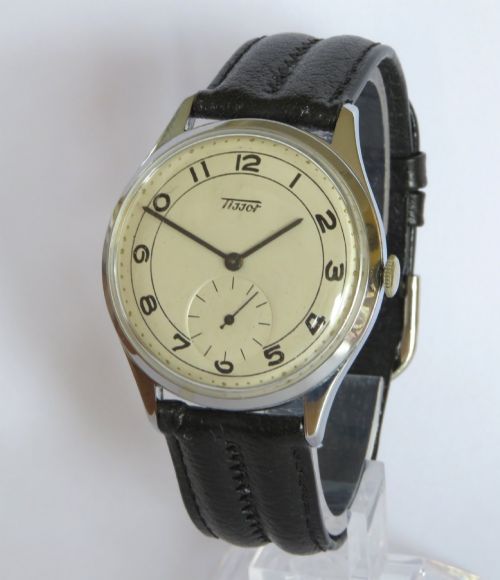
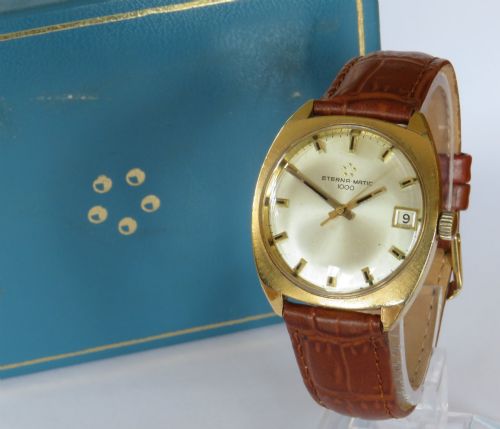
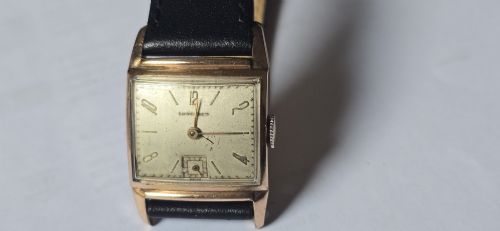
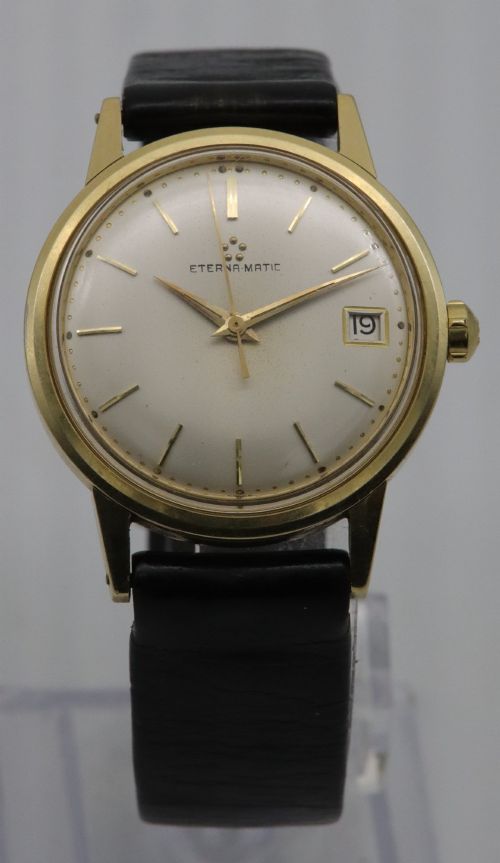
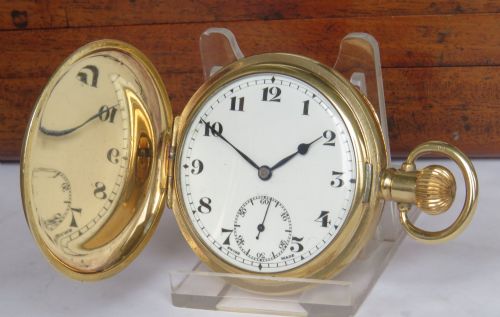
A swiss dress timepiece comprises various forms designed for personal timekeeping, predominantly taking the shape of wristwatches alongside traditional pocket watches. These items span periods from the nineteen-twenties through to the nineteen-seventies, encompassing styles such as Art Deco and Mid-Century Modern.
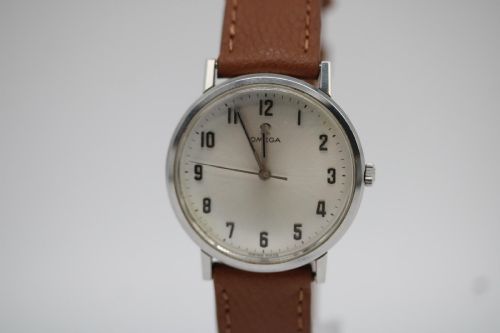
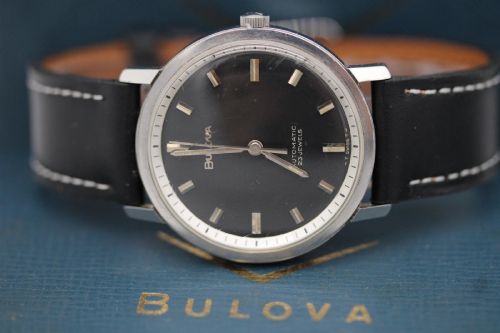
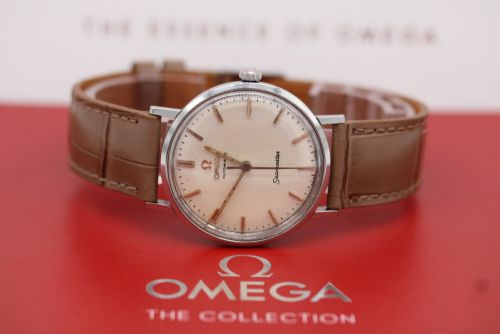
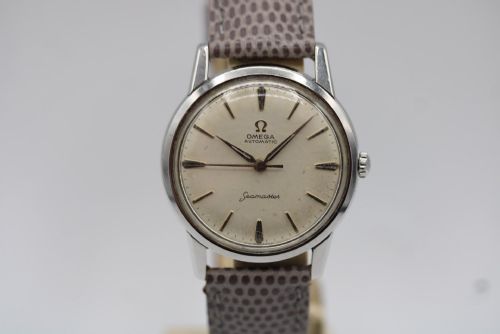
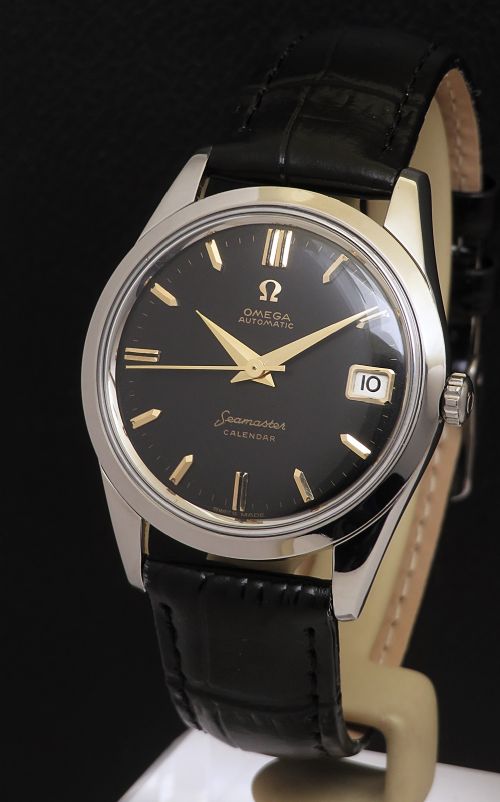
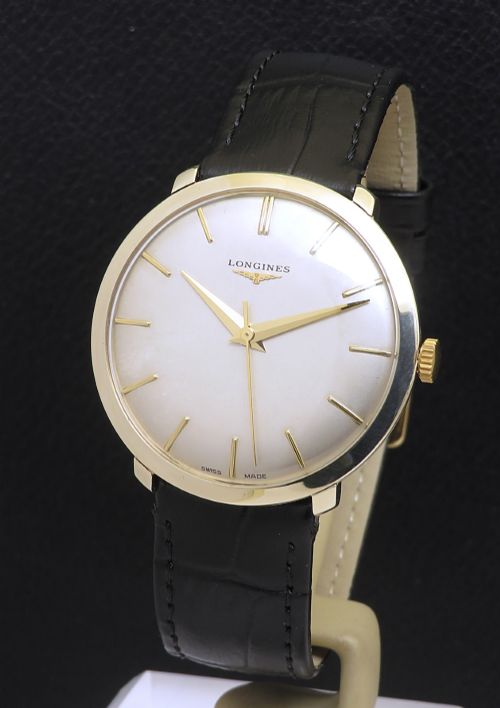
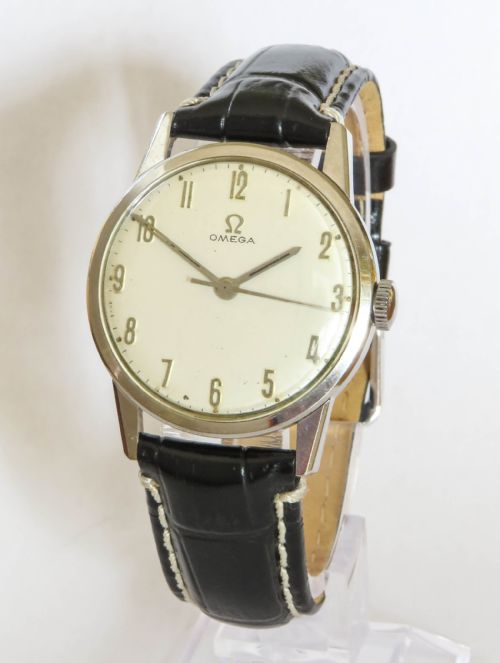
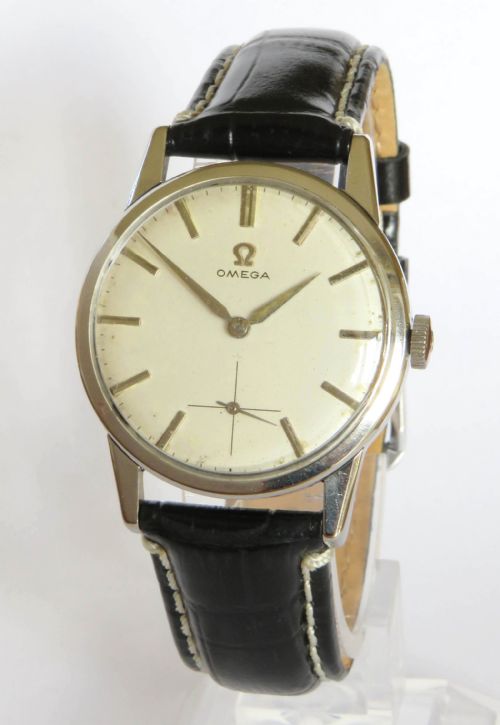
The version most commonly encountered in these listings is the gents wrist watch originating from the nineteen-fifties or nineteen-sixties. Such pieces reflect the dominant manufacturing output of Swiss horology during those decades.
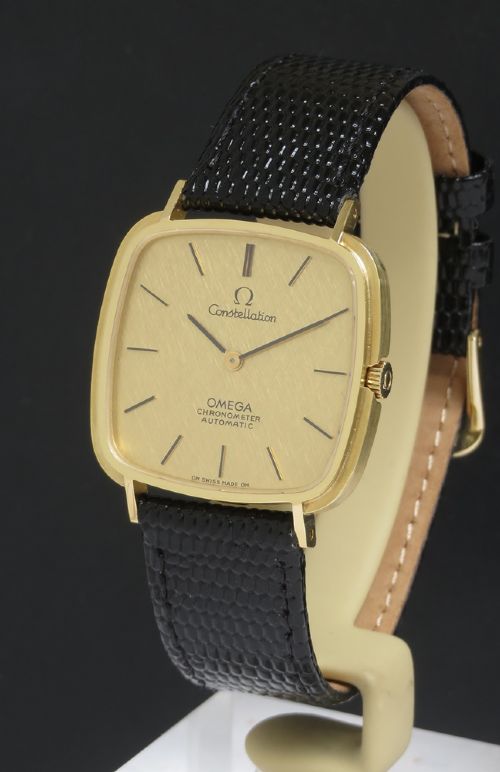
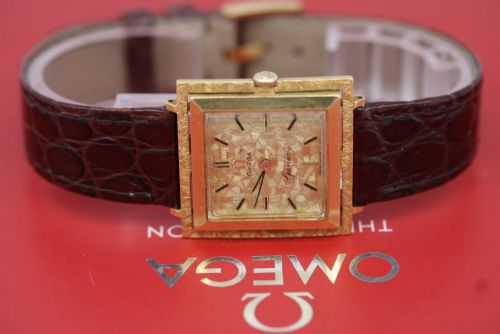
Makers represented on this page include established houses like Omega, Longines, and International Watch Company, alongside pocket watches bearing names such as Zenith and Cortebert.
Materials and construction
Casings utilise a range of metals, moving from stainless steel and gold plate up to solid nine-carat and eighteen-carat gold. Glass and acrylic protect the dials, while leather straps secure wristwatches to the wearer.
Movements rely on mechanical ingenuity, encompassing manual wind calibres and automatic winding systems developed by Swiss manufacturers. External details sometimes incorporate enamel elements on dials or casings.
Swiss Dress Timepiece Retail Price Guide 2026
Typical asking prices for swiss dress timepiece among the pieces listed under this phrase on Sellingantiques today, from the lower quarter to the upper quarter. They describe what is for sale here now, not the wider market.
Materials across these listings span leather, stainless steel, glass, acrylic, gold plate, enamel, nine-carat gold, eighteen-carat white gold, and silver.
Markers of quality
The grade of materials employed in the casing establishes a baseline for the tier of the piece, with solid precious metals sitting above gold plate and steel. Internal mechanisms range from standard commercial movements to chronometer-certified calibres engineered for higher accuracy.
Originality of components, including boxes, papers, straps, and signed crowns, differentiates standard surviving examples from top-tier specimens. Restoration levels also play a part, with full preservation of original dials and parts commanding greater regard.
International Watch Company·Omega·Longines·Zenith·Cortebert·Vertex·Thomas Russell and Son·Revue·Tavannes·Gruen·Bulova·Bucherer·Avia
The Swiss Dress Timepiece Glossary
- Calibre
- The specific internal movement designation given by the manufacturer. This number identifies the exact mechanical design powering the watch.
- Manual wind
- A movement requiring regular hand rotation of the crown to tension the mainspring. These watches lack self-winding rotors.
- Automatic
- A mechanical movement utilising a weighted rotor that swings with the motion of the wrist to wind the mainspring. This removes the need for manual daily winding.
- Chronometer
- A high-precision watch movement that has passed rigorous accuracy tests conducted by an official testing body. Such certification denotes superior timekeeping reliability.
Swiss Dress Timepiece: Frequently Asked Questions
How do I wind a manual watch?
Rotate the crown clockwise between your thumb and forefinger until you feel gentle resistance. Stop turning immediately when resistance increases to avoid damaging the mainspring.
Perform this action at a consistent time each day if you wear the piece regularly. Over-winding can snap the internal spring, so care is necessary.
Are these watches water resistant?
Vintage Swiss timepieces generally lack modern waterproofing seals and gaskets. Exposure to moisture, rain, or humidity can easily allow water inside the casing.
Keep these items away from water entirely to protect the delicate metal movement and paper dial from corrosion.
How do I date my watch?
Examine the serial numbers stamped on the inside of the case back or upon the internal movement mechanism. Manufacturers kept detailed production records linking these numbers to specific years of manufacture.
Matching the calibre and style markers from periods like the nineteen-fifties or sixties also helps narrow down the era of production.
Can I wear a dress watch daily?
Daily wear is entirely suitable provided you observe proper care regarding moisture and physical impacts. Many twentieth-century designs were built for everyday reliability.
Give the movement regular servicing every few years to ensure the internal lubricants continue protecting the gears from wear.