





Swedish Wooden Drawers
Swedish wooden drawers bring clean lines and pale timbers into a room, offering practical storage rooted in centuries of Scandinavian craftsmanship.
Swedish Wooden Drawers
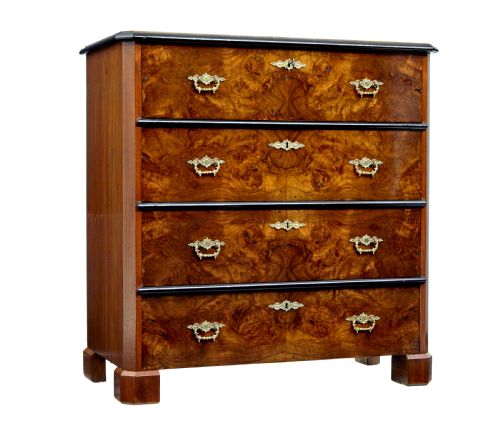
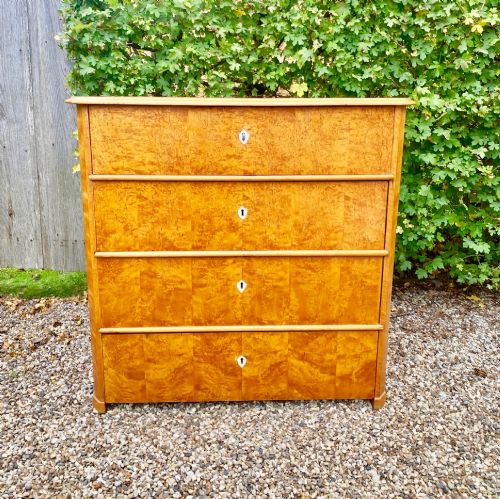
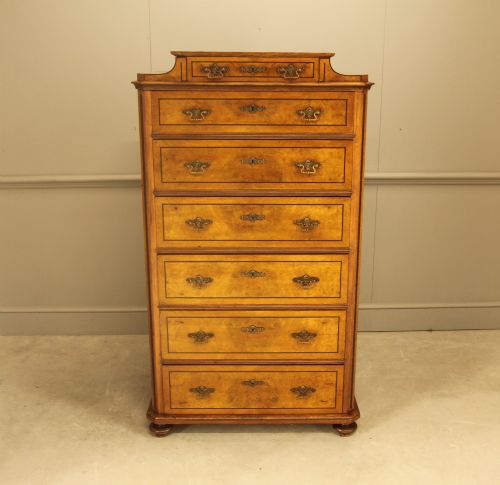
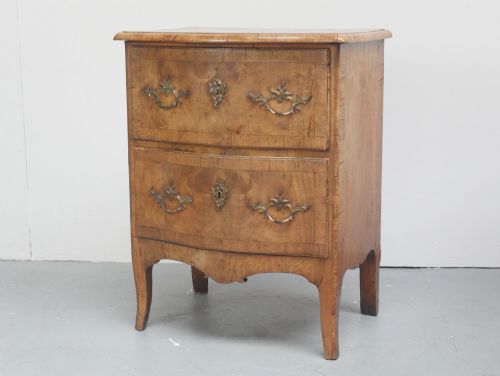
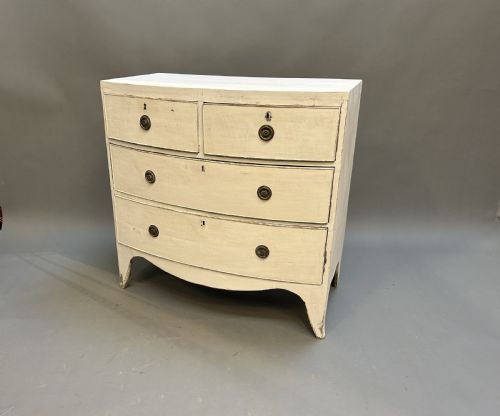
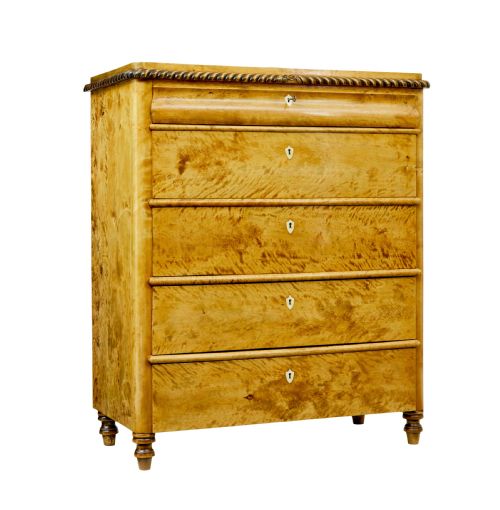
When seeking Swedish wooden drawers, collectors and decorators encounter case pieces ranging from provincial painted pine to figured birch and burr walnut. The selection leans heavily toward nineteenth-century chests of drawers and commodes, alongside eighteenth-century examples showing neoclassical Gustavian or Rococo influence.
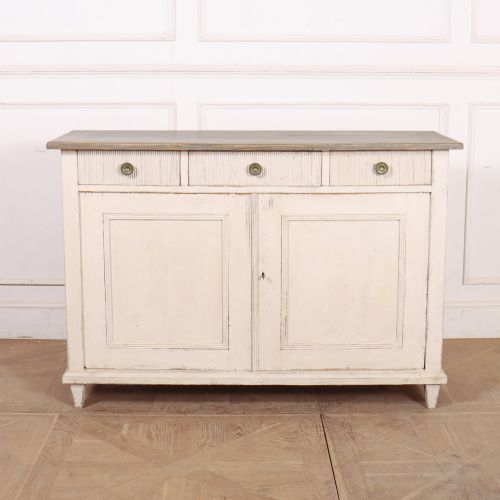
Forms vary from tall chests and secretaire cabinets to smaller two-drawer commodes and sideboards. These pieces served domestic storage needs in Scandinavian homes, translating utility into refined furniture designs that suit modern interiors.
Materials and Construction
Cabinetmakers utilised native northern timbers, most notably birch, pine, and oak, often selecting highly figured veneers like burr walnut or satin birch for decorative fronts. Elm also appears in mid-nineteenth-century examples, paired with brass hardware and occasionally bone details.
Surface finishes diverge between natural wood grain polished to a warm lustre and hand-painted or simulated grain treatments in muted colours. Painted pieces frequently employ historic grey, white, or earth tones applied over pine or softwoods.
Swedish Wooden Drawers Retail Price Guide 2026
Typical asking prices for swedish wooden drawers among the pieces listed under this phrase on Sellingantiques today, from the lower quarter to the upper quarter. They describe what is for sale here now, not the wider market.
Judging Quality
Quality rests upon the selection of timber veneers and the crispness of carved or inlaid details. Pieces veneered in symmetrical burr walnut or finely figured birch represent higher tiers of cabinetmaking compared to plain utilitarian pine.
The integrity of the original surface finish dictates character and value, distinguishing factory-simulated wood grain or historic paint from later alterations. Proportions and the subtlety of neoclassical or baroque revival styling further separate standard regional work from master cabinetmaking.
Gemla Fabrikers
The Swedish Wooden Drawers Glossary
- Gustavian
- The Swedish neoclassical style spanning the late eighteenth century, characterised by restrained symmetry, fluted columns, and pale painted finishes.
- Biedermeier
- A central European and Scandinavian style popular in the nineteenth century focusing on utilitarian comfort, clean geometry, and rich timber veneers without excessive ornamentation.
- Commode
- A low chest of drawers or cabinet designed for domestic storage, often featuring decorative hardware and fine wood veneers.
- Secretaire
- A cabinet or chest incorporating a fitted writing drawer with a drop-front desk surface and internal compartments.
- Burr walnut
- A decorative wood veneer obtained from the deformed growth or burl of a walnut tree, creating intricate swirling grain patterns.
Swedish Wooden Drawers: Frequently Asked Questions
What periods do these chests come from?
The pieces span from the eighteenth century through the nineteenth century, capturing distinct periods such as the Gustavian neoclassical era and later Biedermeier and revival styles.
Most items date to the nineteenth century, reflecting the widespread use of birch and pine in Scandinavian furniture workshops during that era.
Are these pieces painted or natural wood?
Both finishes are common, as Scandinavian cabinetmakers worked extensively with both native painted softwoods and highly figured hardwoods.
Natural finishes highlight birch, burr walnut, and elm grains, whilst painted versions typically display historic grey, white, or simulated wood grain surfaces.
How do I style a Swedish chest?
These chests function well in bedrooms, hallways, and living spaces where clean lines and pale timber tones can brighten a room.
Their restrained proportions make them adaptable storage solutions that complement both traditional period interiors and modern minimalist spaces.
What is a secretaire chest?
A secretaire chest combines standard drawer storage with a dedicated writing surface concealed within the upper section.
Pulling down the top drawer front reveals small pigeonholes and compartments intended for correspondence and paperwork.