




Swedish Gustavian Chest
A swedish gustavian chest brings restrained neoclassical elegance to a room through balanced proportions and pale painted surfaces.
Swedish Gustavian Chest
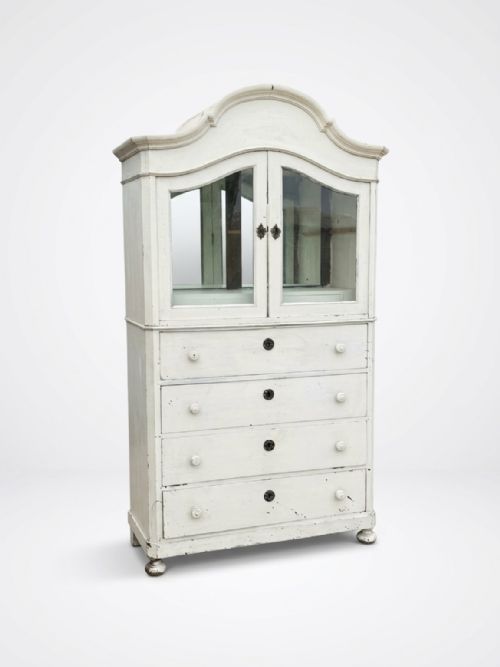
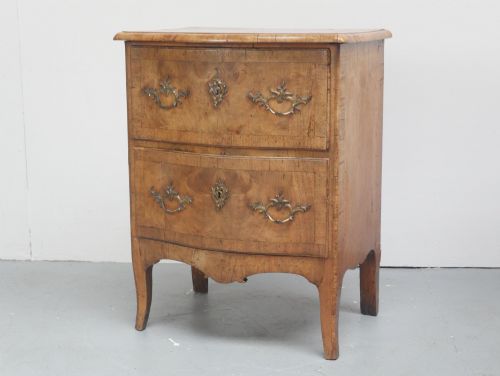
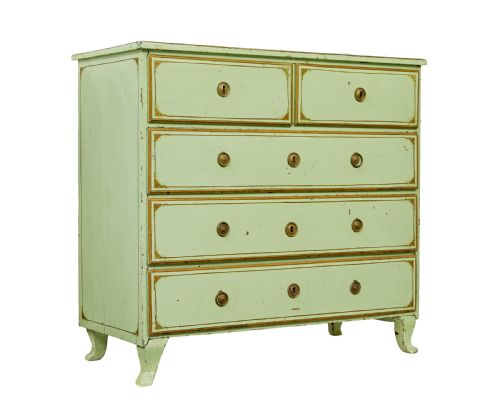
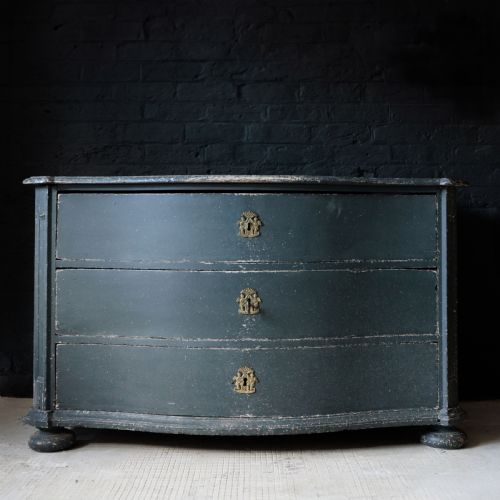
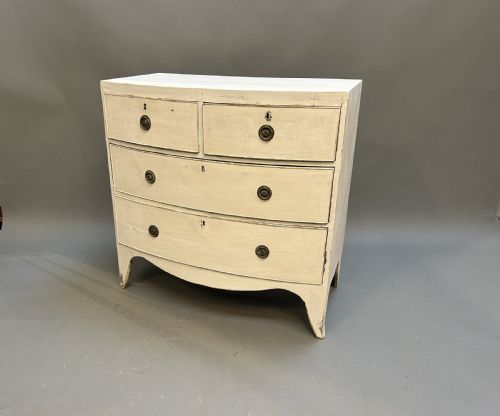
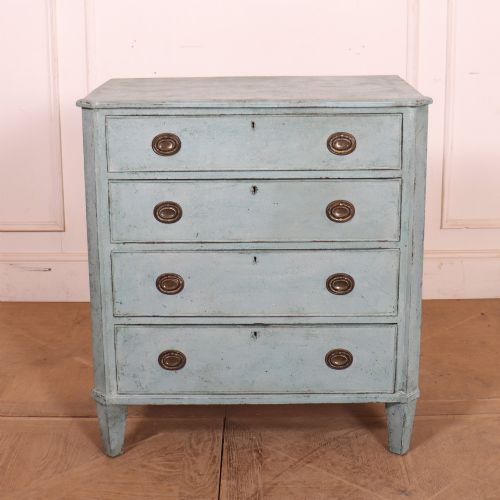
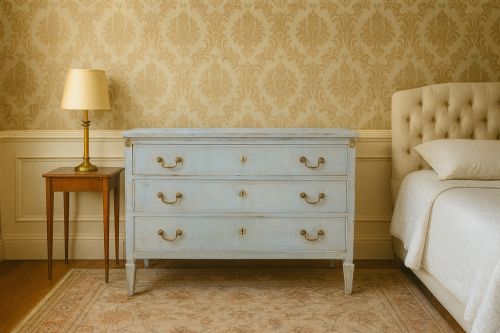
A swedish gustavian chest typically takes the form of a commode or drawer unit originating from the eighteenth or nineteenth century. These pieces reflect the Scandinavian interpretation of continental neoclassical design, often arriving in painted pine, birch, or oak finishes.
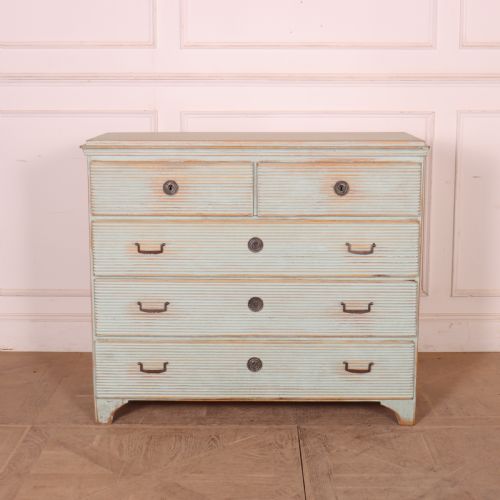
Buyers encounter variations ranging from serpentine commodes with fluted drawer fronts to simpler rustic pine storage items. The selection leans heavily toward nineteenth-century painted examples alongside select eighteenth-century works.
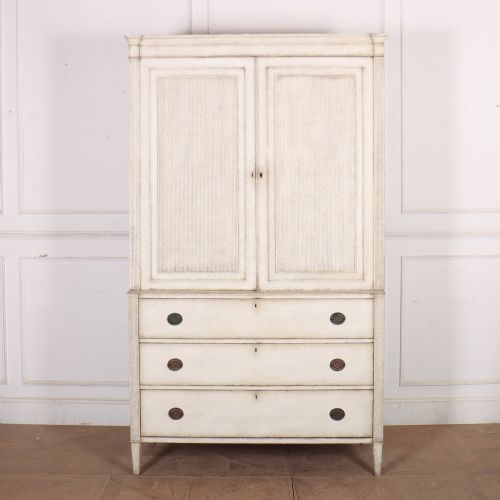
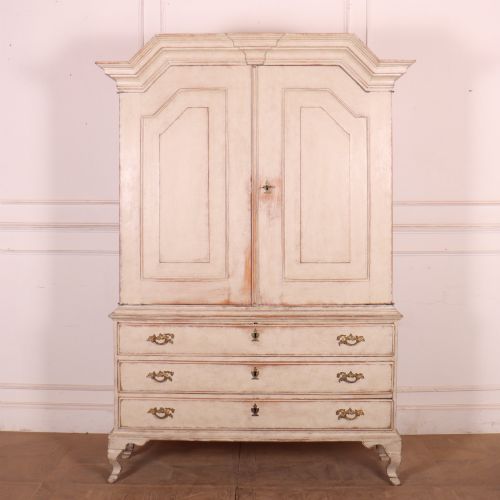
Alongside standard chests of drawers, related forms appear across the inventory including linen cupboards, escritoire writing desks, and armoires. These share the characteristic pale palette and understated architectural mouldings typical of the style.
Materials and construction
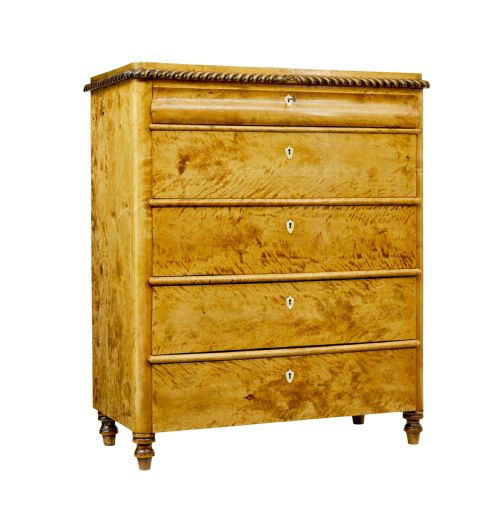
Joiners relied on native timbers such as pine, birch, and oak for carcass construction, frequently applying layered paint finishes to achieve the signature surface texture. Flame birch veneer also appears on select drawer fronts, showcasing natural grain patterns beneath a polished finish.
Surface decoration often involves hand-painted treatments, sometimes incorporating faux marble tops or monochrome colour schemes. Brass hardware and iron fixings provide functional contrast to the pale timber and painted woodwork.
Listed formats include serpentine commodes, caddy top chests of drawers, and tall linen cupboards finished in painted wood.
What separates examples
The degree of refinement in carved detailing and drawer front shaping distinguishes individual pieces. Serpentine curves and fluted pilasters demand greater joinery skill than straight-fronted variants.
Originality of surface treatment heavily influences the character of a piece. Retained early paint layers carry historical integrity that differs visibly from later decorative redecoration.
The Swedish Gustavian Chest Glossary
- Commode
- A low chest of drawers, often featuring decorative shaping or painted finishes, designed for domestic storage.
- Serpentine
- A curved furniture front characterised by a convex centre flanked by concave ends, creating a gentle wave motion.
- Flame birch
- Timber cut to reveal a flickering, undulating grain pattern, frequently utilised on high-status nineteenth-century drawer fronts.
- Fluted
- Decorative parallel shallow grooves carved vertically into wooden furniture legs or drawer fronts.
- Escritoire
- A writing cabinet featuring a sloping or drop-front flap that conceals internal compartments and small drawers.
Swedish Gustavian Chest: Frequently Asked Questions
Where should I place a chest?
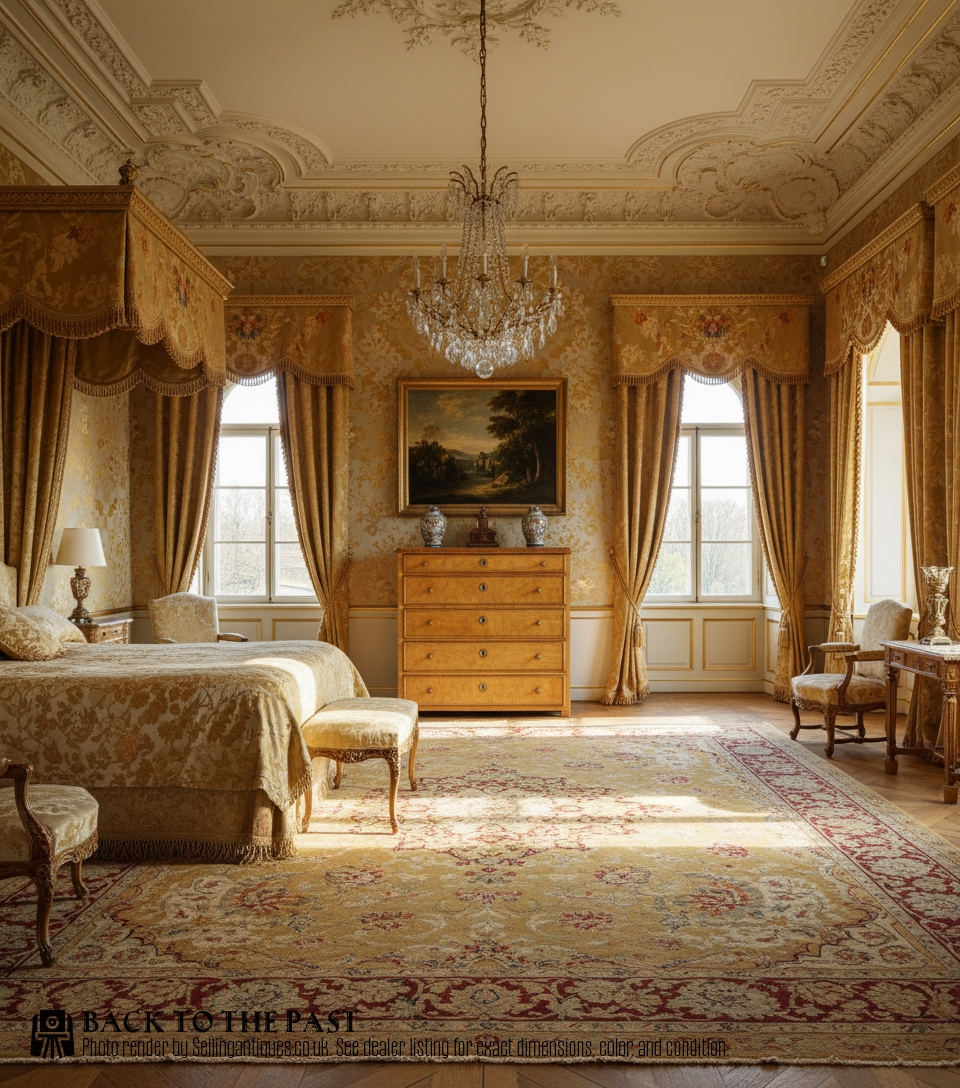
These pieces suit bedrooms, hallways, or living spaces where surface area and enclosed storage are both required. Their restrained proportions allow them to integrate easily beside contemporary or traditional furnishings.
Positioning them away from direct heat sources helps protect timber panels and painted surfaces from drying or cracking over time.
How do I care for painted wood?
Dust surfaces regularly with a soft, dry cloth to prevent dirt buildup on the painted finish. Avoid harsh chemical cleaners that can strip or soften historic paint layers.
Maintaining stable indoor humidity levels prevents the underlying pine or birch from expanding and contracting excessively.
What defines the gustavian style?
The aesthetic draws on French neoclassical design introduced during the reign of King Gustav III, adapted with Scandinavian restraint. It prioritises symmetry, pale colours, and subtle fluting over heavy ornamentation.
Pieces from this movement emphasise light reflection through pale grey, white, or cream paint applications.
How do drawers operate on older chests?
Older drawers slide directly on wooden runners built into the internal carcass framework. Regular use benefits from occasional application of traditional lubricant like beeswax to keep timber runners moving smoothly.
Seasonal humidity changes can cause wood to swell slightly, making drawers temporarily tighter during damp months.