
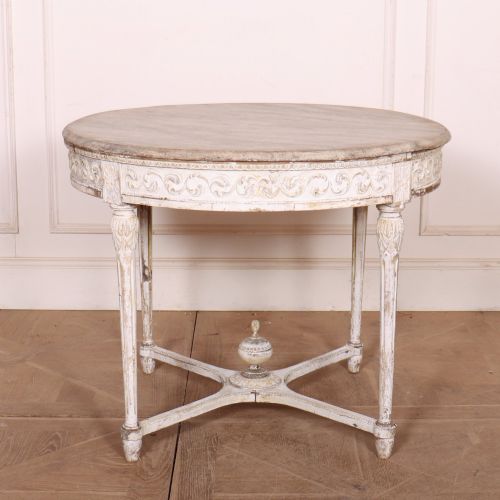
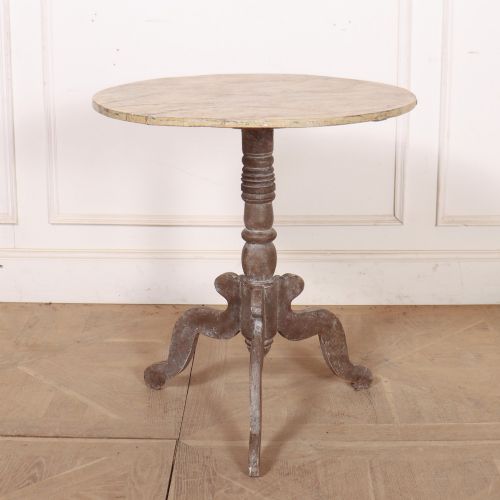
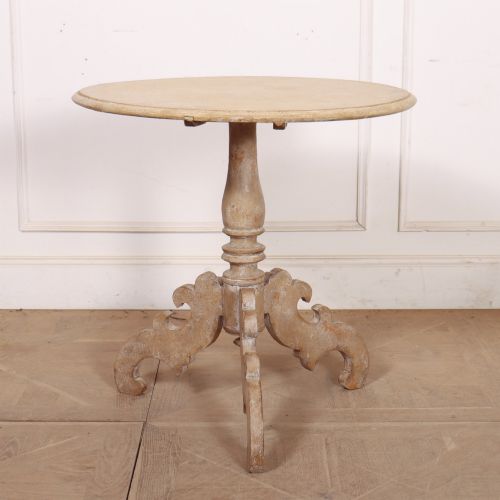
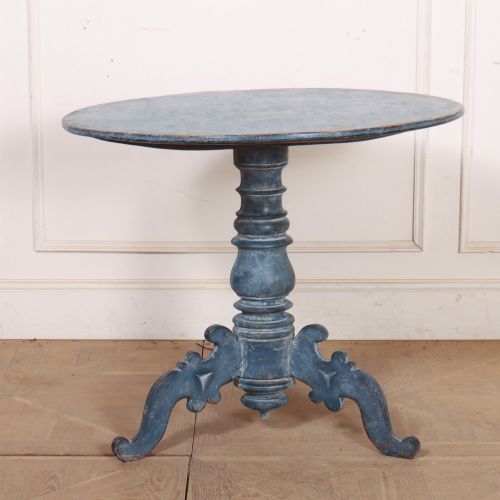
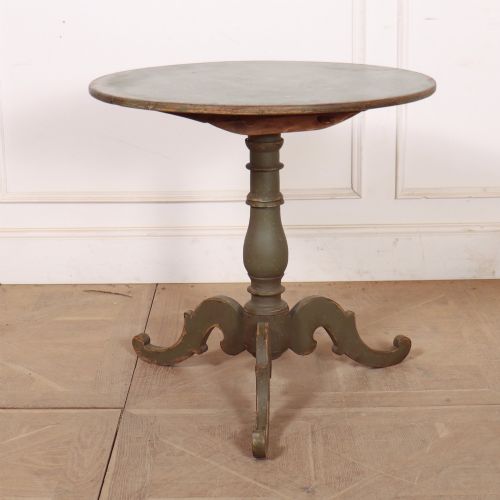


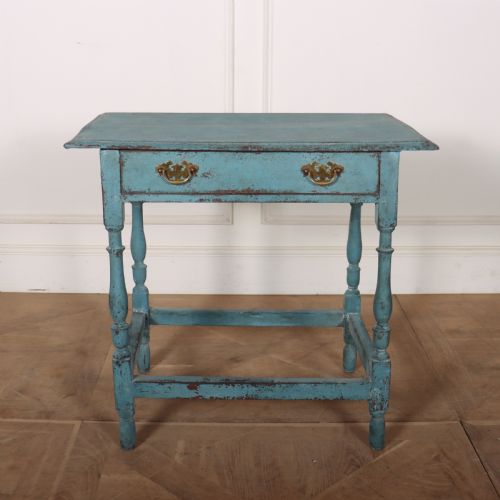


Swedish Country Occasional Table
A swedish country occasional table brings functional northern European craft and painted warmth directly into a room.
Swedish Country Occasional Table
When searching for a swedish country occasional table, collectors encounter compact side pieces, lamp tables, and small centre tables originating from northern Europe. These items provide practical surface space while carrying the distinctive aesthetic of Scandinavian country and Gustavian design.
Stylistic influences range from plain provincial pine to refined iterations of Swedish Rococo and Rococo Revival. Buyers select these objects for their versatility in modern rooms and their authentic regional character.
Materials and construction methods
Timber selection focuses heavily on softwood, pine, and birch wood, occasionally incorporating alder root or marble for specific surfaces. Cabinetmakers constructed these supports using local woods suited to regional turning and joinery techniques.
Surfaces frequently display historic paint, painted timber, painted pine, or scraped pine finishes. Specialised decoration such as ragwork painting adds textural depth to the timber substrate.
Listings span the eighteenth, nineteenth, and early twentieth centuries, utilising pine, birch, and marble.
Distinctions in craftsmanship and finish
Quality separates along the lines of surface preservation and structural integrity. Tables retaining their original paint layers or authentic ragwork decoration hold a distinct visual advantage over stripped or later repainted surfaces.
The sophistication of the timber work defines the upper tier of the range. Finely turned tripod bases, carved lamp table details, and well-executed birch or pine joinery reflect a higher degree of workshop skill.
The Swedish Country Occasional Table Glossary
- Demi-lune
- A half-moon shaped table designed to sit flat against a wall. These pieces function well in narrow hallways or compact reception spaces.
- Ragwork
- A decorative paint technique applied with rags to create a mottled or patterned finish on wood. This treatment produces distinctive texture across table surfaces.
- Tripod table
- A small occasional table supported by a pillar above three spreading legs. The design offers stable placement on uneven floors.
- Gustavian
- The Swedish neoclassical style developed during the late eighteenth century. It combines French influence with restrained northern European simplicity.
- Pedestal table
- A standalone table supported by a single central column rather than four legs. This construction allows maximum legroom around the perimeter.
Swedish Country Occasional Table: Frequently Asked Questions
Where were these tables originally used?
These tables served various practical functions in provincial homes, acting as bedside stands, lamp supports, or parlour surfaces.
Their modest scale allowed owners to move them easily between rooms depending on daily household needs.
How do I care for painted wood?
Painted surfaces require gentle dusting with a dry microfibre cloth and protection from direct sunlight.
Avoid liquid cleaning agents and moisture to preserve the historic paint layers and timber substrates.
What defines Gustavian style?
Gustavian design translates neoclassical French forms into a brighter, simpler Swedish vernacular. It emphasises pale colours, symmetry, and subtle carving.
Tables from this tradition often feature tapered legs and restrained neoclassical motifs.
Are these tables suitable for daily use?
Their sturdy pine and birch construction makes them practical for holding lamps, books, or decorative objects in modern settings.
Careful placement away from extreme temperature fluctuations ensures the antique timber remains stable.