


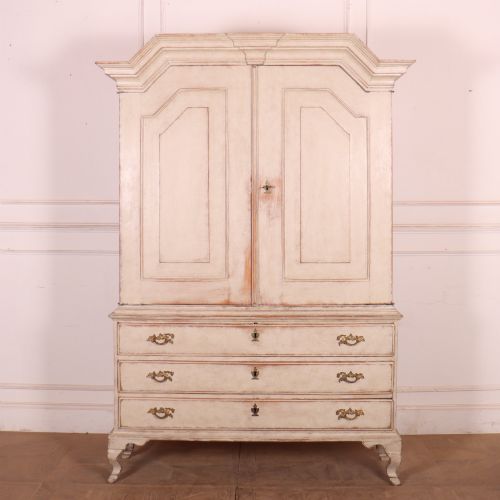
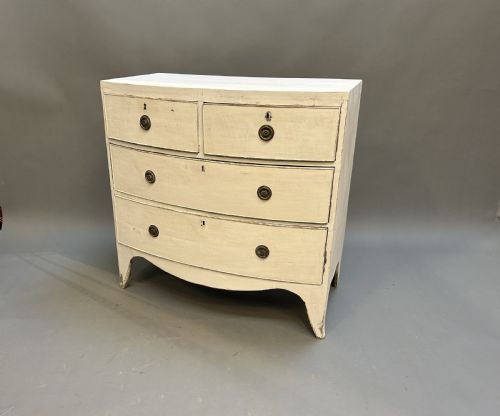
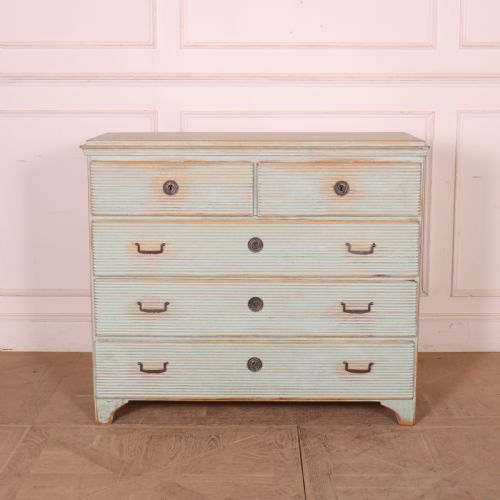


Swedish Country Chest
A Swedish country chest brings practicality and quiet charm to a room, offering robust storage shaped by generations of Scandinavian makers.
Swedish Country Chest
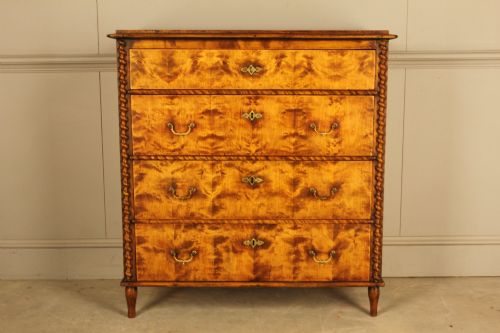
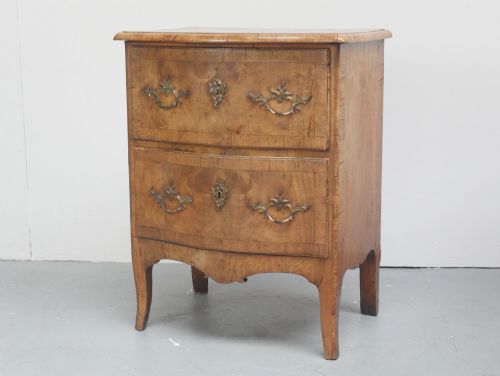
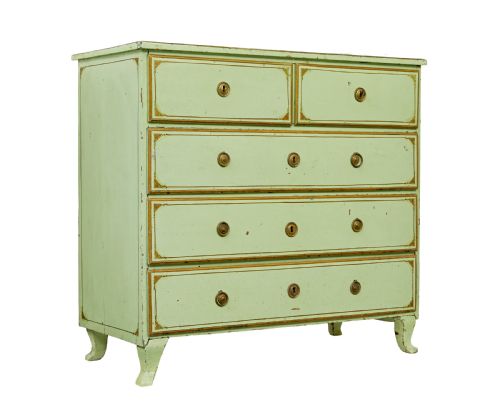
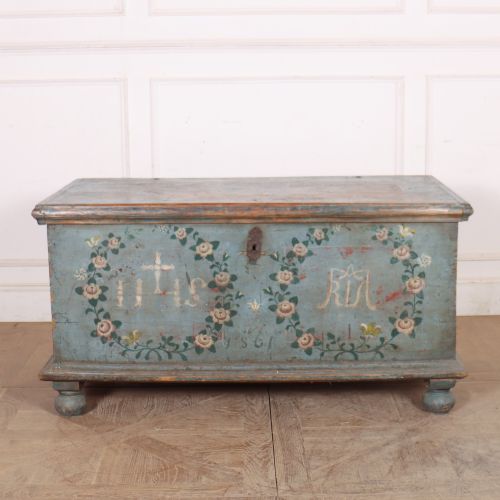
A swedish country chest encompasses practical storage pieces originating from Scandinavian households, ranging from multi-drawer chests to strong boxes and marriage coffers. Buyers seeking these items will encounter painted pine, birch, and oak surfaces shaped by regional folk traditions.
The most common examples on this page date from the nineteenth century, though eighteenth-century pieces also appear alongside occasional twentieth-century works. These items function primarily as domestic storage, including commodes, blanket boxes, and linen cupboards.
Forms vary from small table-top boxes and log bins to large case pieces with straight or fluted drawer fronts. The aesthetic reflects rural Scandinavian utility combined with decorative painting.
Materials and construction
Makers relied principally on native softwoods and hardwoods like pine, birch, and oak, often constructing carcases with visible dovetail joints and iron or brass hardware. Surfaces were frequently treated with hand-mixed paints, sometimes simulating finer woods like birch.
Iron and wrought iron provided structural reinforcement and hinges, particularly on dome-top coffers and strong boxes. Internal construction prioritized sturdy utility, utilising local timber standards common to Scandinavian workshops.
Swedish Country Chest Retail Price Guide 2026
Typical asking prices for swedish country chest among the pieces listed under this phrase on Sellingantiques today, from the lower quarter to the upper quarter. They describe what is for sale here now, not the wider market.
Several chests feature simulated birch paintwork, revealing a historical fondness for making humble pine look remarkably expensive.
Distinctions in quality
Quality rests in the integrity of the original painted surface and the crispness of secondary details like fluted drawer fronts or hand-applied folk motifs. Pieces retaining their earliest layers of pigment command greater interest than those stripped or heavily refinished.
Construction methods also separate standard utility items from finer cabinetwork, particularly in the precision of drawer dovetailing and the selection of figured masur birch timbers.
Gemla Fabrikers
The Swedish Country Chest Glossary
- Commode
- A low chest of drawers, often featuring decorative drawer fronts or shaped aprons. These items served functional bedroom or parlour storage roles.
- Marriage chest
- A specialised box or chest created to mark a wedding, frequently inscribed with dates and names alongside folk art motifs. These pieces held dowry items.
- Masur birch
- A decorative timber showing characteristic swirling patterns and dark knots, utilised for high-status drawer fronts and veneers. This wood yields a distinctive rippled texture.
- Dome top coffer
- A heavy storage chest featuring a curved lid designed to shed water and maximise internal volume. These boxes often incorporate iron banding for security.
- Escritoire
- A writing desk incorporating drawers and a fold-down or slant front for correspondence. These multi-functional pieces combined storage with a writing surface.
Swedish Country Chest: Frequently Asked Questions
What rooms suit a Swedish country chest?
These pieces fit naturally into hallways, bedrooms, and living spaces where practical storage is required. Their muted painted finishes harmonize with both neutral and vibrant interiors.
Larger chests and cupboards hold linens or daily clutter, while smaller boxes and log bins sit neatly beside hearths or on tables.
How do I care for painted pine?
Dust surfaces regularly with a soft, dry cloth to prevent grime accumulation on delicate historic pigments. Avoid harsh chemical cleaners that might strip water-based or milk paints.
Keep pieces away from direct heat sources and strong sunlight to prevent the timber from splitting and the paint from fading.
How do I tell an 18th-century piece from a 19th-century one?
Eighteenth-century examples often exhibit heavier hand- forged ironwork, deeper patination, and simpler structural joins unique to early folk traditions. The painted decoration tends to reflect earlier regional motifs.
Nineteenth-century items frequently show more standardised construction techniques, alongside a wider variety of specialised forms like commodes and writing desks.
Were these chests used for storage?
Households relied on these trunks and coffers to protect textiles, grain, and valuables from pests and damp conditions. Heavy locks and iron bands provided security for important documents and dowries.
Specialised variants like log bins and wall cupboards organised specific household goods near hearths and kitchens.