



Sunderland Pink Lustre
Sunderland pink lustre pieces are striking earthenware vessels decorated with vibrant metallic glazes and maritime transfers, prized by collectors for their rich nineteenth-century history.
Sunderland Pink Lustre
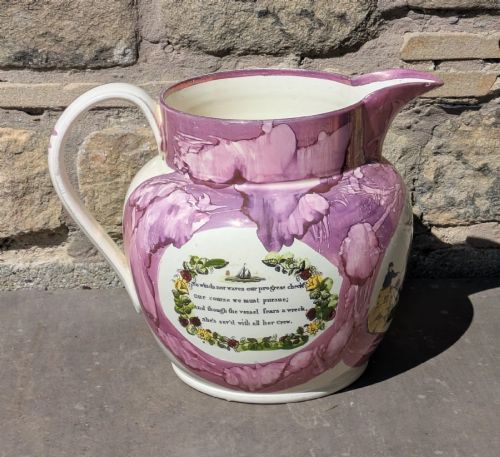
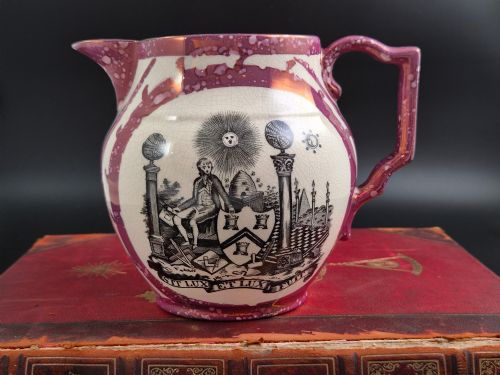
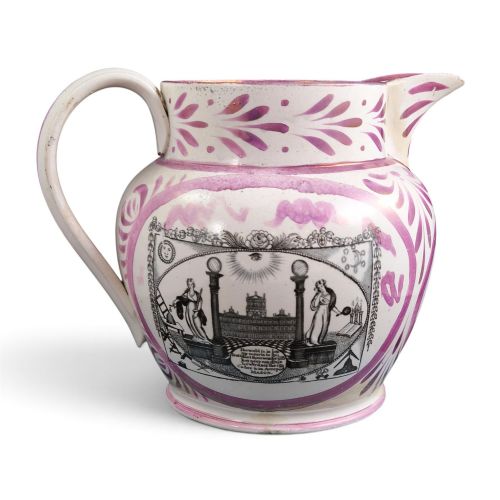
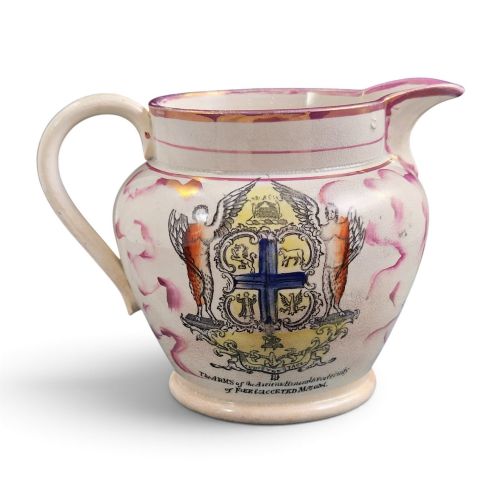
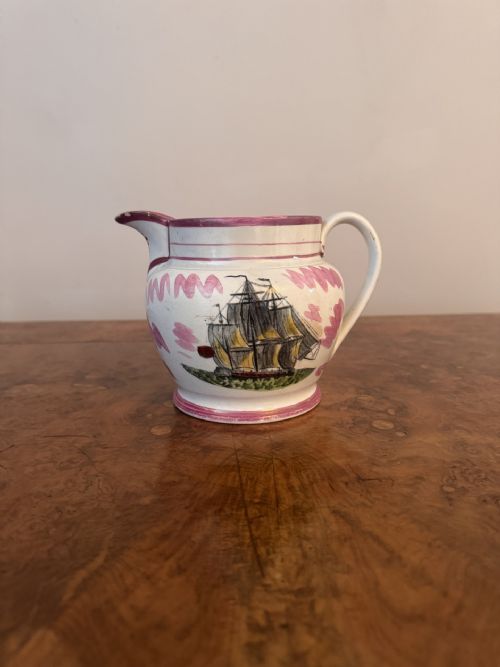
When you search for sunderland pink lustre, you encounter a distinct group of nineteenth-century earthenware vessels, predominantly jugs and bowls produced during the Georgian and Victorian eras. These items often showcase maritime themes, clipper ships, masonic symbols, and poetic panels designed to appeal to sailors and local communities.
The pieces on this page span from around 1800 to the late Victorian period, including specific dates such as 1855 and 1859. You will frequently find larger jugs and decorative bowls featuring the characteristic pink splash or mottled lustre effect alongside transfer-printed imagery.
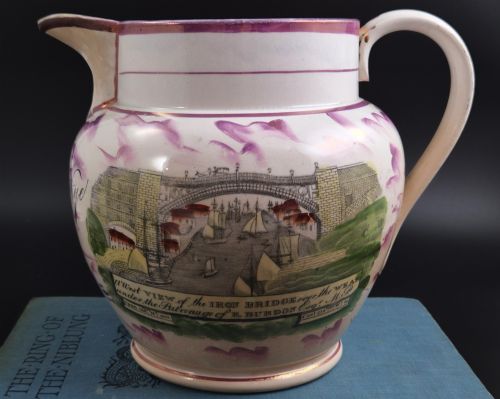
Makers and potteries from the region, such as the Garrison Pottery, produced these wares to commemorate local engineering feats like the Iron Bridge over the Wear. Collectors look for these specific historical touchstones when building a cohesive display of early ceramics.
Materials and Techniques
Potters constructed these items using ceramic bodies such as standard earthenware and pearlware, shaping them into robust jugs and bowls intended for daily utility or commemorative display. The raw clay provided a stable base for subsequent decoration and firing.
Workers applied metallic oxide to create the signature lustre glaze, generating the distinctive pink splash effect through a specialised reduction technique during firing. Enamel colours were often added by hand over transfer-printed outlines to complete the maritime scenes.
Sunderland Pink Lustre Retail Price Guide 2026
Typical asking prices for sunderland pink lustre among the pieces listed under this phrase on Sellingantiques today, from the lower quarter to the upper quarter. They describe what is for sale here now, not the wider market.
Sailors in the nineteenth century often toasted their safe returns using heavy lustre jugs decorated with poems dedicated to Dear Jack.
Assessing Quality
The clarity of the transfer printing and the richness of the pink metallic glaze separate standard examples from finer pieces. Sharply defined maritime engravings and vibrant enamel highlights indicate superior workshop execution.
The complexity of the subject matter, such as triple-print masonic motifs or detailed depictions of the Iron Bridge, influences the desirability of a vessel. Larger formats and well-preserved commemorative inscriptions also distinguish exceptional items from basic utilitarian ware.
Garrison Pottery
The Sunderland Pink Lustre Glossary
- Pink lustre
- A ceramic glaze incorporating gold or other metallic oxides that fires to produce a metallic pink or purple sheen. This technique created the mottled splash effect seen on many nineteenth-century northern English wares.
- Pearlware
- A refined earthenware developed in the late eighteenth century featuring a subtle blue-tinted glaze over a whitish body. It served as a smooth canvas for transfer-printed decoration before the widespread adoption of later ironstone bodies.
- Metallic oxide
- Chemical compounds added to glazes or enamels to achieve specific colour reactions during the kiln firing process. In these wares, they create the reflective metallic surfaces characteristic of lustreware.
- Transfer printing
- A method of applying pre-printed paper designs onto ceramic surfaces using a copperplate engraving and an oil-based medium. This allowed potteries to produce intricate maritime scenes and poetic verses consistently across multiple jugs.
Sunderland Pink Lustre: Frequently Asked Questions
What themes appear on sunderland pink lustre jugs?
These vessels frequently feature maritime imagery, including clipper ships, tall ships, and sailors' arms emblems. Commemorative subjects like the Iron Bridge over the Wear and masonic symbols also appear regularly.
Pets, boxing scenes, and moral or poetic panels are additional common themes. Such designs reflected the interests of sailors, merchants, and local communities in the north of England during the nineteenth century.
How do you date sunderland pink lustre pieces?
Dating relies on stylistic shifts in the pearlware or earthenware bodies, the specific formulation of the pink lustre glaze, and occasional dated inscriptions. Pieces spanning the Georgian and Victorian eras often exhibit distinct lettering styles and transfer techniques.
Historical events referenced on the pottery, such as bridge constructions or specific clipper ship designs, provide reliable chronological markers. Comparing the complexity of the transfer prints helps narrow down the period of manufacture.
Were these jugs used or displayed?
Many large jugs and bowls served functional roles in homes or maritime taverns before becoming collector's items. Their robust earthenware construction meant they could handle regular use.
At the same time, commemorative pieces with detailed masonic prints or poetic inscriptions were often made for display. Their survival in good condition suggests many were treasured as mantelpiece ornaments.
How should I care for ceramic lustreware?
Lustre glazes and overglaze enamels require gentle handling to preserve their metallic sheen and hand-painted details. Dusting with a soft cloth or washing very carefully in lukewarm water without harsh detergents is standard practice.
Keeping them away from abrasive materials and direct sunlight protects the delicate metallic oxide surfaces over time. Proper placement ensures the reflective glaze remains bright.