


Suffragette Jewellery Gold
Suffragette jewellery gold brings together the distinctive green, white and violet colour scheme in wearable pieces of history.
Suffragette Jewellery Gold
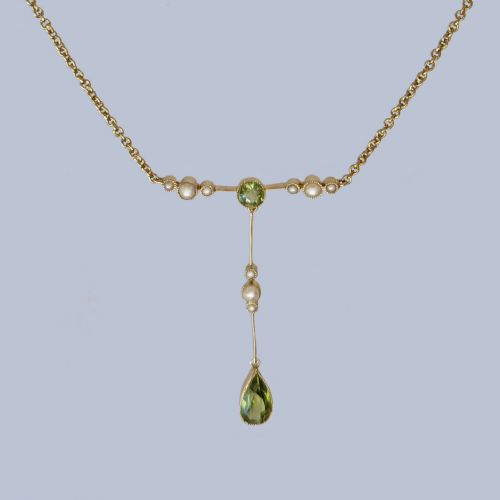
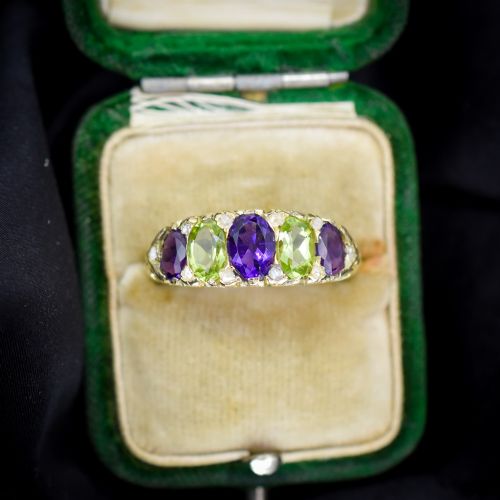
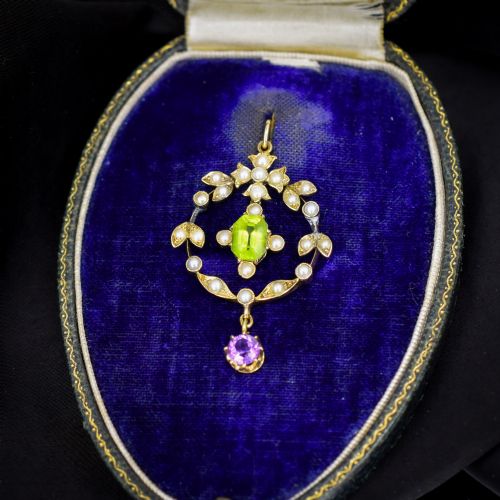
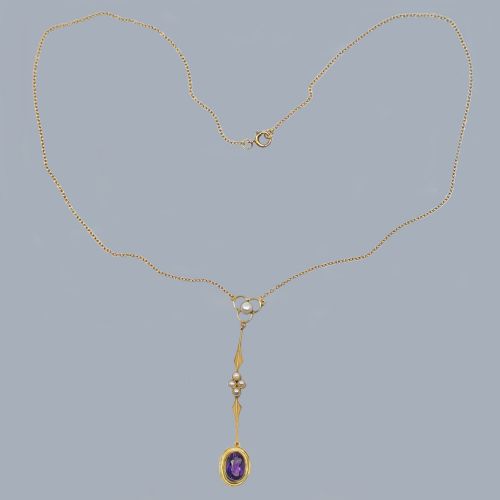
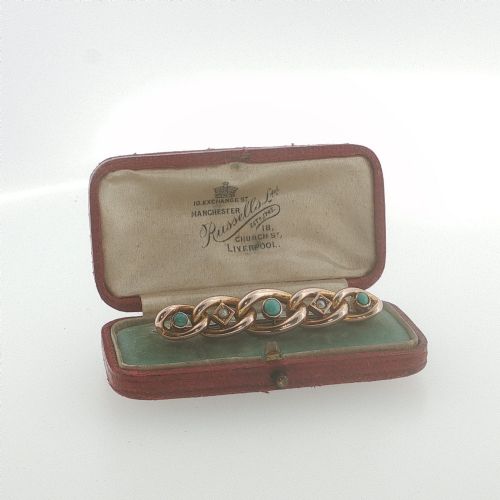
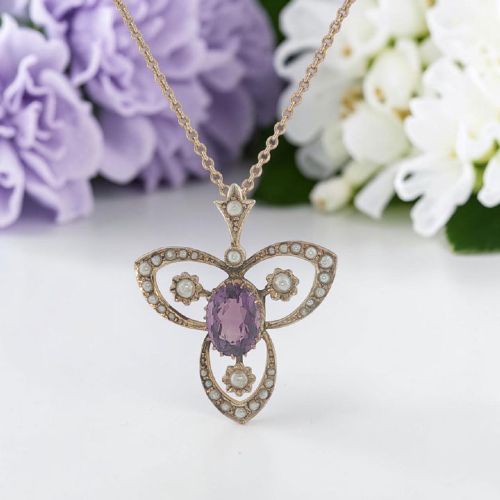
Suffragette jewellery gold pieces are items from the late nineteenth and early twentieth centuries that incorporate the colours associated with the Women's Social and Political Union: green for give, white for women, and violet for votes. These pieces most commonly take the form of pendants, lavaliers, necklaces, brooches, and rings dating from the Victorian and Edwardian periods.
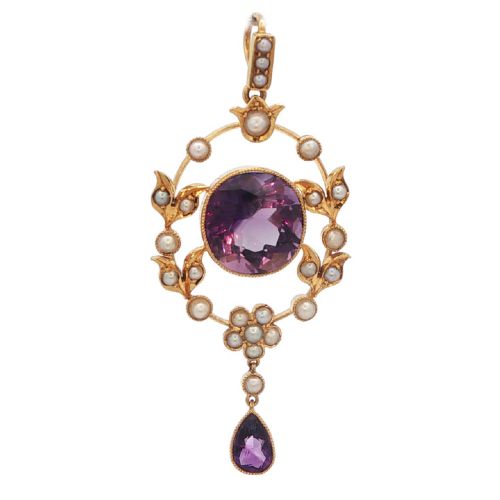
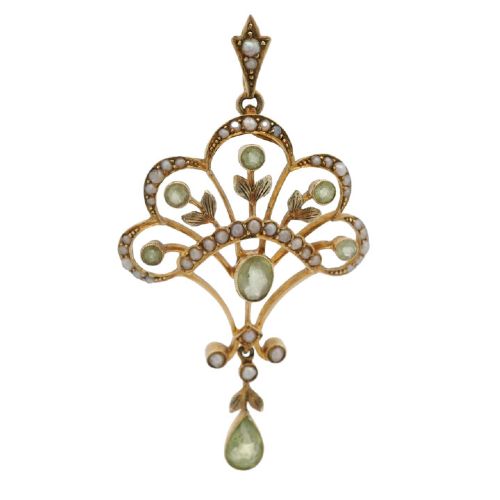
The materials utilised in these surviving items typically centre on peridot, amethyst, seed pearl, diamond, turquoise, and tourmaline, set in nine carat or fifteen carat gold. Art Nouveau styling often influences the delicate wirework and garland motifs found on pendants and brooches from around nineteen hundred to nineteen ten.
Making and materials
Goldsmiths worked primarily in nine carat and fifteen carat gold, creating hollow or wire-formed mounts suitable for suspending clusters of gemstones. Seed pearls were meticulously drilled and threaded or wired onto gold frames to create floral or scrolling borders.
Gemstones such as peridot and amethyst were cut in cushion, oval, or round shapes to fit intricate claw settings and cluster arrangements. Setting techniques from the Edwardian era relied heavily on fine millegrain edges and delicate openwork galleries.
Early twentieth-century jewellers managed to smuggle political allegiance past polite society simply by matching green, white, and violet stones together.
Assessing quality
Quality rests upon the weight and purity of the gold mount, with fifteen carat pieces generally sitting above nine carat examples in terms of substance. The saturation and matching of stones, particularly the depth of colour in amethysts and the clarity of peridots, determine the visual impact.
The complexity of the metalwork also separates standard production from finer examples, such as articulated garland drops with numerous individual seed pearls. The integrity of the original settings and the precision of the stone arrangements dictate the overall standard.
The Suffragette Jewellery Gold Glossary
- Lavalier
- A pendant featuring a main drop suspended from a shorter chain or rigid bar below the main necklace line. This style gained immense popularity during the Edwardian period.
- Seed pearl
- A very small, naturally formed or cultured pearl used in clusters or borders. They require secure mounting to prevent loss from delicate wire settings.
- Garland style
- A decorative motif modelled on interwoven ribbons, swags of flowers, and leafy wreaths. It is heavily represented in jewellery from the Edwardian era.
- Millegrain
- A decorative technique involving a line of tiny beaded metal beads along the edge of a setting. This method softens harsh metallic edges and reflects light subtly.
Suffragette Jewellery Gold: Frequently Asked Questions
What colours represent the movement?
The recognised colour combination consists of green, white, and violet, standing for give, women, and votes.
Jewellers achieved this palette by combining peridots, amethysts, and seed pearls within gold settings.
How do I date these pieces?
Dating relies on stylistic markers such as Art Nouveau curving lines and Edwardian garland motifs, alongside gold purity marks.
Parks and pendants from this category predominantly span the Victorian, Edwardian, and nineteen tens eras.
Are these items safe to wear daily?
Most pieces, particularly rings and brooches, require gentle handling due to the delicate nature of seed pearl settings and lower carat gold mounts.
Regular checks by a jeweller help ensure pearls and softer stones remain secure in their original claws.
Did men wear this jewellery?
Items from this period were primarily designed and worn as women's personal adornments, including brooches pinned to lapels and pendants worn on chains.
Some pieces functioned as membership badges or subtle statements of political support in public society.