

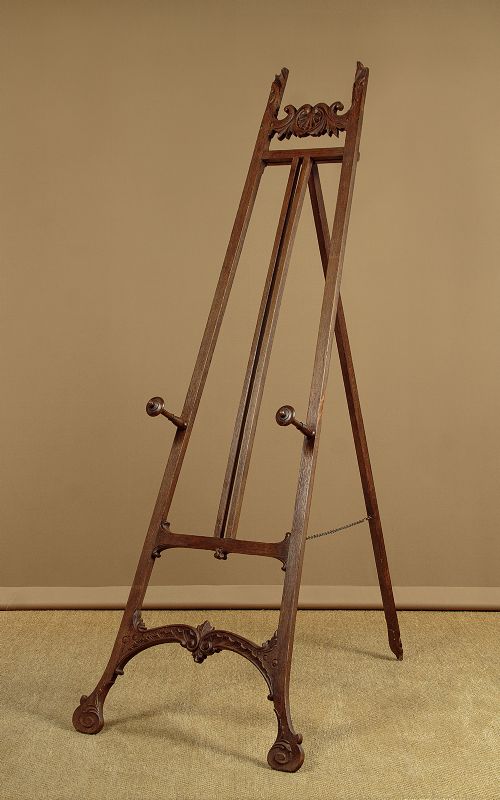
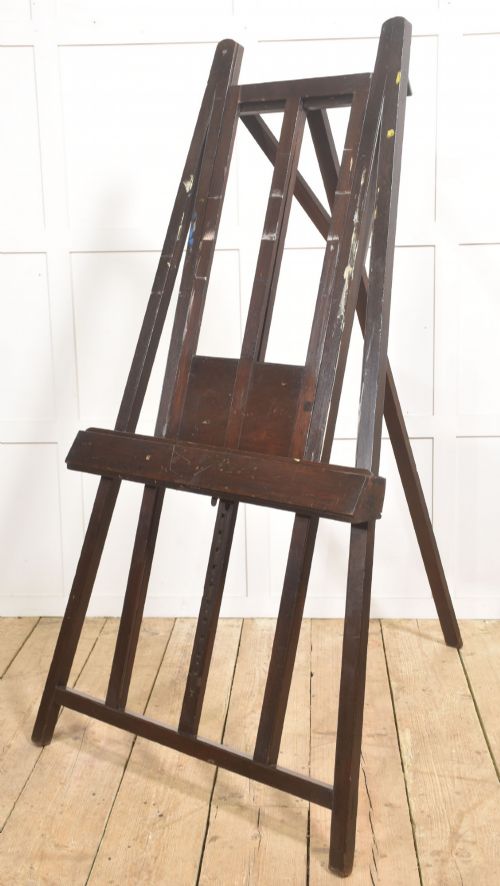


Studio Painting Easel
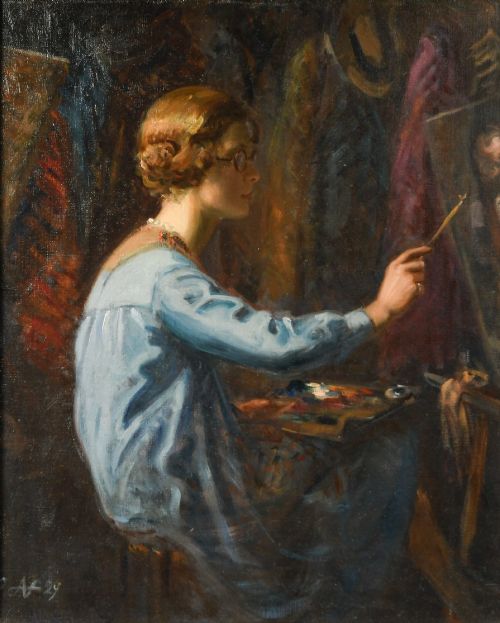
A studio painting easel is the heavy, working heart of the artist's workspace, built to hold canvases firm through hours of application.
Studio Painting Easel
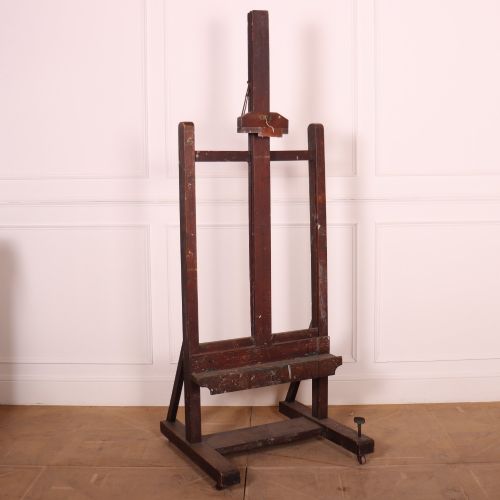
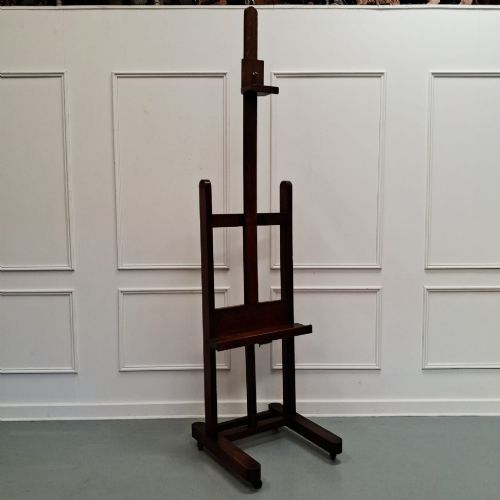
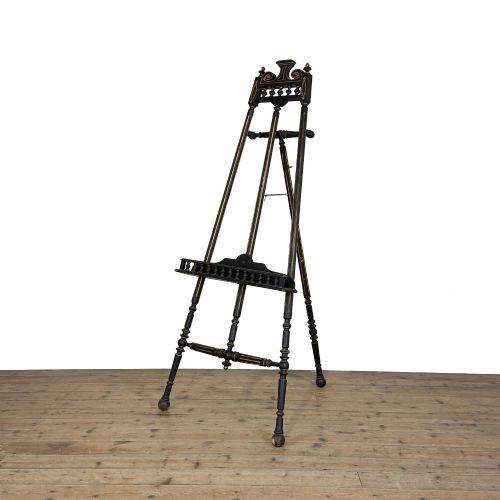
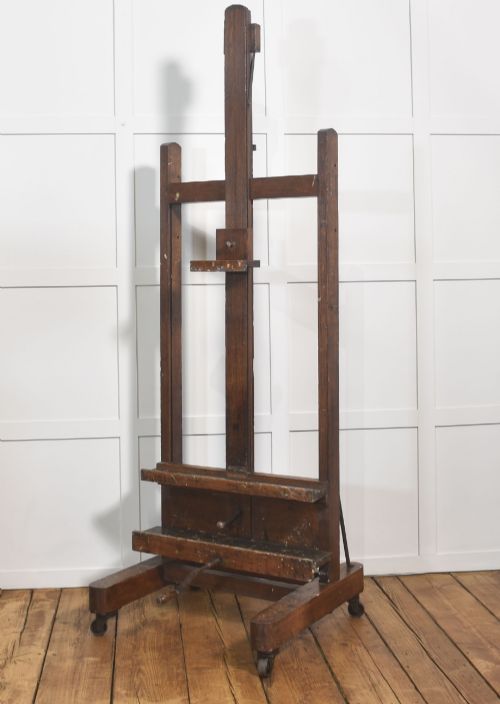
A studio painting easel provides the sturdy vertical support that painters require for serious work, ranging from large floor-standing models to compact tabletop versions. When searching for a studio painting easel, collectors and artists encounter robust designs intended to bear the weight of heavy oil paintings and large frames.
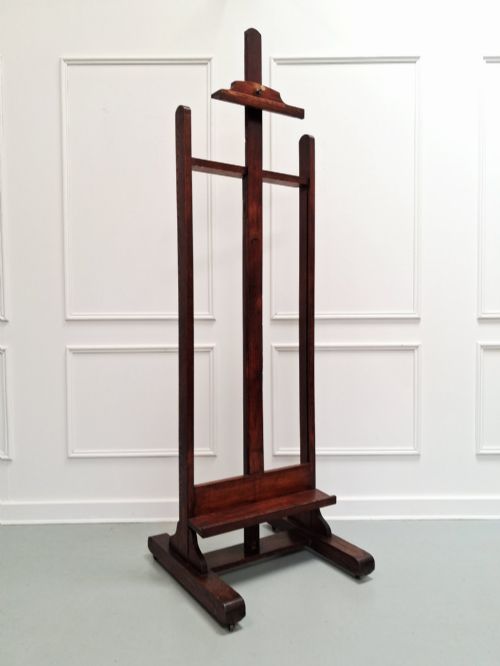
The selections span several distinct periods, including Victorian examples, 19th-century specimens, and pieces from the early decades of the 20th century. Forms vary from massive double-sided gallery pieces to smaller display stands and adjustable oak frames.
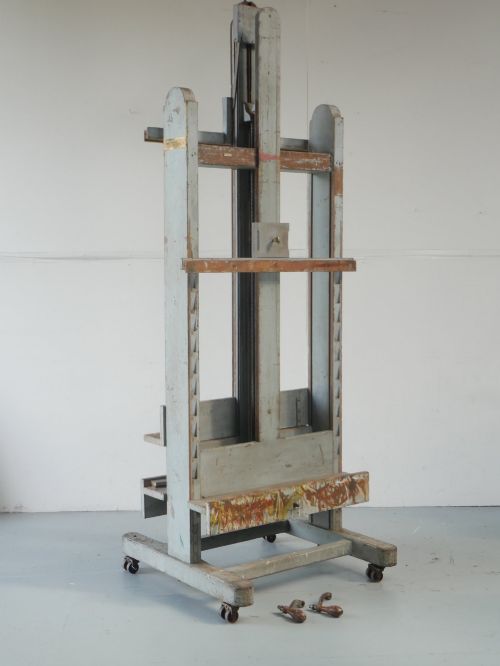
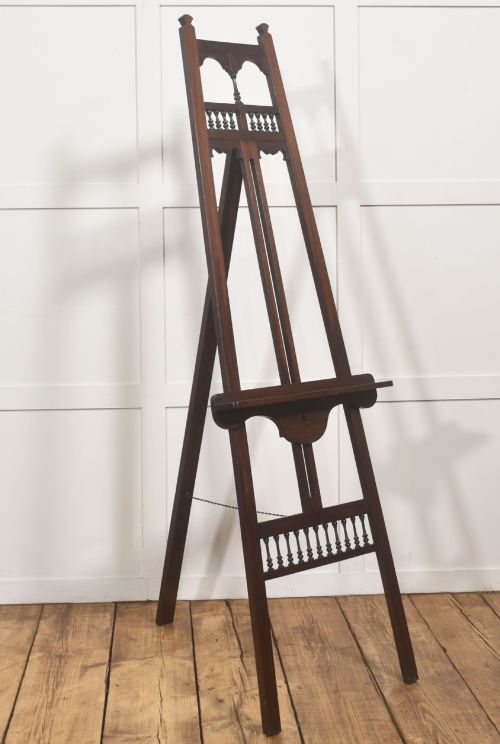
Origin and style also influence what appears, with French provincial and Aesthetic Movement pieces sitting alongside industrial metal designs and British school works. Buyers find everything from utilitarian timber frames to highly ornate carved display pieces.
How they were made
Maker construction relies heavily on dense hardwoods such as oak and mahogany, chosen for their ability to sustain heavy loads without flexing. These timbers are frequently joined with robust mechanical adjustments to alter height and angle.
Metal components, including iron, cast iron, and brass, provide the gearing, winding handles, and bracing necessary for fully adjustable studio frames. Ebonised wood also appears, offering a dark, uniform finish suited to more decorative aesthetic tastes.
Studio Painting Easel Retail Price Guide 2026
Typical asking prices for studio painting easel among the pieces listed under this phrase on Sellingantiques today, from the lower quarter to the upper quarter. They describe what is for sale here now, not the wider market.
Listings feature woods including oak, mahogany, and ebonised timber, alongside iron and brass metalwork.
What varies in quality
Quality in a studio painting easel rests on the integrity of its mechanical adjustments and the thickness of its timber. Mechanisms that operate smoothly and hold position securely distinguish superior working stands from simpler display items.
The presence of thoughtful detailing, such as double-sided tracks or intricate hand-carved motifs like swan designs, separates standard utilitarian frames from grander gallery pieces.
The Studio Painting Easel Glossary
- Easel
- A self-supporting wooden or metal frame used to hold an artist's canvas or a finished picture upright.
- Double Sided
- An easel designed with working tracks on both front and back surfaces to hold two canvases simultaneously.
- Ebonised Wood
- Timber treated with a chemical stain or black finish to imitate expensive ebony.
- Aesthetic Movement
- A late 19th-century design style emphasising visual beauty over narrative or moral content.
- Fully Adjustable
- Incorporating mechanical cranks, ratchets, or sliding brackets to alter the height and rake of the mounted canvas.
Studio Painting Easel: Frequently Asked Questions
What is a studio painting easel?
A studio painting easel is a heavy-duty support structure used by artists to hold canvases steady during the creative process. These pieces are built to accommodate large formats and heavy oil paintings.
Unlike portable field sketching boxes, these structures remain stationary in a studio, workshop, or gallery space. They combine functional timber frames with mechanical adjustments for height and tilt.
How do I date an antique easel?
Dating relies on examining the timber species, the style of the joinery, and the sophistication of any metal hardware. Victorian and 19th-century examples often feature dense oak or mahogany with hand-turned handles.
Later pieces from the early 20th century incorporate different industrial fixings and cast iron components. Stylistic clues, such as Aesthetic Movement ebonising or Rococo revival carving, also point to specific eras.
Can these easels hold heavy canvases?
Large floor-standing models are specifically engineered to bear the substantial weight of large oil paintings and thick wooden stretchers. Their wide bases and heavy timbers prevent tipping during active painting.
Fully adjustable oak and mahogany frames from the 19th century provide exceptional stability for working artists. Tabletop versions, by contrast, suit smaller studies and display purposes.
Where should I place a studio easel at home?
These pieces function well as prominent sculptural items in large rooms, serving to display finished artwork or mirrors. Their substantial vertical presence draws the eye and anchors a room's layout.
Placing the easel near natural light enhances its timber grain and mechanical brass details. Double-sided models allow artwork to be viewed from multiple angles within an open interior space.