





Stuart Gentleman Painting
A stuart gentleman painting captures the gravitas and elaborate attire of the late seventeenth century, offering an authentic window into British aristocracy and society.
Stuart Gentleman Painting
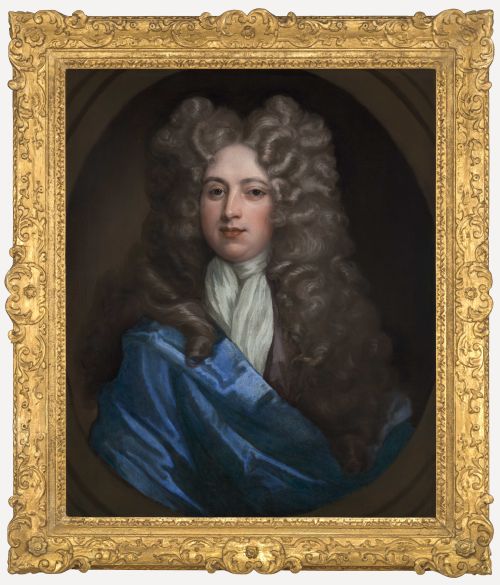
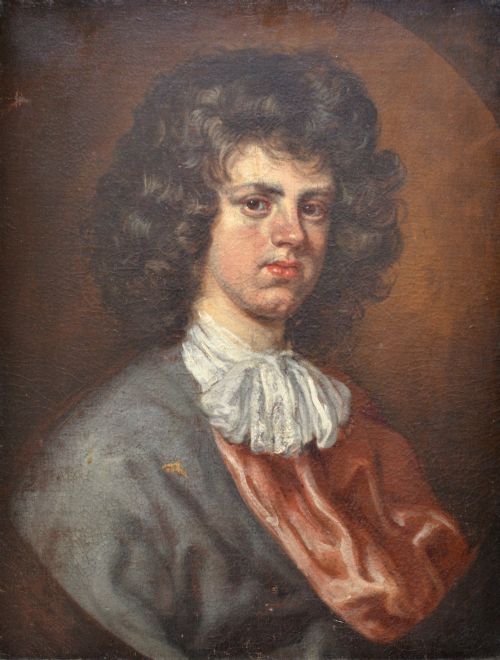
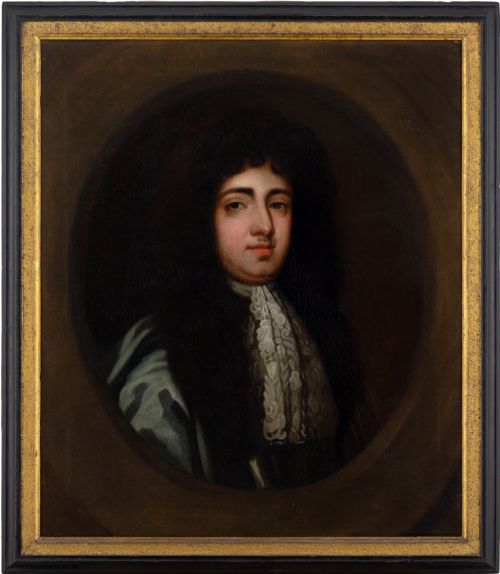
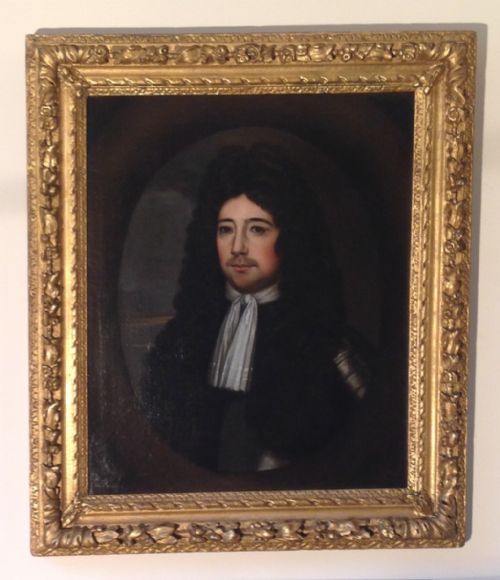
When searching for a stuart gentleman painting, collectors encounter oil on canvas portraits dating predominantly from the seventeenth century and around seventeen hundred. These works capture notable figures, judges, and military commanders rendered in the distinctive aesthetic of the period.
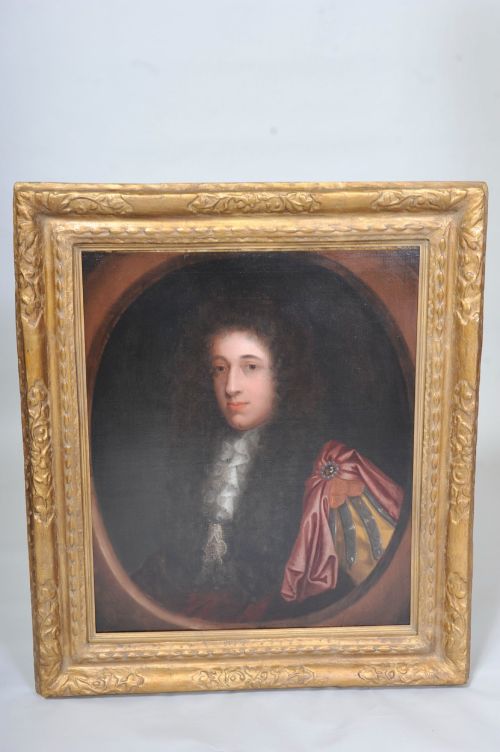
The most common version met on this page is the bust or half-length portrait depicting sitters in elaborate costume, periwigs, armour, and rich cloaks. Such pieces emerge from various regional British, Scottish, and Anglo-Irish schools active during the Restoration and Baroque eras.
Portraits often carry attributions to prominent studio circles or named artists associated with the British Baroque movement. They represent a significant facet of fine art history, documenting the shifting fashions and social standing of the era's elite.
Materials and construction
These artworks rely on oil paint applied to stretched canvas surfaces, allowing artists to build rich layers of tone and texture. The technique supports the deep shadows and dramatic lighting characteristic of the Baroque style.
Works are typically housed within their original or period-appropriate wooden frames, often finished with gold leaf or gilded wood. The combination of canvas, oil pigments, and giltwood frames creates a cohesive historical object.
Stuart Gentleman Painting Retail Price Guide 2026
Typical asking prices for stuart gentleman painting among the pieces listed under this phrase on Sellingantiques today, from the lower quarter to the upper quarter. They describe what is for sale here now, not the wider market.
The listings feature oil on canvas works spanning the seventeenth century, incorporating pieces from English, Scottish, and Anglo-Irish schools.
What distinguishes finer examples
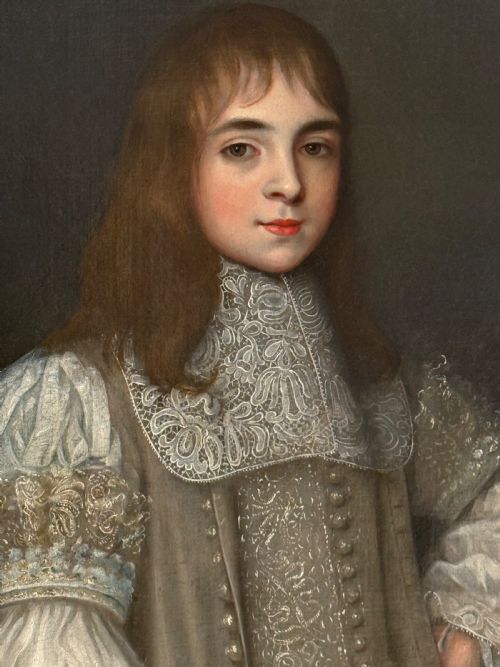
Quality in these portraits rests upon the rendering of facial expression, the precision in depicting textiles and lace, and the psychological depth of the sitter. Superior works display confident brushwork and anatomical clarity that elevate them above standard studio output.
The sophistication of the accompanying frame also influences the overall merit of the piece. Authentic period giltwood frames that complement the painting enhance the historical integrity and visual impact of the artwork.
Thomas Murray·Mary Beale·John Michael Wright·John Riley·John Greenhill·Samuel Cooper·John Closterman·Johann Kerseboom
The Stuart Gentleman Painting Glossary
- Baroque
- A style of European architecture, music, and art of the seventeenth and eighteenth centuries that is characterised by ornate detail and dramatic expression. This aesthetic informs the dynamic lighting and rich drapery seen in seventeenth-century portraits.
- Periwig
- A highly styled wig worn by men of fashion and standing during the late seventeenth century. This hairpiece is a defining feature in dating portraits from the Restoration period.
- Oil on canvas
- A painting medium where pigments are suspended in a drying oil and applied to a woven fabric support. This combination provides durability and allows for subtle blending of tones.
Stuart Gentleman Painting: Frequently Asked Questions
How are these portraits dated?
Dating relies on the sitter's costume, particularly the style of periwig, cravat, and armour depicted in the canvas. Documentary evidence, artist attributions, and stylistic traits of the British Baroque further narrow the period.
Comparisons with known works by artists of the seventeenth century help specialists place the painting within a specific decade, such as the seventeen-nineties.
What is a studio circle attribution?
An attribution to the circle of a known painter indicates the work was produced by an artist closely associated with that master. This often means a follower working in the immediate orbit or workshop of a prominent figure.
Such pieces share technical methods and stylistic traits with the named master but lack formal documentation of the artist's own hand.
How should I display an oil painting?
Displaying these works requires avoiding direct sunlight and maintaining stable humidity levels to protect the canvas and wood. Placing the painting away from heat sources prevents the drying and cracking of both the oil pigments and the wooden frame.
Proper wall anchoring ensures the heavy giltwood frame is safely supported without straining the canvas stretcher bars.
What distinguishes Scottish school portraits?
Portraits originating from the Scottish school reflect the distinct artistic patronage and regional portraiture traditions north of the border. They share the broader British Baroque vocabulary while occasionally showing unique local preferences in costume and composition.
These pieces offer insight into the Scottish aristocracy and gentry during the late seventeenth and early eighteenth centuries.