


Stripes Armchair
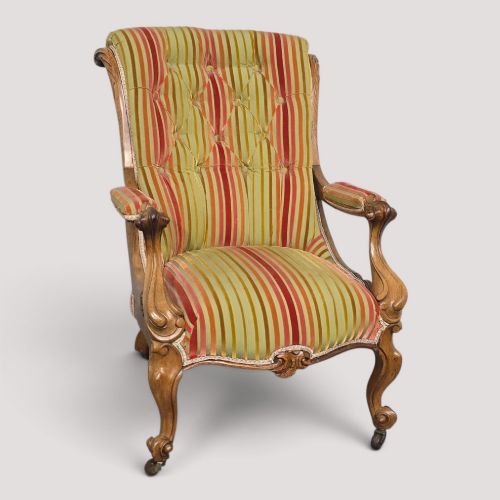
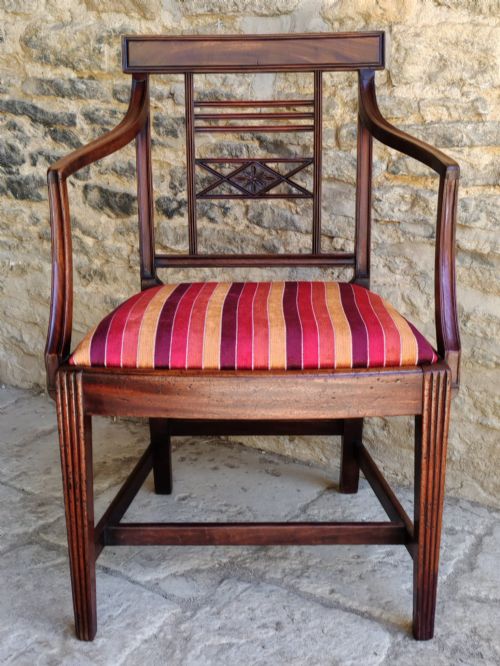
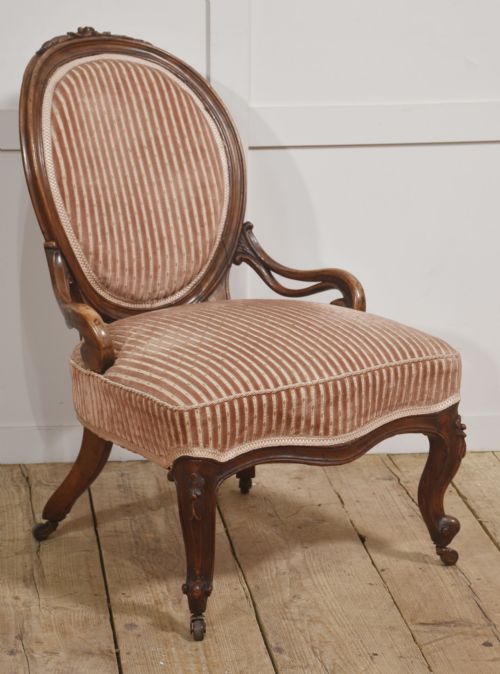
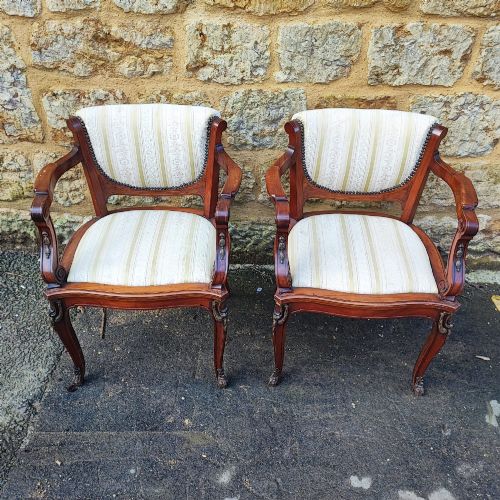
A stripes armchair brings patterned textile interest and substantial seating history into a room through diverse historical periods.
Stripes Armchair
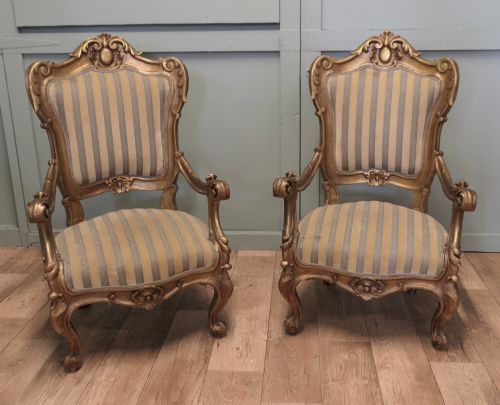
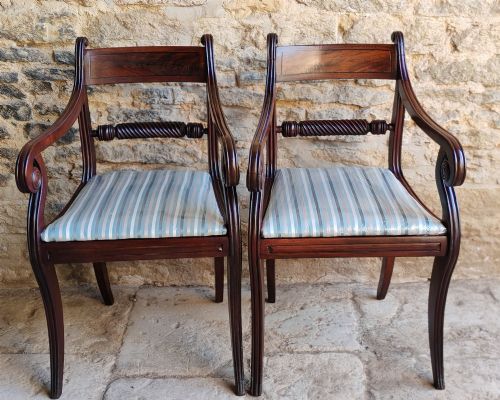
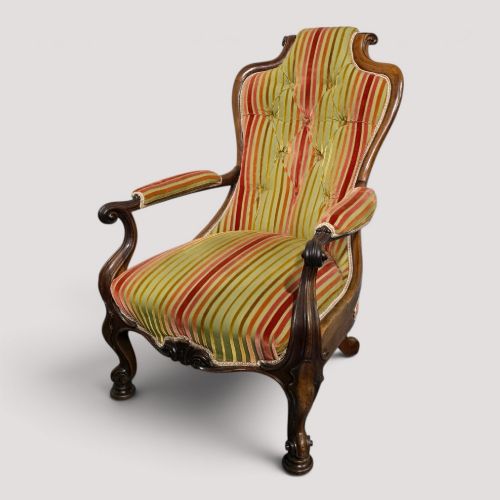
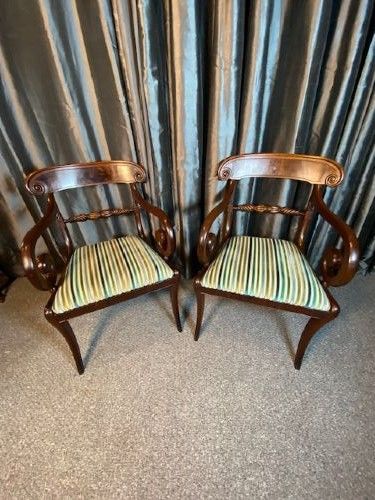
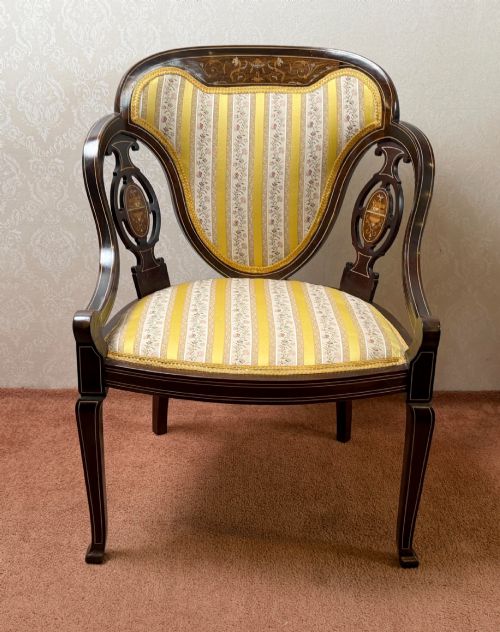
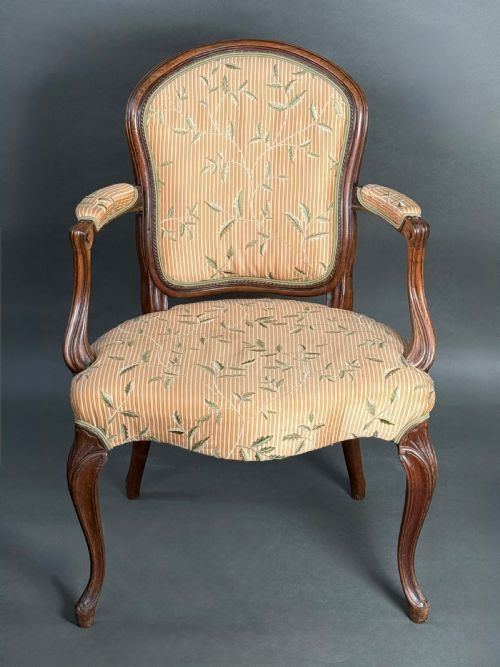
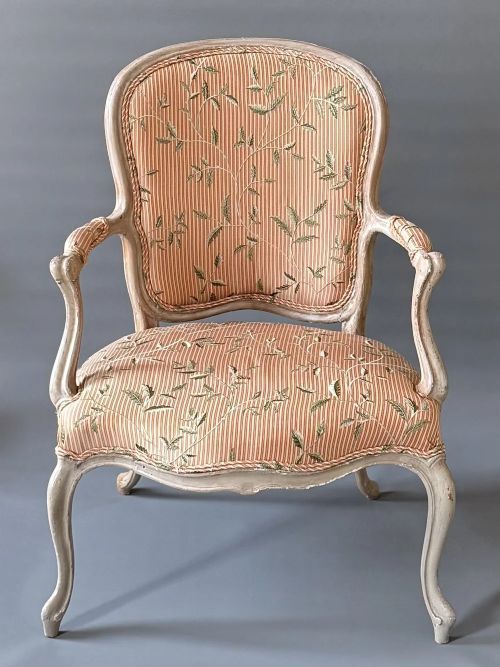
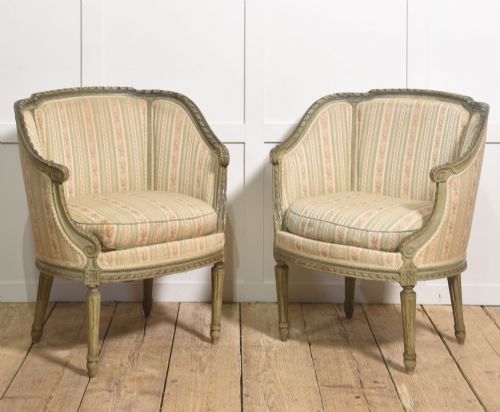
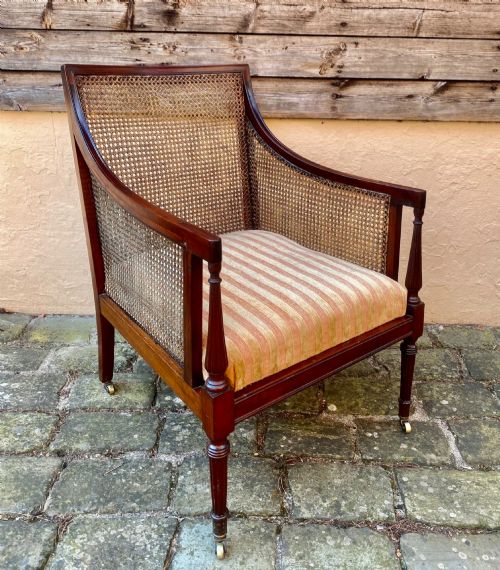
A stripes armchair encompasses various seating forms such as library armchairs, bergères, carvers, and salon chairs spanning from the 18th century through the 1930s. Buyers searching for a stripes armchair will encounter pieces upholstered in patterned fabric, silk, velvet, and textile alongside exposed wood frames.
Materials and Construction
Frames employ hardwoods such as mahogany, walnut, rosewood, satinwood, and birch, frequently shaped with carved showwood and occasional bone or boxwood inlay. Structural integrity relies on traditional joinery methods suited to each period.
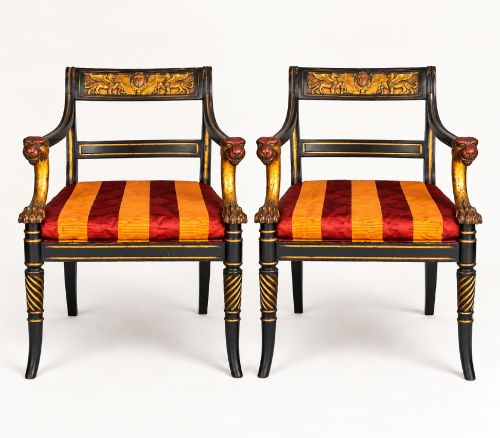
Upholstery incorporates textile, silk, velvet, and specialised upholstery fabric, sometimes paired with decorative elements like giltwood or painted finishes on the wooden frames.
Stripes Armchair Retail Price Guide 2026
Typical asking prices for stripes armchair among the pieces listed under this phrase on Sellingantiques today, from the lower quarter to the upper quarter. They describe what is for sale here now, not the wider market.
Among the stately mahogany and giltwood, an adventurous steamer deck chair quietly waits for smoother waters.
Assessing Quality
Quality rests upon the crispness of the wood carving, the sophistication of period stylistic details like string inlay or giltwood, and the harmony between the frame and its upholstery fabric. Finer examples display meticulous attention to proportion and structural detailing.
The integrity of the timber species, from figured mahogany to satinwood, and the precision of historical joinery separate standard seating from exceptional library and salon chairs.
COLEFAX AND FOWLER
The Stripes Armchair Glossary
- Bergere
- A closed-arm upholstered armchair with wooden framing, often featuring cane panels or fully padded sides. This classic French form provides comfortable lounge seating.
- Carver chair
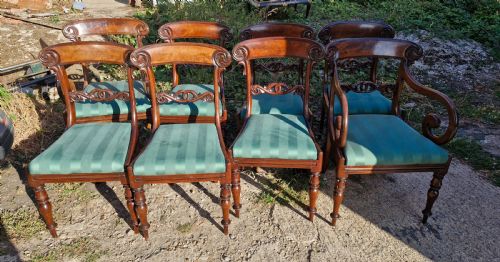
- An open armchair, typically designed with arms to match a set of dining chairs for the head of the table. These sturdy seats date across Georgian and Regency periods.
- Fauteuil
- An open-arm armchair with an exposed wooden frame originating in French interior design. The upholstered back and seat sit between open wooden armrests.
- Showwood
- Exposed polished or carved wood on an armchair where the frame remains visible around the upholstery. This highlights the craftsmanship of the underlying timber.
- Wingback chair
- An armchair with high sides attached to the back, designed to shield the sitter from draughts. Georgian and Victorian examples frequently feature generous padded wings.
Stripes Armchair: Frequently Asked Questions
What periods do these armchairs cover?
The listings span multiple centuries, including 18th century, Georgian, Regency, Victorian, Edwardian, and early 20th century pieces. Each era introduces distinct proportions and decorative treatments.
Craftsmanship evolves from solid mahogany frames of the Georgian period to lighter painted French styles and Edwardian salon seating.
How do I identify a Regency armchair?
Regency armchairs often feature rich timbers like mahogany or rosewood, sometimes accompanied by library or desk chair configurations. Look for classical restraint and robust proportions.
Details such as carved showwood or library designs help separate these pieces from later Victorian and Edwardian variations.
Where were these chairs used historically?
These seating forms served diverse functions across period interiors, from formal dining rooms and libraries to private boudoirs and salons. Library armchairs provided sturdy comfort for reading.
Smaller salon and tub chairs offered movable seating options for entertaining guests in drawing rooms.
What fabrics upholster these armchairs?
Upholstery materials include traditional silk, velvet, standard textile, and specialised upholstery fabric. Many pieces retain or have been updated with patterned coverings.
Wood frames like walnut and mahogany contrast with the soft textures of the fabric applied across the seats and backs.