
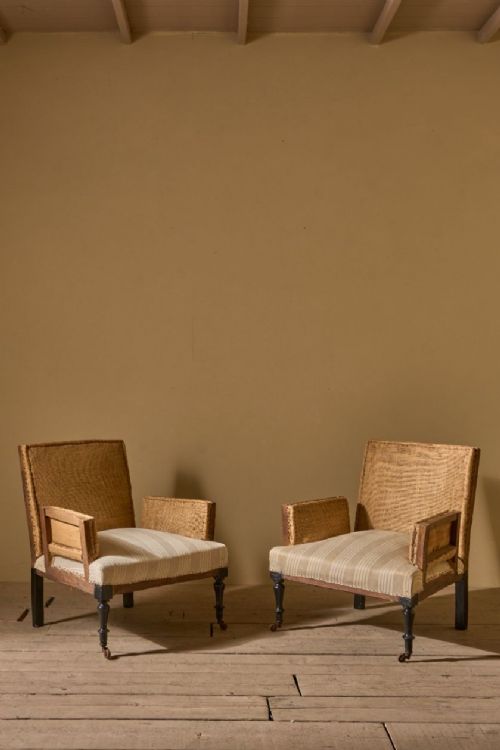
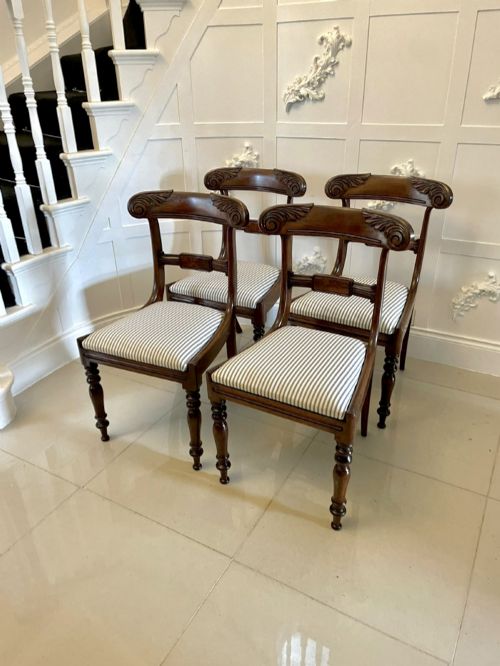
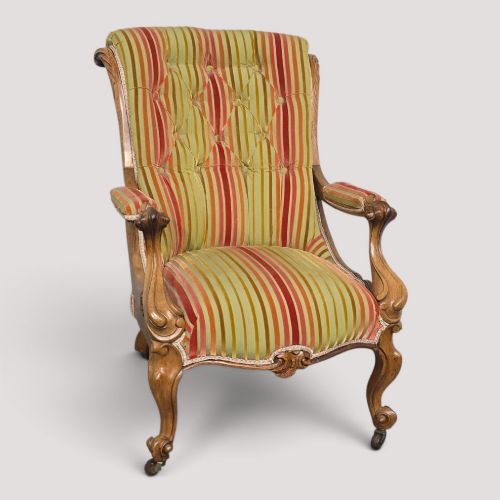
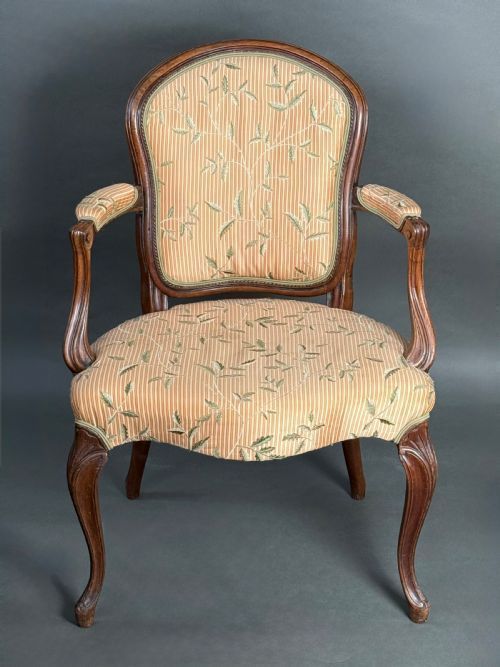

Striped Seat Chairs
Striped seat chairs bring linear rhythm to seating, uniting periods from Georgian dining rooms to Edwardian parlours.
Striped Seat Chairs
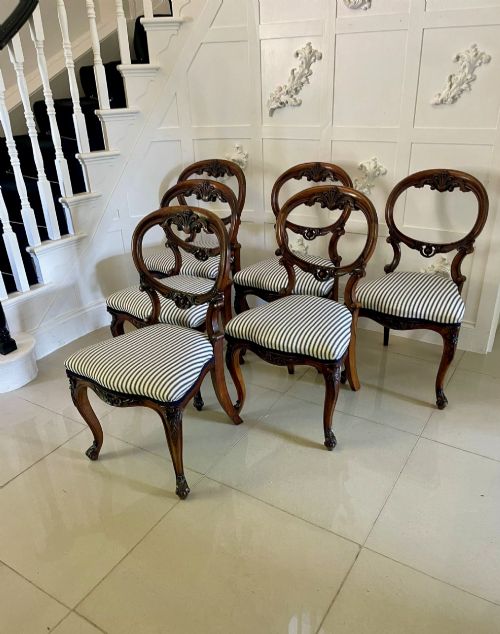
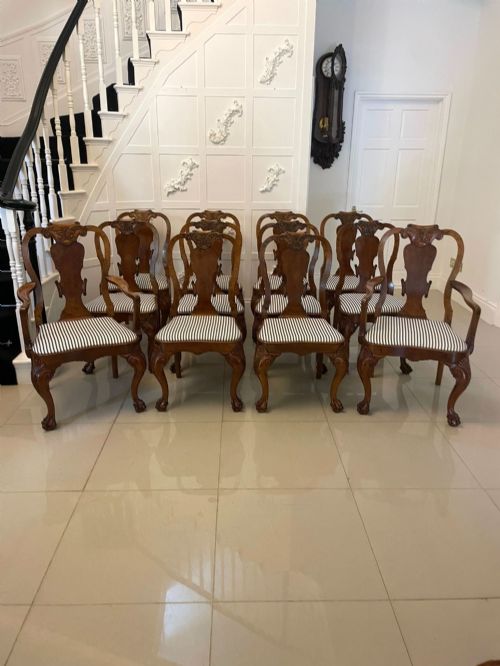
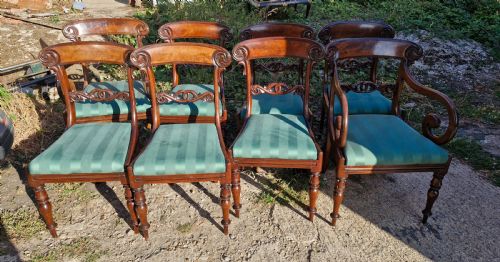
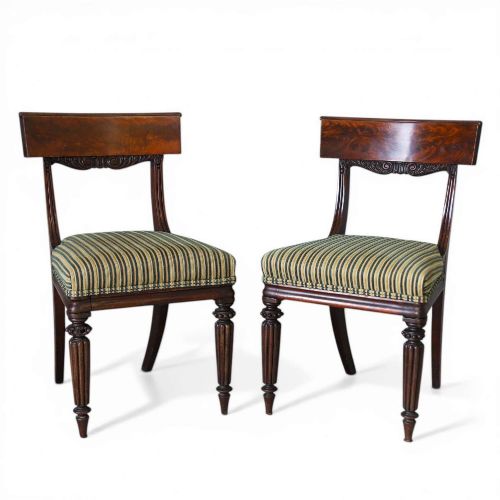
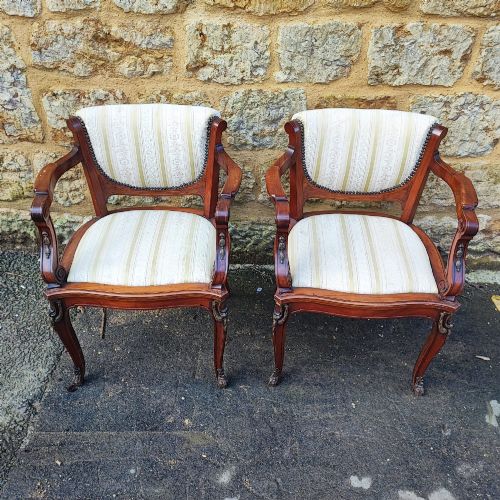
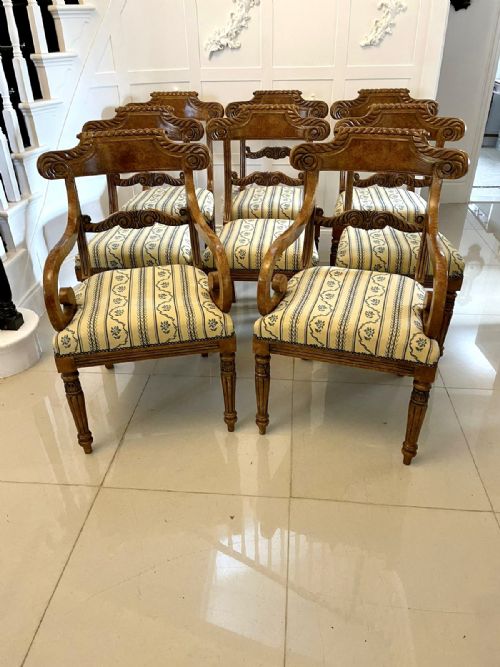
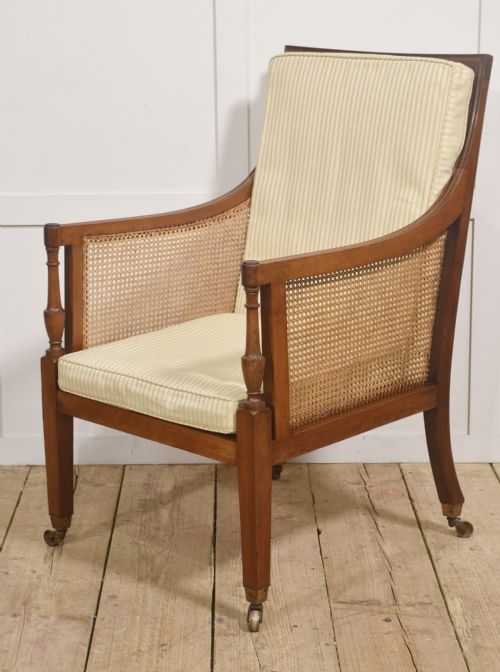
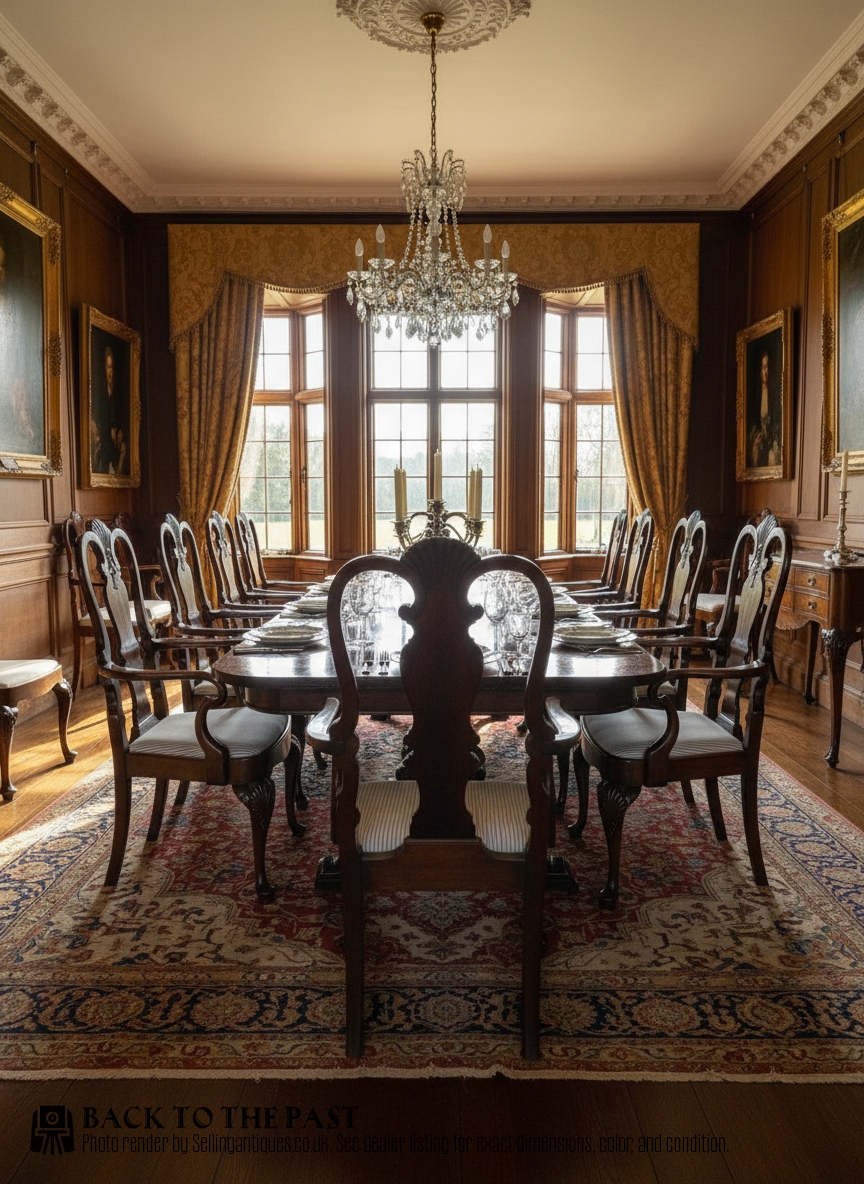
When you search for striped seat chairs, you encounter seating built across several centuries, with dining chairs and library armchairs appearing most often. These pieces span Georgian, Regency, Victorian and Edwardian eras, utilising various woods like mahogany, rosewood and walnut.
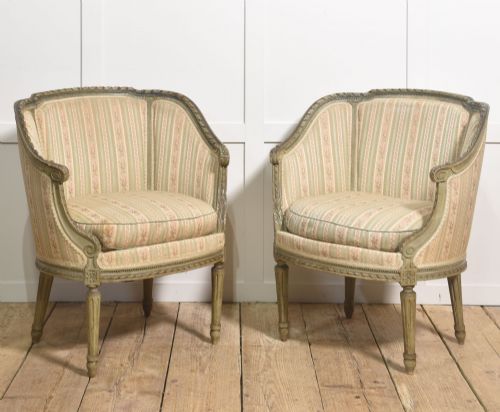
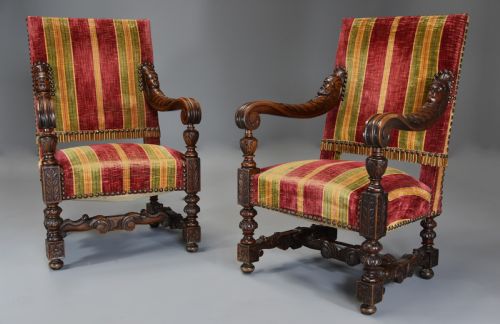
The selection ranges from sets of dining chairs to individual salon chairs, armchairs and settees. Many pieces feature period upholstery such as silk, velvet and contemporary coastal stripe fabric.
How they were made
Cabinetmakers utilised dense hardwoods including mahogany, walnut, rosewood, satinwood and oak to construct the frames of these chairs. Frame construction involved traditional joinery, sometimes complemented by carved details, string inlay or painted surfaces.
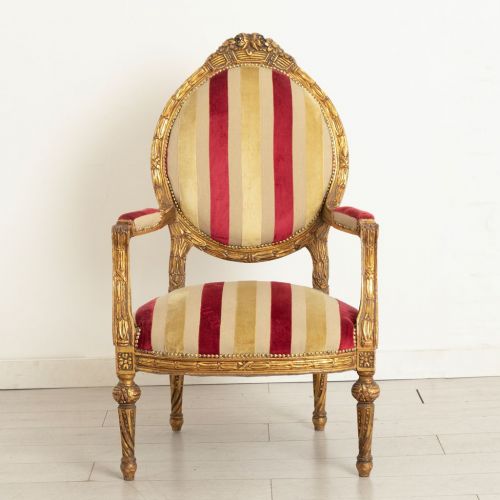
Upholstery techniques applied textiles such as silk, velvet and woven fabric directly to the seats or backs. Brass elements and giltwood treatments appear on specific French and neoclassical designs.
Some chairs disguise themselves as birds through faux birds eye maple.
What varies in quality
Quality rests in the crispness of the timber carving and the selection of figured veneers such as burr walnut or faux birds eye maple. Superior dining sets maintain matched grain patterns across every chair in the group.
The sophistication of the frame proportions and the execution of details like fluted legs or string inlay distinguish fine workshop output from standard production. Upholstery choice also plays a role, with heritage silk textiles elevating the presentation.
Colefax and Fowler
The Striped Seat Chairs Glossary
- Fauteuil
- An open-armed French armchair with upholstered back and armpads, typically dating from the eighteenth century or later revivals. These frames often display carved giltwood or polished walnut.
- Bergère
- An enclosed armchair with upholstered sides and back, designed for comfort during the Regency and later periods. They frequently incorporate cane work or fully padded textile panels.
- Balloon-back
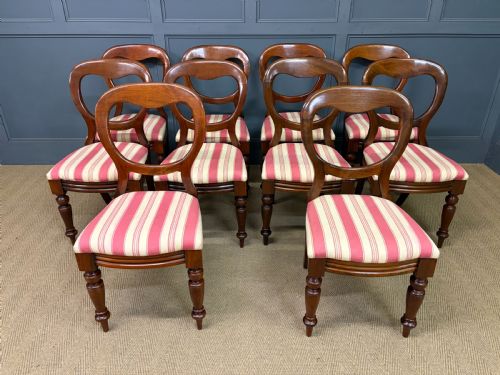
- A chair back shaped in a continuous oval loop, popular during the Victorian era in mahogany or walnut. This form provides ergonomic support while displaying timber grain.
- Settee
- A small upholstered bench with a back and arms, seating two or more people. Examples range from compact salon seating to decorative frames on fluted legs.
- String inlay
- Fine contrasting lines of wood inlaid into the primary timber surface to create geometric borders. This technique appears on Edwardian and Georgian salon furniture.
Striped Seat Chairs: Frequently Asked Questions
How do I date a striped chair?
Dating relies on timber choice, leg shape and upholstery style. Regency pieces often use rosewood with brass details, while Victorian chairs frequently display balloon backs.
Examining the underlying construction and joinery methods helps confirm whether a piece belongs to the Georgian, Victorian or Edwardian eras.
Are dining chairs sold individually?
Dining chairs appear both as single side chairs and as large assembled sets numbering up to fourteen pieces. Sets remain intact to preserve uniformity around a dining table.
Single armchairs and salon chairs are usually acquired as standalone accent pieces or in matching pairs.
What woods were used for frames?
Mahogany, walnut and rosewood form the majority of the timber frames seen across these periods. Lighter woods like satinwood and oak also occur in specific regional and Edwardian designs.
Faux finishes and painted surfaces appear on French-style pieces, including giltwood and painted tub chairs.
How do I care for antique upholstery?
Protect antique silk and velvet textiles from direct sunlight to prevent fading and fibre degradation. Regular light vacuuming with a soft brush attachment removes surface dust.
Consult a professional textile conservator when dealing with historic or delicate period fabrics.