



Striped Sofa
A striped antique sofa brings pattern and form together, offering seating rooted in periods from the seventeenth century to the twentieth.
Striped Sofa
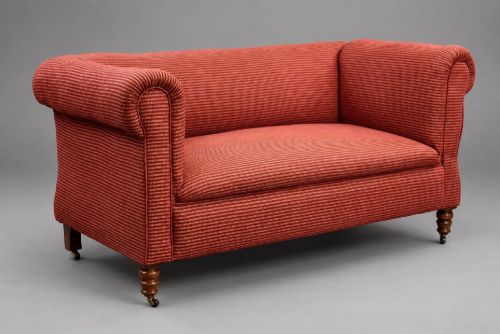
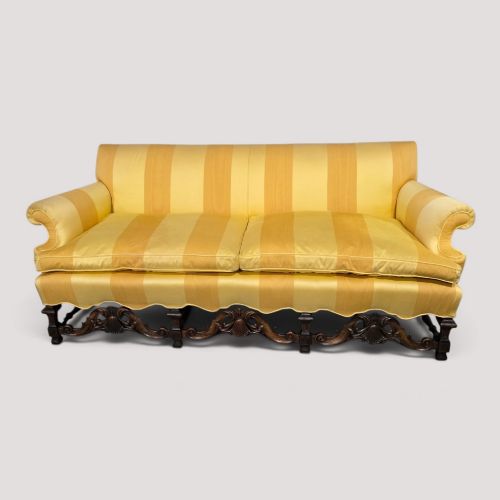
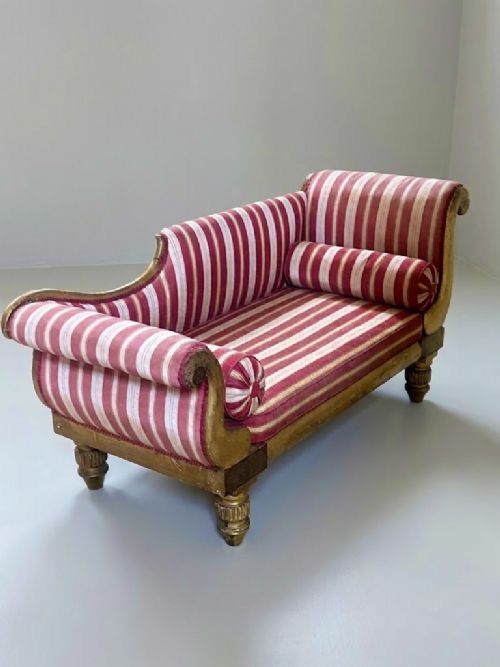
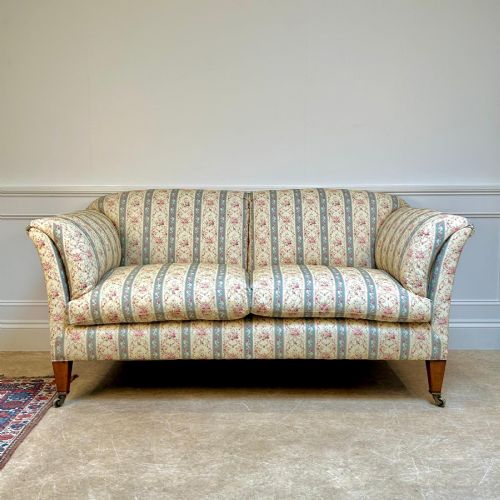
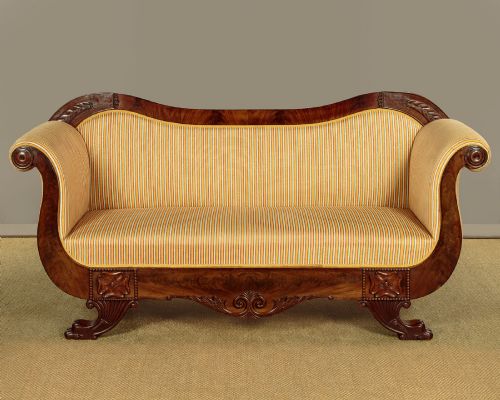
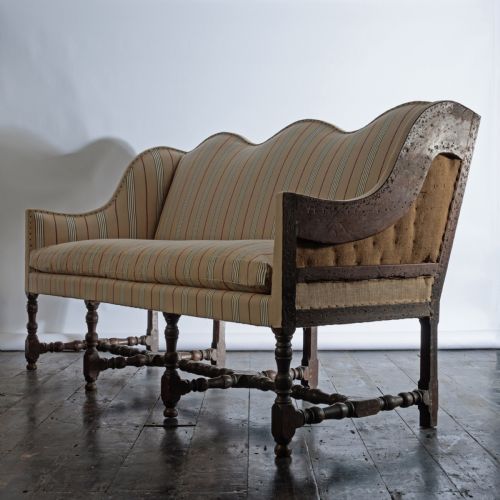
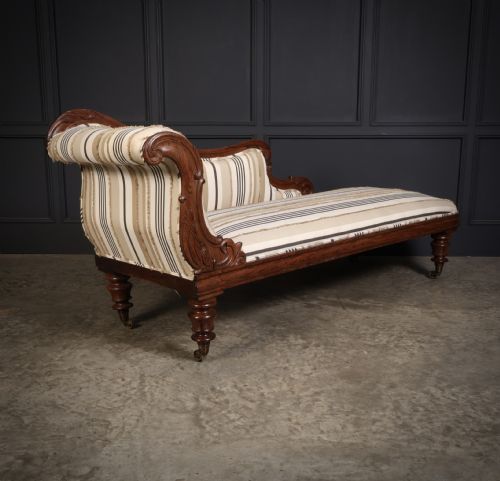
A striped antique sofa encompasses seating forms ranging from nineteenth-century scroll-end couches and chaise longues to early wingback pieces and Edwardian salon settees. Buyers search for these furnishings to anchor a room with distinct period character and patterned upholstery.
The version most frequently encountered on this page is the Regency mahogany scroll-end sofa, often featuring carved wooden frames and textile coverings. Alongside these, examples span Victorian, Biedermeier, and Louis XVI-style designs in various woods and fabrics.
Materials and Construction
Makers utilised a variety of solid timbers and veneers for the frames, including mahogany, walnut, rosewood, birch, fruitwood, satinwood, and giltwood. Structural elements were frequently carved, painted, or ebonised depending on the prevailing style.
Upholstery relies on traditional textiles such as silk, cotton, ticking fabric, and woven materials, sometimes paired with brass details or concealed storage compartments.
Striped Sofa Retail Price Guide 2026
Typical asking prices for striped sofa among the pieces listed under this phrase on Sellingantiques today, from the lower quarter to the upper quarter. They describe what is for sale here now, not the wider market.
Listings feature woods such as mahogany, walnut, rosewood, birch, satinwood, and giltwood alongside fabrics like silk, cotton, and ticking.
Judging Quality
Quality rests in the crispness of the timber carving, the integrity of the frame construction, and the fidelity of the period style. Pieces retaining original frames and period-appropriate upholstery display superior craftsmanship.
The refinement of proportion and the selection of fine woods or gilt finishes distinguish finer examples from standard production.
Howard & Sons
The Striped Sofa Glossary
- Scroll end
- A sofa arm design curving outward and downward, typical of Regency and nineteenth-century seating.
- Chaise longue
- An upholstered couch intended for reclining, combining the backrest of a sofa with an extended seat.
- Giltwood
- Timber coated with gold leaf or gold paint, frequently utilised on decorative French and Regency frames.
- Simulated rosewood
- Wood painted or stained to imitate the rich grain and colour of genuine rosewood.
- Biedermeier
- A Central European style emphasising clean lines and utilitarian comfort during the nineteenth century.
Striped Sofa: Frequently Asked Questions
What periods do these sofas cover?
The selection spans from the seventeenth century through the Regency, Victorian, and Edwardian eras up to the early twentieth century. Styles range from Baroque and Louis XVI to Biedermeier and directoire.
Most examples date from the nineteenth century, reflecting the popularity of scroll-end and mahogany framed designs during that period.
How do I identify a Regency sofa?
Regency pieces often feature characteristic scroll ends, carved mahogany frames, and classical proportions reminiscent of French Empire or English Regency design.
Simulated rosewood finishes and giltwood accents also frequently appear in this specific group.
What is the difference between a settee and a daybed?
A settee provides formal seating for multiple occupants with a defined backrest and arms, similar to a small sofa. A daybed is intended for resting and lounging, often featuring a single raised end.
Both forms appear across various nineteenth-century and Edwardian listings.
What upholstery materials are used?
Original and period upholstery includes striped silk, cotton, woven textiles, and traditional ticking fabric. These materials are paired with frames built from mahogany, walnut, birch, and fruitwood.
Some pieces also incorporate brass elements and inlaid satinwood.