







Store Display Cabinet
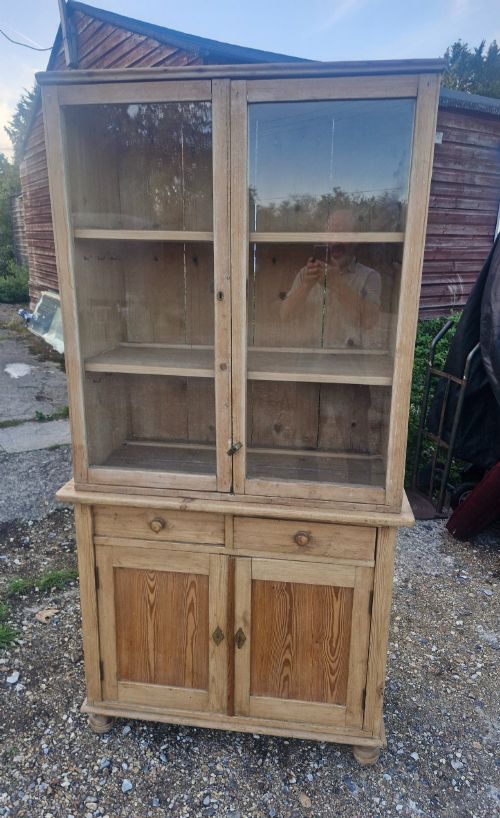
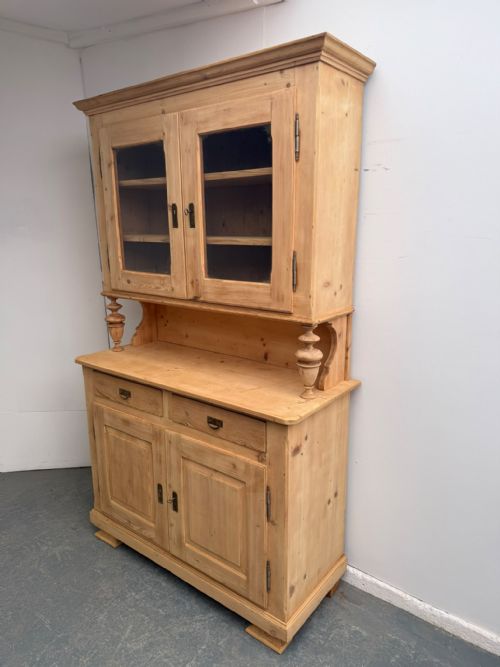
These store display cabinet pieces are trade furnishings built to show wares, offering sturdy glass and timber framing for practical home collections.
Store Display Cabinet
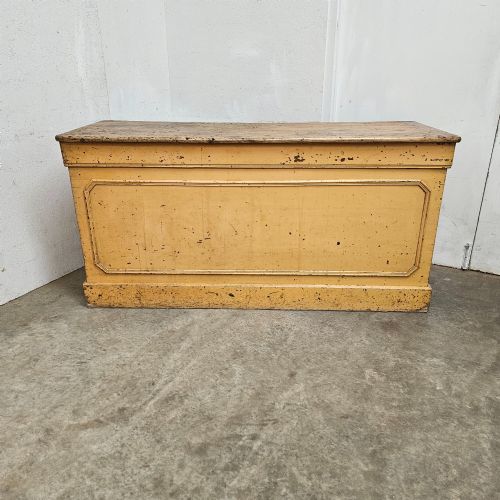
A store display cabinet serves trade and domestic interiors alike, drawing from commercial forms like shop counters, drapers counters, and apothecary boxes. Buyers seek these pieces to house collections behind glass panels while adding distinct utilitarian character to a room.
Most examples originate from the Victorian and Edwardian eras, with 1930s counters and 19th-century pine cupboards appearing frequently. The selection ranges from tall haberdashery cabinets in oak to brass-framed display stands and painted kitchen dressers.
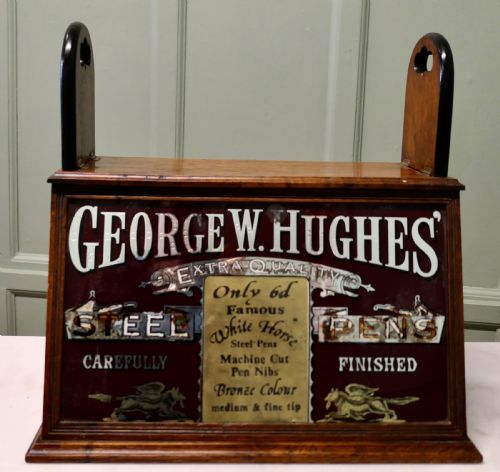
Commercial heritage defines these items, carrying traces of past trade use through advertising details, original paint finishes, and adjustable feet. They function effectively as bookcases, kitchen cupboards, and specialised display furniture within modern domestic spaces.
How they were made
Construction relies heavily on timber framing, using mahogany, oak, pine, walnut, and painted timber to build robust carcasses. Glass panels provide visibility from multiple angles while protecting the contents housed within.
Metal components such as brass frames, iron supports, and brass hardware reinforce the wooden structures. These materials reflect commercial durability, designed to withstand daily retail handling.
Store Display Cabinet Retail Price Guide 2026
Typical asking prices for store display cabinet among the pieces listed under this phrase on Sellingantiques today, from the lower quarter to the upper quarter. They describe what is for sale here now, not the wider market.
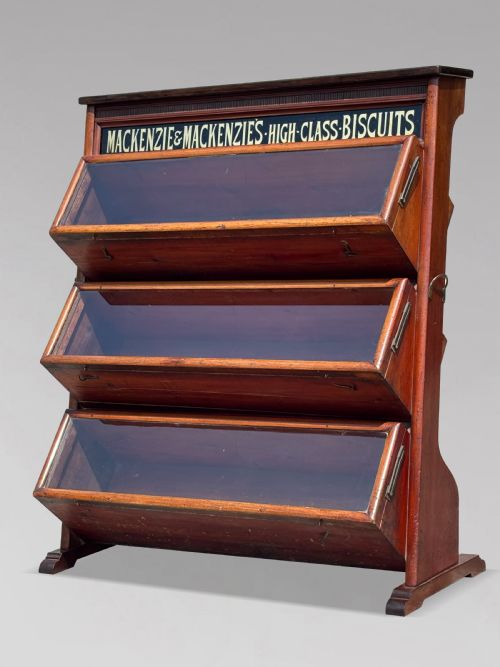
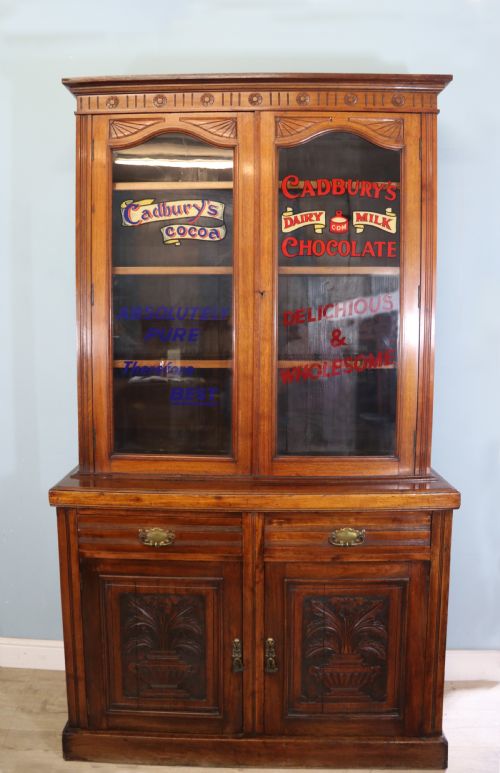
Some cabinets bear the ghosts of biscuits and cocoa past, carrying brand names into modern living rooms.
What varies in quality
Surface preservation dictates much of the character, distinguishing untouched original paint and polished wood from later alterations. Haberdashery and apothecary pieces show superior organizational complexity through numerous drawers and specialised compartments.
Mackenzie's Biscuits·Saml. Elliott & Sons·Quincy Showcase Works Illinois·Cadbury's Cocoa
The Store Display Cabinet Glossary
- Haberdashery cabinet
- A multi-drawer storage unit featuring glass-fronted or shallow trays originally designed for selling small dry goods and sewing items. These pieces are prized by collectors for their modular organisation.
- Bijouterie table
- A low display table with a glazed top compartment intended for viewing small valuables, jewellery, or curiosities. They often stand on slender legs to present items at a convenient height.
- Apothecary box
- A compact storage container fitted with small compartments and drawers for medicines and dry ingredients. Their dense configuration makes them desirable desktop or tabletop display objects.
- Shop counter
- A heavy-duty retail furnishing featuring a flat top for transactions and a glazed or open front for merchandise. They ground large kitchen or retail spaces with substantial timber presence.
Store Display Cabinet: Frequently Asked Questions
How are store display cabinets cleaned?
Use a soft, dry cloth to dust timber surfaces regularly, avoiding harsh chemical sprays that might damage antique finishes. Glass panels require standard glass cleaner applied to a cloth rather than sprayed directly near wood.
Condition timber periodically with appropriate wax to maintain the moisture and sheen of the wood. Take care around original painted surfaces and sign-written details to preserve their historical integrity.
Can these cabinets hold heavy books?
Sturdier oak and mahogany variants handle substantial weight, particularly haberdashery units and large bookcases built for commercial stock. Pine cupboards also offer robust internal shelving for everyday storage needs.
Assess internal shelf supports and timber thickness before loading items onto upper tiers. Lighter display stands and glass-topped tables suit delicate objects rather than heavy volumes.
Where do shop counters work best?
These long timber units anchor large kitchens as islands or serve as functional room dividers in open-plan living spaces. Their glass fronts and display surfaces provide both storage and visual interest.
Ensure adequate floor clearance around the piece to allow doors and drawers to open fully. Their commercial proportions suit hallways and dining rooms requiring statement storage.
What defines Edwardian display furniture?
Edwardian examples typically showcase lighter oak and mahogany framing with cleaner architectural lines than their Victorian predecessors. They emphasise functional display for domestic and commercial environments alike.
Look for refined proportions and well-fitted glass doors that reflect early twentieth-century retail and home trends. These pieces balance sturdy construction with increased interior light.