



Stone Plaster Sculpture
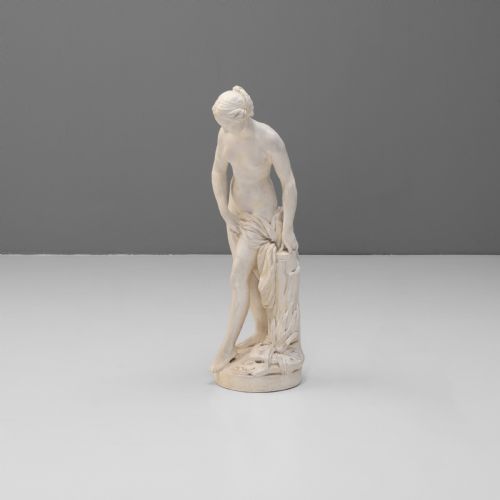
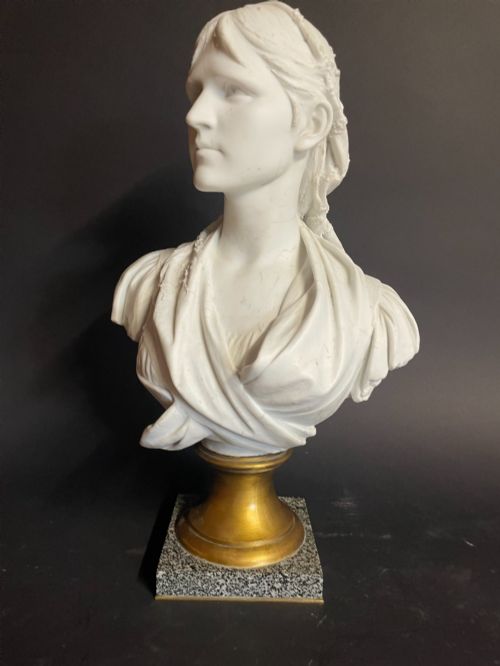
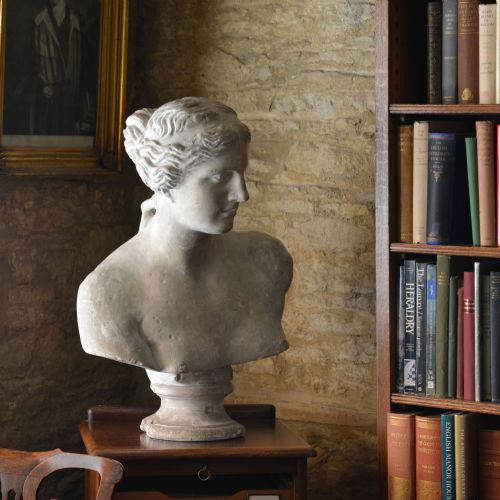
Stone plaster sculpture brings classical modelling and architectural gravitas indoors, offering collectors weighty busts, plaques and corbels shaped from plaster, composition and marble dust.
Stone Plaster Sculpture
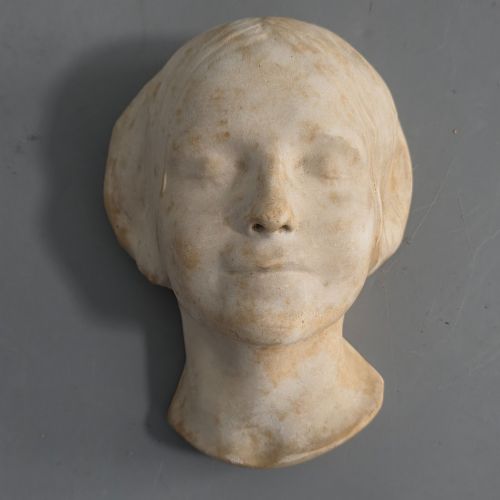
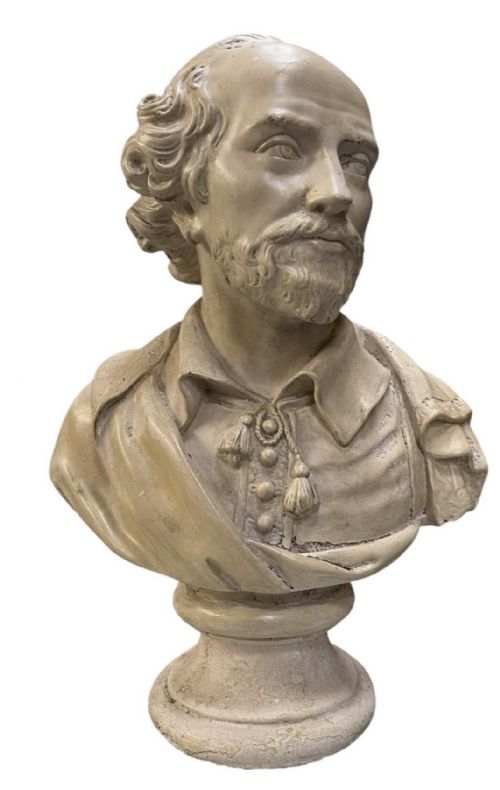
When you search for stone plaster sculpture, you encounter a varied collection of architectural elements, decorative reliefs and figurative busts spanning the nineteenth and early twentieth centuries. These pieces translate classical and medieval forms into accessible interior ornaments through moulded gypsum, plaster and composition materials.
You are most likely to meet nineteenth-century busts and wall brackets on this page, reflecting Victorian, Neoclassical and Renaissance Revival tastes. Subjects range from classical deities and literary figures like Shakespeare to medieval gentlemen and religious saints.
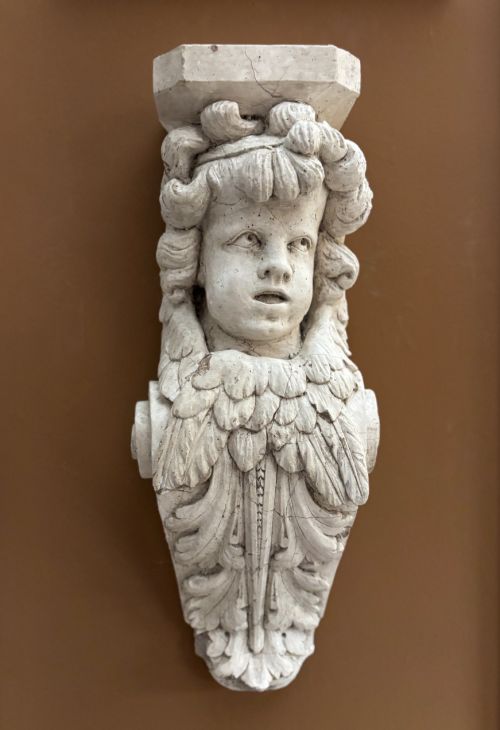
The selection also encompasses functional display pieces such as scagliola pedestals and columns, alongside architectural salvage like wall plaques and corbels. Origins span Italy, Britain, Germany and Austria, demonstrating broad European production methods for domestic and institutional display.
How they were made
Makers utilised gypsum plaster, alabaster, terracotta and marble dust combined with binding agents to cast these sculptures, often finishing surfaces with applied pigment to simulate aged stone or bronze. Simulated stone effects were achieved by mixing heavy aggregates into the plaster matrix before pouring into moulds.
Stone Plaster Sculpture Retail Price Guide 2026
Typical asking prices for stone plaster sculpture among the pieces listed under this phrase on Sellingantiques today, from the lower quarter to the upper quarter. They describe what is for sale here now, not the wider market.
Listings feature pieces spanning the 1850s to the 1930s, utilising plaster, marble dust, alabaster, terracotta and scagliola.
What varies in quality
Quality rests in the sharpness of the casting and the fidelity to the original source material, whether an antique marble or a Renaissance terracotta. Finer pieces retain crisp definition in hair, facial expressions and carved lettering, whereas weaker examples suffer from softened details due to worn production moulds.
The choice of medium also dictates the character and weight of the piece, with marble dust and scagliola offering a denser, more convincing stone texture than standard plaster. Artisanal hand-finishing, skilful polychrome pigment application and authentic surface ageing elevate decorative items beyond simple factory casts.
Raffaelo Monti·Antonio Rossellino
The Stone Plaster Sculpture Glossary
- Scagliola
- A composite material made from pigmented gypsum, glue and crushed selenite that mimics the appearance of precious marble and stone.
- Putto
- A representation of a naked chubby child, frequently winged, appearing often in Renaissance Revival and Baroque architectural reliefs and corbels.
- Corbel
- A structural or decorative bracket projecting from a wall to support a weight, commonly carved or cast in stone or plaster.
- Alabaster
- A fine-grained, translucent mineral used for carving and sculptural casts, prized for its soft lustre and ability to mimic marble.
- Neoclassical
- A Western cultural movement drawing inspiration from the art and culture of classical antiquity, prevalent in nineteenth-century decorative arts.
Stone Plaster Sculpture: Frequently Asked Questions
What is scagliola?
Scagliola is a composite material made from plaster, glue and pigments, manipulated to imitate marble and other costly stones. Artisans apply this mixture to architectural columns, pedestals and plaques.
Developed to a high art form in Italy, scagliola provides the visual weight and polish of natural stone without the prohibitive cost of carving solid blocks.
How do I clean plaster sculpture?
Plaster sculptures require gentle maintenance, utilising a soft, dry brush to remove dust from crevices and mouldings. Avoid water or liquid cleaners, which can dissolve the plaster or damage delicate painted and simulated stone surfaces.
Display these pieces away from areas of high humidity and direct moisture to preserve the structural integrity of the gypsum and any applied pigment.
Are these pieces solid stone?
Most items listed under this category are cast from plaster, composition, marble dust or alabaster rather than carved from solid blocks of natural stone. These materials allowed nineteenth-century workshops to reproduce classical busts and architectural elements efficiently.
Weight varies significantly depending on whether the core is solid plaster, reinforced composition or hollow cast, with marble dust additions providing extra heaviness.
How do I date nineteenth-century plaster?
Dating relies on stylistic markers, framing methods, historical signatures and the specific composition of the plaster or pigments used. Victorian and Neoclassical pieces often reference archaeological discoveries of the period.
Examine the underside and mounting points for signs of age, oxidation on fixings and the natural yellowing of exposed gypsum over decades of display.