

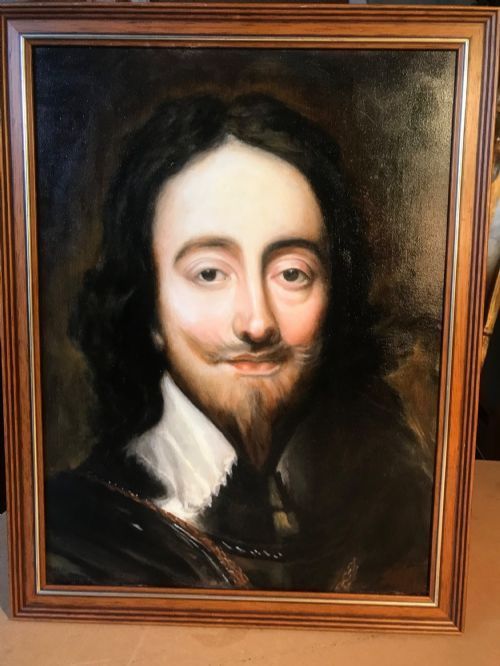


Classic Portrait Bust
A classic portrait bust brings the weight of history and fine sculpture straight into your room.
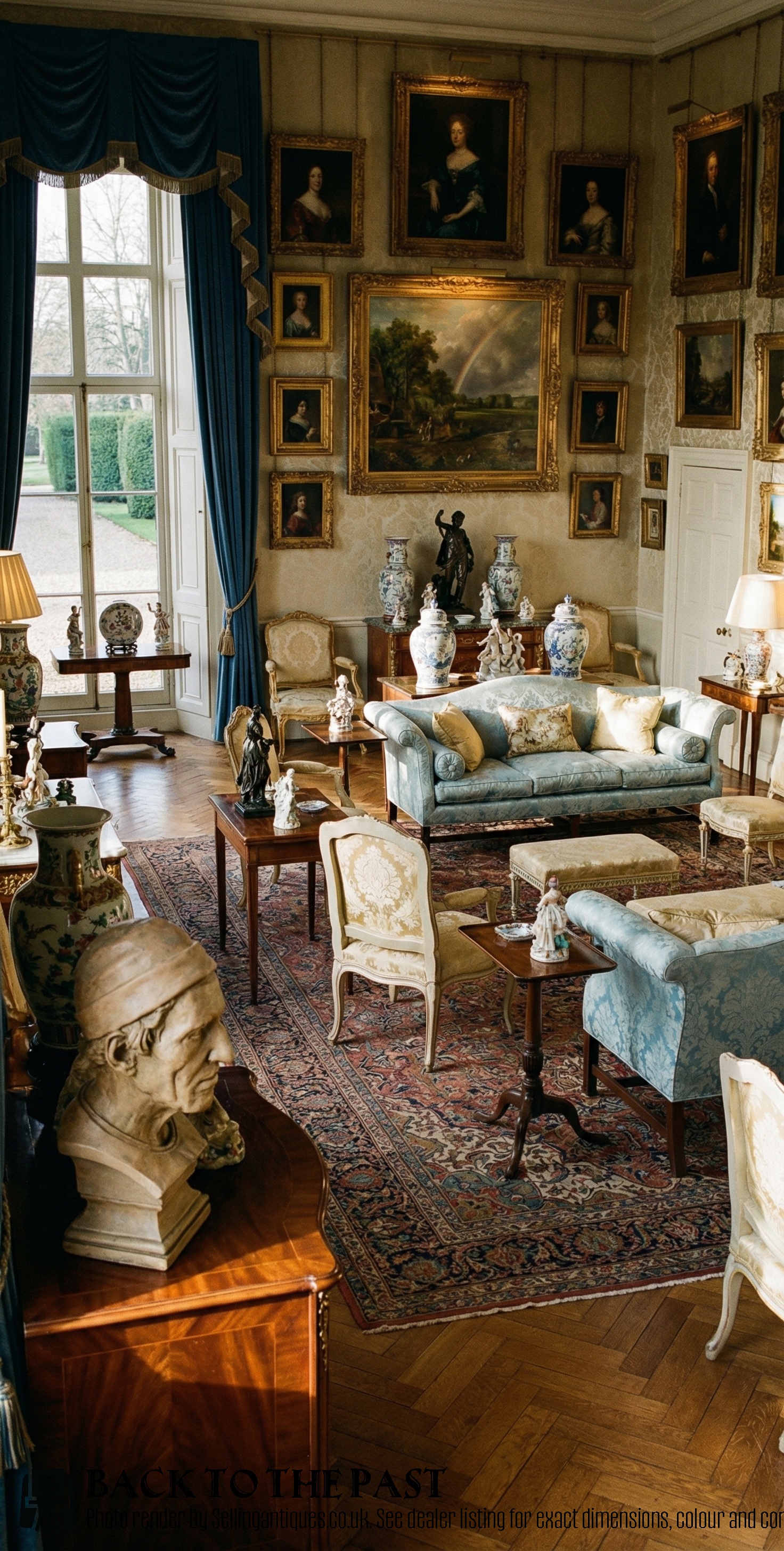
Classic Portrait Bust
You are most likely to encounter nineteenth-century interpretations on this page, alongside earlier seventeenth and eighteenth-century works. Materials range from carved marble and alabaster to patinated plaster and terracotta.
The selection includes representations ranging from medieval gentlemen and young girls to classical poets like Homer. Each classic portrait bust reflects the aesthetic priorities of its specific period, whether Victorian, Baroque, or Art Nouveau.
How they were made
Sculptors carved hard materials such as marble and alabaster directly from block stone, using chisels and rasps to define facial contours and drapery. Softer mediums like terracotta required modelling by hand before firing in a kiln to achieve permanence.
Plaster works were cast from moulds and frequently finished with pigments, patination, or simulated stone washes to mimic heavier materials. Some sculptures incorporate mixed elements, such as mounting figures upon dedicated black marble plinths.
Classic Portrait Bust Retail Price Guide 2026
Typical asking prices for classic portrait bust among the pieces listed under this phrase on Sellingantiques today, from the lower quarter to the upper quarter. They describe what is for sale here now, not the wider market.
Materials documented across the page include carved marble, alabaster, terracotta, and patinated plaster.
What varies in quality
The standard of carving dictates the vitality of the expression, where subtle shifts in the brow and mouth separate a mechanical copy from a convincing likeness. Anatomical precision in the rendering of bone structure and musculature distinguishes superior sculpture.
The choice of medium and the refinement of surface finishing influence the visual impact. Polished marble and translucent alabaster display natural veining that enhances the depth of the form, whereas inferior plaster casts can obscure fine detail.
Georges Morin·Anthony Van Dyck·Jacob Huysmans·Sir Joshua Reynolds
The Classic Portrait Bust Glossary
- Plinth
- A heavy block or base supporting a bust or statue. It elevates the sculpture and provides physical stability.
- Terracotta
- Baked red-brown clay utilised for sculptural models and finished figures. It allows the artist to capture immediate, fluid hand-modellings.
- Alabaster
- A fine-grained, translucent stone favoured for delicate carving and soft surface textures. It catches light in a way that mimics human skin.
- Patinated
- Treated with chemicals, paint, or wax to age the surface and impart a specific colour or sheen. This process protects the underlying material while adding visual depth.
- Grand Tour
- A traditional travel itinerary undertaken by European nobility to study classical art and antiquity. It led to the widespread acquisition of portable sculptures and busts.
Classic Portrait Bust: Frequently Asked Questions
What materials are used for these busts?
Sculptors utilised carved marble, alabaster, terracotta, and simulated stone plaster. Each material dictates the weight and textural finish of the piece.
Some works also incorporate mixed elements, such as contrasting black marble plinths beneath the main figure.
How do I display a portrait bust?
These sculptures require a sturdy surface such as a dedicated column, a heavy sideboard, or a deep mantelpiece. Ensure the support matches the considerable weight of stone and marble.
Positioning the bust away from direct sunlight preserves patinated surfaces and delicate pigment applications over time.
How can I tell the period?
Stylistic indicators point towards specific eras, such as the ornate flourishes of Baroque work or the clean lines associated with nineteenth-century revivals. Material choices and finishing techniques also align with the prevailing tastes of their production date.
Signatures, stamps, or historical subjects often provide further documentation regarding the age of the sculpture.
Were these made as portraits of real people?
Many busts depict historical figures, literary icons, and classical poets, while others represent anonymous sitters or idealized beauties. Artists also portrayed specific commissioners from life during their respective centuries.
Works produced after earlier masters often served to honour significant historical or artistic legacies.