



Stone Pedestal Planter
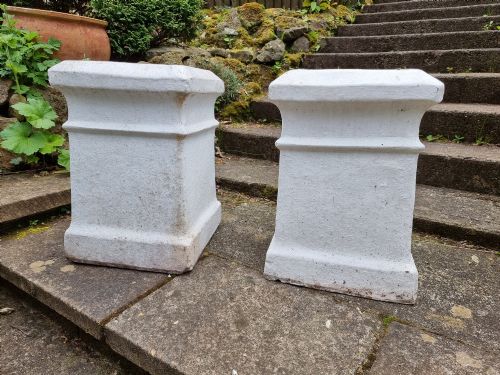
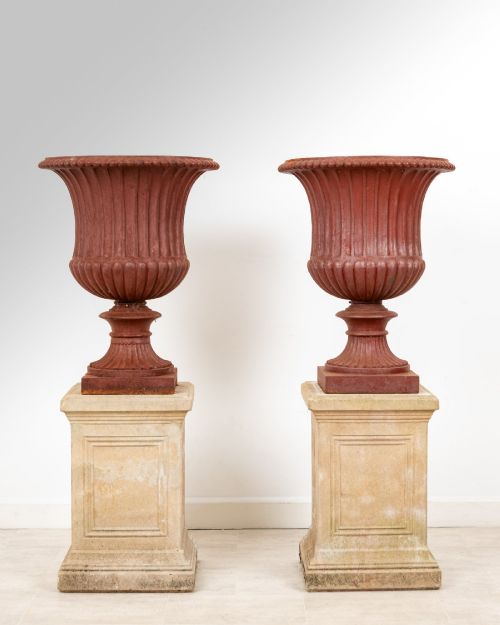
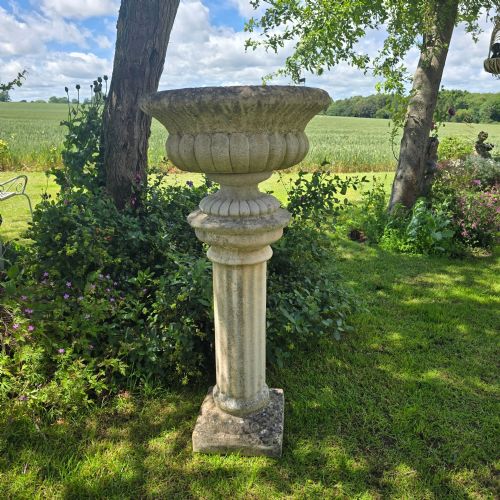
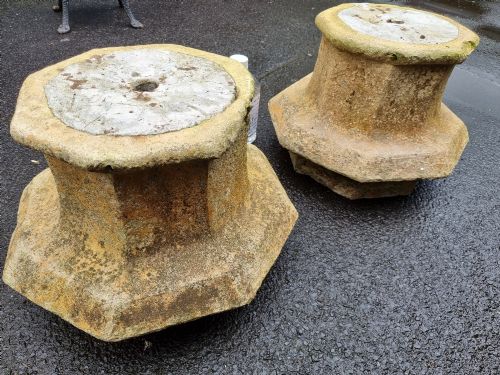
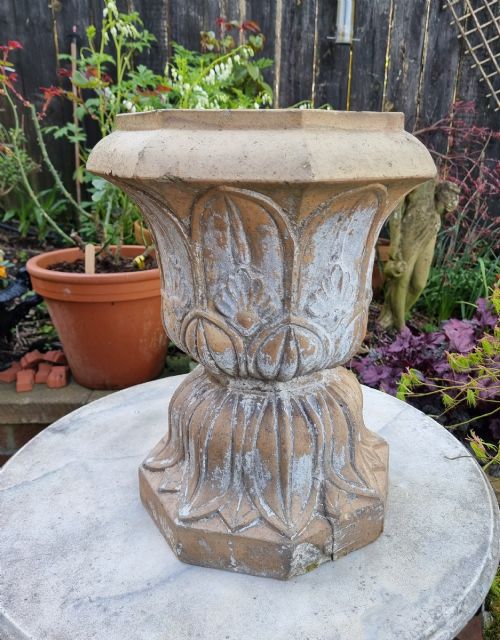
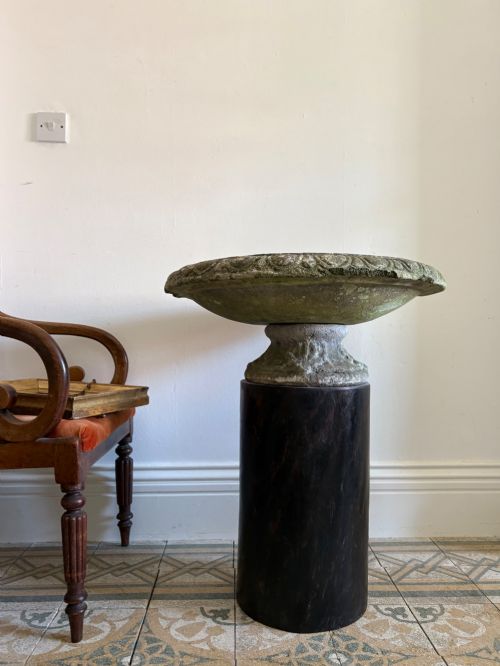
These stone pedestal planter examples combine formal garden presence with robust utility, offering classical structure and planting height.
Stone Pedestal Planter
When you search for a stone pedestal planter, you encounter garden vessels designed to elevate flora above ground level, drawing on centuries of classical and Gothic landscaping traditions. The selections here span the eighteenth, nineteenth, and early twentieth centuries, encompassing periods from Georgian and Regency eras through Victorian, Edwardian, and later decades.
You meet various configurations, including garden urns paired with matching plinths, campana shapes, tazza urns, birdbaths, and architectural columns repurposed as plant stands. Materials range across cast stone, reconstituted stone, composite stone, limestone, Purbeck stone, and carved stone, alongside complementary vessels in cast iron and terracotta.
The origins reflect both British craftsmanship and continental European workshop traditions, from Scottish terracotta to Italian marble tazza urns. These pieces function as focal points for formal gardens, terraces, and courtyards, providing enduring structure to planting schemes.
Materials and construction methods
The construction methods rely heavily on casting and carving durable mineral materials suited to outdoor exposure. Cast stone, reconstituted stone, and composite stone utilise aggregate mixtures pressed or poured into moulds to achieve classical architectural details such as acanthus leaf motifs.
Traditional masonry production involves carving natural hardstones like limestone, Purbeck stone, alabaster, and solid stone directly from the quarry block. Metal elements such as cast iron employ foundry moulding techniques to produce campana profiles, while terracotta utilises fired clay fashioned in traditional kilns.
Stone Pedestal Planter Retail Price Guide 2026
Typical asking prices for stone pedestal planter among the pieces listed under this phrase on Sellingantiques today, from the lower quarter to the upper quarter. They describe what is for sale here now, not the wider market.
Listings feature nineteenth century Victorian pieces alongside eighteenth century carved stone and early twentieth century cast stone examples.
Evaluating quality and execution
Quality separates through the crispness of moulded or carved details, such as the definition within acanthus foliage and classical moulding profiles. Finer examples display balanced proportions between the upper vessel and its supporting pedestal, maintaining visual stability.
Material density and natural weathering patterns also distinguish superior examples, as genuine atmospheric ageing creates a coherent patination across stone surfaces. The integrity of the joint between urn and plinth indicates the original precision of manufacture and subsequent care.
Andrew Handyside
The Stone Pedestal Planter Glossary
- Campana urn
- A bell-shaped garden vessel with an everted rim, tapering lower body, and stem, commonly mounted on a square base or pedestal.
- Tazza
- A shallow cup-shaped vessel on a high foot or pedestal, frequently utilised in classical garden design for display purposes.
- Plinth
- A heavy rectangular or square block serving as the base or pedestal for an urn, statue, or column.
- Cast stone
- A refined architectural concrete building product manufactured to simulate natural cut stone, used extensively for garden ornaments.
- Acanthus
- A classical architectural ornament derived from the Mediterranean plant of the same name, carved or moulded onto stone capitals and urn bodies.
Stone Pedestal Planter: Frequently Asked Questions
How do I choose the right height?
Consider the surrounding scale of your garden or terrace when selecting a pedestal and urn combination. Taller structures work well as terminal focal points in long garden vistas.
Shorter plinths integrate more comfortably among low box hedging and intimate seating areas. Matching the proportions of the planting to the pedestal height ensures visual stability.
Are these planters frost resistant?
Most historic cast stone, natural stone, and cast iron pieces withstand outdoor weathering successfully. Natural stone and dense cast stone handle seasonal temperature drops reliably when drainage remains clear.
Terracotta and certain composite materials benefit from winter protection or dry storage during severe freezing conditions to prevent moisture expansion.
Can they stay outdoors year round?
These garden ornaments are designed specifically for exterior placement and landscape integration. Natural stone, reconstituted stone, and iron develop stable patinas through continuous exposure to the elements.
Ensuring the base drains freely prevents water accumulation and subsequent cracking during low temperatures. Positioning them on gravel or paving slabs protects the base from damp ground.
How do I date an older stone planter?
Dating relies on stylistic markers such as neoclassical proportions, Gothic Revival pointed details, or Victorian ornamentation. Tool marks on hand-carved limestone or Purbeck stone indicate earlier manufacturing methods.
Surface patination, lichen growth, and weathering depth provide further clues regarding age, alongside manufacturer stamps found on iron or ceramic examples.