

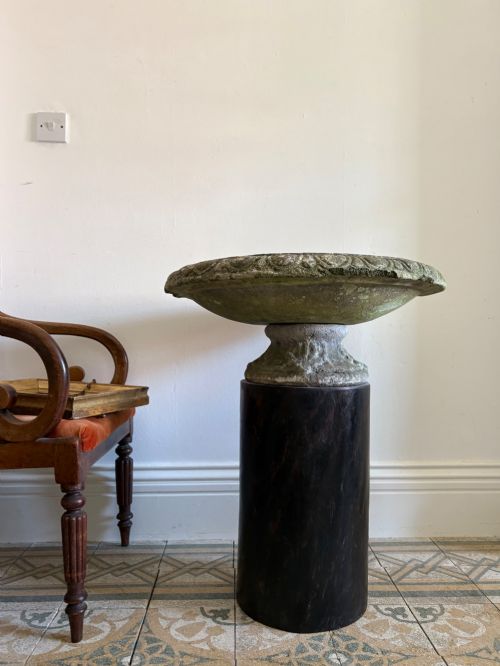
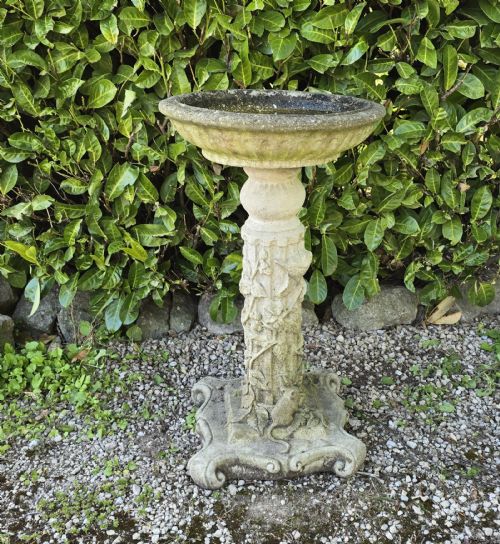


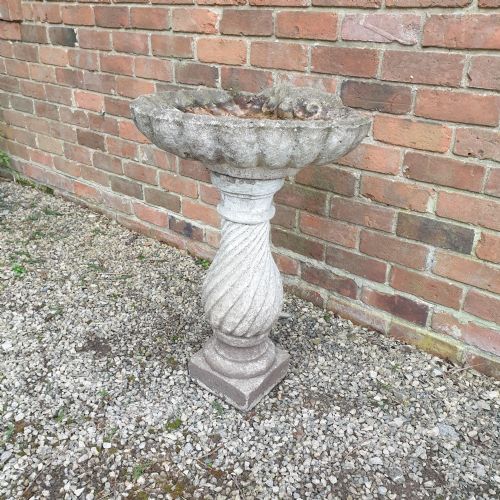

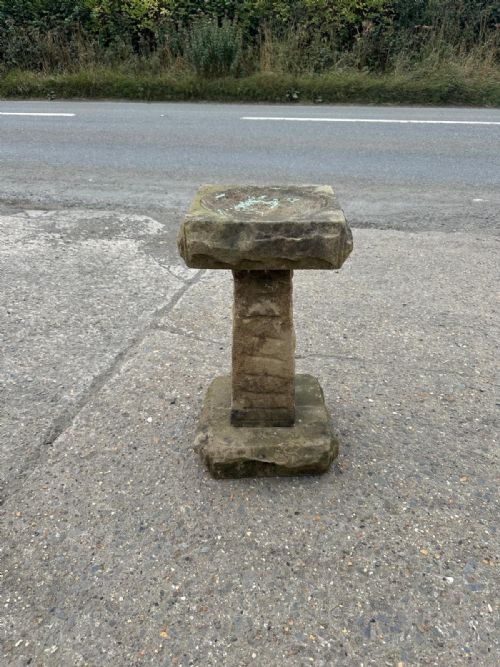


Stone Garden Basin
These stone garden basin examples bring enduring form to the grounds, offering practical water sources and planting vessels shaped from sandstone, marble and natural stone.
Stone Garden Basin
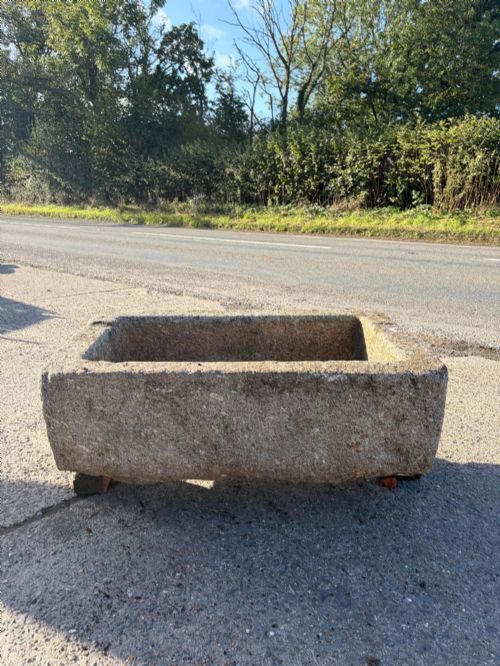
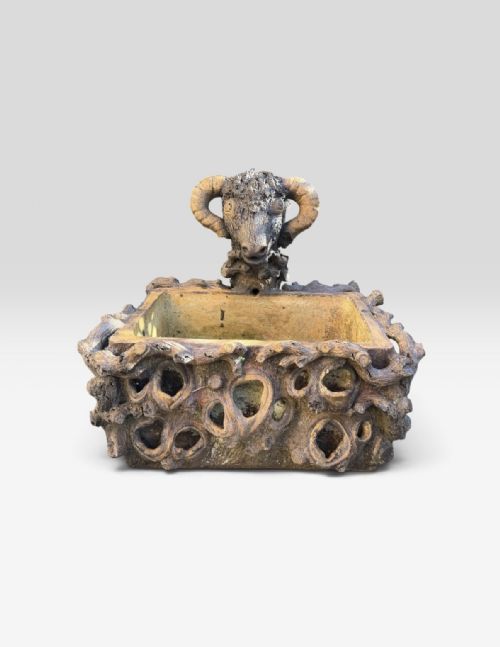
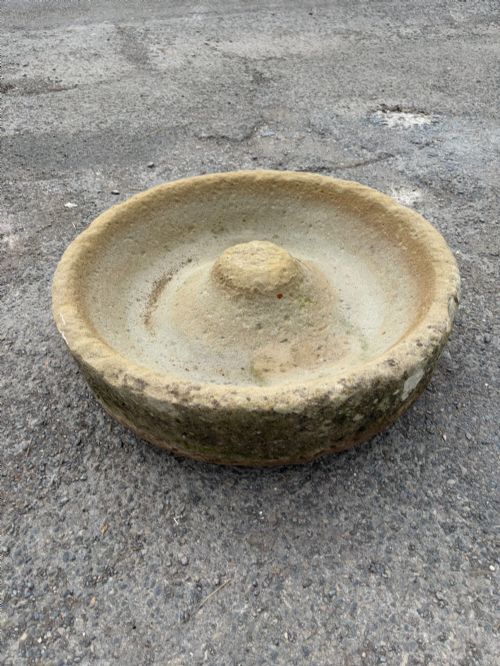
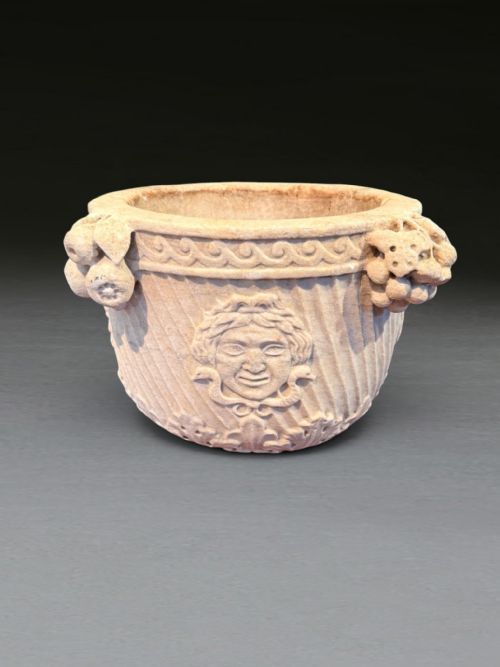
When you search for a stone garden basin, you are looking at utilitarian and decorative vessels designed for outdoor settings, spanning bird baths, planters, urns, troughs and cisterns. The selection ranges from rustic country farmhouses to formal Italian Renaissance styles, accommodating everything from modest nineteenth-century bird baths to eighteenth-century square troughs.
The version you are most likely to meet on this page is a weathered natural or cast stone piece intended for planting or holding water. These objects cross centuries of design, with examples originating from the sixteenth century up through the mid twentieth century, utilising various stones including Purbeck stone, Carrara marble and sandstone.
How they were made
Masons carved these vessels from solid blocks of natural material, utilising sandstone, marble, Purbeck stone and general natural stone. Older examples bear the marks of manual chisel work and hand shaping, establishing deep surface texture over centuries of exposure.
Later pieces embrace cast stone and reconstituted stone production methods, allowing makers to replicate neoclassical and traditional garden forms with consistent structural proportions. Weathering occurs naturally across decades, developing aged patinas and organic moss growth on both hand-carved and cast surfaces.
Stone Garden Basin Retail Price Guide 2026
Typical asking prices for stone garden basin among the pieces listed under this phrase on Sellingantiques today, from the lower quarter to the upper quarter. They describe what is for sale here now, not the wider market.
One listed planter is made of stone salvaged from the Houses of Parliament after being damaged during the Blitz.
What varies in quality
Quality depends upon the integrity of the material and the character achieved through natural weathering. Solid marbles and dense sandstones maintain their structural form more robustly than softer media, whilst genuine age imparts a desirable surface texture that simulated weathering cannot replicate.
The sophistication of the carving separates standard utility vessels from exceptional architectural pieces. Neoclassical urns and Renaissance cisterns display balanced proportions and refined detail that elevate them beyond simple utilitarian troughs and garden planters.
The Stone Garden Basin Glossary
- Cistern
- A large container for storing water, often fashioned from marble or stone for garden and domestic use.
- Cast Stone
- A refined building product manufactured from aggregate and cementitious binders to imitate natural cut stone.
- Purbeck Stone
- A type of limestone quarried on the Isle of Purbeck in Dorset, frequently utilised for durable troughs and bird baths.
- Pancheon
- A wide, shallow earthenware or stone vessel traditionally used in dairies and farmhouses, now repurposed for garden planting.
- Neoclassical
- A style inspired by classical antiquity, visible in urns and planters featuring restrained, formal decorative motifs.
Stone Garden Basin: Frequently Asked Questions
How do I clean a stone garden basin?
Gently wash away accumulated dirt and loose debris using a soft bristle brush and clean water.
Avoid harsh chemical cleaners and pressure washers, as these aggressive methods strip away the aged patina and erode the stone surface.
Can stone garden basins stay outside in winter?
Most natural stone and cast stone vessels tolerate winter conditions well if they are positioned on feet or timber blocks to prevent water freezing underneath.
Empty standing water from bird baths and cisterns during freezing periods to prevent ice expansion from cracking the material.
How do I identify the period of a stone basin?
Examine the tool marks left on the exterior, as hand-chiselled surfaces generally point towards earlier centuries whilst uniform cast textures suggest twentieth-century production.
Consider the specific stone type and stylistic clues, noting that neoclassical forms often align with eighteenth-century tastes.
Are stone troughs heavy to move?
Solid stone and marble vessels possess substantial weight due to their dense material composition, often requiring mechanical lifting equipment or multiple people.
Determine the final garden location before placement, as positioning large troughs and cisterns is decidedly permanent.