




Stone Display Stand
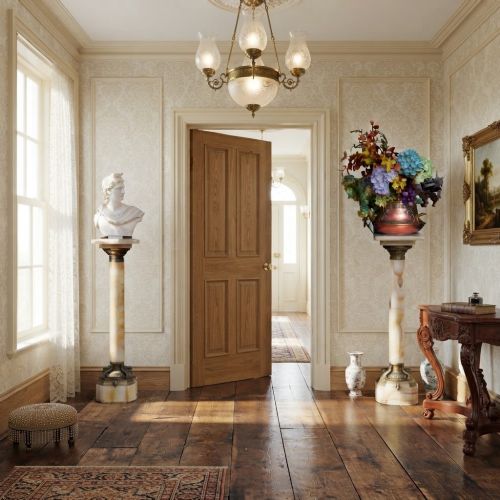
These stone display stand pieces elevate sculpture and plants, bringing classical dignity and weight to any interior.
Stone Display Stand
A stone display stand functions primarily to elevate art, plant specimens and architectural fragments, placing them at eye level. When searching for a stone display stand, collectors encounter architectural columns, pedestals, and plinths spanning from the 18th century through the 1930s.
The forms range from Neoclassical marble statuary pillars to low garden plinths and two-tier plant stands. Many examples incorporate materials like onyx, alabaster, and scagliola, reflecting styles from Victorian revival to Chinese traditional and French chateau aesthetics.
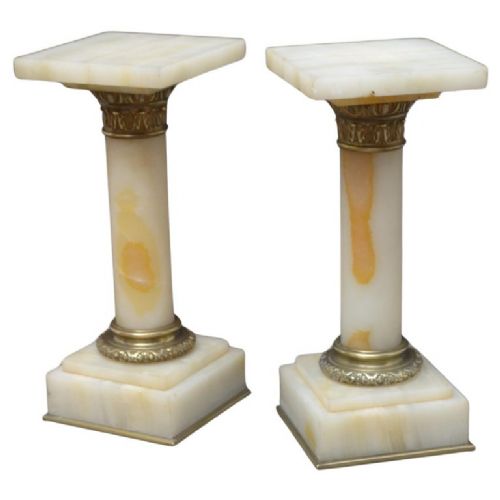
The most common versions on this page are 19th-century marble and onyx columns alongside early 20th-century plant stands. These pieces transition effortlessly from architectural supports to standalone sculptural objects within a room.
How they were made
Makers utilised dense natural minerals, turning and carving hard rocks such as Carrara marble, Verde Antico, and serpentine on heavy workshop lathes. Stonemasons and sculptors shaped these substantial blocks by hand, exploiting the natural veining and fossilised patterns within the material.
Many columns and pedestals integrate secondary metals, securing marble shafts with brass, ormolu collars, and wrought iron stands. Composite stones and scagliola provide the appearance of solid quarried mineral through meticulous plaster and pigment plastering techniques.
Stone Display Stand Retail Price Guide 2026
Typical asking prices for stone display stand among the pieces listed under this phrase on Sellingantiques today, from the lower quarter to the upper quarter. They describe what is for sale here now, not the wider market.
Listings feature items spanning the 18th century, Victorian era, and 1930s, utilising marble, alabaster, brass, and petrified wood.
What varies in quality
The distinction between ordinary utility supports and exceptional pieces lies in the selection of the mineral and the precision of the turning. Finer columns display uninterrupted, book-matched veining and crisply chiselled capitals rather than patched composite fills.
Structural integrity and the harmonious balance between the stone shaft and its metal or wood base dictate the overall success of the piece. Superior examples possess a satisfying heft and secure mountings that safely bear the weight of heavy statuary.
The Stone Display Stand Glossary
- Scagliola
- A composite material made from selenite, glue, and pigments, painted and plastered to imitate true marble and other fine stones. Artisans developed this technique to create elaborate decorative columns without prohibitive weight.
- Verde Antico
- A dark green serpentine marble historically quarried in Greece and Italy. Its distinctive mottled appearance made it a favourite for neoclassical columns and decorative objects.
- Torchere stand
- A tall, slender stand originally designed to hold a light source or candle, later adapted for plant pots and sculptural displays.
- Ormolu
- Gilded bronze mounts applied to furniture and stone columns to accent joints and capitals. The technique involves coating metal in a finely ground gold-mercury amalgam and heating it.
Stone Display Stand: Frequently Asked Questions
What can I place on a stone display stand?
These stands safely hold heavy bronze sculptures, large ceramic vessels, and potted plants. Their solid mineral construction provides a stable, load-bearing platform for substantial decorative objects.
Ensure the weight distributes evenly across the top surface to maintain balance and prevent tipping on uneven flooring.
How do I clean marble and onyx stands?
Dust the stone regularly with a soft, dry cloth to prevent abrasive particles from scratching the polished surface. Avoid acidic cleaners, vinegar, and harsh detergents that etch natural calcium-based stones.
Use mild soap with warm water for occasional cleaning, drying the surface thoroughly afterwards to preserve the natural sheen.
Are these stands suitable for outdoor use?
Certain pieces, such as composite stone and hard granite or serpentine columns, withstand garden environments. However, softer materials like alabaster, onyx, and polished marble suffer permanent damage from frost and moisture.
Check the specific stone type before placing any stand outdoors to protect it from weathering and structural cracking.
How do I identify a scagliola pedestal?
Scagliola feels slightly warmer to the touch than natural quarried marble and lacks the cold density of solid stone. Close inspection reveals hand-painted veining within the plaster matrix rather than natural geological fissures.
Look for seams or areas where the composite material covers a lighter internal core structure.