

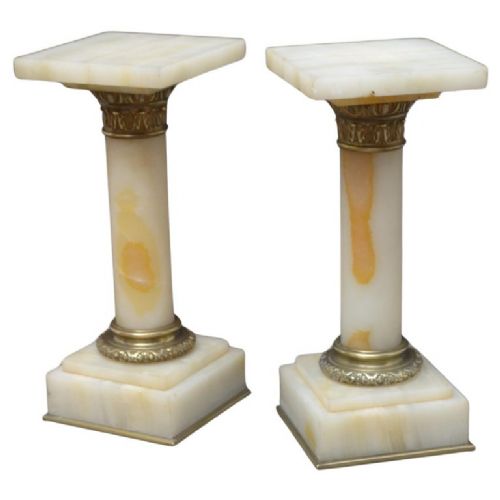


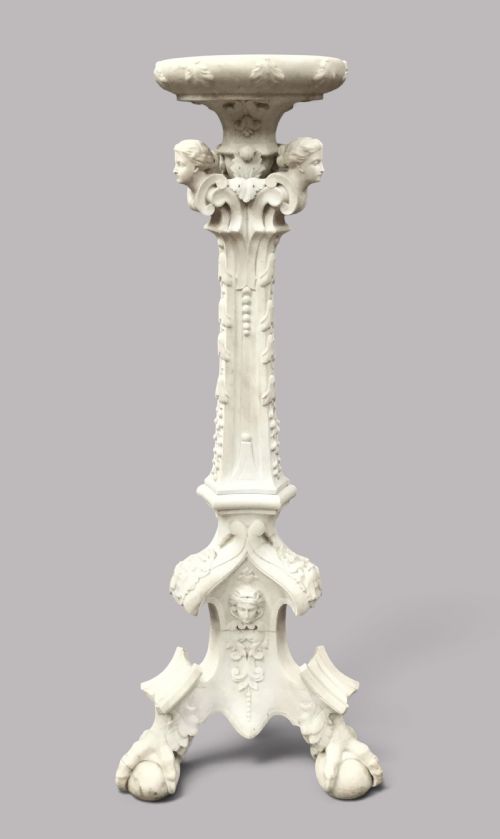


Stone Column Stand
These stone column stand pieces elevate sculpture, flora and lighting, bringing classical architectural presence into domestic and garden spaces alike.
Stone Column Stand
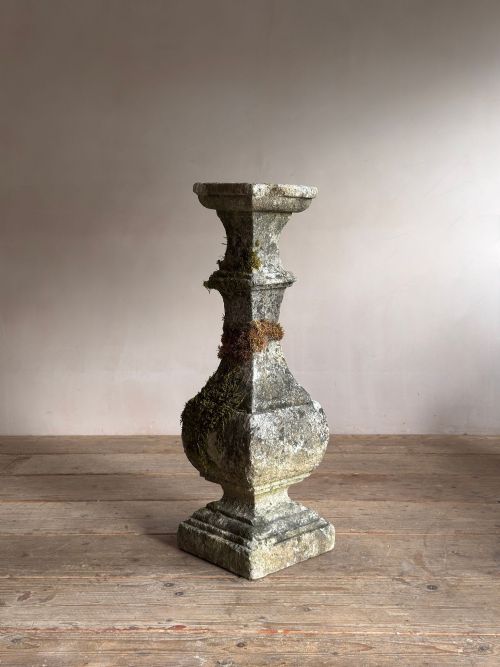
A stone column stand serves as an architectural pedestal, torchere or plant support, designed to elevate sculptural busts, urns and lighting above floor level. Buyers seek these vertical supports to introduce classical proportion and formal display surfaces into a room or garden scheme.
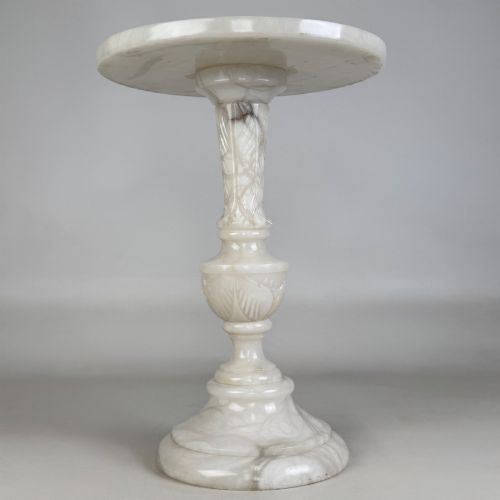
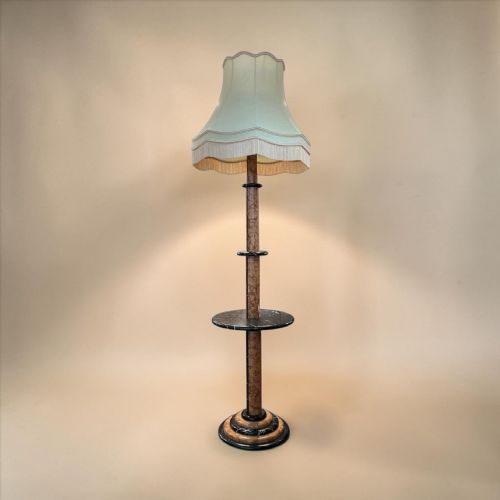
The selections encountered here span from nineteenth-century Italian verde antico and serpentine marble columns to twentieth-century alabaster plant stands and reconstituted stone garden plinths. Neoclassical and Victorian revival designs dominate the offerings, alongside occasional Art Deco iterations in marble and onyx.
Forms range from tall statuary pedestals to low lamp tables and garden plinths, constructed to hold weight securely while providing a decorative focal point. Many pieces utilise natural stone varieties, pairing veined marbles and translucent alabaster with brass or ormolu mounts.
Materials and construction
Makers shaped these stands from hard mineral blocks, turning and carving natural materials such as marble, limestone, onyx and alabaster. Alabaster offers a softer, translucent quality suited to indoor plant stands and figural lamps, whereas dense marbles and stones provide the structural stability required for garden plinths and heavy statuary.
Decorative metal elements frequently complement the stone body, utilising cast brass, gilt bronze and ormolu for collars, capitals and mounts. Scagliola and reconstituted stone also appear, allowing artisans to achieve the appearance of solid carved masonry through composite casting and plaster techniques.
Stone Column Stand Retail Price Guide 2026
Typical asking prices for stone column stand among the pieces listed under this phrase on Sellingantiques today, from the lower quarter to the upper quarter. They describe what is for sale here now, not the wider market.
Listed forms encompass pedestals, columns, torchere stands, garden plinths, lamp tables and plant stands.
Assessing quality in stone column stands
Quality rests upon the purity and selection of the mineral material, where richly variegated green marbles, smooth alabaster and crisp limestone carving distinguish finer examples from standard commercial output. The geological depth of the stone and the precision of the turned shaft dictate visual presence.
Execution of decorative detailing separates standard supports from exceptional works, visible in the sharpness of Corinthian capitals, the integration of ormolu mounts and the stability of the central column. Balance and structural true alignment remain essential for supporting heavy marble busts and torchere lamps safely.
The Stone Column Stand Glossary
- Pedestal
- A structural support or base that elevates a statue, vase or lamp. These vertical architectural elements lift display items into prominent sightlines.
- Torchere
- A tall ornamental stand originally designed to carry a torch or candle, now frequently adapted for lamps. Examples often feature slender marble or alabaster shafts.
- Scagliola
- A composite material made from selenite, glue and pigments, mimicking natural marble and stone. Artisans apply and polish this mixture to create smooth decorative surfaces.
- Alabaster
- A fine-grained, translucent stone used for carved plant stands and decorative figural lamps. Its softness allows for delicate sculptural detailing.
Stone Column Stand: Frequently Asked Questions
What holds up a heavy marble bust?
Solid stone columns and dense marble pedestals provide the necessary weight capacity and structural rigidity to support heavy sculptural pieces safely without tipping.
Larger nineteenth-century examples often feature wide bases and reinforced internal cores to distribute heavy loads evenly across floor surfaces.
Where do I place a stone column stand?
These stands suit entryways, drawing rooms and sheltered garden locations where they can display urns, lamps, or botanical arrangements at eye level.
Placing them in corners or against blank walls highlights their architectural silhouette and protects them from accidental knocks.
How do I identify nineteenth-century marble?
Nineteenth-century pieces frequently exhibit specific regional stones such as Italian verde antico, Carrara marble or rich serpentine alongside hand-finished turning marks.
Examining the underside and joint construction reveals historical tooling methods distinct from twentieth-century machinery.
Can these stands stay outdoors?
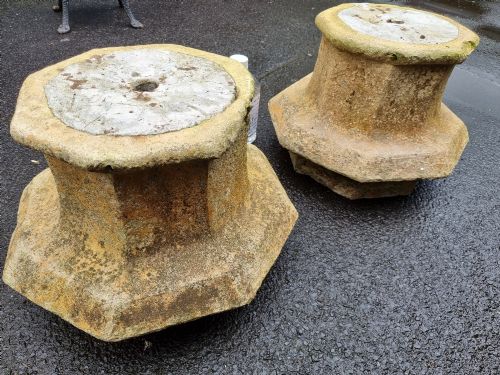
Suitability for outdoor use depends entirely on the mineral composition; reconstituted stone, limestone and specific garden plinths withstand weather.
Softer materials like alabaster and polished onyx degrade rapidly in moisture and frost, and belong strictly indoors.