




Stone Cherub Figure
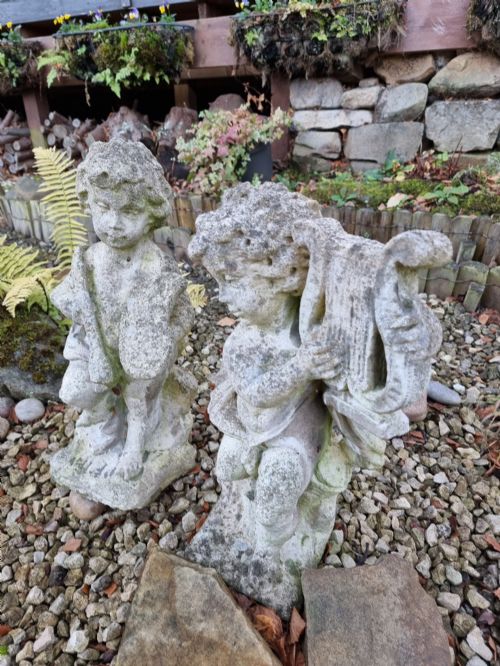
A stone cherub figure brings character to a garden or interior, offering classic form carved or cast in durable materials.
Stone Cherub Figure
A stone cherub figure encompasses carved marble sculptures, cast garden statues, and architectural fragments spanning the nineteenth century to the mid-twentieth century.
Buyers encountering this search phrase find garden statues and interior sculptures executed in styles including Classical Revival, Neoclassical, and Gothic Revival.
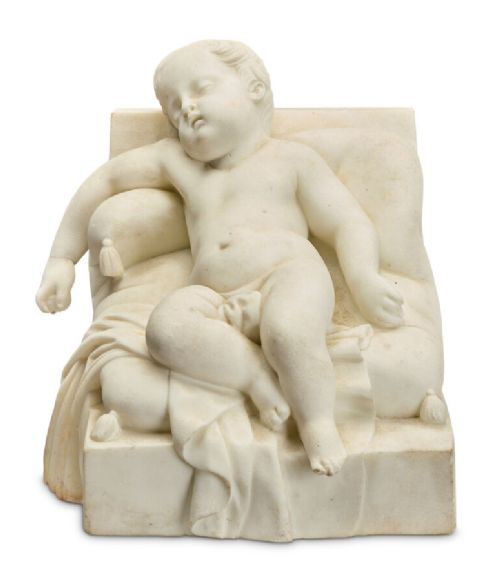
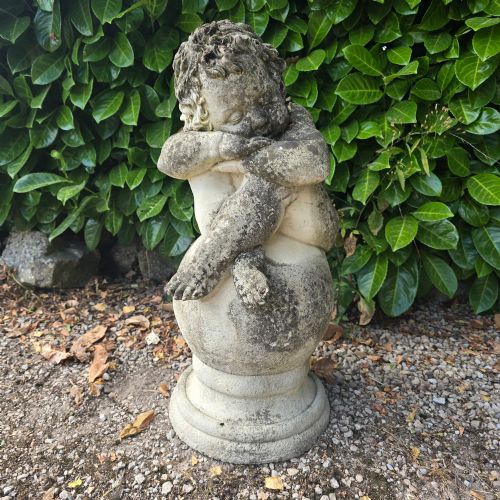
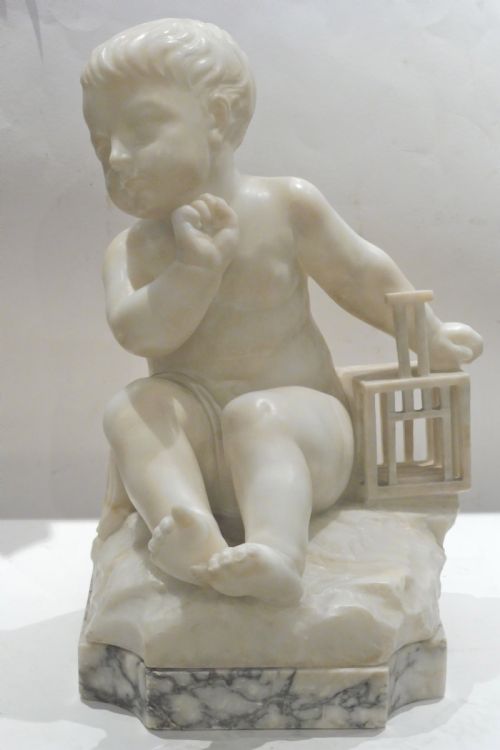
Forms range from large garden figures on plinths and pairs of putti bookends to sleeping putti and architectural stone carvings.
How they were made
Carved pieces utilise marbles such as Carrara and white marble, limestone, sandstone, and alabaster, shaped with traditional chisels and polishing tools.
Cast examples utilise reconstituted stone, cast stone, concrete, and composite stone poured into moulds to capture sculptural detail.
Stone Cherub Figure Retail Price Guide 2026
Typical asking prices for stone cherub figure among the pieces listed under this phrase on Sellingantiques today, from the lower quarter to the upper quarter. They describe what is for sale here now, not the wider market.
Some sleeping putti look remarkably peaceful despite carrying the weight of heavy books.
What varies in quality
The choice of material dictates longevity and texture, with natural stones and fine marbles showing crisp chisel work while cast composites rely on the quality of the original mould.
Antonio Canova·Denise Delavigne·Pugi
The Stone Cherub Figure Glossary
- Putto
- A figure of a small chubby boy, often winged, found frequently in classical art and sculpture. Plural putti.
- Reconstituted stone
- A manufactured material made from crushed stone and cement binder, used to cast garden ornaments and statues.
- Carrara marble
- A type of white or blue-grey marble from the city of Carrara in Italy, prized by sculptors since classical times.
- Architectural salvage
- Building elements and decorative fragments rescued from older structures for reuse or display.
Stone Cherub Figure: Frequently Asked Questions
Where do stone cherub figures go?
Garden statues and large figures suit lawns, patios, and garden borders where weather patination enhances the stone surface.
Smaller pieces like bookends and alabaster sculptures function well on interior mantelpieces, desks, or bookshelves.
Are cast stone and marble pieces heavy?
Cast stone, concrete, and composite stone pieces possess substantial weight to withstand outdoor placement without tipping.
Natural marbles and alabaster are similarly dense, requiring sturdy surfaces for indoor display.
How do I identify nineteenth-century pieces?
Nineteenth-century examples often display hand-chiseled tool marks on natural marble or limestone surfaces.
Stylistic cues from Classical Revival and Neoclassical periods also help date these sculptures.
Can garden statues stay outside in winter?
Reconstituted stone and cast stone figures designed for gardens generally endure outdoor conditions throughout the year.
Porous stones and alabaster benefit from winter shelter to prevent frost damage.