





Stone Asian Art
Stone asian art brings together centuries of carved sculptures, figures, and scholar's objects shaped from hard minerals for collectors of fine Asian antiquities.
Stone Asian Art
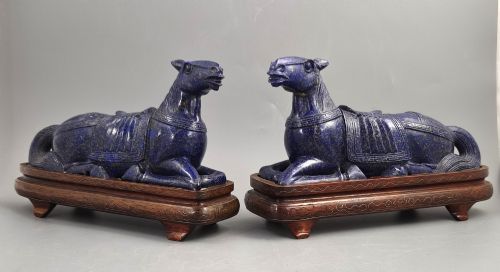
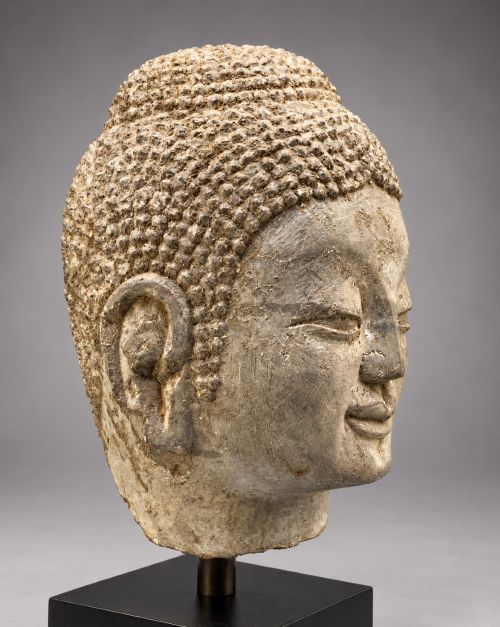
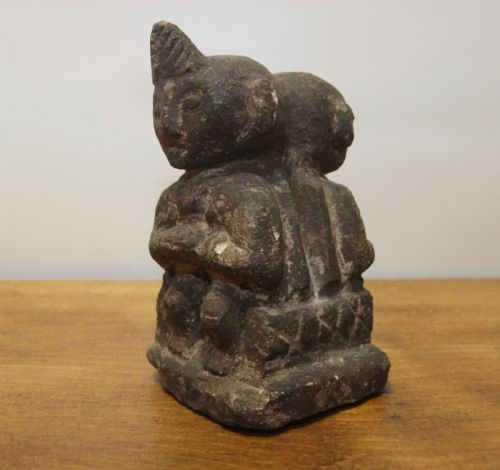
When searching for stone asian art, buyers encounter a diverse selection of sculptural works and carvings spanning several historical periods and dynasties. The offerings on this page encompass ancient temple figures, miniature animal sculptures, and scholar's seals produced across Asia.
The periods represented in these listings range from pre-sixteenth century examples, such as early limestone Buddha heads and Burmese stone carvings, through to eighteenth-century Qing dynasty camel and rider groups and twentieth-century jade mountain landscapes.
Forms vary significantly in scale and subject matter, extending from monumental temple statues down to small jade fish miniatures and soapstone chi dragon seals. Buyers frequently meet works depicting traditional figures, animals, and religious iconography.
How stone asian art was made
Carvers shaped these pieces from a variety of natural minerals, utilising materials such as soapstone, limestone, bowenite, serpentine, jadeite, marble, and hardstone. Many of the larger sculptures and figurative groups are paired with fitted hardwood stands.
Techniques relied upon patient hand-carving and polishing to define the complex contours of figures, animals, and landscape details. Artists worked directly with the natural grain and colour variations inherent in each block of stone.
Stone Asian Art Retail Price Guide 2026
Typical asking prices for stone asian art among the pieces listed under this phrase on Sellingantiques today, from the lower quarter to the upper quarter. They describe what is for sale here now, not the wider market.
Geese receive unexpected sculptural attention when a nineteenth-century carver decides a man feeding them deserves immortality in stone.
What varies in quality in stone asian art
Quality rests upon the precision of the carving, the complexity of the composition, and the purity or grain of the mineral used. Large-scale sculptural groups and detailed mountain landscapes demand greater technical mastery from the carver than simpler miniature forms.
Age and period attribution also influence the character of each piece, with pre-sixteenth century temple fragments carrying distinct historical weight compared to later nineteenth and twentieth-century decorative carvings.
The Stone Asian Art Glossary
- Soapstone
- A relative soft metamorphic rock composed primarily of talc, frequently utilised for intricate Chinese seals and small carvings. Its smooth texture allows for detailed incision work.
- Bowenite
- A hard, compact ornamental variety of serpentine often mistaken for jade due to its translucent quality and green coloration. Carvers favour it for significant figurative groups.
- Jadeite
- A pyroxene mineral valued for its density and vibrant colours, appearing in miniature sculptures and landscape carvings. It ranks among the toughest stones worked by artisans.
- Limestone
- A sedimentary rock utilised for large architectural and religious sculptures, including early Buddha heads. Its surface patination reflects centuries of history.
- Mandalay Period
- A distinct era of Burmese art associated with white marble temple statues and monastic sculpture. Pieces from this time typically display serene facial expressions and traditional monastic robes.
Stone Asian Art: Frequently Asked Questions
What periods do these stone carvings cover?
The listings span from pre-sixteenth century temple fragments and early Burmese carvings through eighteenth-century Qing dynasty pieces to twentieth-century works.
Buyers encounter a wide chronological range reflecting different dynastic traditions and regional styles across Asia.
How were these stone sculptures displayed originally?
Many larger sculptures served as temple guards, altarpieces, or architectural elements in religious settings. Smaller items like seals and miniature fish were designed for scholars' desks and private contemplation.
Fitted hardwood stands often accompanied finer table sculptures to elevate and support the mineral carving.
What materials are most common in this category?
Materials include soapstone, limestone, bowenite, serpentine, jadeite, marble, and hardstone. Each mineral possesses distinct weight, texture, and colour properties.
Artists selected specific stones based on the intended scale and function of the carving.
How do I identify a Qing dynasty carving?
Qing dynasty pieces often exhibit specific subject matter such as chi dragons on soapstone seals or complex multi-figure groups like camel and rider compositions. Stylistic conventions and material handling align with eighteenth and nineteenth-century workshop practices.
Examining the tool marks and surface patination helps confirm the historical context.