


Stipple Engraving Portrait
A stipple engraving portrait offers a remarkable glimpse into Georgian and Regency life, capturing fine facial detail through countless delicate dots on paper.
Stipple Engraving Portrait
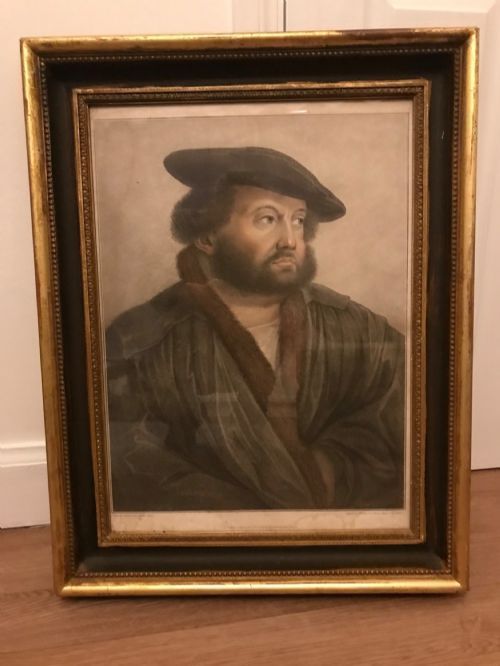
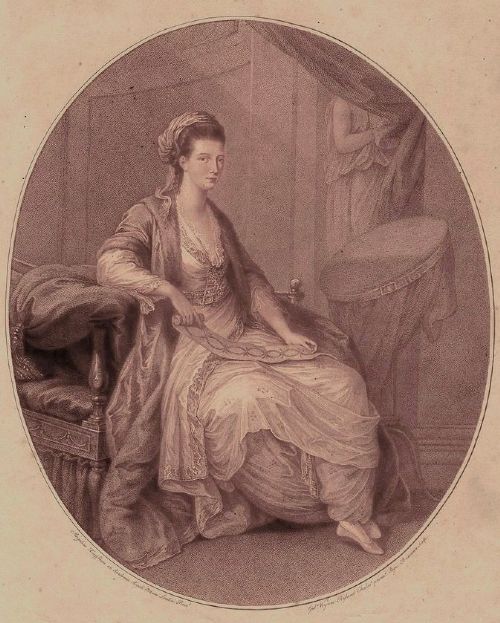
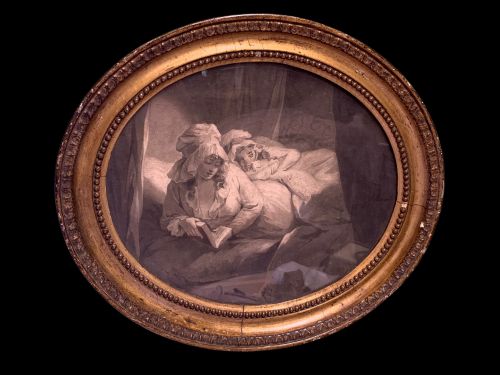
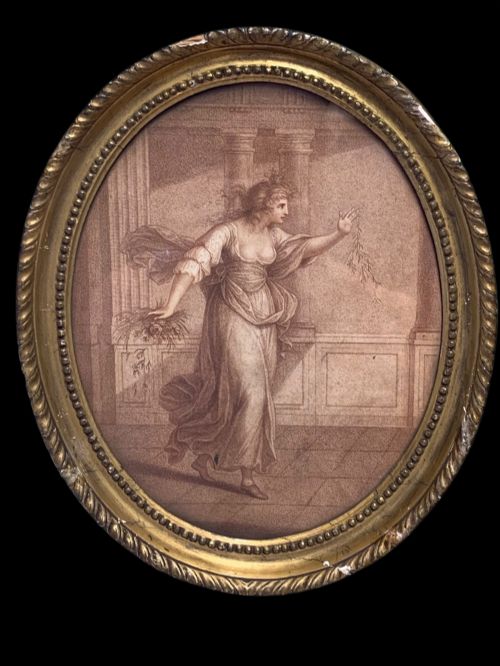
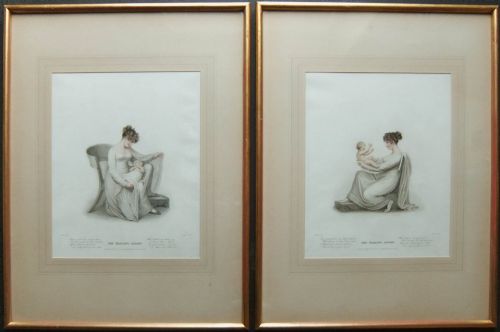
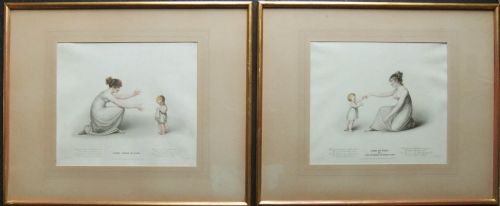
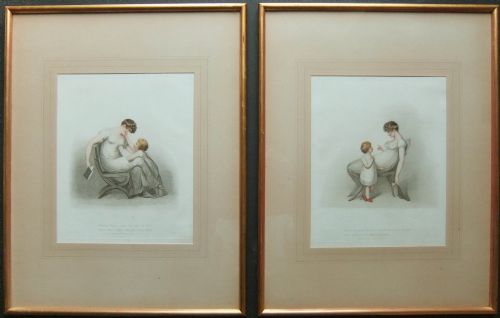
When searching for a stipple engraving portrait, you encounter fine works on paper originating predominantly from the eighteenth century and the Regency period. These prints often depict notable historical figures, elegant ladies, naval officers, and children in sentimental domestic scenes.
The pieces on this page appear within period frames made of wood, giltwood, and gold leaf, often protected beneath glass. You will find individual plates as well as matched pairs, spanning Georgian and Grand Regency styles.
How they were made
Makers produced a stipple engraving portrait by puncturing copper plates with a network of dots using an etching needle and a roulette wheel. Printers then transferred these inked impressions onto paper, sometimes applying hand-colouring to enhance the final image.
Framing these works involved traditional timber mouldings, with wood and giltwood finishes carrying gold leaf accents that matched the neoclassical taste of the era.
Listings feature paper prints housed in wood, glass, and giltwood frames spanning the 18th Century and Regency periods.
What varies in quality
The finesse of the dot work dictates the visual success of a stipple engraving portrait, separating subtle tonal gradation from heavy, coarse rendering. Impressions pulled early in the life of the copper plate preserve the crispest details of the artist's original design.
The preservation of the paper and the retention of any original hand-colouring define the remaining distinction between ordinary examples and superior specimens. Original period frames utilising gilt wood further elevate the historical integrity of the piece.
Francesco Bartolozzi·Adam Buck·Hans Holbein·George Romney
The Stipple Engraving Portrait Glossary
- Stipple engraving
- A printmaking technique using dots of varying sizes and densities to create tonal nuances and soft flesh tones. This method gained immense popularity during the late eighteenth century.
- Neoclassical
- An artistic style drawing inspiration from the classical art and culture of ancient Greece and Rome. This aesthetic heavily influenced British portraiture and interior decoration during the Georgian era.
- Regency
- The period in British history spanning the early nineteenth century, characterised by distinct architectural and decorative arts trends. Pieces from this era often exhibit refined classical restraint.
- Giltwood
- Timber carved and subsequently covered with a thin layer of gold leaf or gilt. It remains a hallmark of better quality antique picture frames.
Stipple Engraving Portrait: Frequently Asked Questions
What is a stipple engraving portrait?
A stipple engraving portrait is a fine art print created by building up images using thousands of tiny dots on paper. This technique allowed artists to achieve remarkable subtlety in shading and facial expressions.
Printers often published these portraits individually or in pairs to adorn the walls of Georgian and Regency homes, frequently pairing them with neoclassical subjects.
How do I date these portraits?
Dating relies primarily on the style of dress, the characteristics of the paper, and the framing materials. Eighteenth-century and Regency pieces often exhibit distinct neoclassical motifs and specific printing typography.
Inscriptions on the plates frequently record the dates of publication or the active years of the artists involved, providing a reliable chronological anchor.
Were these portraits originally framed?
Many of these prints were framed in period wood or giltwood frames soon after publication to protect the delicate paper. Original frames often feature gold leaf and specific moulding profiles native to the Georgian and Regency periods.
Finding a print in its period frame adds significantly to its historical context and visual appeal.
How should I display them at home?
Display stipple engraving portraits away from direct sunlight to protect the ink and paper from fading. Hanging them on interior walls helps maintain the structural stability of the paper and the antique frame.
Pairing pieces from the same period, such as matching sets by Adam Buck, creates a balanced display that reflects eighteenth-century interior taste.