
Still Life Wall Art
Still life wall art brings centuries of observed domesticity, flora and fauna directly into a room through oil, canvas and gilt framing.
Still Life Wall Art
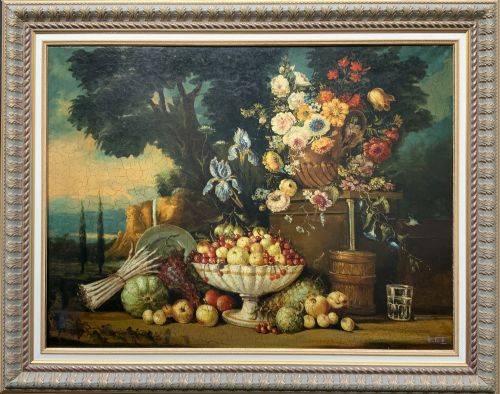
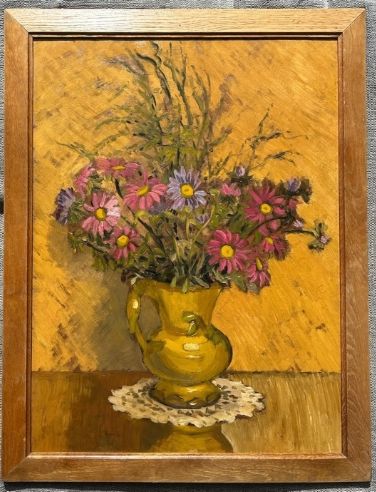
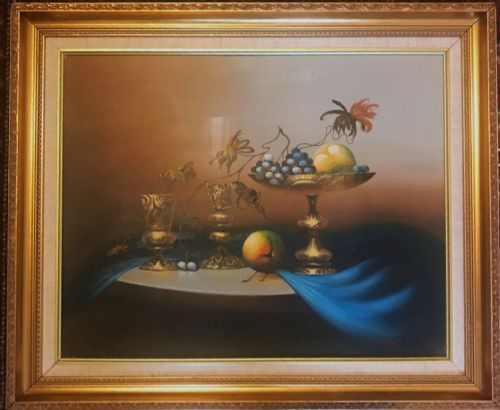
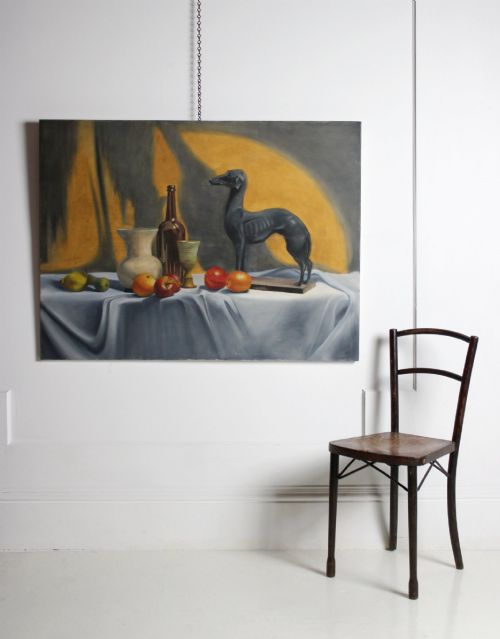
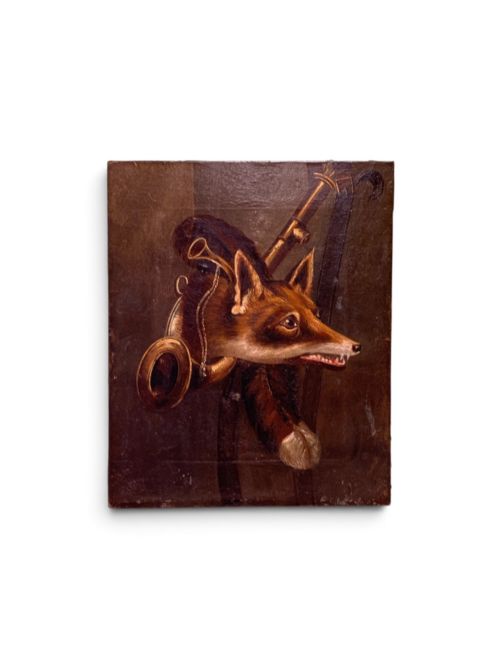
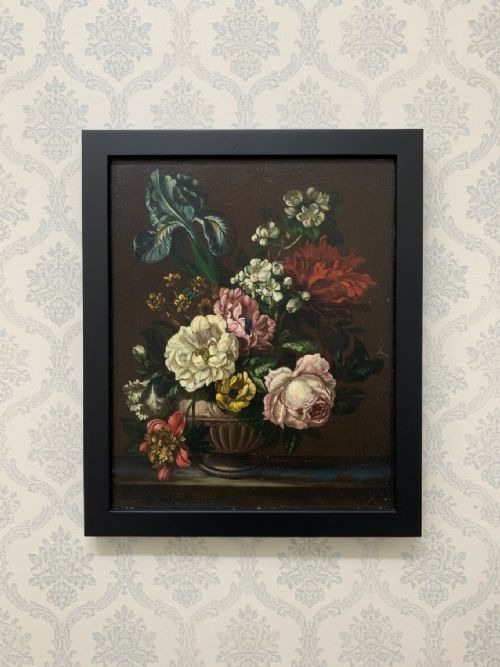
Still life wall art spans centuries of painted subjects, from nineteenth century depictions of game and fish to mid-century floral arrangements. Buyers encountering this selection typically discover oil paintings on canvas and board alongside watercolours and gouache.
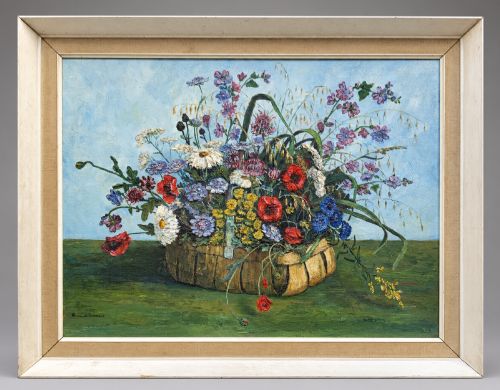
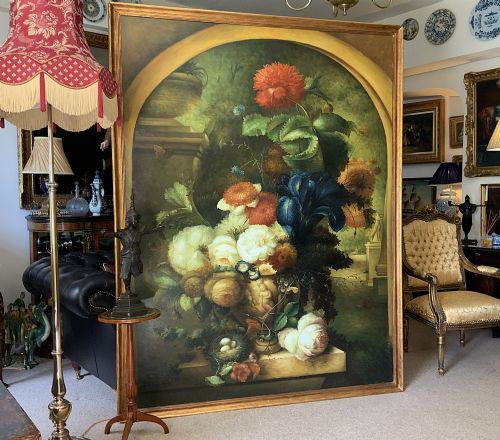
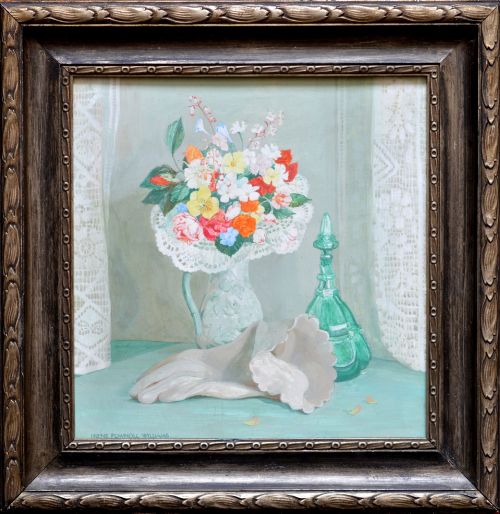
The assortment encompasses diverse stylistic interpretations, including Dutch Golden Age style compositions, Victorian studies, Edwardian pieces and mid-century impressionism. Forms range from intimate framed artwork to monumental floral paintings.
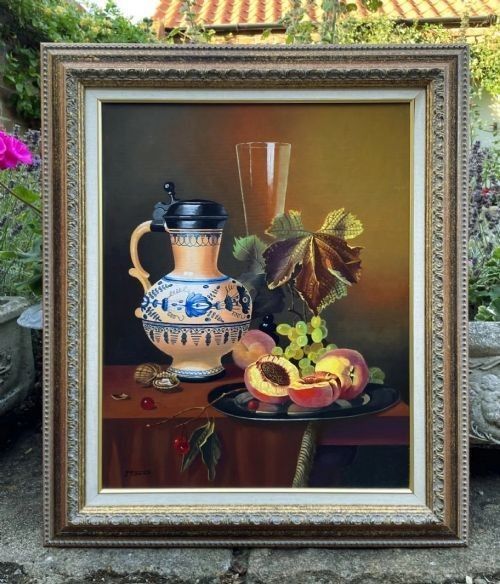
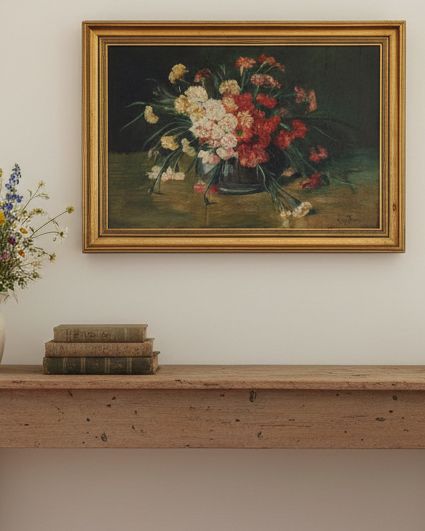
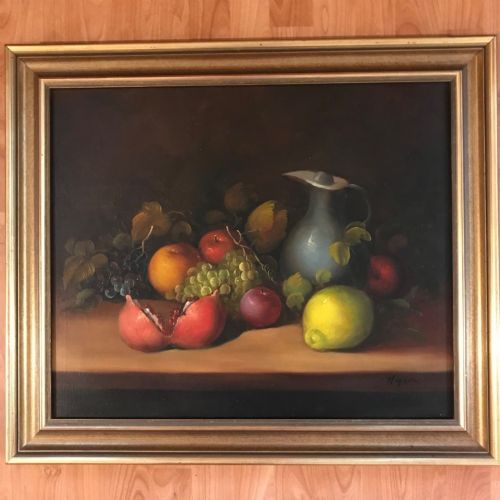
Origin points across the collection include British, French, Austrian and Dutch schools. These works capture arranged objects, from fruit in baskets to flowers in vases, rendered with varying degrees of classical realism.
Materials and construction
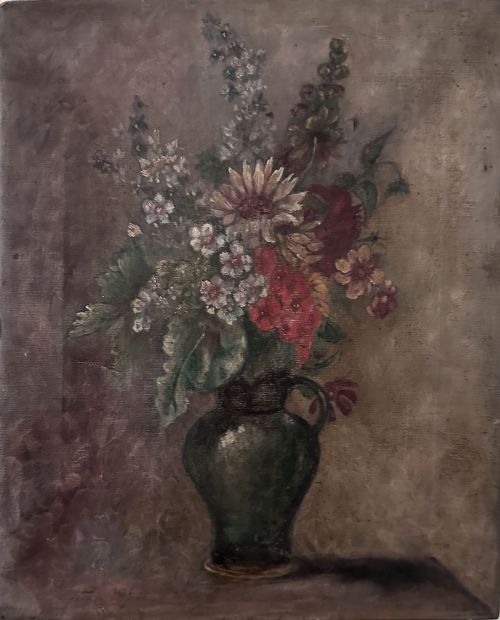
Oil paint applied to canvas or wood panel forms the primary medium for these works, accompanied by paper supports used for watercolours, pastels and gouache. Pigments capture fine details of fruit, flora and textiles.
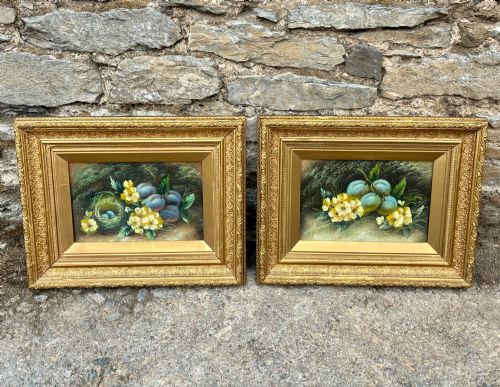
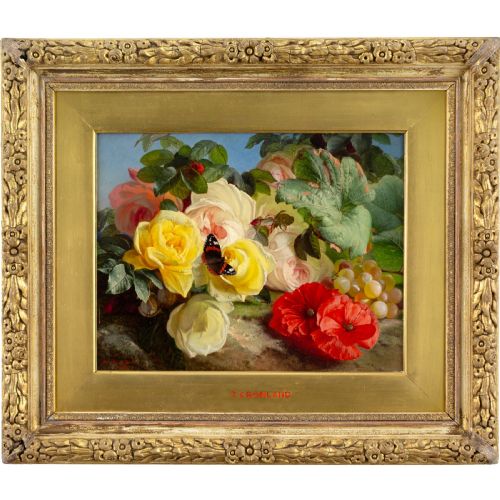
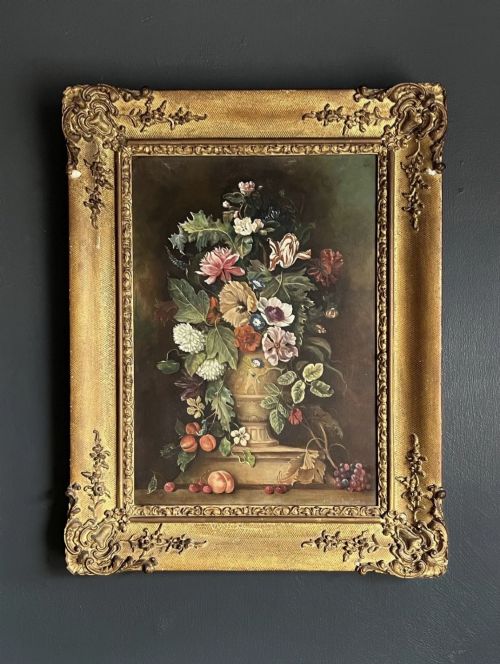
Frames utilise wood, often embellished with gold leaf and gilded gesso to complement the painted imagery. Canvases are stretched over wooden supports while boards provide rigid backing for oil and mixed media applications.
Listings feature works spanning from the seventeenth century through the nineteenth century and into the mid-twentieth century.
Evaluating the pieces
Quality rests in the precision of brushwork, depth of colour and the handling of light and shadow across the depicted subjects. Superior examples demonstrate confident composition and texture in the rendering of surfaces like fruit skin, feathers or petals.
The craftsmanship of the framing contributes significantly to the overall integrity of the piece. Period frames finished in gold leaf or moulded gesso align with the era of the artwork and add structural preservation.
Kenneth Cozens·Jozsef Molnar·D. L. Williams·Vincent Clare·Emma Fordyce MacRae·Gaspar Peeter Verbruggen·William Henry Ward·Ian Parker·Harold Clayton·Edwin Steele·Vladimir Aldoshin·Manuela Bonati·Arthur Dudley
The Still Life Wall Art Glossary
- Oil Paint
- Pigment mixed with drying oil such as linseed. This medium allows for rich colour depth and gradual blending on canvas or board.
- Gesso
- A plaster-like mixture applied to wood frames before gilding. It provides a smooth surface for gold leaf application.
- Gouache
- An opaque water-based paint. It produces matte surfaces in works on paper.
- Oleograph
- A mechanical colour print imitating an oil painting. These utilise textured rollers to mimic canvas grain.
- Panel
- A flat piece of wood used as a rigid painting support. Panels frequently appear in earlier works before canvas became dominant.
Still Life Wall Art: Frequently Asked Questions
How do I hang a heavy oil painting safely?
Heavy framed oil paintings require fixings suited to the wall type, such as solid masonry plugs or wall anchors secured into wooden studs. Utilising two hanging points distributes weight evenly and keeps the artwork level.
Position paintings at eye level to replicate gallery standards and protect them from direct sunlight or heat sources that could affect the canvas and wooden frame.
What is the difference between oil on canvas and oil on board?
Oil on canvas involves stretched fabric fixed to a wooden stretcher frame, offering slight flexibility and a distinct woven texture beneath the paint layers. Oil on board uses a rigid wooden or composite substrate which prevents sagging.
Both methods support thick paint application, but panels provide greater rigidity against environmental humidity changes.
How should I clean a vintage oil painting?
Surface dust on oil paintings and frames should be removed gently using a soft, dry natural bristle brush. Avoid using water, household cleaners or chemical solvents on the painted surface.
Professional conservators should handle deeper cleaning, varnish removal or canvas repairs to prevent damaging the historical pigments.
How do I identify the period of a still life painting?
Dating relies on examining the materials, canvas preparation, framing style and the artist's signature or recorded working dates. Victorian and Edwardian works often feature specific framing conventions and subject matter conventions.
Examining the stretcher bars, nails and backing boards provides additional clues regarding the age of the physical object.